
Wendy’s Takis Fuego Meal: A Dietitian’s Comprehensive Nutrition Review
Wendy’s has once again ventured into bold flavor territory with the introduction of their Takis Fuego Meal, capitalizing on the wildly popular spicy snack brand that has dominated convenience stores and social media feeds for years. This collaboration brings the intense heat and distinctive flavor profile of Takis Fuego tortilla chips directly to the quick-service restaurant space, appealing to consumers who crave bold, spicy experiences in their fast-food choices. As a dietitian-reviewed offering, it’s essential to examine not just the taste appeal, but the complete nutritional picture this meal presents for health-conscious consumers navigating the fast-food landscape.
The Takis Fuego Meal represents a significant marketing moment for Wendy’s, tapping into the snacking trends that have reshaped consumer preferences over the past decade. However, with any indulgent fast-food collaboration, questions arise about nutritional value, macronutrient balance, and whether this meal fits within reasonable dietary guidelines. This comprehensive review breaks down the nutrition facts, examines the meal components, and provides practical guidance for consumers who want to enjoy this offering while maintaining their health goals.
Complete Nutrition Facts Breakdown
The Wendy’s Takis Fuego Meal typically includes a sandwich (usually chicken or beef), a serving of Takis Fuego chips, and a beverage. The complete meal’s nutritional composition varies depending on protein selection, but understanding the baseline numbers is crucial for informed decision-making. The standard combo provides approximately 1,100 to 1,300 calories when ordered with a medium drink, placing it squarely in the high-calorie category for a single meal.
Breaking down the individual components reveals important details. The Takis Fuego chips alone contribute roughly 300-350 calories and contain significant amounts of fat, sodium, and artificial flavoring compounds. The sandwich component varies widely based on selection, but most options range from 400-600 calories. The beverage choice dramatically impacts the overall nutritional profile—a regular soda can add 200-300 calories, while unsweetened tea or water adds virtually none. This flexibility in beverage selection represents one of the few meaningful ways consumers can modify the meal’s impact on their daily intake.
For context on understanding daily nutritional needs, reviewing a healthy nutrition plan and guide to eating well for life can help establish baseline requirements. Most adult dietary guidelines recommend 2,000-2,500 calories daily, meaning this single meal represents 44-65% of daily caloric needs for an average adult.
Caloric Content and Energy Balance
The caloric density of the Takis Fuego Meal warrants careful consideration within the context of overall daily eating patterns. At 1,100-1,300 calories, this meal exceeds what many nutrition professionals recommend for a single occasion, particularly when consumed alongside other meals and snacks throughout the day. The meal’s caloric load is driven primarily by three factors: fried or breaded protein, fried tortilla chips, and sugary beverages.
Understanding caloric balance requires recognizing that calories represent energy units, and while all calories technically provide equivalent energy, the source matters significantly for satiety, nutrient density, and metabolic response. The calories in this meal come predominantly from refined carbohydrates and fats, which digest quickly and may not provide lasting fullness compared to whole foods, lean proteins, and fiber-rich options. This rapid digestion can lead to blood sugar spikes followed by energy crashes, potentially driving increased snacking later in the day.
For individuals following specific caloric targets for weight management, this meal essentially consumes half or more of daily caloric allowance in a single sitting, leaving limited room for other nutritious meals and snacks. This reality makes the Takis Fuego Meal better suited as an occasional indulgence rather than a regular dietary choice for those managing weight.
Macronutrient Analysis
Examining the macronutrient breakdown reveals significant imbalances compared to evidence-based nutritional recommendations. The meal typically contains 40-50 grams of protein, 60-80 grams of fat, and 120-150 grams of carbohydrates, with much of the carbohydrate content coming from refined sources rather than whole grains or fiber-rich vegetables.
The protein content, while present in adequate quantities, comes primarily from processed sources. The sandwich protein may be breaded, fried, or processed, meaning the protein arrives packaged with excess sodium, trans fats, and additives. From a macronutrient distribution perspective, this meal skews heavily toward fat and refined carbohydrates, with insufficient fiber to support digestive health or sustained energy. Recommended macronutrient distributions typically suggest 30-35% of calories from fat, 45-65% from carbohydrates (preferably complex), and 10-35% from protein. The Takis Fuego Meal likely exceeds fat recommendations while delivering carbohydrates primarily in refined forms.
Understanding optimal macronutrient balance becomes particularly relevant when considering nutrition for athletes optimizing performance through diet, as athletes require specific macronutrient ratios for recovery and performance. Even for non-athletes, macronutrient balance significantly impacts energy, mood, and metabolic function.
Sodium and Heart Health Considerations
Perhaps the most concerning nutritional aspect of the Takis Fuego Meal is its sodium content. The combination of processed sandwich, flavored tortilla chips, and seasoning creates a sodium bomb that can exceed 2,000-2,500 milligrams in a single meal. The American Heart Association recommends limiting sodium to 2,300 milligrams daily, meaning this meal alone approaches or exceeds the entire daily recommendation for many consumers.
Excessive sodium consumption correlates with elevated blood pressure, increased cardiovascular disease risk, and fluid retention. Regular consumption of high-sodium meals like the Takis Fuego combination contributes to chronic health conditions that burden the healthcare system and individual quality of life. For individuals with hypertension, kidney disease, or other sodium-sensitive conditions, this meal presents a significant health risk and should be avoided or consumed extremely rarely.
The Takis chips specifically contribute substantial sodium through their seasoning blend, which includes salt and sodium-based flavor enhancers. The sandwich adds additional sodium from processing and preservation ingredients. Even before adding condiments or beverages, the meal delivers excessive amounts of this mineral that the body requires in much smaller quantities.
For those seeking to manage sodium intake, reviewing how nutrition and mental health connect through diet becomes relevant, as cardiovascular health directly impacts cognitive function and mental wellness.
Sugar Content and Blood Sugar Impact
The total sugar content of the Takis Fuego Meal varies based on beverage selection, but if ordered with a regular soda, the sugar load becomes substantial. A medium regular soda contributes 40-50 grams of added sugar, while the sandwich and chips may contain 5-10 grams combined. This results in 45-60 grams of total sugar in a single meal, exceeding the American Heart Association’s daily recommendation of 25 grams for women and 36 grams for men.
The rapid consumption of this sugar load causes significant blood glucose spikes, triggering insulin release and potentially contributing to insulin resistance over time with repeated consumption. The refined carbohydrates in the chips and sandwich bread offer minimal fiber to slow glucose absorption, meaning the blood sugar impact occurs quickly and dramatically. This metabolic stress can increase fatigue, mood swings, and cravings for additional sweets.
For individuals with diabetes or prediabetes, this meal represents a particularly poor choice, as it can cause dangerous blood glucose fluctuations and complicate disease management. Even for individuals without diabetes, regularly consuming high-sugar meals contributes to metabolic dysfunction and increases disease risk over time.
Ingredient Quality Assessment
Beyond basic nutrition numbers, examining ingredient quality reveals additional concerns. The Takis Fuego seasoning includes artificial colors, artificial flavors, and preservatives that some consumers prefer to avoid. While regulatory agencies deem these ingredients safe at current consumption levels, some individuals experience sensitivities or prefer minimizing artificial additive intake for philosophical or health reasons.
The sandwich protein likely includes binders, preservatives, and processing aids that extend shelf life and improve texture but add little nutritional value. The chips themselves contain vegetable oil, which may be partially hydrogenated or highly processed, contributing to inflammatory compounds in the diet. For consumers interested in nutrition facts about avocados and whole food sources of healthy fats, the contrast becomes stark when compared to this processed meal’s fat sources.
The overall ingredient profile reflects ultra-processed food manufacturing, prioritizing shelf stability, flavor intensity, and profit margins over nutrient density and whole food quality. This doesn’t mean the meal is dangerous in small quantities, but it does mean it offers minimal nutritional benefit beyond caloric energy and palatability.
How to Make Healthier Choices
If you find yourself wanting to enjoy the Takis Fuego Meal while minimizing nutritional damage, several modification strategies exist. First, select water, unsweetened tea, or diet beverages instead of regular soda, eliminating 200-300 calories and 40-50 grams of sugar immediately. This single change transforms the meal from extremely high in added sugar to merely moderate.
Second, consider ordering a smaller protein option or removing the sandwich entirely and enjoying just the Takis chips as a snack rather than a full meal. This reduces overall caloric intake while still allowing you to experience the flavor collaboration. Pair the chips with a protein-rich snack like Greek yogurt or nuts consumed separately to improve macronutrient balance.
Third, balance this indulgence with exceptionally nutritious meals surrounding it. If you consume the Takis Fuego Meal for lunch, ensure breakfast and dinner emphasize whole grains, lean proteins, abundant vegetables, and healthy fats. This approach maintains overall daily nutritional balance while allowing occasional indulgences. Understanding the importance of dietary fiber for your health becomes particularly relevant when planning compensatory meals, as fiber supports digestive health and satiety.
Fourth, enjoy this meal infrequently—perhaps quarterly rather than monthly or weekly. Treating it as a true special occasion rather than regular fast-food option maintains its appeal while preventing the cumulative health effects of regular consumption.
Comparison with Other Fast-Food Options
How does the Takis Fuego Meal compare to other fast-food indulgences? A typical fast-food burger combo (burger, fries, drink) provides similar caloric content but often with slightly lower sodium if you skip the heavily seasoned chips. A chicken sandwich combo offers comparable nutrition with potentially slightly less sodium depending on the specific sandwich. A pizza slice with soda delivers similar calories but often with more protein relative to fat.
The Takis Fuego Meal’s distinguishing characteristic is the combination of fried protein, fried and seasoned carbohydrates, and typically a sweet beverage—a trifecta of factors that maximize caloric density while minimizing nutritional value. Most fast-food meals share this profile to some degree, but the Takis collaboration specifically emphasizes flavor intensity over any nutritional consideration.
For consumers seeking genuinely healthier fast-food options, many chains now offer grilled proteins, vegetable-based sides, and unsweetened beverages that reduce the nutritional damage while still providing convenient meals. Wendy’s itself offers salads and grilled chicken options that provide better macronutrient balance and lower sodium content than the Takis collaboration.
When considering nutrition information from reliable sources, comparing complete meal options helps consumers make informed choices aligned with their health goals and values.
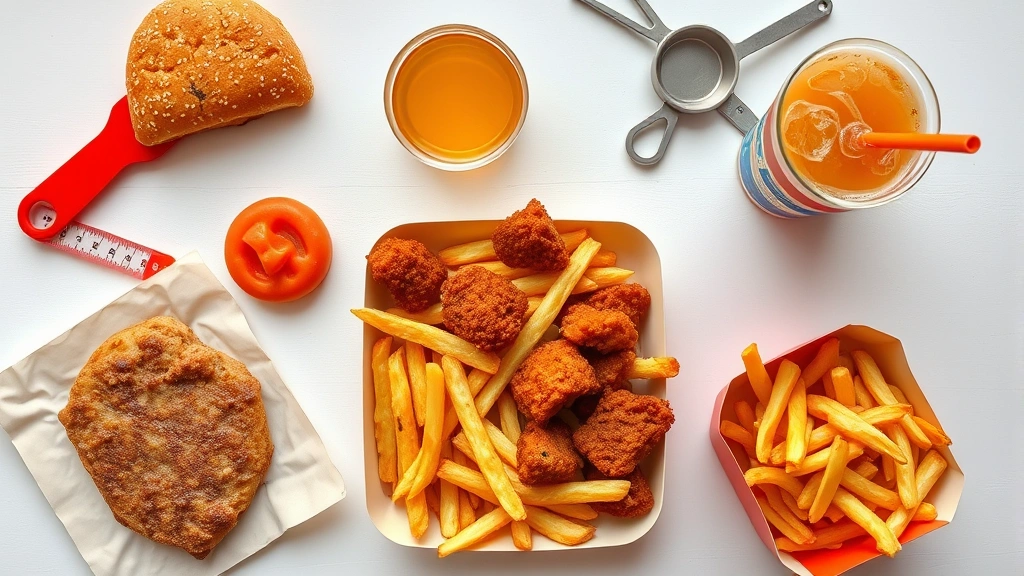
The reality of fast-food consumption in modern society is that most people will occasionally enjoy indulgent meals. The Takis Fuego Meal represents this category clearly—it’s designed for enjoyment and flavor intensity rather than nutritional optimization. Recognizing this categorization helps consumers make conscious choices about frequency and portion size rather than viewing any single meal as either completely forbidden or entirely harmless.

Frequently Asked Questions
Is the Wendy’s Takis Fuego Meal suitable for people with dietary restrictions?
For individuals with sodium restrictions, hypertension, kidney disease, or diabetes, this meal is generally not recommended due to excessive sodium and refined carbohydrates. Those with gluten sensitivity should verify that the sandwich and chips don’t trigger reactions. Vegetarians and vegans should note that most protein options contain animal products.
How often can someone safely consume the Takis Fuego Meal?
For most healthy adults without chronic conditions, occasional consumption (perhaps quarterly) poses minimal risk. Regular consumption (weekly or more frequently) contributes to excessive sodium intake, caloric surplus, and refined carbohydrate consumption that increases disease risk over time. Individual tolerance depends on overall dietary patterns and health status.
What’s the best beverage choice with this meal?
Water, unsweetened tea, or black coffee represent the most nutritionally sound choices, eliminating added sugars and calories entirely. If you prefer flavored beverages, diet sodas or artificially sweetened drinks provide flavor without the sugar load, though some prefer avoiding artificial sweeteners. Absolutely avoid regular soda, which transforms the meal into an excessive sugar delivery system.
Can modifications make this meal healthier?
Yes, several modifications help. Selecting water instead of soda eliminates 200+ calories and 40+ grams of sugar. Choosing a smaller protein or removing it entirely reduces overall caloric load. Adding a side salad or vegetable option (if available) increases fiber and micronutrients. However, even with modifications, the base meal remains high in sodium and refined carbohydrates.
How does this meal fit into a balanced diet?
This meal functions best as an occasional indulgence balanced by exceptionally nutritious meals surrounding it. If consumed for lunch, ensure breakfast emphasizes whole grains, protein, and fiber, while dinner focuses on lean protein, abundant vegetables, and healthy fats. This approach maintains overall daily nutritional balance while allowing treats.
What are the main nutritional concerns?
The primary concerns are excessive sodium (approaching or exceeding daily limits), high refined carbohydrate content with minimal fiber, excessive added sugars if ordered with regular soda, and caloric density that comprises 50%+ of daily needs in a single meal. The combination of these factors makes it unsuitable for regular consumption.
Are there better fast-food alternatives?
Yes. Most fast-food chains now offer grilled proteins, vegetable-based sides, and unsweetened beverages that provide better nutritional profiles. Wendy’s salads, grilled chicken sandwiches (without mayo-heavy sauces), and water or unsweetened tea combinations offer superior nutrition while still providing convenient meals.


