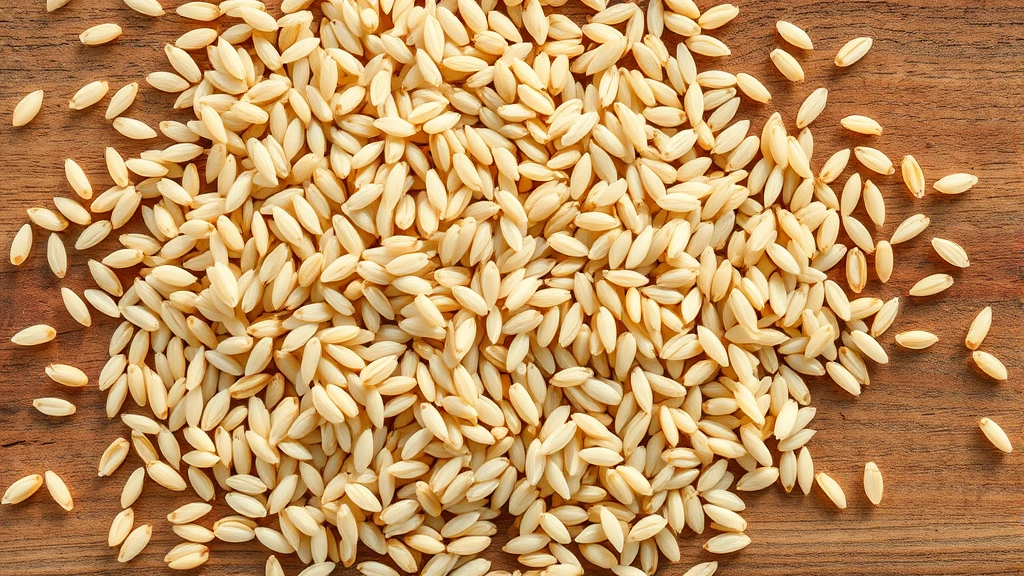
Is Wild Rice Nutritious? Dietitian Breakdown
Wild rice has gained considerable attention in the health and wellness community as a nutrient-dense grain alternative to white and brown rice. Unlike its cultivated cousins, wild rice is technically the seed of an aquatic grass native to North America, offering a unique nutritional profile that sets it apart. For anyone considering incorporating this grain into their diet, understanding its true nutritional value becomes essential for making informed dietary choices.
This comprehensive dietitian breakdown examines the wild rice nutrition facts that matter most to your health. We’ll explore what makes wild rice stand out nutritionally, how it compares to other grains, and practical ways to maximize its benefits in your daily meals. Whether you’re looking to enhance your healthy nutrition plan or simply curious about this ancient grain, this analysis provides evidence-based insights from a dietitian’s perspective.
Wild Rice Nutrition Facts at a Glance
A single cup of cooked wild rice (approximately 164 grams) delivers approximately 166 calories, making it a relatively moderate-calorie grain option. This serving provides roughly 6.5 grams of protein, 35 grams of carbohydrates, and just 0.6 grams of fat, establishing wild rice as a lean grain choice for those monitoring their fat intake.
The macronutrient breakdown reveals why nutritionists frequently recommend wild rice. With a glycemic index of approximately 45, wild rice digests more slowly than white rice, potentially offering more stable blood sugar responses. The carbohydrate content comes primarily from complex carbs rather than simple sugars, providing sustained energy release throughout your day. When compared to white rice’s minimal nutrient density, wild rice demonstrates substantially higher concentrations of vitamins, minerals, and beneficial plant compounds.
One of the most impressive aspects of wild rice nutrition is its fiber content. Each cooked cup contains approximately 3 grams of dietary fiber, contributing meaningfully to daily fiber requirements. This fiber plays crucial roles in digestive health, satiety, and metabolic function, making wild rice particularly valuable for anyone seeking to improve their digestion naturally.
Protein Content: Why Wild Rice Stands Out
Perhaps the most notable nutritional advantage of wild rice lies in its protein content. At 6.5 grams per cooked cup, wild rice contains approximately 50% more protein than brown rice and nearly three times the protein found in white rice. For vegetarians, vegans, and anyone seeking plant-based protein sources, this distinction becomes particularly significant.
The protein in wild rice contains all nine essential amino acids, though it’s not a complete protein in the sense that the proportions may vary slightly. Combining wild rice with legumes, nuts, or seeds creates a complete amino acid profile. This complementary protein strategy has been utilized in traditional cuisines for centuries and remains relevant for modern nutrition planning.
Dietitians often recommend wild rice to clients seeking to reduce their reliance on animal proteins without sacrificing nutritional completeness. The protein content supports muscle maintenance, tissue repair, immune function, and the production of enzymes and hormones. For individuals following a nutrition plan that impacts brain health, adequate protein intake becomes essential for neurotransmitter synthesis and cognitive function.
Fiber Benefits and Digestive Health
The dietary fiber present in wild rice deserves particular attention from anyone interested in optimizing their health. With approximately 3 grams of fiber per cup, wild rice contributes meaningfully to the recommended daily intake of 25-35 grams. This soluble and insoluble fiber combination offers multiple physiological benefits that extend beyond simple digestive function.
Fiber acts as a prebiotic, feeding beneficial bacteria in your gut microbiome and promoting their proliferation. A healthy gut microbiome influences everything from immune function to mood regulation. The importance of dietary fiber for your health extends to cholesterol management, where soluble fiber binds cholesterol particles and facilitates their elimination from the body.
Regular consumption of high-fiber foods like wild rice has been associated with reduced risk of type 2 diabetes, cardiovascular disease, and certain cancers in multiple epidemiological studies. The fiber content also promotes satiety, helping individuals feel fuller longer and potentially supporting healthy weight management. When incorporating wild rice into meals, adequate hydration becomes important to maximize fiber’s benefits and prevent digestive discomfort.
Vitamins and Minerals in Wild Rice
Wild rice contains an impressive array of micronutrients that contribute to overall health and metabolic function. B vitamins, particularly thiamine (B1), riboflavin (B2), and niacin (B3), appear in substantial quantities. These vitamins play essential roles in energy metabolism, converting carbohydrates, proteins, and fats into usable cellular energy.
The mineral content of wild rice includes magnesium, phosphorus, manganese, and zinc. Magnesium alone supports over 300 enzymatic reactions within the body, influencing muscle and nerve function, blood sugar regulation, and protein synthesis. Manganese contributes to bone health, wound healing, and antioxidant defenses. A single serving of wild rice provides approximately 26% of the daily recommended value for manganese.
Phosphorus works synergistically with calcium to support bone density and structural integrity. The zinc content supports immune function, wound healing, and protein synthesis. Unlike some fortified grains that have nutrients added artificially, wild rice’s micronutrient content occurs naturally, potentially offering superior bioavailability and absorption rates.
The mineral profile makes wild rice particularly valuable for individuals with increased nutrient demands, including athletes, pregnant or nursing individuals, and those recovering from illness. The combination of B vitamins and minerals supports the body’s stress response systems, potentially helping individuals manage the physiological effects of chronic stress.
Wild Rice vs. Brown Rice vs. White Rice
Comparative analysis reveals why dietitians frequently recommend wild rice over more conventional grain options. White rice undergoes processing that removes the nutrient-rich bran and germ layers, resulting in a grain with minimal nutritional value beyond simple carbohydrates. Brown rice retains these layers, offering superior nutrition, but wild rice exceeds brown rice in several key metrics.
In protein content, wild rice provides 6.5 grams per cup compared to brown rice’s 5 grams and white rice’s 4.3 grams. The fiber advantage similarly favors wild rice, with 3 grams per cup versus brown rice’s 3.5 grams and white rice’s 0.6 grams. While brown rice edges out wild rice slightly in fiber, the overall nutritional package makes wild rice competitive or superior depending on individual nutritional priorities.
The antioxidant content differs substantially across these grains. Wild rice contains unique compounds absent in brown and white rice, including phenolic acids and flavonoids that provide protective antioxidant effects. The glycemic index also differs, with white rice ranking highest (around 72), brown rice in the middle (around 68), and wild rice lowest (around 45), making it the superior choice for blood sugar management.
Cost considerations matter for many individuals. Wild rice typically costs more per pound than brown or white rice, though the superior nutritional density and satiety-promoting properties may justify the premium for some consumers. Combining wild rice with brown rice or other grains offers a cost-effective compromise while still providing nutritional benefits.
Antioxidants and Phytonutrients
Wild rice contains a remarkable array of phytonutrients—plant compounds with potent antioxidant and anti-inflammatory properties. Research published in the Journal of Agricultural and Food Chemistry identified numerous phenolic compounds in wild rice, including caffeic acid, ferulic acid, and protocatechuic acid. These compounds neutralize free radicals, reducing oxidative stress and potentially lowering chronic disease risk.
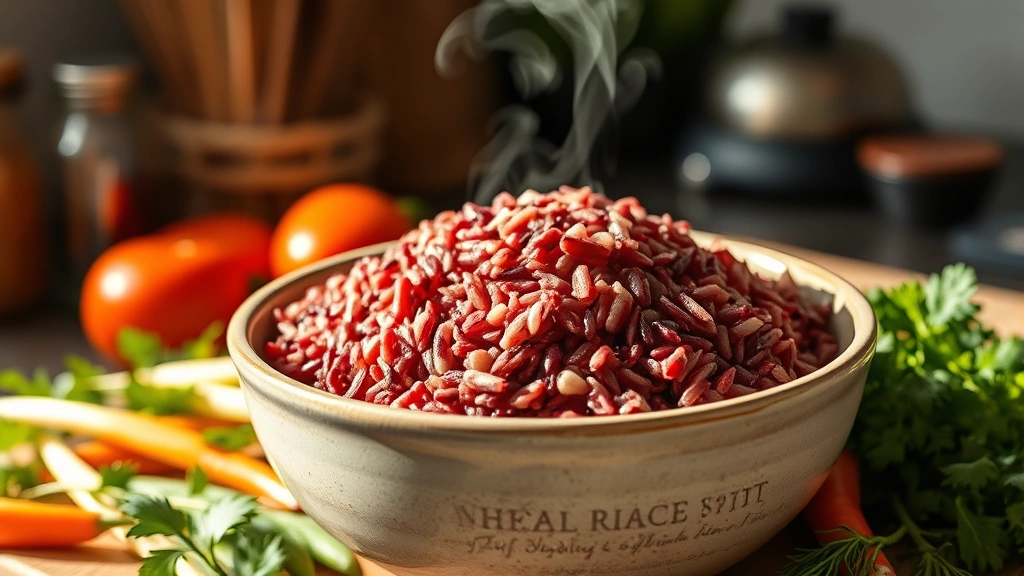
The dark purple or black coloration of wild rice indicates the presence of anthocyanins, the same flavonoid pigments found in blueberries and blackberries. Anthocyanins have been extensively studied for their anti-inflammatory properties, potential cognitive benefits, and cardiovascular protective effects. Unlike white rice, which lacks these pigments entirely, wild rice provides meaningful anthocyanin content with each serving.
Lignans represent another important phytonutrient class found in wild rice. These compounds function as phytoestrogens, potentially supporting hormonal balance and reducing risk of hormone-dependent cancers. The combination of multiple phytonutrient classes in wild rice creates a synergistic effect that may exceed the benefits of isolated compounds.
Regular consumption of wild rice contributes to overall antioxidant status, potentially reducing inflammation and supporting the body’s natural defenses against cellular damage. This becomes particularly relevant for individuals seeking to optimize their health through food-based interventions rather than supplements. The phytonutrient profile complements the macronutrient and micronutrient benefits, creating a genuinely comprehensive nutritional package.

Practical Serving Suggestions
Incorporating wild rice into your diet requires minimal effort while offering substantial nutritional returns. Begin by substituting wild rice for white rice in familiar dishes, gradually increasing the proportion as your palate adjusts to its nutty, slightly earthy flavor. Many people enjoy mixing wild rice with brown rice or other grains to balance cost, texture, and flavor profiles.
Wild rice works excellently in grain bowls, paired with roasted vegetables, legumes, and a protein source of choice. This approach aligns naturally with the nutrition facts about nutrient-dense foods like avocados, creating balanced meals that satisfy nutritionally and culinarily. Soups and stews benefit from wild rice’s firm texture, which holds up well to prolonged cooking.
For salads, consider using wild rice as the base, combining it with fresh vegetables, herbs, and a vinaigrette. The grain’s protein content makes these salads more substantial and satisfying than traditional vegetable-only options. Wild rice also works in stuffing preparations, pilafs, and casseroles, offering versatility across numerous cuisines and cooking styles.
Preparation requires slightly more time than white rice, typically 45-60 minutes of simmering, though this can be reduced to 30-40 minutes with pre-soaking. Using a 3:1 water-to-rice ratio generally produces optimal texture. Many cooks prepare wild rice in batches, refrigerating or freezing portions for convenient use throughout the week. This strategy removes preparation barriers and encourages consistent consumption.
Potential Concerns and Considerations
While wild rice offers substantial nutritional benefits, certain considerations warrant attention. The arsenic content in rice has received increased scrutiny in recent years. Research suggests wild rice typically contains lower arsenic levels than brown or white rice, though levels can vary depending on growing conditions and water sources. Varying your grain choices rather than relying exclusively on any single grain reduces potential exposure to any specific contaminant.
For individuals with celiac disease or non-celiac gluten sensitivity, wild rice presents an excellent gluten-free option, as it’s technically a seed rather than a true grain. However, cross-contamination during processing can occur, so purchasing from certified gluten-free sources becomes important for those requiring strict gluten avoidance.
The cost premium of wild rice may present barriers for budget-conscious consumers. Purchasing from bulk bins rather than pre-packaged options typically reduces per-pound costs substantially. Mixing wild rice with more affordable grains maintains nutritional benefits while improving affordability. Growing wild rice at home represents another option for those with suitable growing conditions and interest in gardening.
Digestive adjustment may occur when increasing fiber intake rapidly. Introducing wild rice gradually while increasing water consumption helps the digestive system adapt without discomfort. Individuals with certain digestive conditions should consult healthcare providers before significantly increasing fiber intake.
The cooking time requirement exceeds that of white rice, potentially discouraging some individuals. However, batch cooking and advance preparation eliminate this barrier for busy individuals. Pressure cookers and instant pot methods reduce cooking time to approximately 20-25 minutes, making wild rice more convenient for modern lifestyles.
FAQ
Is wild rice actually nutritious?
Yes, wild rice is genuinely nutritious, offering superior nutritional density compared to white rice and competitive advantages over brown rice. With 6.5 grams of protein, 3 grams of fiber, and substantial micronutrients per cooked cup, wild rice deserves consideration as a health-supporting grain choice. The phytonutrient content adds additional protective benefits absent in more refined grains.
How much wild rice should I eat daily?
Typical grain recommendations suggest 5-8 ounces of grains daily, with half being whole grains. A single cooked cup of wild rice (approximately 164 grams) exceeds typical single-serving portions, making it suitable as a primary grain component in one meal. Individual needs vary based on activity level, health status, and overall dietary composition, so consulting a dietitian provides personalized guidance.
Can wild rice help with weight management?
Wild rice can support healthy weight management through multiple mechanisms. The protein and fiber content promotes satiety, reducing overall calorie intake at subsequent meals. The lower glycemic index compared to white rice supports more stable blood sugar and insulin levels, potentially reducing cravings and energy crashes. However, weight management requires comprehensive dietary and lifestyle approaches beyond single-food choices.
Is wild rice suitable for diabetics?
The lower glycemic index of wild rice compared to white or brown rice makes it a superior choice for individuals managing blood sugar. The fiber and protein content further support blood sugar stability. However, portion control remains important, and individuals with diabetes should monitor their individual responses and work with healthcare providers to optimize their grain choices.
Does wild rice contain gluten?
Wild rice itself is gluten-free, as it’s technically a seed rather than a grain. However, cross-contamination can occur during processing and packaging. Individuals with celiac disease or non-celiac gluten sensitivity should purchase certified gluten-free wild rice from reliable sources to ensure safety.
How does wild rice compare nutritionally to quinoa?
Both wild rice and quinoa offer superior nutrition compared to white rice, though they have different strengths. Quinoa contains all nine essential amino acids in complete protein form, while wild rice requires complementary proteins for completeness. Quinoa offers more fiber and certain minerals, while wild rice provides unique phytonutrients. Incorporating both into a varied diet maximizes nutritional benefits.


