Gala Apple Nutrition: Dietitian’s Insight
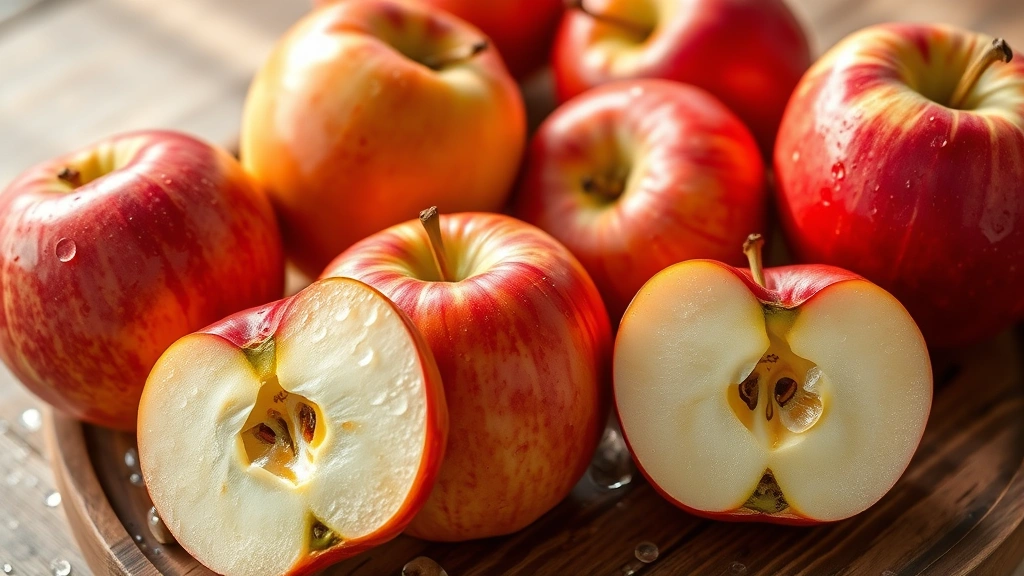
Gala apples have become one of the most beloved apple varieties in North America, prized for their crisp texture, natural sweetness, and vibrant red-orange hue. But beyond their appealing taste and appearance lies a nutritional profile that makes them a genuinely smart choice for health-conscious consumers. As a registered dietitian, I’ve observed how Gala apples can fit seamlessly into a balanced diet, offering benefits that extend far beyond simple fruit consumption.
The intersection of flavor and nutrition is where Gala apples truly shine. Unlike some fruits that require careful consideration due to sugar content, Gala apples deliver their sweetness alongside substantial fiber, antioxidants, and essential micronutrients. Understanding the specific nutritional composition of this variety helps consumers make informed dietary decisions and maximize the health benefits they receive from daily apple consumption.
Complete Nutritional Breakdown of Gala Apples
A medium-sized Gala apple (approximately 182 grams) contains roughly 95 calories, making it an exceptionally low-calorie food option. This caloric density allows individuals pursuing various dietary approaches to enjoy apples without concern about exceeding daily energy targets. The macronutrient distribution reveals why Gala apples are considered nutritionally balanced: approximately 25 grams of carbohydrates, 4.4 grams of dietary fiber, and less than 1 gram of fat and protein.
The carbohydrate content deserves particular attention, as it consists primarily of natural sugars (approximately 19 grams), fiber, and starch. Contrary to some misconceptions about fruit sugar, the nutrients pathway blog provides comprehensive nutritional information demonstrating that whole fruit consumption differs significantly from concentrated sugars. The fiber matrix in Gala apples slows glucose absorption, preventing rapid blood sugar spikes that characterize processed foods.
Micronutrient analysis reveals that Gala apples provide substantial vitamin C content—approximately 8.4 milligrams per medium apple, representing roughly 14 percent of the daily recommended intake. This water-soluble vitamin functions as a powerful antioxidant while supporting collagen synthesis, immune function, and iron absorption. Additionally, Gala apples contain vitamin K (important for bone metabolism and blood clotting), vitamin B6 (essential for neurotransmitter synthesis), and trace amounts of manganese, copper, and potassium.
Potassium content in Gala apples ranges from 195 to 215 milligrams per medium fruit, contributing meaningfully to daily electrolyte balance. This mineral plays critical roles in blood pressure regulation, muscle contraction, and nerve impulse transmission. For individuals managing hypertension or seeking to optimize cardiovascular function, the potassium contribution from regular apple consumption provides measurable dietary support.
Fiber Content and Digestive Health
The dietary fiber in Gala apples represents one of their most significant nutritional advantages. At approximately 4.4 grams per medium apple, a single fruit provides roughly 17 percent of the daily recommended fiber intake for adults. This substantial fiber contribution positions Gala apples as a genuine functional food—not merely a snack, but a dietary component with documented health implications.
Gala apple fiber consists of both soluble and insoluble types, each contributing distinct physiological benefits. Soluble fiber, particularly pectin, dissolves in the digestive tract and forms a gel-like substance that slows gastric emptying and moderates glucose absorption. This mechanism explains why apples produce sustained satiety—consumers feel fuller longer after apple consumption compared to equivalent calorie amounts of refined carbohydrates. The importance of dietary fiber for health extends beyond digestion to include systemic benefits affecting cholesterol metabolism and microbial balance.
Insoluble fiber promotes intestinal motility and supports healthy bowel function. Regular consumption of high-fiber foods like Gala apples correlates with improved digestive regularity and reduced constipation risk. Furthermore, the fermentation of pectin by beneficial gut bacteria produces short-chain fatty acids, particularly butyrate, which nourishes colonic epithelial cells and exhibits anti-inflammatory properties.
Researchers have documented that apple consumption increases fecal bulk while simultaneously promoting beneficial microbial diversity. The prebiotic properties of apple fiber essentially feed beneficial bacteria populations, creating a favorable intestinal environment. This mechanism helps explain epidemiological associations between regular apple consumption and reduced colorectal cancer risk, improved metabolic parameters, and enhanced immune function.

Antioxidants and Disease Prevention
Beyond vitamins and minerals, Gala apples contain an impressive array of phytochemicals—plant-derived compounds with potent biological activity. These compounds include quercetin, catechin, chlorogenic acid, and phloridzin, each demonstrating antioxidant and anti-inflammatory properties in scientific investigations. The concentration of these compounds varies by growing conditions and maturity, but Gala apples consistently deliver meaningful phytochemical doses.
Quercetin, one of the most abundant flavonoids in apples, has received particular attention from nutritional scientists. This compound exhibits antioxidant activity that exceeds vitamin C, protecting cellular structures from oxidative damage. Oxidative stress—the accumulation of unstable molecules called free radicals—contributes to aging processes and various disease states. By consuming Gala apples regularly, individuals introduce exogenous antioxidants that bolster the body’s intrinsic antioxidant defense systems.
The polyphenol content in Gala apples has demonstrated benefits for cognitive function and neurological health. Research published in peer-reviewed nutrition journals indicates that apple polyphenols may reduce neuroinflammation and support memory retention in aging populations. This connection between nutrition and mental health reflects how diet impacts brain function through multiple biochemical pathways.
Chlorogenic acid, another significant antioxidant in Gala apples, exhibits hepatoprotective properties and may support healthy glucose metabolism. Some research suggests that chlorogenic acid consumption correlates with reduced type 2 diabetes risk, though the mechanism likely involves multiple factors including improved insulin sensitivity and reduced hepatic glucose production.
Cardiovascular Benefits
The cardiovascular system represents one of the primary beneficiaries of regular Gala apple consumption. Multiple epidemiological studies have documented associations between apple consumption and reduced cardiovascular disease mortality. A landmark study published in the American Journal of Clinical Nutrition found that individuals consuming one apple daily demonstrated significant reductions in cardiovascular mortality compared to non-apple consumers.
The mechanism underlying these protective effects involves multiple nutritional components working synergistically. The soluble fiber pectin actively reduces low-density lipoprotein (LDL) cholesterol—the atherogenic form implicated in plaque formation. Studies demonstrate that pectin consumption can reduce LDL cholesterol by 8-23 percent, a reduction comparable to some pharmaceutical interventions. The potassium content supports healthy blood pressure by counteracting sodium’s hypertensive effects and promoting vasodilation.
Polyphenols in Gala apples improve endothelial function—the integrity and reactivity of blood vessel linings. Endothelial dysfunction precedes atherosclerotic development, making improvements in endothelial function clinically significant. These compounds enhance nitric oxide production, a critical signaling molecule that promotes vasodilation and reduces platelet aggregation. The anti-inflammatory effects of apple phytochemicals further reduce cardiovascular risk by attenuating systemic inflammation markers implicated in atherosclerosis progression.
For individuals managing blood pressure, the combination of potassium, fiber, and polyphenols creates a comprehensive cardiovascular support system. Rather than viewing Gala apples as mere snacks, evidence positions them as dietary components with documented cardioprotective properties.
Weight Management Support
Despite containing natural sugars, Gala apples represent excellent choices for individuals pursuing weight management objectives. The satiety-promoting properties of fiber create sustained fullness that reduces subsequent calorie consumption. Research comparing various foods by satiety index consistently ranks apples among the highest-scoring options, meaning they produce greater fullness per calorie than most alternatives.
The water content in Gala apples—approximately 86 percent by weight—contributes significantly to satiety without adding calories. This high water content combined with fiber creates a volumetric effect that occupies gastric space and triggers satiety signals. Individuals consuming Gala apples as snacks report reduced hunger before subsequent meals, effectively creating a natural calorie deficit through appetite modulation rather than restriction.
The low glycemic index of Gala apples (approximately 42) indicates that they produce minimal blood sugar elevation despite their carbohydrate content. This characteristic proves particularly valuable for individuals managing diabetes or prediabetes. The stable blood glucose response prevents energy crashes that typically trigger compensatory overeating. When combined with healthy nutrition plan principles for eating well, regular apple consumption supports sustainable weight management.
Practical Serving Suggestions
Optimizing the nutritional benefit from Gala apples involves understanding how preparation methods affect nutrient availability. Consuming apples with skin intact preserves the highest fiber and polyphenol content, as many beneficial compounds concentrate in the outer layers. A simple wash under running water removes surface contaminants while preserving nutritional density.
Pairing Gala apples with protein-rich foods creates balanced snacks that further enhance satiety and blood glucose stability. Combinations such as apple slices with almond butter, cheese, or Greek yogurt provide complementary macronutrients that slow digestion and extend postprandial fullness. These combinations prove particularly valuable for sustained energy during work or physical activity.
For individuals seeking to improve nutrient absorption, consuming Gala apples with fat-soluble nutrients enhances bioavailability. The vitamin K in apples absorbs more efficiently when consumed with dietary fat, making apple and almond butter combinations particularly synergistic.
Timing apple consumption strategically can optimize their physiological effects. Consuming Gala apples before meals may reduce subsequent calorie intake through fiber-mediated satiety. Post-workout consumption provides carbohydrates for glycogen replenishment combined with micronutrients supporting recovery processes. Evening apple consumption, particularly for individuals managing blood sugar, provides sustained carbohydrates without the rapid glucose spike characteristic of refined alternatives.
Comparison with Other Apple Varieties
While Gala apples offer exceptional nutritional profiles, comparing them with other varieties provides valuable perspective. Granny Smith apples, known for tartness, contain approximately 20 percent more polyphenols than Gala apples, making them superior choices specifically for antioxidant intake. However, Gala apples’ superior palatability often translates to greater consumption frequency, potentially offsetting the polyphenol differential through cumulative intake.
Honeycrisp apples contain similar fiber and vitamin C content to Gala varieties but typically cost substantially more. The nutritional advantages fail to justify the price premium, making Gala apples more economically efficient for consistent consumption. Fuji apples offer slightly higher sugar content and lower fiber relative to Gala apples, making Gala the superior choice for individuals managing blood glucose or pursuing weight management.
Pink Lady apples demonstrate marginally higher antioxidant content than Gala varieties, though both represent excellent choices. The practical consideration becomes availability and cost—Gala apples’ widespread cultivation ensures year-round accessibility at reasonable prices, supporting consistent dietary incorporation.
FAQ
How many Gala apples should I consume daily?
The Academy of Nutrition and Dietetics recommends approximately 1.5 to 2 cups of fruit daily for most adults. One medium Gala apple fulfills one fruit serving, so consuming one to two daily fits comfortably within recommended guidelines. Individual requirements vary based on caloric needs, activity level, and health objectives.
Do Gala apples contain pesticide residues?
Conventionally grown Gala apples may contain pesticide residues, though residue levels typically remain below safety thresholds established by regulatory agencies. Organic Gala apples eliminate synthetic pesticide concerns, though they typically cost 30-50 percent more. Thorough washing under running water reduces conventional residue exposure regardless of growing method.
Can Gala apples affect blood sugar in diabetic individuals?
Gala apples’ low glycemic index (42) produces minimal blood glucose elevation, making them appropriate for diabetic consumption. The fiber content slows glucose absorption further. However, individual responses vary, and diabetic individuals should monitor personal glucose responses. Consuming apples with protein or fat moderates glucose response additionally.
Are Gala apples better raw or cooked?
Raw Gala apples preserve maximum nutrient content, particularly heat-sensitive vitamin C and polyphenols. Cooking slightly reduces polyphenol bioavailability but maintains fiber and mineral content. Raw consumption generally provides superior nutritional benefit, though cooked apples in dishes like unsweetened applesauce offer convenience and palatability advantages for some individuals.
How should Gala apples be stored for maximum freshness?
Refrigeration extends Gala apple shelf life significantly—typically 2-4 weeks in refrigerator storage versus 5-7 days at room temperature. Store apples in the crisper drawer to maintain humidity and prevent moisture loss. Ethylene-producing fruits like bananas should remain separated, as ethylene accelerates ripening and potential deterioration.
Do Gala apples contain significant amounts of natural sugars?
Yes, Gala apples contain approximately 19 grams of natural sugars per medium fruit. However, the fiber matrix slows absorption significantly, preventing rapid blood glucose elevation. Whole fruit sugar consumption differs fundamentally from concentrated sugars or juices lacking fiber. The complete nutritional package—not sugar content in isolation—determines health impact.


