Pink Lady Apple: Nutritional Benefits Explored
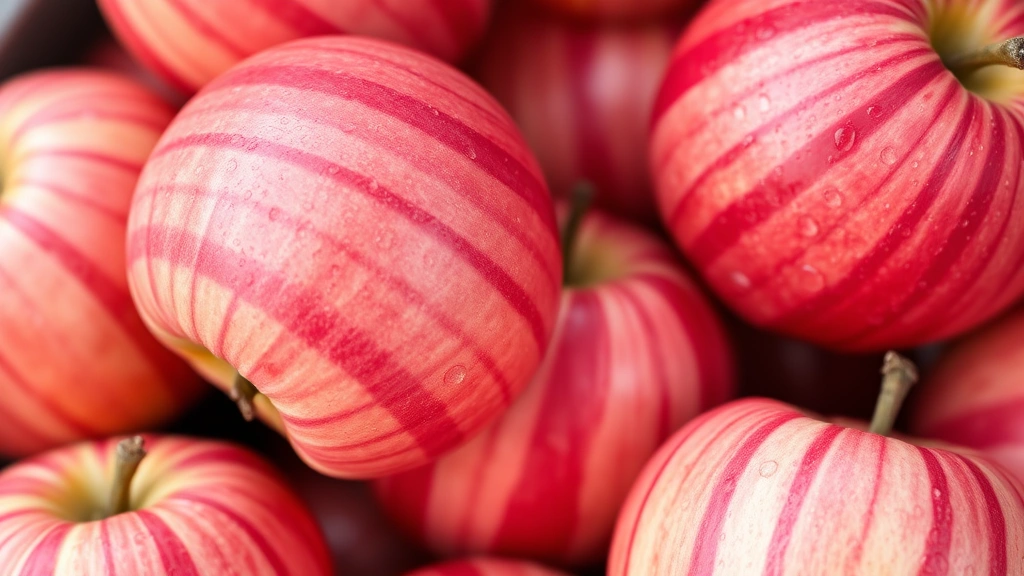
Pink Lady apples, scientifically known as Gala-Fuji hybrids or Cripps Pink, have become increasingly popular among health-conscious consumers seeking nutritious snacking options. These distinctive pink-hued apples combine crisp texture with a perfect balance of sweetness and tartness, making them a favorite in kitchens worldwide. Beyond their appealing taste and appearance, Pink Lady apples deliver impressive nutritional value that supports overall wellness and disease prevention.
The rise of Pink Lady apples reflects a broader consumer trend toward functional foods that provide multiple health benefits. Unlike processed snacks, these apples offer naturally occurring vitamins, minerals, and phytonutrients with zero added ingredients. Understanding the specific nutritional profile of Pink Lady apples helps individuals make informed dietary choices that align with their health goals and wellness priorities.
Nutritional Profile and Macronutrients
A medium-sized Pink Lady apple (approximately 182 grams) contains roughly 95 calories, making it an excellent choice for calorie-conscious consumers. The macronutrient composition breaks down as follows: approximately 25 grams of carbohydrates, 4 grams of dietary fiber, and minimal fat content at less than 1 gram. These apples contain virtually no protein, yet their carbohydrate content comes primarily from natural sugars and complex carbohydrates that provide sustained energy without rapid blood sugar spikes.
The caloric efficiency of Pink Lady apples makes them ideal for snacking between meals or incorporating into smoothies, salads, and desserts. The high water content—approximately 86 percent—contributes to satiety and hydration while maintaining the relatively low calorie count. This combination of factors explains why nutritionists frequently recommend Pink Lady apples for individuals following various dietary approaches, from keto-friendly modifications to standard balanced nutrition plans.
When incorporated into a healthy nutrition plan, Pink Lady apples serve as a nutrient-dense carbohydrate source that complements protein and healthy fats. Their natural sweetness satisfies sugar cravings without requiring added refined sugars, supporting long-term adherence to wellness-focused eating patterns.
Vitamins and Minerals in Pink Lady Apples
Pink Lady apples contain several essential vitamins that support various bodily functions and metabolic processes. Vitamin C, also known as ascorbic acid, appears in significant quantities—approximately 8.4 milligrams per medium apple. This water-soluble vitamin functions as a powerful antioxidant, protecting cells from oxidative stress while supporting immune system function and collagen synthesis for skin health.
The mineral content of Pink Lady apples includes potassium, a crucial electrolyte that regulates blood pressure, heart rhythm, and muscle function. A medium Pink Lady apple provides approximately 195 milligrams of potassium, contributing meaningfully to daily recommended intake levels. Additionally, these apples contain small but notable amounts of manganese, copper, and iron—trace minerals essential for bone formation, energy metabolism, and oxygen transport throughout the body.
Vitamin K, though present in modest quantities, plays an important role in blood clotting and bone metabolism. The B-complex vitamins found in Pink Lady apples, including small amounts of pantothenic acid and folate, support energy production and cellular function. These micronutrients work synergistically to maintain optimal physiological processes and support the body’s natural healing and regeneration capabilities.
Antioxidants and Phytonutrients
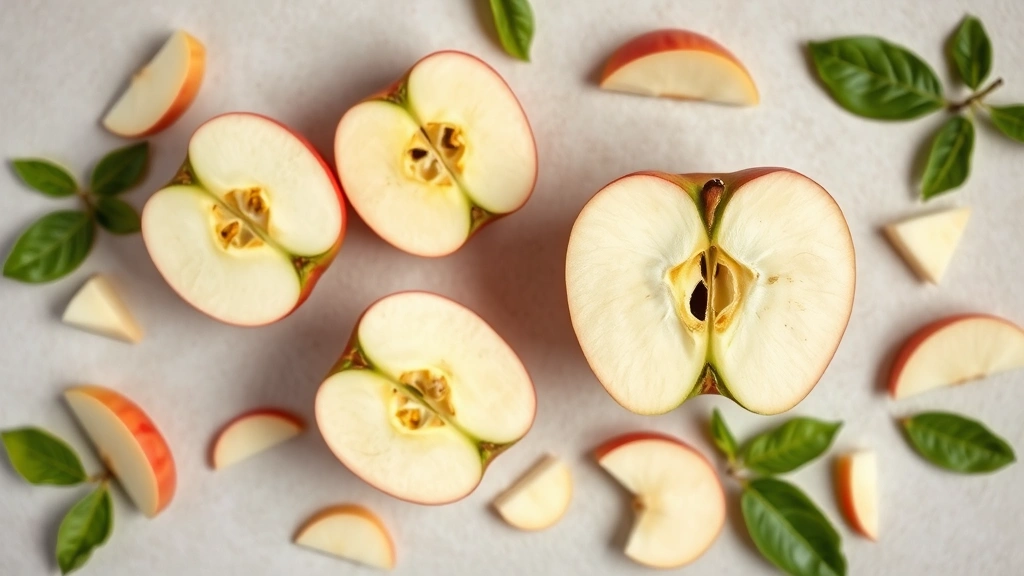
The distinctive pink coloration of these apples signals the presence of anthocyanins, powerful flavonoid antioxidants responsible for their vibrant hue. According to research on functional foods and plant-based nutrition, anthocyanins demonstrate significant anti-inflammatory and antioxidant properties that combat cellular damage caused by free radicals. These compounds have been studied extensively for their potential roles in preventing chronic diseases including cancer, heart disease, and neurodegenerative conditions.
Quercetin, another prominent phytonutrient in Pink Lady apples, functions as a natural antihistamine and anti-inflammatory agent. This flavonoid may help reduce allergy symptoms, support immune response, and protect against age-related cognitive decline. The combination of quercetin and other polyphenols creates a synergistic antioxidant effect that exceeds what any single compound could achieve independently.
Chlorogenic acid, a phenolic compound abundant in apple skin, demonstrates antimicrobial properties and may support healthy gut bacteria populations. The peel of Pink Lady apples contains the highest concentration of these beneficial phytonutrients, making it advisable to consume apples with skin intact when possible. Research published in nutritional biochemistry journals indicates that the antioxidant capacity of a Pink Lady apple rivals that of many pharmaceutical antioxidant supplements, though derived entirely from natural sources.
Digestive Health Benefits
Pink Lady apples serve as excellent sources of dietary fiber, particularly pectin, a soluble fiber that promotes digestive health and nutrient absorption. The approximately 4 grams of fiber in a medium apple contributes significantly to daily recommended intake, supporting healthy bowel regularity and microbial diversity in the gut microbiome. When exploring the importance of dietary fiber for your health, nutritionists consistently highlight apples as exemplary whole-food fiber sources.
Pectin acts as a prebiotic, feeding beneficial bacteria in the colon and promoting the production of short-chain fatty acids essential for colonic health. These fatty acids strengthen the intestinal barrier, reduce inflammation, and may prevent conditions like irritable bowel syndrome and inflammatory bowel disease. Additionally, the soluble fiber in Pink Lady apples slows gastric emptying, promoting prolonged satiety and stable blood glucose levels throughout the day.
The natural acids present in Pink Lady apples—including malic acid—stimulate digestive enzyme production and support the breakdown of food particles. This enzymatic activity facilitates nutrient extraction and absorption, maximizing the bioavailability of vitamins and minerals from consumed foods. For individuals experiencing digestive sluggishness, incorporating Pink Lady apples into morning routines can stimulate digestive processes and promote healthy elimination patterns. For additional guidance, consult our resources on how to improve digestion.
Heart Health and Cardiovascular Support
Cardiovascular disease remains the leading cause of mortality globally, making dietary interventions crucial for prevention and management. Pink Lady apples contain compounds that directly support heart health through multiple mechanisms. The soluble fiber pectin helps reduce low-density lipoprotein (LDL) cholesterol—the “bad” cholesterol implicated in atherosclerosis development. Studies show that daily apple consumption correlates with 3-5 percent reductions in LDL cholesterol levels over several weeks.
The potassium content in Pink Lady apples supports healthy blood pressure regulation by counteracting sodium’s hypertensive effects and promoting vasodilation. High blood pressure represents a major cardiovascular risk factor, and potassium-rich foods like apples provide a natural, whole-food approach to blood pressure management. The polyphenols and anthocyanins in Pink Lady apples demonstrate anti-inflammatory effects that reduce arterial inflammation, a fundamental process underlying atherosclerotic plaque formation.
Research from cardiovascular health organizations indicates that individuals consuming apples three or more times weekly experience significantly lower rates of heart disease, stroke, and related conditions compared to those consuming apples infrequently. The protective effects appear dose-dependent, with greater consumption correlating with enhanced cardiovascular benefits. Beyond direct physiological effects, the nutrient density of Pink Lady apples supports overall metabolic health and healthy weight maintenance, both crucial factors in cardiovascular disease prevention.
Weight Management and Satiety
Despite containing natural sugars, Pink Lady apples support healthy weight management through multiple mechanisms. The high water and fiber content promotes satiety—the sense of fullness that prevents excessive calorie consumption. When individuals consume Pink Lady apples before meals, they typically consume fewer total calories during subsequent eating occasions, demonstrating the appetite-suppressing effects of whole-food fiber sources.
The thermic effect of digesting apples—the calories burned during food breakdown—accounts for approximately 10 percent of the calories consumed from apples. This metabolic cost exceeds that of many processed snacks, making apples a more metabolically efficient food choice. Additionally, the natural sweetness of Pink Lady apples satisfies cravings for sugary foods without requiring added refined sugars that contribute to metabolic dysfunction and weight gain.
Research on satiety and weight loss demonstrates that individuals replacing calorie-dense snacks with whole apples experience greater weight loss compared to calorie-matched alternatives. The mechanical process of chewing whole apples signals satiety to the brain more effectively than consuming processed apple products like juice or sauce. For comprehensive guidance on weight management through nutrition, explore our healthy nutrition plan resources.
Blood Sugar Control and Diabetes Prevention
Pink Lady apples have a relatively low glycemic index (GI) of approximately 36, meaning they produce minimal rapid blood glucose elevations compared to high-GI foods. This characteristic makes them suitable for individuals with diabetes or prediabetes and those seeking to prevent metabolic dysfunction. The soluble fiber pectin slows sugar absorption in the small intestine, moderating postprandial glucose spikes that can damage blood vessels and promote insulin resistance over time.
The polyphenols in Pink Lady apples, particularly those concentrated in the skin, enhance insulin sensitivity and support healthy pancreatic beta cell function. Research published in metabolic health journals demonstrates that regular apple consumption reduces type 2 diabetes risk by approximately 23 percent compared to minimal apple consumption. The protective effects appear mediated through improvements in insulin signaling, enhanced glucose uptake by peripheral tissues, and reduced hepatic glucose production.
Individuals following low-carbohydrate or ketogenic dietary approaches often question apple appropriateness due to carbohydrate content. However, the net carbohydrate content—total carbohydrates minus fiber—of Pink Lady apples is approximately 21 grams, making them compatible with modified ketogenic approaches. The nutrient density and disease-preventing properties of Pink Lady apples suggest that moderate consumption supports metabolic health across diverse dietary frameworks.
Brain Health and Cognitive Function
Emerging research indicates that the polyphenols in Pink Lady apples support cognitive function and protect against age-related neurodegenerative diseases. Quercetin, the predominant flavonoid in apples, crosses the blood-brain barrier and exerts neuroprotective effects through antioxidant and anti-inflammatory mechanisms. Studies in animal models demonstrate that quercetin reduces amyloid-beta accumulation and tau phosphorylation—pathological hallmarks of Alzheimer’s disease—suggesting potential preventive benefits in humans.
The connection between nutrition and mental health increasingly emphasizes the role of antioxidant-rich foods in supporting cognitive resilience and emotional well-being. Pink Lady apples provide readily accessible sources of these neuroprotective compounds, making them an evidence-based dietary choice for individuals prioritizing brain health. The vitamin C content supports neurotransmitter synthesis, particularly dopamine and serotonin production, which regulate mood and motivation.
Acetylcholine, a neurotransmitter crucial for memory formation and learning, depends on adequate choline availability. While apples contain modest choline quantities, their consumption as part of a diverse diet ensures adequate micronutrient status supporting optimal cognitive function. Long-term studies demonstrate that individuals consuming apples regularly show slower rates of cognitive decline and lower dementia incidence compared to non-consumers, suggesting substantial protective effects across the lifespan.
Comparison with Other Apple Varieties
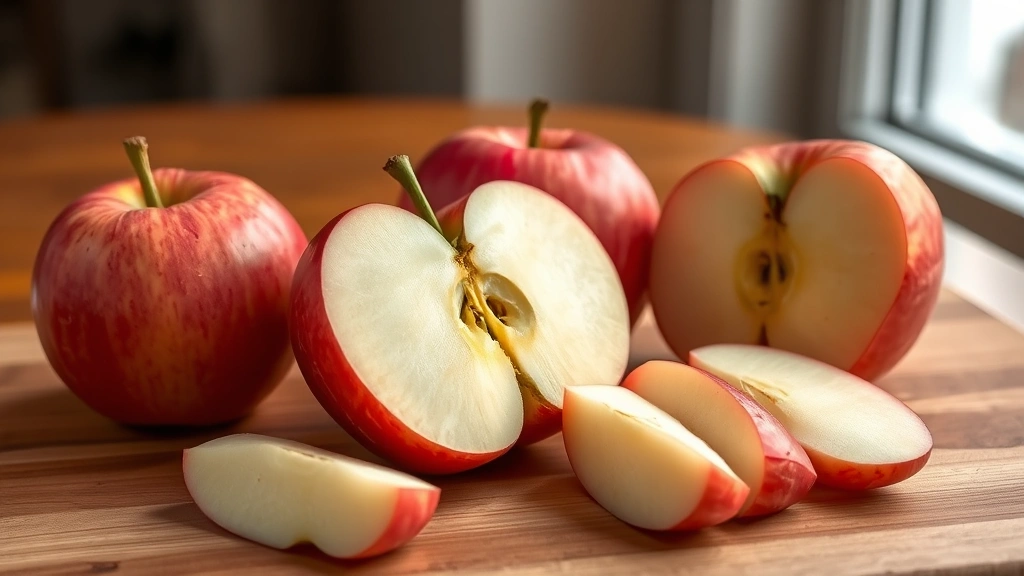
While all apple varieties offer nutritional benefits, Pink Lady apples distinguish themselves through specific advantages. Compared to Red Delicious apples, Pink Lady varieties contain higher anthocyanin concentrations, contributing to enhanced antioxidant capacity. Versus Granny Smith apples—known for tartness and lower sugar content—Pink Lady apples offer superior polyphenol diversity while maintaining a more palatable taste profile that encourages consistent consumption.
Honeycrisp apples, popular for their texture and sweetness, contain similar calorie and macronutrient profiles to Pink Lady apples but slightly lower fiber content. Fuji apples, from which Pink Lady varieties derive partial genetics, demonstrate comparable nutritional value but inferior polyphenol concentrations. Gala apples provide adequate nutrition but lack the distinctive anthocyanin profiles characteristic of Pink Lady varieties.
The specific hybrid genetics of Pink Lady apples, combining Gala and Fuji parentage, creates a unique nutritional synergy unavailable in parent varieties alone. The extended growing season required for Pink Lady cultivation allows enhanced phytonutrient accumulation, resulting in superior antioxidant capacity compared to many alternative varieties. When selecting nutritionally optimal foods at the Nutrients Pathway Blog, Pink Lady apples consistently rank among top-tier whole-food options.
How to Select and Store Pink Lady Apples
Selecting high-quality Pink Lady apples ensures optimal nutritional value and eating experience. Look for apples with deep pink coloration covering at least 75 percent of the surface—increased pigmentation indicates higher anthocyanin concentrations. The apple should feel firm when gently pressed, with no soft spots or bruising that might indicate internal decay or enzymatic breakdown reducing nutritional content.
Store Pink Lady apples in the refrigerator’s crisper drawer to maintain freshness and preserve nutrient integrity. The cool temperature slows enzymatic degradation of vitamins and phytonutrients while maintaining cellular structure and texture. Apples stored at room temperature deteriorate more rapidly, losing nutritional value and developing mealy textures. When properly refrigerated, Pink Lady apples remain fresh for 2-4 weeks, allowing extended consumption windows.
To maximize nutritional intake, consume apples with skin intact, as the peel contains the highest concentrations of beneficial phytonutrients. Rinse apples under cool running water before consumption to remove surface pesticide residues. For individuals concerned about pesticide exposure, consider purchasing organic Pink Lady apples, which undergo cultivation without synthetic pesticide application. Whether conventional or organic, the nutritional benefits of Pink Lady apples substantially outweigh any risks from pesticide residues present in conventional varieties.
FAQ
What is the exact nutritional content of a Pink Lady apple?
A medium Pink Lady apple (182 grams) contains approximately 95 calories, 25 grams carbohydrates, 4 grams fiber, 0.5 grams protein, 0.3 grams fat, 195 milligrams potassium, 8.4 milligrams vitamin C, and 5 micrograms vitamin K. Specific values vary slightly based on growing conditions, ripeness, and individual fruit size.
Are Pink Lady apples suitable for diabetic diets?
Yes, Pink Lady apples have a low glycemic index (36) and high fiber content, making them appropriate for diabetic meal plans. The soluble fiber slows glucose absorption, preventing rapid blood sugar elevations. Individuals with diabetes should consume whole apples rather than juice and pair apples with protein or healthy fats to further moderate glycemic response.
How do Pink Lady apples compare nutritionally to supplements?
Pink Lady apples provide whole-food sources of vitamins, minerals, and phytonutrients in bioavailable forms that supplements cannot replicate. The synergistic interactions between compounds in whole apples produce superior health effects compared to isolated nutrient supplements. Additionally, the fiber and water content of whole apples provides satiety and digestive benefits unavailable from supplement alternatives.
Can Pink Lady apple consumption prevent specific diseases?
While no food prevents disease with absolute certainty, consistent Pink Lady apple consumption correlates with reduced incidence of cardiovascular disease, type 2 diabetes, certain cancers, and neurodegenerative conditions. The polyphenol content supports disease prevention through antioxidant and anti-inflammatory mechanisms, though individual results depend on overall lifestyle factors and genetic predisposition.
What is the best time to eat Pink Lady apples?
Pink Lady apples can be consumed at any time, though eating them before meals promotes satiety and reduces subsequent calorie consumption. Morning consumption stimulates digestive processes, while afternoon consumption provides sustained energy and combats energy slumps. Evening consumption is appropriate for individuals without sleep disturbances, as the natural sugars and carbohydrates may interfere with sleep in sensitive individuals.
Are organic Pink Lady apples nutritionally superior to conventional varieties?
Organic and conventional Pink Lady apples demonstrate similar macronutrient and primary micronutrient profiles. Organic varieties avoid synthetic pesticide residues but may contain naturally occurring pesticides from organic-approved treatments. The nutritional benefits of consuming Pink Lady apples—organic or conventional—substantially exceed any theoretical risks from pesticide residues in conventional varieties.