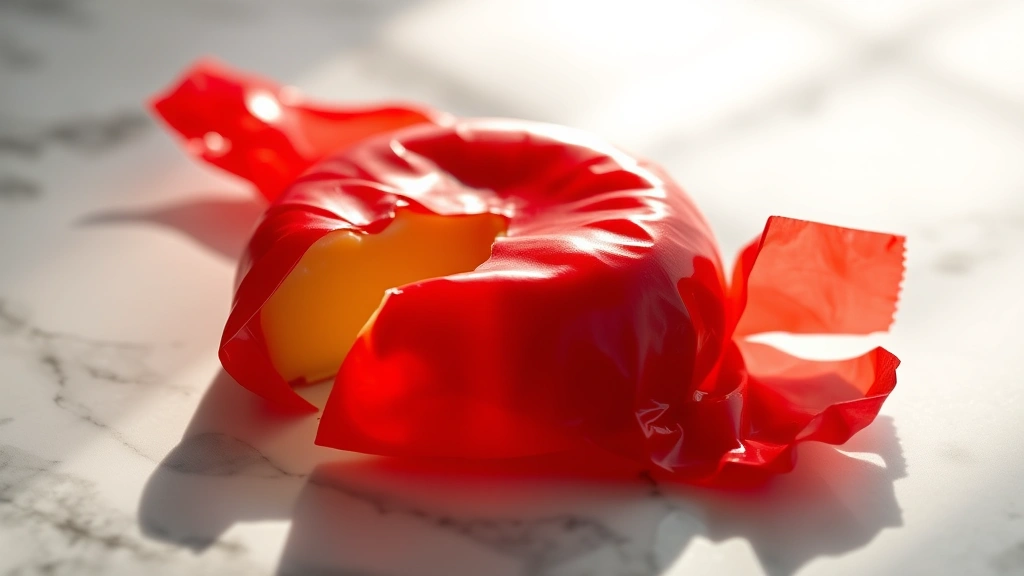
How Healthy is Babybel Cheese? Dietitian Insight
Babybel cheese has become a staple in lunchboxes, snack drawers, and convenience stores worldwide. These iconic red wax-wrapped rounds are marketed as portable, portion-controlled snacks—but are they actually a nutritious choice? As a dietitian-reviewed resource, this article examines the nutritional profile of Babybel cheese, its place in a balanced diet, and what health experts say about incorporating it into your eating habits. Whether you’re a parent seeking healthy snack options for children or an adult evaluating your own dietary choices, understanding the facts about Babybel nutrition is essential.
The popularity of Babybel stems from convenience and branding, but nutrition extends beyond marketing appeal. This comprehensive guide breaks down the macronutrients, micronutrients, and potential health considerations surrounding this widely consumed cheese product. By the end, you’ll have evidence-based insights to make informed decisions about whether Babybel fits your nutritional goals.
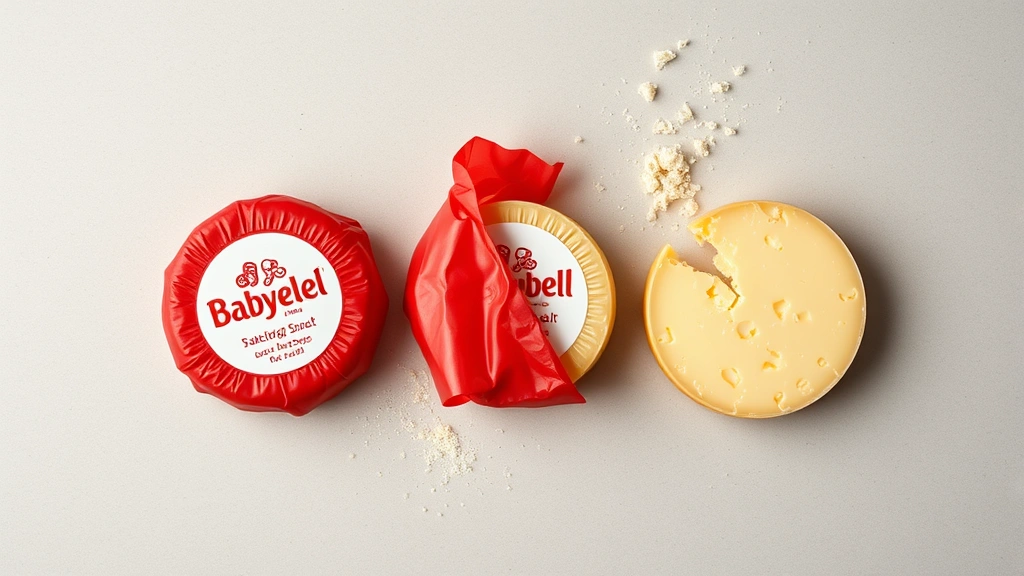
Nutritional Profile of Babybel Cheese
A single Babybel cheese round (approximately 20 grams or 0.7 ounces) contains roughly 70 calories, making it an intentionally portion-controlled snack. The nutritional breakdown per serving includes approximately 6 grams of protein, 5.5 grams of fat, and less than 1 gram of carbohydrates. This macronutrient distribution reflects its classification as a semi-soft cheese with moderate protein density.
The product contains minimal added ingredients beyond pasteurized milk, salt, cultures, and enzymes—the basic components of cheese production. Unlike heavily processed snack foods, Babybel maintains a relatively clean ingredient list, which appeals to consumers seeking less-complicated food products. However, the presence of salt and the processing method warrant examination for specific health considerations.
According to CDC dietary guidelines on dairy consumption, cheese can be part of a healthy diet when consumed in appropriate portions. Babybel’s pre-portioned format aligns with this recommendation, as it eliminates the temptation to over-serve.

Protein and Calcium Content
Protein is one of Babybel’s nutritional strengths. At 6 grams per serving, each round provides a meaningful protein contribution—particularly valuable for children whose growing bodies require adequate amino acids. This makes Babybel a legitimate option for post-workout snacking or afternoon hunger management when paired with whole grains or vegetables.
Calcium content is equally noteworthy. A single Babybel provides approximately 200 milligrams of calcium, representing roughly 20% of the daily recommended intake for adults and a significant percentage for children. This is particularly important given that bone health research emphasizes adequate calcium intake during childhood and adolescence for long-term skeletal development.
When examining your healthy nutrition plan: a guide to eating well for life, incorporating calcium-rich foods like cheese supports multiple physiological functions beyond bone health, including muscle contraction, nerve transmission, and cardiovascular regulation. Babybel’s bioavailable calcium makes it an efficient vehicle for meeting daily needs.
The combination of protein and calcium makes Babybel particularly suitable for individuals who struggle to meet their dairy requirements through other sources. For lactose-sensitive individuals, the aged cheese format means lactose content is minimal—typically less than 0.1 grams per serving—making it more tolerable than milk or yogurt for many people.
Sodium Levels and Heart Health
Where Babybel warrants scrutiny is sodium content. Each round contains approximately 160 milligrams of sodium, representing about 7% of the 2,300-milligram daily limit recommended by health authorities. While this single serving appears modest, sodium accumulation across multiple daily food choices becomes problematic for cardiovascular health.
The American Heart Association emphasizes that excess sodium contributes to hypertension, which affects nearly half of American adults. When Babybel is consumed alongside other processed foods—breads, processed meats, condiments—daily sodium intake rapidly exceeds recommended levels. Parents providing Babybel as a routine snack should monitor total dietary sodium from all sources.
For individuals with existing hypertension, sodium-sensitive conditions, or family histories of cardiovascular disease, consulting sodium guidelines from the American Heart Association becomes essential. Babybel can fit within heart-healthy diets, but not without awareness of cumulative sodium intake.
Research published in nutrition journals consistently demonstrates that cheese-based snacking patterns contribute meaningfully to daily sodium consumption. The convenient, grab-and-go nature of Babybel may encourage more frequent consumption than would occur with whole cheese blocks requiring preparation, potentially amplifying sodium intake inadvertently.
Saturated Fat Considerations
Babybel contains approximately 3.5 grams of saturated fat per serving—roughly 17% of the 20-gram daily limit recommended for a 2,000-calorie diet. This saturated fat content reflects its origin as a dairy product and represents a consideration for individuals managing cholesterol levels or cardiovascular risk.
The relationship between saturated fat and heart disease remains scientifically nuanced. While older dietary models advocated for strict saturated fat minimization, contemporary research from the Academy of Nutrition and Dietetics suggests that the type of saturated fat and overall dietary pattern matters significantly. Cheese-derived saturated fat differs metabolically from processed meat saturated fat, and the presence of bioactive compounds in cheese may offset some cardiovascular concerns.
However, individual tolerance varies. People with familial hypercholesterolemia, established cardiovascular disease, or elevated LDL cholesterol should approach Babybel consumption thoughtfully, potentially limiting intake to occasional use rather than daily snacking. For metabolically healthy individuals without lipid disorders, moderate Babybel consumption presents minimal cardiovascular risk when part of a diet rich in vegetables, whole grains, and plant-based proteins.
The key distinction involves context: Babybel as an occasional snack differs dramatically from Babybel as a daily habit when evaluating cumulative saturated fat exposure and overall dietary quality.
Babybel vs Other Cheese Options
Comparing Babybel to alternative cheese choices provides perspective on its relative healthfulness. String cheese, another popular portable option, contains similar calories and protein but often higher sodium levels. Hard cheeses like cheddar provide more concentrated nutrients but require portion discipline due to caloric density.
Fresh cheeses like mozzarella or feta offer lower sodium alternatives but may contain more moisture and less protein per serving. Cottage cheese and Greek yogurt provide superior protein density but lack the convenience factor and shelf-stability that make Babybel appealing in packed lunches.
When considering your nutrition facts about avocados and other whole foods, cheese represents a concentrated nutrient source requiring portion awareness. However, Babybel’s pre-portioned format actually provides advantages over bulk cheese options that invite over-consumption.
Nutritionally, Babybel occupies a middle ground: superior to highly processed cheese products like Cheez Whiz, comparable to many commercial cheese sticks, but offering less nutritional density than aged hard cheeses or fresh artisanal varieties. The trade-off involves convenience and portion control versus maximum nutrient concentration.
Portion Control and Serving Sizes
The deliberate portion-control design of Babybel represents a genuine nutritional advantage in an environment where food oversizing has become normalized. A single round provides a discrete, identifiable serving that prevents the gradual consumption drift that occurs with unportioned foods.
For children, one Babybel round represents an appropriate snack serving that satisfies hunger without exceeding caloric needs. For adults, one to two rounds as part of a balanced snack—perhaps with whole grain crackers and vegetables—provides protein and satiety without excessive caloric or sodium burden.
The wax wrapper serves functional purposes beyond marketing: it provides a barrier against contamination, extends shelf life without refrigeration during transport, and creates a visible boundary signaling portion completion. This psychological component of eating aids portion awareness, which research identifies as crucial for weight management.
However, the convenience of multiple rounds in a package can encourage consumption of multiple servings in a single sitting. A parent purchasing a box containing many individual rounds should establish clear guidelines about daily consumption limits rather than leaving intake decisions to appetite alone.
Best Practices for Inclusion
For those choosing to include Babybel in their diet, strategic incorporation optimizes nutritional benefits while minimizing drawbacks. Pairing Babybel with fiber-rich foods—whole grain crackers, vegetables, or fruits—creates more balanced snacks that stabilize blood sugar and extend satiety compared to cheese alone.
Timing matters: consuming Babybel as a post-workout snack within 30-60 minutes after exercise capitalizes on its protein content for muscle recovery. Afternoon snacking prevents evening overeating that often results from accumulated hunger. Strategic placement in lunchboxes ensures consumption rather than waste.
For individuals managing sodium intake, limiting Babybel to 3-4 servings weekly rather than daily consumption maintains nutritional benefits while controlling sodium accumulation. This approach works particularly well for people with hypertension or cardiovascular concerns who want cheese’s nutritional contributions without excessive sodium exposure.
Understanding nutrition and mental health: how your diet impacts your brain reveals that snacking patterns influence cognitive function and mood regulation. Stable blood sugar from balanced snacks containing protein and fat supports mental clarity, making Babybel’s protein content valuable beyond basic nutrition.
Storage and food safety matter: Babybel’s shelf stability is genuine, but once unwrapped, it should be consumed promptly or refrigerated. The wax coating prevents spoilage during room-temperature transport, but doesn’t justify leaving opened cheese at room temperature for extended periods.
FAQ
Is Babybel cheese considered healthy?
Babybel occupies a middle ground nutritionally. It provides meaningful protein and calcium with reasonable caloric density, but contains elevated sodium and saturated fat. For most people, occasional to moderate consumption fits within healthy eating patterns. Individuals with specific health conditions should consider their personal dietary guidelines before making it a routine choice.
How many Babybels can I eat daily?
For most healthy adults, 1-2 Babybels daily presents no nutritional concern. Children can typically consume one per day without issues. People managing sodium or saturated fat intake should limit consumption to 3-4 servings weekly. Individual tolerance depends on overall dietary patterns and health status.
Does Babybel contain lactose?
Babybel contains minimal lactose—typically less than 0.1 grams per serving. Most lactose-intolerant individuals tolerate it well due to the aging process that breaks down lactose. However, people with severe dairy allergies or casein sensitivity should avoid it entirely.
Is Babybel better than other cheese snacks?
Babybel compares favorably to many commercial cheese products due to simple ingredients and reasonable nutrition. However, whole cheese or artisanal options may offer superior nutrient density. The primary Babybel advantage involves portion control and convenience rather than superior nutritional composition.
Can children eat Babybel regularly?
Yes, Babybel is appropriate for children as regular snacks. The combination of protein and calcium supports growth and development. One round daily fits comfortably within children’s nutritional needs. Monitor total sodium intake from all sources, particularly for younger children.
Does Babybel contribute to weight gain?
At 70 calories per round, Babybel itself is not inherently weight-promoting. Weight changes result from total caloric balance across all foods. Babybel’s protein content actually supports satiety, potentially aiding weight management when used strategically. Pairing with whole foods maximizes satiety benefit.
What’s the shelf life of unwrapped Babybel?
Unwrapped Babybel should be consumed within 2-3 hours at room temperature or refrigerated for up to one week. The wax coating’s protection ends upon opening. Proper storage maintains food safety and prevents spoilage.
Disclaimer: This article provides nutritional information for educational purposes. Individual dietary needs vary based on health status, medications, and personal circumstances. Consult healthcare providers or registered dietitians for personalized nutrition guidance, particularly if managing chronic health conditions.


