Bean Sprouts Benefits: Dietitian Insights on Nutritional Power
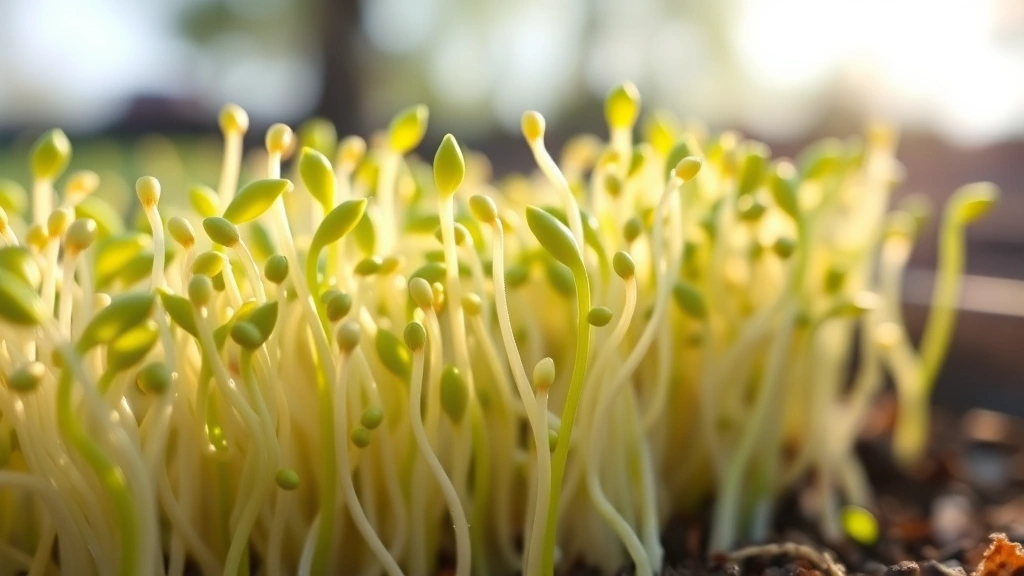
Bean sprouts have emerged as a nutritional powerhouse in modern wellness conversations, yet many people remain unaware of their remarkable health benefits. These delicate, tender shoots represent one of nature’s most concentrated sources of bioavailable nutrients, packed into a humble vegetable that transforms from dormant seeds through the sprouting process. Dietitians increasingly recommend bean sprouts as a cornerstone ingredient for those seeking to optimize their nutritional intake without consuming large quantities of food.
The sprouting process itself acts as a biological amplifier, dramatically increasing nutrient density and making minerals and vitamins more accessible to human digestion. When a bean germinates, enzyme activity accelerates, breaking down complex compounds into simpler, more absorbable forms. This natural transformation explains why sprouted beans deliver substantially more nutritional value than their non-sprouted counterparts, making them an efficient choice for health-conscious individuals navigating modern dietary challenges.
Nutritional Composition and Bioavailability
Bean sprouts nutritional profiles demonstrate remarkable density when compared to mature beans. During sprouting, phytic acid—a compound that inhibits mineral absorption—decreases substantially, allowing your body to access previously bound nutrients. This process, known as improving nutrient absorption, occurs naturally without any intervention, making sprouts exceptional for those concerned with nutrient bioavailability.
A single cup of raw mung bean sprouts contains approximately 31 calories, 3.2 grams of protein, 2.2 grams of carbohydrates, and minimal fat. However, these macronutrient figures tell only part of the story. The micronutrient density becomes apparent when examining the vitamin and mineral content relative to caloric intake. This exceptional nutrient-to-calorie ratio makes bean sprouts particularly valuable for individuals following healthy nutrition plans designed to maximize wellness outcomes.
Research from the National Institutes of Health demonstrates that sprouting increases enzyme activity by up to 300 percent, facilitating superior nutrient utilization. The germination process activates dormant enzymes that break down anti-nutrients, rendering previously unavailable minerals like iron, zinc, and magnesium more readily absorbed by intestinal tissues. Dietitians recognize this transformation as a fundamental advantage of incorporating sprouts into regular dietary patterns.
Key Vitamins and Minerals in Bean Sprouts
Bean sprouts concentrate several essential vitamins critical for metabolic function and cellular health. Vitamin C content increases dramatically during sprouting, with some varieties showing increases exceeding 400 percent compared to unsprouted seeds. This powerful antioxidant supports immune function, collagen synthesis, and protects cellular structures from oxidative damage.
Folate, a B-vitamin essential for DNA synthesis and cellular division, reaches impressive concentrations in sprouted legumes. Pregnant women and those planning conception benefit particularly from regular sprout consumption, as adequate folate intake reduces neural tube defect risks. Vitamin K, crucial for bone mineralization and blood coagulation, appears in substantial quantities, supporting skeletal health and cardiovascular function.
The mineral profile includes iron, manganese, phosphorus, and potassium in bioavailable forms. Iron content proves particularly significant for vegetarians and vegans seeking plant-based sources of this oxygen-transport mineral. The reduced phytic acid content means sprout-derived iron absorption surpasses that of unsprouted legumes considerably. Magnesium, often deficient in modern diets, supports muscle function, energy production, and nervous system regulation, with sprouts providing meaningful quantities in minimal volume.
Calcium bioavailability improves substantially in sprouted beans due to reduced oxalic acid levels. This makes sprouts an excellent choice for those seeking plant-based calcium sources as part of comprehensive athletic nutrition strategies supporting bone density and muscular function.
Protein Content and Amino Acid Profiles
Bean sprouts deliver complete protein containing all nine essential amino acids, making them particularly valuable for plant-based athletes and individuals reducing animal product consumption. The sprouting process increases amino acid availability and improves the protein efficiency ratio—the measure of how effectively dietary protein converts to body tissue.
Leucine, an amino acid triggering muscle protein synthesis, appears in elevated concentrations following germination. This makes sprouted beans especially relevant for athletes optimizing performance through diet, as leucine-rich protein sources support recovery and adaptation following resistance training. The combination of complete protein with digestive enzymes creates an ideal scenario for muscle protein synthesis and tissue repair.
Arginine and citrulline, amino acids supporting vascular function and nitric oxide production, increase substantially during sprouting. These compounds contribute to improved blood flow, enhanced oxygen delivery to tissues, and superior cardiovascular function. Dietitians increasingly recommend sprouts to clients seeking natural approaches to vascular health optimization.
The protein quality improves not merely through increased quantity but through enhanced digestibility. Sprouting reduces protease inhibitors—compounds that interfere with protein digestion—allowing your body to extract maximum amino acid value from each serving. This efficiency means smaller portions of sprouts deliver nutritional benefits comparable to larger quantities of unsprouted legumes.
Digestive Health and Fiber Benefits
Bean sprouts nutritional content includes substantial dietary fiber, supporting digestive health through multiple mechanisms. The soluble fiber fraction ferments in the colon, producing short-chain fatty acids that nourish intestinal epithelial cells and support beneficial microbiota populations. This prebiotic effect strengthens gut barrier function and enhances immune tolerance.
Insoluble fiber promotes intestinal motility and supports regular elimination, addressing constipation and promoting consistent bowel function. The combination of soluble and insoluble fiber creates a synergistic effect supporting comprehensive digestive health. Unlike some high-fiber foods that provoke bloating or digestive distress, sprouts’ reduced anti-nutrient content and enhanced enzyme activity facilitate comfortable digestion even for sensitive individuals.
Understanding the importance of dietary fiber for your health reveals why sprouts deserve prominent positioning in wellness-focused dietary patterns. Adequate fiber intake supports healthy cholesterol levels, stable blood glucose regulation, and optimal body weight maintenance. The digestive enzymes activated during sprouting work synergistically with dietary fiber to maximize nutritional extraction and minimize digestive burden.
Resistant starch, a carbohydrate fraction that resists digestion in the small intestine and reaches the colon intact, increases during sprouting. This compounds functions similarly to fiber, feeding beneficial bacteria and supporting metabolic health through improved insulin sensitivity and reduced postprandial glucose spikes.

Antioxidant and Anti-Inflammatory Properties
Bean sprouts contain phenolic compounds, flavonoids, and isoflavones—phytonutrients with potent antioxidant and anti-inflammatory activities. These plant chemicals neutralize free radicals, unstable molecules that damage cellular structures and accelerate aging processes. Research from Molecules journal demonstrates that sprouting increases total phenolic content by approximately 20-30 percent in most legume varieties.
Chronic inflammation underlies numerous degenerative conditions including cardiovascular disease, type 2 diabetes, and neurodegenerative disorders. Bean sprouts’ anti-inflammatory compounds suppress pro-inflammatory cytokines and reduce systemic inflammation markers. Dietitians recommend regular sprout consumption to clients managing inflammatory conditions or seeking preventive health strategies.
Isoflavones, particularly abundant in soy and mung bean sprouts, demonstrate estrogenic activity supporting hormonal balance. These compounds may reduce hot flash frequency in menopausal women and support bone density maintenance during life transitions involving hormonal fluctuation. The bioavailability of isoflavones increases substantially during sprouting, making sprouts more effective than unsprouted sources.
Vitamin E and selenium work synergistically as antioxidant cofactors, protecting cellular membranes from lipid peroxidation and supporting immune function. Bean sprouts deliver both nutrients in meaningful quantities, contributing to comprehensive antioxidant defense systems. This protection extends cellular lifespan and supports healthy aging processes at the molecular level.
Weight Management and Metabolic Support
Bean sprouts support healthy weight management through multiple physiological mechanisms. The high protein-to-calorie ratio promotes satiety, reducing overall caloric intake without inducing hunger or deprivation sensations. Protein requires substantial energy for digestion, absorption, and metabolism—a phenomenon called the thermic effect of food—meaning sprout consumption literally burns calories during nutrient processing.
The fiber content slows gastric emptying, maintaining stable blood glucose levels and preventing rapid hunger onset following meals. This metabolic stability reduces snacking impulses and supports adherence to sustainable dietary patterns. Unlike restrictive diets triggering metabolic adaptation and rebound weight gain, sprout-rich approaches support gradual, sustainable body composition improvements.
Manganese, enriched in sprouted beans, supports carbohydrate metabolism and thyroid function. Proper thyroid function maintains metabolic rate, preventing the metabolic slowdown often accompanying caloric restriction. Chromium, another micronutrient present in sprouts, enhances insulin signaling and may reduce cravings for refined carbohydrates through improved blood glucose stability.
Research suggests that sprouted legume consumption improves adiponectin levels—a hormone promoting insulin sensitivity and metabolic flexibility. Individuals consuming sprouts regularly demonstrate improved ability to shift between carbohydrate and fat metabolism, supporting energy utilization and preventing excessive fat storage. This metabolic adaptability proves particularly valuable during aging when metabolic rate naturally declines.
Practical Incorporation Strategies
Incorporating bean sprouts nutritional benefits into daily eating patterns requires minimal effort when armed with practical strategies. Fresh sprouts add exceptional textural contrast and nutritional density to salads, wraps, and grain bowls without requiring cooking. Their mild flavor complements virtually any cuisine, from Asian stir-fries to Mediterranean mezze plates.
Stir-frying sprouts briefly—30 to 60 seconds maximum—preserves enzyme activity and heat-sensitive vitamins while reducing foodborne pathogen risks. Light sautéing with garlic and sesame oil creates a simple side dish delivering complete nutrition in minimal preparation time. Soups and broths benefit from sprout addition immediately before serving, maintaining nutritional integrity.
Sprouting at home costs pennies per serving while guaranteeing freshness and eliminating transportation-related nutrient degradation. Simple glass jar methods require only seeds, water, and daily rinsing. Within 3-7 days depending on variety and temperature, homegrown sprouts deliver superior nutritional value compared to store-purchased alternatives. This accessibility democratizes access to elite nutrition regardless of geographic location or economic circumstances.
Blending sprouts into smoothies, soups, and sauces distributes their nutrients throughout meals while disguising texture for those preferring traditional food forms. Ground sprouted bean powder adds nutritional density to baked goods, pancakes, and energy balls. These creative applications ensure regular consumption without monotony or palatability concerns.
Visiting the Nutrients Pathway Blog provides additional recipe inspiration and nutritional guidance for optimizing sprout consumption patterns. Combining sprouts with complementary foods like nutrition facts about avocados creates synergistic nutritional profiles maximizing bioavailability and health outcomes.
Safety Considerations and Best Practices
While bean sprouts deliver exceptional nutritional benefits, proper food safety practices prevent foodborne illness risks. Raw sprouts occasionally harbor pathogenic bacteria including E. coli and Salmonella due to warm, moist sprouting environments. Purchasing from reputable suppliers maintaining rigorous sanitation protocols minimizes contamination risks substantially.
Immunocompromised individuals, pregnant women, young children, and elderly persons should consume only heat-treated sprouts due to heightened infection vulnerability. Brief heating to 160°F (71°C) eliminates pathogenic bacteria while preserving most heat-stable nutrients. Cooking sprouts briefly—just until heated through—provides safety reassurance without substantial nutritional compromise.
Home sprouters must maintain meticulous sanitation, using clean containers, fresh water, and quality seeds from reputable sources. Rinsing sprouts multiple times daily removes accumulated bacteria and prevents mold development. Discarding any sprouts exhibiting unusual odors, discoloration, or slime indicates potential contamination warranting disposal.
Certain individuals experience digestive sensitivity to raw sprouts due to their enzyme content and fiber density. Cooking, fermenting, or consuming smaller initial portions allows digestive adaptation. Starting with modest quantities and gradually increasing intake prevents bloating and digestive distress while allowing microbiota populations to adapt.
Individuals taking anticoagulant medications should consult healthcare providers regarding sprout consumption due to vitamin K content. Consistent intake maintains medication efficacy, but sudden increases may interfere with anticoagulant effectiveness. Professional guidance ensures safe integration within existing medication regimens.
FAQ
What makes sprouted beans more nutritious than unsprouted varieties?
Sprouting activates enzyme systems that break down anti-nutrients like phytic acid and tannins, increasing mineral bioavailability substantially. The germination process also increases vitamin C production by 400+ percent, activates amino acids, and enhances digestive enzyme activity. This biological transformation concentrates nutrients into a more accessible form, making sprouted beans deliver superior nutritional value per serving compared to their unsprouted counterparts.
How should I store fresh bean sprouts to maintain nutritional quality?
Store fresh sprouts in sealed containers or plastic bags within refrigerator crisper drawers at 32-41°F (0-5°C). Maintain moisture without promoting bacterial growth by placing paper towels to absorb excess water. Properly stored sprouts remain fresh and nutritionally optimal for 3-5 days. Consume as soon as possible after purchase for maximum enzyme activity and nutrient density.
Can bean sprouts support weight loss goals?
Yes, bean sprouts support weight management through high protein-to-calorie ratios promoting satiety, fiber content stabilizing blood glucose, and thermogenic effects requiring energy for nutrient processing. Their nutrient density allows satisfaction with smaller portions while providing comprehensive micronutrient support preventing deficiency-related metabolic complications. Combining sprouts with whole grains and healthy fats creates balanced meals supporting sustainable weight reduction.
Are there specific bean varieties superior for sprouting?
Mung beans, lentils, chickpeas, and adzuki beans offer excellent sprouting characteristics and nutritional profiles. Mung bean sprouts provide exceptional vitamin C and enzyme activity. Lentil sprouts offer superior protein content and polyphenol concentrations. Chickpea sprouts deliver higher fat content supporting hormone production. Experimentation reveals personal preferences, though all varieties deliver substantial nutritional benefits when properly sprouted.
How do I know if homegrown sprouts are ready for consumption?
Sprouts reach optimal consumption stage when developing small white root hairs and green shoots approximately 1-2 inches in length, typically within 3-7 days depending on variety and temperature. At this stage, nutrient density peaks while digestibility remains optimal. Harvest sprouts promptly once reaching desired length, refrigerating immediately to halt further growth and preserve nutritional integrity.
Can bean sprouts help with digestive issues?
Bean sprouts’ reduced anti-nutrient content, abundant enzymes, and prebiotic fiber make them gentler on digestion than unsprouted legumes. The active enzymes facilitate nutrient extraction while minimizing digestive burden. However, individuals with sensitive digestion should introduce sprouts gradually in cooked form initially, allowing digestive adaptation before consuming raw varieties in larger quantities.