Boneless Chicken Breast: Comprehensive Dietitian Nutrition Facts & Health Benefits
Boneless chicken breast stands as one of the most nutritionally dense and versatile protein sources available to health-conscious consumers. Whether you’re an athlete optimizing performance, someone following a structured nutrition plan, or simply seeking lean protein options, understanding the complete nutritional profile of boneless chicken breast is essential for making informed dietary choices. This comprehensive guide breaks down the science-backed nutrition data that dietitians consistently recommend.
The popularity of boneless chicken breast extends beyond its culinary convenience—it represents an optimal balance of high protein content, minimal fat, and essential micronutrients that support various health objectives. From muscle development to metabolic function, this poultry product delivers measurable nutritional benefits backed by extensive research in sports nutrition and dietetics.
Core Nutrition Basics: What You Need to Know
A standard 3.5-ounce (100-gram) serving of skinless, boneless chicken breast contains approximately 165 calories, making it an exceptionally calorie-efficient protein source. This modest caloric load combined with substantial protein content creates an ideal ratio for individuals managing weight while maintaining lean muscle mass. The USDA nutritional database confirms these values remain consistent across most commercial and farm-raised varieties when prepared without added fats or oils.
The foundation of boneless chicken breast nutrition rests on its impressive protein density. Each 100-gram serving delivers roughly 31 grams of complete protein, containing all nine essential amino acids required for optimal human physiology. This complete amino acid profile distinguishes chicken breast from many plant-based alternatives, making it particularly valuable for those following athletic nutrition protocols requiring rapid muscle recovery.
Fat content in boneless chicken breast remains remarkably low at approximately 3.6 grams per 100-gram serving, with the majority consisting of unsaturated fatty acids. This minimal fat content, combined with zero carbohydrate content, positions chicken breast as a preferred option for ketogenic diets, low-carbohydrate plans, and anyone prioritizing cardiovascular health through dietary lipid management.
Detailed Macronutrient Breakdown: Understanding the Numbers
Protein Content and Amino Acid Composition
The protein in boneless chicken breast comprises approximately 62% of its dry weight, an exceptionally high concentration that supports virtually every physiological process. Beyond simple protein quantity, the amino acid profile merits detailed examination. Leucine, the primary branched-chain amino acid (BCAA) responsible for triggering muscle protein synthesis, comprises roughly 2.8 grams per 100-gram serving. This concentration proves particularly significant for individuals engaged in resistance training seeking to optimize nutrient absorption and muscle hypertrophy.
Methionine and cysteine, sulfur-containing amino acids essential for collagen synthesis and antioxidant production, appear in meaningful quantities. These amino acids support joint health, skin integrity, and glutathione production—the body’s master antioxidant compound. Lysine, crucial for calcium absorption and immune function, represents another significant constituent of chicken breast’s amino acid profile.
Fat Profile and Fatty Acid Distribution
The 3.6 grams of total fat per 100 grams breaks down into approximately 1.1 grams of saturated fat, 1.3 grams of monounsaturated fat, and 0.8 grams of polyunsaturated fat. This favorable distribution supports cardiovascular health while providing essential fatty acids required for hormone production and cellular membrane integrity. The ratio of unsaturated to saturated fat (roughly 2.2:1) aligns with nutritional recommendations from the American Heart Association and aligns with Mediterranean dietary patterns.
Carbohydrate Content
Boneless chicken breast contains zero grams of carbohydrates in its natural state, making it an exceptionally compatible protein source for carbohydrate-restricted dietary approaches. This carbohydrate-free nature allows for flexible meal planning where carbohydrate intake can be controlled through strategic vegetable and grain selections rather than protein sources.
Essential Micronutrients: The Hidden Nutritional Wealth
Beyond macronutrients, boneless chicken breast delivers an impressive array of vitamins and minerals that support metabolic function, energy production, and overall health resilience.
B Vitamin Complex
Chicken breast ranks among the richest dietary sources of B vitamins, particularly niacin (B3) and pantothenic acid (B5). A 100-gram serving provides approximately 45% of the daily recommended niacin intake, essential for DNA repair, energy metabolism, and cardiovascular function. Pantothenic acid content reaches approximately 20% of daily recommendations, supporting acetylcholine synthesis and stress hormone production. Vitamin B6 (pyridoxine) comprises roughly 30% of daily recommendations, facilitating amino acid metabolism and immune cell development. Vitamin B12 appears in moderate concentrations, supporting red blood cell formation and neurological function—particularly important for individuals following plant-forward diets supplemented with poultry.
Mineral Content
Selenium concentration in boneless chicken breast reaches approximately 35 micrograms per 100 grams, fulfilling roughly 65% of daily selenium requirements. This trace mineral functions as a critical cofactor for selenoprotein synthesis, supporting thyroid hormone metabolism and antioxidant defense systems. Phosphorus content provides approximately 25% of daily recommendations, working synergistically with calcium for bone mineralization and energy metabolism. Potassium appears in modest but meaningful quantities (around 220 milligrams per 100 grams), supporting electrolyte balance and cardiovascular function. Iron concentration, while less substantial than red meat sources, still contributes meaningfully to iron intake, particularly the highly bioavailable heme iron form.
Choline and Cognitive Function
Boneless chicken breast contains approximately 90 milligrams of choline per 100 grams, supporting acetylcholine synthesis and cellular membrane integrity. This neurotransmitter precursor proves particularly valuable for cognitive function and memory formation, making chicken breast a strategic dietary choice for brain health optimization.
Health Benefits Analysis: Evidence-Based Outcomes
The nutritional composition of boneless chicken breast translates into measurable health benefits supported by peer-reviewed research and clinical observation.
Muscle Development and Maintenance
The complete amino acid profile combined with high leucine concentration makes boneless chicken breast exceptionally effective for muscle protein synthesis stimulation. Research published in the Journal of the International Society of Sports Nutrition demonstrates that protein intake of 1.6-2.2 grams per kilogram of body weight, achievable through regular chicken breast consumption, optimizes muscle hypertrophy in resistance-trained individuals. The minimal caloric overhead allows for aggressive training volume without excessive energy surplus.
Weight Management Support
The high protein-to-calorie ratio creates substantial satiety effects through multiple mechanisms. Protein digestion requires approximately 20-30% of consumed calories for processing (thermic effect), meaning a 165-calorie chicken breast serving generates approximately 33-50 calories of processing energy. Additionally, protein triggers cholecystokinin (CCK) and glucagon-like peptide-1 (GLP-1) release, hormones signaling fullness to the hypothalamus. This combination supports sustained weight loss while preserving lean mass—a critical distinction from caloric restriction alone.
Metabolic Health and Glucose Regulation
The carbohydrate-free nature of boneless chicken breast prevents postprandial glucose spikes, maintaining stable insulin levels. This characteristic proves particularly valuable for individuals with prediabetes, type 2 diabetes, or metabolic syndrome. The protein content additionally enhances insulin sensitivity through amino acid signaling pathways, supporting long-term glucose homeostasis.
Cardiovascular Health Optimization
The favorable unsaturated-to-saturated fat ratio, combined with zero carbohydrate content and minimal caloric density, supports cardiovascular risk factor improvement. Research from the American Journal of Clinical Nutrition demonstrates that lean poultry consumption associates with improved lipid profiles, reduced inflammation markers, and lower cardiovascular event risk compared to red meat consumption.
Cooking Methods & Nutrient Impact: Preserving Nutritional Integrity
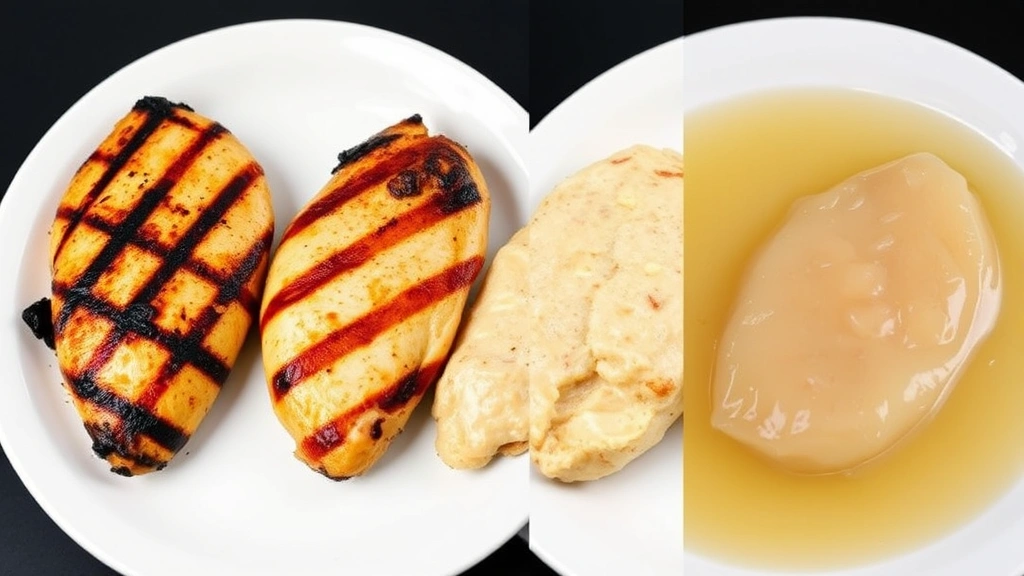
The preparation method significantly influences both nutrient retention and caloric content of boneless chicken breast.
Grilling and Broiling
These dry-heat cooking methods preserve micronutrient content effectively while allowing excess fat to drain away. Grilling at moderate temperatures (350-375°F) for 12-15 minutes maintains vitamin B complex integrity while developing beneficial compounds through the Maillard reaction. No added fats are required, maintaining the inherent low-calorie profile.
Baking and Roasting
Oven cooking at 375-400°F for 20-25 minutes preserves approximately 95% of B vitamins while allowing moisture retention that prevents excessive protein denaturation. Minimal added fat maintains caloric efficiency while enhancing palatability.
Poaching and Steaming
Gentle cooking methods maximize micronutrient retention, particularly heat-sensitive vitamins. Poaching in low-sodium broth or steaming over water preserves approximately 98% of B vitamins while preventing oxidative damage to unsaturated fatty acids. The resulting texture supports optimal protein digestion through thorough cooking without overcooking-induced damage.
Methods to Avoid
Deep frying dramatically increases caloric content (adding 300+ calories per serving) while oxidizing polyunsaturated fatty acids into harmful compounds. Pan-frying with excessive butter or oil similarly undermines the nutritional advantages of chicken breast’s inherent leanness. Charring at extremely high temperatures (>400°C) generates heterocyclic amines (HCAs) and polycyclic aromatic hydrocarbons (PAHs), potentially carcinogenic compounds warranting moderation.
Role in Athletic Performance: Fueling Training and Recovery
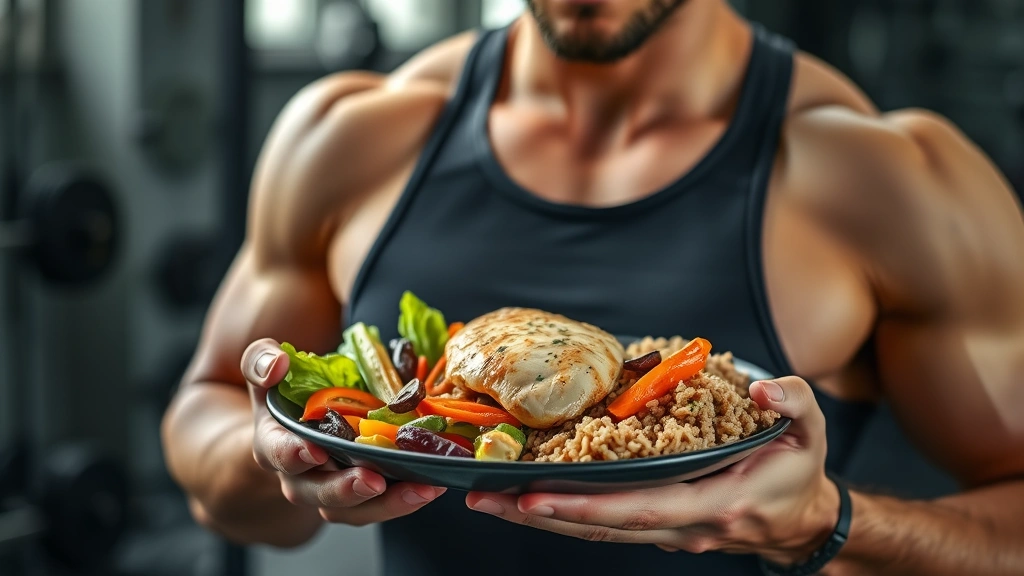
Boneless chicken breast functions as a cornerstone protein source for athletic populations, supporting training adaptations, recovery processes, and performance optimization. Athletes following structured programs typically benefit from consuming boneless chicken breast within 1-2 hours post-training, when muscle protein synthesis remains elevated and amino acid uptake peaks. The complete amino acid profile supports immediate repair processes while the minimal carbohydrate content allows strategic carbohydrate intake through dedicated sources like rice or sweet potatoes.
For endurance athletes, boneless chicken breast supports sustained training volume through protein provision without the digestive burden of heavier, fattier proteins. The niacin and B6 content supports aerobic energy metabolism, while selenium supports antioxidant defense against training-induced oxidative stress. Team sport athletes benefit from the leucine-rich profile supporting rapid muscle recovery between high-intensity efforts.
Research from the National Institutes of Health confirms that lean poultry consumption optimizes training adaptations in resistance-trained populations, with muscle protein synthesis rates increasing proportionally to dietary protein quality and leucine concentration.
Comparison with Other Proteins: Contextualizing Chicken Breast Value
Chicken Breast vs. Ground Beef
Ground beef (85/15 lean) contains roughly 217 calories and 15 grams of fat per 100 grams, compared to chicken breast’s 165 calories and 3.6 grams of fat. While beef provides superior iron and vitamin B12 concentration, chicken breast’s superior leanness and lower caloric density make it preferable for weight management contexts. Beef does offer higher creatine content, potentially benefiting strength athletes.
Chicken Breast vs. Fish and Seafood
Salmon provides omega-3 fatty acids (2.3 grams per 100 grams) absent from chicken breast, supporting inflammation management and cardiovascular health. However, salmon contains 208 calories per 100 grams, making chicken breast superior for calorie-restricted contexts. Lean whitefish (cod, tilapia) matches chicken’s caloric efficiency while providing less complete micronutrient profiles.
Chicken Breast vs. Plant-Based Proteins
Legumes and tofu provide valuable plant-based protein options but lack complete amino acid profiles and contain carbohydrates (15-20 grams per 100 grams cooked). Tempeh and seitan offer more complete profiles but typically contain more calories per gram of protein. Chicken breast remains superior for achieving high protein intake with minimal caloric or carbohydrate excess.
Visit the comprehensive nutrition facts about avocados resource to understand complementary nutrient-dense foods that pair excellently with chicken breast for balanced meal construction.
Selection and Storage Guidelines: Maximizing Freshness and Safety
Selection Criteria
Choose boneless, skinless chicken breasts with pale pink coloration and firm texture. Avoid packages with excessive liquid accumulation, indicating cellular breakdown and potential bacterial growth. Purchase from reputable sources with high product turnover, ensuring maximum freshness. Organic, pasture-raised chicken may offer marginally higher micronutrient content, though conventional chicken remains nutritionally excellent.
Storage Protocols
Refrigerate boneless chicken breast at 32-40°F for maximum 3-4 days post-purchase. Store in the coldest section of your refrigerator, typically the back of the bottom shelf, to maintain optimal temperature. Freezing extends shelf life to 9-12 months; thaw in refrigeration overnight rather than at room temperature to prevent bacterial proliferation. Proper storage maintains micronutrient integrity while ensuring food safety.
Handling Safety
Always use dedicated cutting boards for raw poultry, preventing cross-contamination with ready-to-eat foods. Wash hands, utensils, and surfaces thoroughly with hot soapy water after handling raw chicken. Cook boneless chicken breast to an internal temperature of 165°F (74°C), verified with a meat thermometer, ensuring pathogenic bacteria elimination while preventing excessive protein denaturation.
Explore our comprehensive nutrition blog for additional food safety guidelines and storage optimization strategies for various protein sources.
FAQ
How much protein does boneless chicken breast contain per serving?
A 3.5-ounce (100-gram) serving of boneless, skinless chicken breast contains approximately 31 grams of complete protein, representing roughly 62% of the serving’s total dry weight. This exceptionally high protein concentration supports muscle development, recovery, and metabolic function across diverse populations and training contexts.
Is boneless chicken breast suitable for ketogenic diets?
Yes, boneless chicken breast is an excellent ketogenic diet staple. With zero carbohydrates, minimal fat (3.6 grams per 100 grams), and high protein content, it supports ketosis maintenance while providing sustained satiety. The favorable nutrient density ensures micronutrient adequacy despite the restrictive carbohydrate framework typical of ketogenic approaches.
Does cooking method significantly affect chicken breast nutrition?
Cooking method impacts both micronutrient retention and caloric content. Gentle methods like poaching and steaming preserve approximately 95-98% of heat-sensitive B vitamins. Grilling and baking at moderate temperatures (350-400°F) balance preservation with palatability. Avoid deep frying and extreme charring, which increase calories and potentially generate harmful compounds.
How does boneless chicken breast compare nutritionally to chicken thighs?
Chicken thighs contain approximately 209 calories and 11 grams of fat per 100 grams, compared to breast’s 165 calories and 3.6 grams fat. Thighs offer superior iron, zinc, and B vitamin concentration but higher caloric density makes breast preferable for weight management. Both provide complete proteins and valuable micronutrients.
Can boneless chicken breast support weight loss?
Yes, boneless chicken breast effectively supports weight loss through multiple mechanisms. The high protein-to-calorie ratio creates substantial satiety effects, reducing overall caloric intake. Protein’s 20-30% thermic effect increases energy expenditure during digestion. The carbohydrate-free nature prevents blood sugar spikes and supports stable energy levels, reducing cravings and supporting adherence to caloric deficits.
What’s the ideal daily boneless chicken breast consumption?
Optimal consumption depends on individual goals and total dietary protein intake. Athletes typically target 1.6-2.2 grams protein per kilogram body weight daily; a 70-kilogram individual would require 112-154 grams protein, achievable through 3-5 servings of boneless chicken breast combined with other protein sources. General populations benefit from 0.8 grams protein per kilogram body weight, achievable through 1-2 daily servings combined with other protein sources.
Does boneless chicken breast contain beneficial omega-3 fatty acids?
Boneless chicken breast contains minimal omega-3 fatty acids (approximately 0.07 grams per 100 grams). While not a primary omega-3 source, it provides an excellent lean protein foundation for meals incorporating omega-3-rich foods like fatty fish, flaxseeds, or walnuts, supporting comprehensive micronutrient intake.
How does nutrient absorption work with boneless chicken breast?
Boneless chicken breast’s complete amino acid profile and high bioavailability support efficient nutrient absorption. Consuming chicken breast with vitamin C sources (citrus, peppers) enhances iron absorption, while pairing with fat sources improves fat-soluble vitamin absorption. Learn more about optimizing nutrient absorption strategies for maximum dietary benefit extraction.
Is boneless chicken breast appropriate for individuals managing mental health through nutrition?
Yes, boneless chicken breast supports mental health optimization through multiple pathways. The choline content (90 milligrams per 100 grams) supports acetylcholine synthesis and cognitive function. B vitamin content supports neurotransmitter production (serotonin, dopamine, GABA). Protein stabilizes blood glucose, supporting mood stability and energy consistency. Explore our comprehensive guide on nutrition and mental health connections for comprehensive dietary psychology insights.