Braum’s Menu: Dietitian’s Nutritional Review
Braum’s Ice Cream and Dairy Stores have been a regional staple across the Great Plains and Southwest since 1968, offering everything from fresh dairy products to quick-service meals. As a dietitian-reviewed resource, this comprehensive analysis examines the nutritional landscape of Braum’s menu offerings, helping consumers make informed dietary choices aligned with their health goals. Whether you’re seeking guidance on healthy nutrition plans or simply want to understand what you’re consuming, this review breaks down the science behind Braum’s most popular items.
Understanding fast-casual dining nutrition is increasingly important in our health-conscious society. Braum’s positions itself as a family-friendly establishment with a focus on fresh dairy, but like most quick-service restaurants, nutritional transparency and balanced options require careful navigation. This analysis examines caloric content, macronutrient distribution, sodium levels, and added sugars across their menu categories to help you make choices that support your wellness objectives.
Braum’s Breakfast Options: Starting Your Day Right
Breakfast sets the metabolic tone for your entire day, making menu selection critical. Braum’s breakfast offerings range from simple to indulgent, with options that can align with various dietary approaches. The breakfast burrito, a popular choice, typically contains approximately 450-550 calories depending on protein selection, with significant sodium levels reaching 800-1000mg per serving.
Their egg and cheese sandwiches provide a more moderate option, generally ranging from 350-420 calories with better macronutrient balance. The protein content hovers around 15-18 grams, while carbohydrates remain controlled at 30-35 grams. However, sodium content remains elevated, a consistent pattern across quick-service establishments. When examining breakfast items, understanding protein quality and nutritional data helps you evaluate whether Braum’s options meet your dietary specifications.
Biscuits and gravy, while comfort-food classics, present challenges for health-conscious diners. A single serving delivers 600+ calories with saturated fat comprising 25-30% of total calories—exceeding recommended daily limits in a single meal. The refined carbohydrate content offers minimal fiber, resulting in rapid blood sugar spikes without sustained satiety benefits.
For those seeking lighter options, Braum’s limited fresh fruit availability presents both opportunity and limitation. Fresh berries or fruit cups, when available, offer excellent nutritional value with minimal added sugars and abundant micronutrients including vitamin C and antioxidants. Pairing fruit selections with a protein component creates more balanced breakfast nutrition.

Sandwich and Entree Analysis
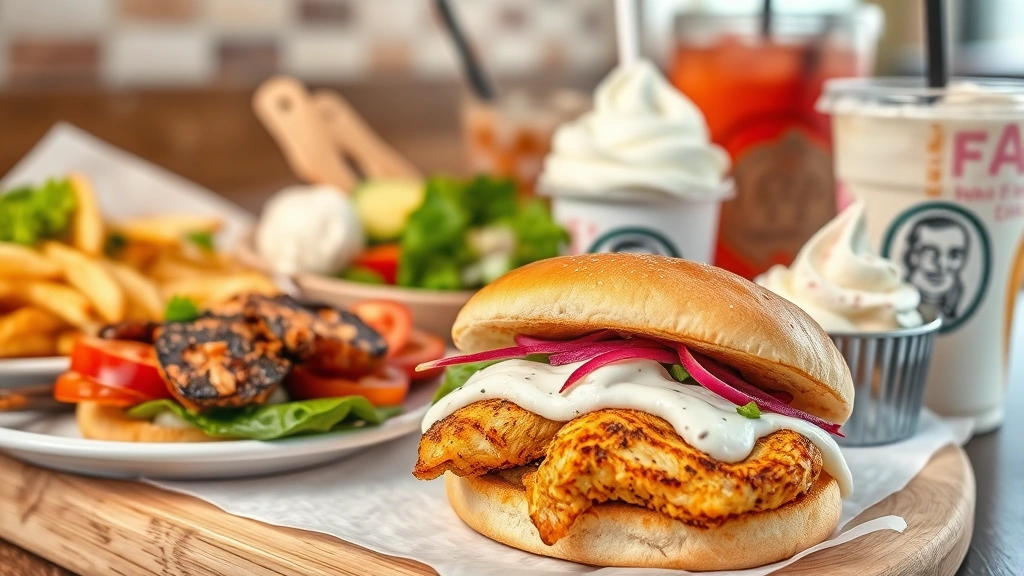
Braum’s sandwich offerings occupy the middle ground of quick-service nutrition complexity. Chicken sandwich options, particularly grilled varieties, provide superior nutritional profiles compared to fried alternatives. A grilled chicken sandwich typically contains 420-480 calories with 28-32 grams of protein, supporting muscle maintenance and satiety. The bread component contributes 40-45 grams of carbohydrates, though whole grain options remain limited.
Fish sandwiches, seasonally available, present interesting nutritional considerations. While fish provides omega-3 fatty acids beneficial for cardiovascular and cognitive health, breading and frying preparation methods substantially increase caloric and fat content. A typical fish sandwich delivers 520-600 calories with 25-28 grams of fat, of which 6-8 grams are saturated. The trade-off between fish’s nutritional benefits and preparation method warrants careful consideration.
Turkey-based sandwiches offer leaner protein alternatives, typically containing 380-430 calories with 26-30 grams of protein per serving. These options generally feature lower sodium than beef-based items, making them suitable for individuals monitoring sodium intake due to hypertension or other health conditions. Understanding how dietary choices impact overall health extends beyond simple calorie counting to consider specific nutrients affecting brain function and cardiovascular wellness.
Customization opportunities significantly impact nutritional outcomes. Removing mayo-based sauces can reduce calories by 100-150 and fat by 10-12 grams. Substituting regular cheese for reduced-fat varieties saves approximately 50-80 calories and 5-7 grams of fat. Adding lettuce, tomato, and onion increases micronutrient density without substantially increasing calories.
Nutritional Profile of Braum’s Burgers
Burger offerings represent Braum’s core menu category, with nutritional variance depending on patty size and toppings. A single-patty burger contains approximately 420-480 calories with 20-24 grams of protein. The beef patty provides important micronutrients including iron, zinc, and B vitamins essential for energy metabolism and immune function. However, saturated fat content typically ranges from 8-11 grams, representing 35-40% of total calories.
Double-patty burgers substantially increase nutritional density, delivering 620-720 calories with 35-40 grams of protein but also 16-20 grams of saturated fat. These options suit individuals with higher caloric needs, such as athletes or those engaged in substantial physical activity, but exceed recommended single-meal calorie intake for sedentary individuals.
Specialty burgers incorporating bacon, multiple cheeses, and premium toppings can exceed 800-900 calories per serving, with some options approaching 50 grams of fat. While these items provide satisfaction and enjoyment—important psychological components of sustainable eating—they represent occasional indulgences rather than regular menu selections for those pursuing weight management or cardiovascular health.
The bun contributes 200-250 calories and 35-40 grams of carbohydrates, predominantly from refined grains. Whole grain bun options, when available, provide superior nutritional value through increased fiber content supporting digestive health and sustained energy. Requesting bun substitution with lettuce wraps reduces carbohydrate intake by 30-35 grams while maintaining burger enjoyment.
Condiment selection significantly impacts nutritional profiles. Standard ketchup and mustard add minimal calories (15-20 combined), while mayo-based sauces contribute 100-150 calories and 10-12 grams of fat per serving. Requesting sauce on the side allows portion control, reducing caloric intake without eliminating flavor satisfaction.
Dairy and Frozen Treats: Sugar Content Breakdown
Braum’s ice cream and frozen yogurt selections represent the brand’s signature offerings, presenting significant nutritional complexity. A small vanilla ice cream serving (approximately 4 ounces) contains 150-180 calories with 6-8 grams of fat and 18-22 grams of added sugar. This single serving provides 36-44% of the American Heart Association’s recommended daily added sugar limit for women (25 grams) and 24-29% for men (36 grams).
Specialty ice cream flavors incorporating mix-ins, candies, or sauces substantially increase sugar content. A serving of ice cream with brownie chunks or cookie pieces can deliver 25-30 grams of added sugar, plus additional calories from the mix-in components. These items, while undeniably enjoyable, represent occasional treats rather than regular consumption choices for those managing weight or metabolic health.
Frozen yogurt options, often marketed as healthier alternatives, frequently contain similar sugar levels to ice cream due to added sugars compensating for reduced fat. A frozen yogurt serving may contain 150-170 calories with 20-25 grams of added sugar—comparable to ice cream alternatives despite perceived health positioning. Reading nutritional labels reveals that marketing claims and actual nutritional content sometimes diverge significantly.
Milkshakes present substantial nutritional challenges. A standard shake (16 ounces) contains 400-550 calories with 50-70 grams of added sugar—exceeding total daily recommended limits in a single beverage. These liquid calories fail to provide satiety comparable to solid food, making them nutritionally inefficient for caloric intake. For individuals with diabetes or prediabetes, milkshake consumption creates significant blood sugar management challenges.
Sorbet and sherbet options offer reduced-fat alternatives but maintain high sugar content. A sorbet serving delivers 100-130 calories almost entirely from sugar (22-28 grams), providing minimal nutritional value beyond taste enjoyment. These options suit occasional consumption but contribute little to daily nutritional objectives.
The brand’s fresh dairy products, including milk and yogurt, present superior nutritional profiles. Braum’s milk contains 8 grams of protein per cup with naturally occurring lactose (12 grams) rather than added sugars. Greek yogurt options provide 15-20 grams of protein with lower sugar content when unsweetened varieties are selected. These products align better with comprehensive nutritional approaches emphasizing whole foods and minimal processing.
Beverage Choices and Liquid Calories
Beverage selection dramatically impacts overall meal nutritional value. Braum’s soft drink options provide empty calories without nutritional benefit. A 32-ounce cola contains 350-400 calories with 85-95 grams of added sugar—nearly 3 times the recommended daily limit. Beyond caloric concerns, research from the Pew Research Center documents correlations between sugary beverage consumption and increased obesity risk, particularly among adolescents.
Diet sodas eliminate caloric and sugar content but introduce artificial sweeteners. Current research presents mixed evidence regarding artificial sweetener impacts on metabolic health and appetite regulation. Some studies suggest potential associations with altered gut bacteria and glucose metabolism, though causation remains unclear. For individuals seeking evidence-based choices, water represents the optimal beverage selection.
Coffee and tea beverages offer functional benefits including antioxidants and caffeine for mental alertness. However, Braum’s coffee preparation frequently involves substantial added cream and sugar. A flavored coffee beverage can contain 200-300 calories with 25-35 grams of added sugar. Requesting beverages with minimal added ingredients preserves health benefits while reducing caloric impact.
Lemonade and fruit punch beverages, despite fruit-based marketing, contain 180-220 calories per 16-ounce serving with 40-50 grams of added sugar. These beverages provide minimal nutritional value beyond carbohydrates, lacking the fiber, vitamins, and phytonutrients present in whole fruit consumption.
Milk-based beverages including chocolate milk contain 150-200 calories with 20-30 grams of sugar per serving. While milk provides calcium and protein, the added sugar content reduces nutritional efficiency. Unsweetened milk options provide superior nutritional value for individuals seeking calcium and protein without excessive sugar.
Building a Balanced Meal at Braum’s
Strategic menu navigation enables reasonably balanced meals aligned with health objectives. A sample balanced meal might include a grilled chicken sandwich (450 calories, 32g protein), a side salad with vinaigrette dressing (50-80 calories, 2g protein), and water or unsweetened tea (0 calories). This combination delivers approximately 500-530 calories with 34-36 grams of protein and maintains reasonable macronutrient distribution.
For individuals seeking higher caloric intake, adding a small ice cream serving (150 calories, 3g protein) creates a complete meal totaling approximately 650-680 calories—suitable for many individuals’ lunch requirements. The protein-to-calorie ratio remains reasonable, and the meal includes micronutrient diversity through vegetables and dairy.
Vegetarian options present moderate challenges at Braum’s. Cheese sandwiches provide protein through dairy but typically contain 500-600 calories with significant saturated fat. Egg-based sandwiches offer superior nutritional profiles with 15-18 grams of protein in 350-400 calories. Adding vegetable toppings increases micronutrient density and fiber content supporting digestive health.
Portion control strategies significantly impact nutritional outcomes. Requesting a child-size burger instead of regular reduces calories by 150-200 while maintaining satisfaction through familiar flavors. Sharing entrees and sides allows menu variety while controlling individual portion sizes.
Dietary Restrictions and Special Considerations
Individuals with celiac disease or gluten sensitivity face substantial challenges at Braum’s, as dedicated preparation areas and cross-contamination protocols remain undocumented on their website. Most sandwiches and burgers utilize standard wheat-containing buns. Dairy products represent the most reliable gluten-free options, though flavored items may contain gluten-containing additives.
Dairy-free individuals can select meat-based sandwiches and burgers, though cheese appears on most items as a standard topping. Requesting cheese removal eliminates dairy content, though cross-contamination during preparation remains possible. Vegetable-based sides offer additional dairy-free options depending on preparation methods.
Individuals managing diabetes or prediabetes should prioritize protein and fat-containing items while limiting refined carbohydrates and added sugars. A grilled chicken sandwich on regular bun (45g carbohydrates) combined with a side salad (5g carbohydrates) totals 50g carbohydrates—reasonable for a single meal in many diabetes management plans. Avoiding beverages and desserts containing added sugars becomes essential.
Sodium-conscious individuals face difficulty at Braum’s, as most items exceed 800mg sodium per serving. A burger and fries combination can deliver 1200-1500mg sodium—approaching or exceeding daily limits for individuals managing hypertension. Requesting items without added salt and choosing fresh dairy products over processed options provides modest sodium reduction.
Athletes and individuals with elevated protein requirements can strategically select double-patty burgers, chicken sandwiches, or multiple dairy products to meet protein targets. A double-burger (40g protein) with milk (8g protein) provides 48 grams of protein in approximately 650 calories—suitable for post-workout nutrition supporting muscle recovery.
FAQ
What is the healthiest menu item at Braum’s?
Grilled chicken sandwiches represent among the healthiest prepared menu items, providing 28-32 grams of protein in 420-480 calories with moderate fat content. Fresh milk and unsweetened yogurt options offer superior nutritional value when available. Customizing items by removing high-calorie sauces and adding vegetable toppings further improves nutritional profiles.
How much sugar is in Braum’s ice cream?
A small ice cream serving (4 ounces) contains 18-22 grams of added sugar. Specialty flavors with mix-ins can contain 25-30 grams of sugar per serving. This represents 36-60% of recommended daily added sugar limits, making regular consumption nutritionally problematic for weight management and metabolic health.
Are Braum’s burgers high in calories?
Single-patty burgers contain 420-480 calories, while double-patty options deliver 620-720 calories. Specialty burgers with multiple toppings can exceed 800 calories. These caloric values represent substantial single-meal portions, appropriate for individuals with higher caloric needs but exceeding recommendations for sedentary individuals seeking weight maintenance.
Can I eat Braum’s on a diet?
Strategic menu selection enables occasional Braum’s consumption within most diet plans. Choosing grilled proteins, requesting sauce modifications, and selecting unsweetened beverages allows reasonably balanced meals. However, frequent consumption challenges weight loss objectives due to high caloric density and limited whole-food options.
What are the sodium levels in Braum’s food?
Most Braum’s items exceed 800mg sodium per serving, with burger and sandwich combinations reaching 1200-1500mg sodium. These levels present challenges for individuals managing hypertension or following sodium-restricted diets. Requesting items prepared without added salt provides modest reduction but doesn’t eliminate sodium concerns.
Does Braum’s offer nutritional information?
Braum’s provides basic nutritional information for menu items, though detailed allergen and preparation method documentation remains limited compared to larger national chains. Contacting individual locations directly provides more comprehensive information regarding ingredients and preparation protocols.
Are there vegetarian options at Braum’s?
Cheese sandwiches and egg-based items provide vegetarian protein sources. Most dairy products, including milk, yogurt, and ice cream, suit vegetarian diets. However, options remain limited compared to chains with dedicated vegetarian menu sections. Requesting vegetable additions to sandwiches increases nutritional value.