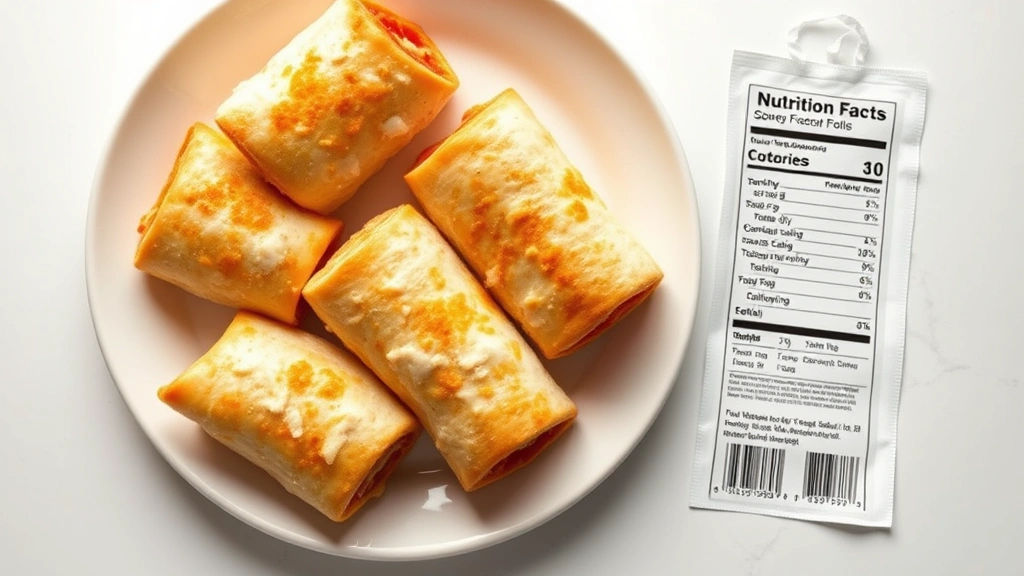
Cafe Zupas Nutrition Facts? Dietitian Insights
Cafe Zupas has carved out a niche in the fast-casual dining landscape by positioning itself as a health-conscious choice for busy professionals and wellness-minded consumers. With their emphasis on fresh soups, salads, and smoothies, the chain attracts individuals seeking nutritious meal options without sacrificing convenience. However, the question remains: do the nutrition facts align with the marketing narrative, and how do these offerings stack up against dietary guidelines?
Understanding the nutritional composition of Cafe Zupas menu items requires a deeper dive into calorie counts, macronutrient distribution, sodium levels, and ingredient quality. This analysis provides dietitian insights into whether Cafe Zupas truly delivers on its wellness promise, and how to navigate their menu strategically based on your individual health goals and dietary needs.
Cafe Zupas Menu Overview and Nutritional Philosophy
Cafe Zupas operates under the premise that fresh, minimally processed ingredients create nutritionally superior meals compared to traditional fast food. Their menu centers on three primary categories: soups, salads, and smoothies, each claiming to prioritize quality ingredients and balanced nutrition. The brand emphasizes seasonal ingredients, house-made broths, and fresh produce sourced from local suppliers when possible.
The nutritional philosophy behind Cafe Zupas aligns with contemporary wellness trends emphasizing whole foods, plant-based options, and customizable meals. This approach resonates with consumers following various dietary patterns, including vegetarian, vegan, gluten-free, and healthy nutrition plans designed for sustained wellness. However, dietitians emphasize that a health-conscious brand identity doesn’t automatically guarantee optimal nutrition in every menu item.
According to Pew Research Center data on consumer dining preferences, 62% of fast-casual restaurant patrons prioritize nutritional transparency and calorie awareness when selecting meals. This consumer demand has pushed chains like Cafe Zupas to provide detailed nutrition information, though interpretation requires nutritional literacy.
Soup Selection: Calorie and Sodium Analysis
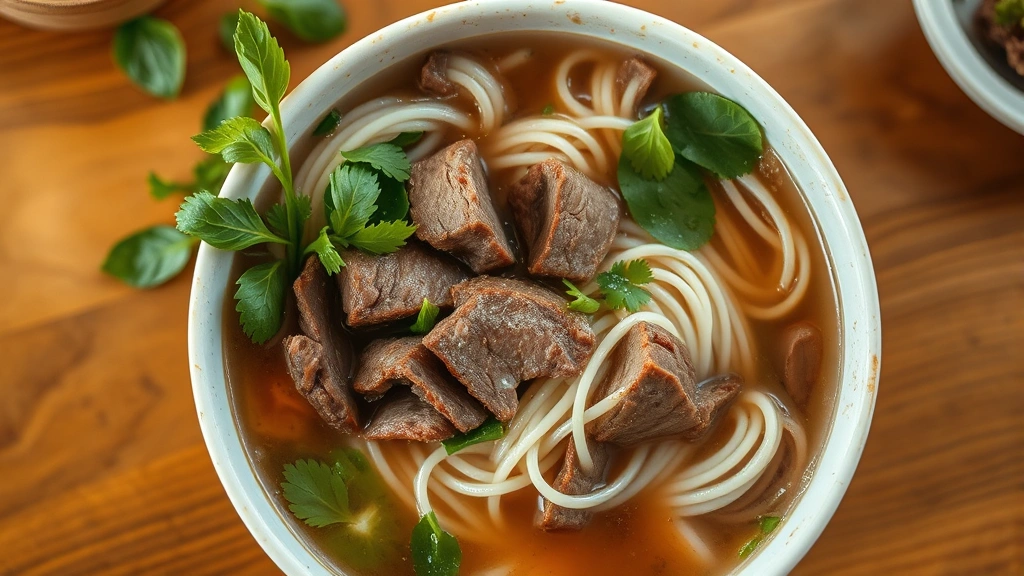
Soups represent Cafe Zupas’ flagship offering, with rotating seasonal selections and signature year-round options. From a caloric standpoint, soup-based meals offer advantages: they typically provide satiety with moderate calorie density, particularly when broth-based rather than cream-based. However, sodium content presents a significant concern across most soup offerings.
A typical medium soup serving at Cafe Zupas ranges from 180 to 420 calories, depending on the variety. Cream-based soups like Baked Potato with Bacon and Lobster Bisque occupy the higher end of this spectrum, while vegetable-forward options like Garden Vegetable and Tomato-based selections provide lighter alternatives. The American Heart Association recommends limiting sodium to 2,300 milligrams daily, yet many Cafe Zupas soups contain 800-1,200 milligrams per serving—nearly half the daily recommendation in a single meal component.
Dietitian recommendation: pair soups with low-sodium sides and avoid additional salt-containing condiments. This strategy allows you to maintain the satiety benefits of soup while managing overall sodium intake. For individuals monitoring dietary fiber intake for health, vegetable-based soups provide 4-6 grams of fiber per serving, supporting digestive health and blood sugar stabilization.
The broth quality matters significantly. Cafe Zupas’ house-made broths contain fewer preservatives than competitor options, though this doesn’t necessarily translate to lower sodium levels. The cooking process concentrates sodium naturally present in ingredients, making high sodium counts inevitable in traditionally prepared broths.
Salad Options: Macronutrient Breakdown
Salads at Cafe Zupas offer customizable protein options, diverse vegetable bases, and varied dressing selections. From a macronutrient perspective, salads provide an excellent vehicle for balancing carbohydrates, proteins, and fats when assembled strategically. A typical garden salad base contains 50-80 calories before protein and dressing additions.
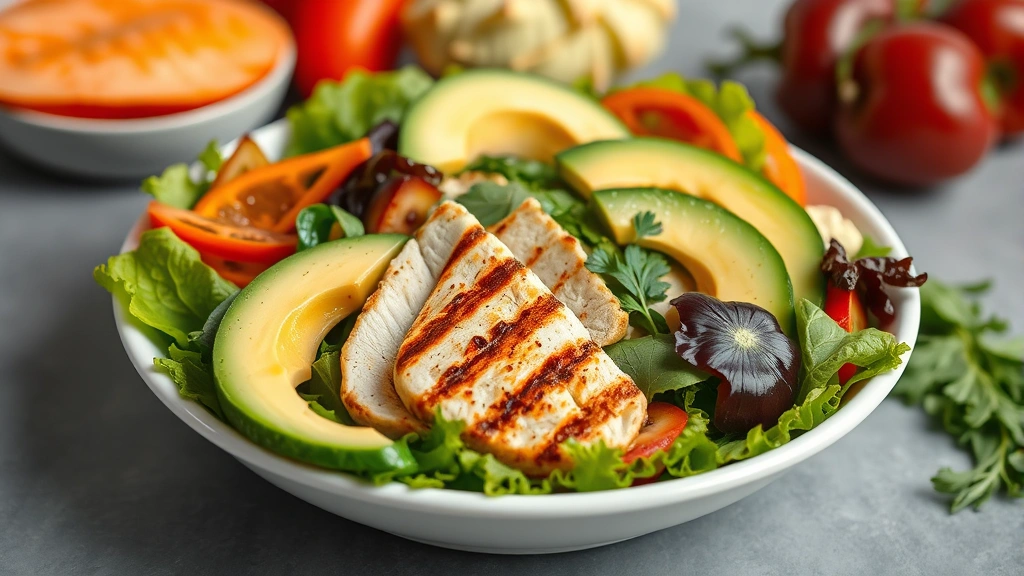
Protein selections significantly impact nutritional profiles. Grilled chicken adds approximately 200 calories and 35 grams of protein with minimal fat. Plant-based protein options like chickpeas or tofu provide 150-200 calories with 12-15 grams of protein but include additional carbohydrates. This makes salads particularly suitable for individuals following nutrition for athletes optimizing performance through diet, as the carbohydrate-protein combination supports muscle recovery and energy replenishment.
Dressing selection represents the critical decision point for calorie management. Vinaigrette-based dressings contain 100-150 calories per 2-ounce serving, while creamy dressings reach 250-300 calories. Requesting dressing on the side and using approximately half the provided amount reduces calorie intake by 50-75 calories without sacrificing flavor satisfaction.
Nutrient density analysis reveals that Cafe Zupas salads typically provide 8-12 grams of fiber from vegetable content, along with micronutrients including vitamins A, C, K, and folate. When complemented with avocado nutrition facts (often available as a premium addition), salads deliver monounsaturated fats supporting cardiovascular health and hormone production.
Smoothie Beverages: Hidden Sugar Concerns
Smoothies occupy an interesting position in the Cafe Zupas menu: they’re perceived as healthy yet often contain substantial sugar quantities that rival dessert beverages. A medium smoothie typically contains 35-55 grams of sugar, with much of this coming from fruit purees, yogurt, and added sweeteners rather than whole fruit.
The distinction between naturally occurring and added sugars matters for metabolic response. Whole fruit contains fiber that slows sugar absorption, while fruit purees and juice concentrate provide rapid glucose spikes. Cafe Zupas smoothies generally contain added sweeteners beyond fruit content, pushing total sugar into concerning ranges for individuals managing blood glucose or pursuing weight loss.
From a nutrition and mental health perspective, rapid sugar consumption followed by inevitable crashes can impact mood stability, energy levels, and cognitive function throughout the day. Dietitians recommend limiting smoothies to occasional treats rather than daily meal components, or requesting modifications such as reducing fruit portions and increasing protein powder content to improve satiety and metabolic response.
Calorie counts for smoothies range from 280 to 450 calories depending on size and ingredients. While this falls within acceptable range for a snack or meal component, the sugar-to-fiber ratio often proves suboptimal for sustained energy. Requesting additional protein powder (+100 calories, +20g protein) without additional fruit bases substantially improves the nutritional profile.
Building a Balanced Meal Strategy
Navigating Cafe Zupas successfully requires understanding how individual menu items combine to create balanced nutrition. A strategically assembled meal should include protein (20-35 grams), carbohydrates (40-65 grams), healthy fats (10-20 grams), and fiber (8-12 grams) depending on individual needs and dietary goals.
An optimal combination might pair a medium vegetable-based soup (200 calories, 8g protein, 6g fiber) with a half-size salad featuring grilled chicken (150 calories, 20g protein, 4g fiber) and vinaigrette dressing (120 calories, 12g fat). This combination totals approximately 470 calories with balanced macronutrients and excellent micronutrient density from the vegetable content.
For individuals following the nutrients pathway blog recommendations for comprehensive nutrition information, Cafe Zupas provides a useful resource for identifying whole-food options with transparent preparation methods. The ability to customize items and request ingredient modifications enables personalization based on individual nutritional needs.
Timing considerations also matter. Consuming a balanced Cafe Zupas meal 2-3 hours before intense exercise provides sustained energy without digestive discomfort. Post-exercise, a protein-rich smoothie (modified to reduce sugar) or soup-and-salad combination supports muscle recovery within the optimal 30-60 minute recovery window.
Comparing Cafe Zupas to Competitors
The fast-casual soup and salad category includes competitors like Panera Bread, Sweetgreen, and regional chains. Comparative analysis reveals important distinctions in nutritional approaches and transparency. Panera soups often exceed 1,200 sodium milligrams, matching or exceeding Cafe Zupas levels. Sweetgreen salads provide superior calorie-to-nutrient ratios but operate at higher price points.
Cafe Zupas distinguishes itself through portion flexibility—the ability to purchase half-sizes enables better calorie management compared to competitors offering only standard portions. This customization feature particularly benefits individuals managing portion-related concerns or seeking lighter meals.
According to food industry analysis, fast-casual chains increasingly recognize that nutritional transparency drives consumer loyalty. Cafe Zupas’ provision of detailed nutrition information, including allergen warnings and ingredient sourcing, positions them competitively within the emerging health-conscious segment.
Price comparison reveals Cafe Zupas typically costs 15-25% less than premium competitors like Sweetgreen while maintaining comparable ingredient quality. This affordability factor enables more frequent consumption for budget-conscious consumers prioritizing nutrition.
Dietary Restrictions and Allergen Information
Cafe Zupas accommodates various dietary restrictions through menu transparency and customization options. Vegetarian and vegan consumers find multiple options across all three menu categories. Gluten-free concerns receive attention through designated menu items and cross-contamination protocols, though the chain’s kitchen design doesn’t guarantee complete gluten elimination.
Common allergens including dairy, nuts, and soy appear in multiple menu items. Individuals with severe allergies should communicate directly with staff, as preparation areas may involve cross-contact risks. Cafe Zupas provides allergen menus at locations and online, enabling advance meal planning for sensitive individuals.
Sodium restriction represents the most significant dietary consideration across Cafe Zupas offerings. Individuals following DASH diet principles or managing hypertension should focus on salad-based meals with minimal added salt, avoiding cream-based soups and requesting low-sodium dressing options. Many locations accommodate special requests including preparing salads without added salt or providing low-sodium broth for soups.
For individuals managing specific health conditions, the customization options enable therapeutic dietary adherence. Those following anti-inflammatory diets benefit from vegetable-rich options paired with omega-3 containing proteins. The ability to request modifications supports long-term dietary sustainability by enabling restaurant consumption without compromising health objectives.
FAQ
What’s the healthiest soup at Cafe Zupas?
Vegetable-based soups like Garden Vegetable and Tomato provide optimal nutrition with 180-250 calories, 4-6 grams fiber, and moderate sodium (700-900mg). Broth-based options beat cream-based alternatives for calorie and fat management. Pair with a salad for complete nutrition.
How much sugar is in Cafe Zupas smoothies?
Medium smoothies contain 35-55 grams total sugar, with significant portions from added fruit purees and sweeteners. Request protein powder additions and reduced fruit portions to improve the sugar-to-protein ratio and enhance satiety.
Can I eat Cafe Zupas on a low-sodium diet?
Yes, with strategic selection. Choose salad-based meals with vinaigrette dressing (no added salt), request low-sodium broth soups when available, and communicate dietary needs to staff. Avoid cream-based soups and preset dressings containing high sodium levels.
Are Cafe Zupas salads good for weight loss?
Salads support weight loss through high fiber and protein content promoting satiety. A medium salad with protein and vinaigrette provides 350-450 calories with excellent nutrient density. Avoid creamy dressings and pair with light soup or beverage to prevent excessive calorie consumption.
Does Cafe Zupas offer keto-friendly options?
Limited keto options exist, as most soups contain significant carbohydrates. Salad-based meals with fatty protein (chicken with skin, avocado) and full-fat dressing approach keto macronutrient ratios, though the vegetable carbohydrate content exceeds strict keto parameters.
What about protein content in Cafe Zupas meals?
Soups provide 8-15 grams protein; salads with protein additions reach 25-35 grams. Smoothies contain 12-20 grams depending on yogurt and protein powder content. For high-protein goals, combine salad with added protein and request double protein portions when available.