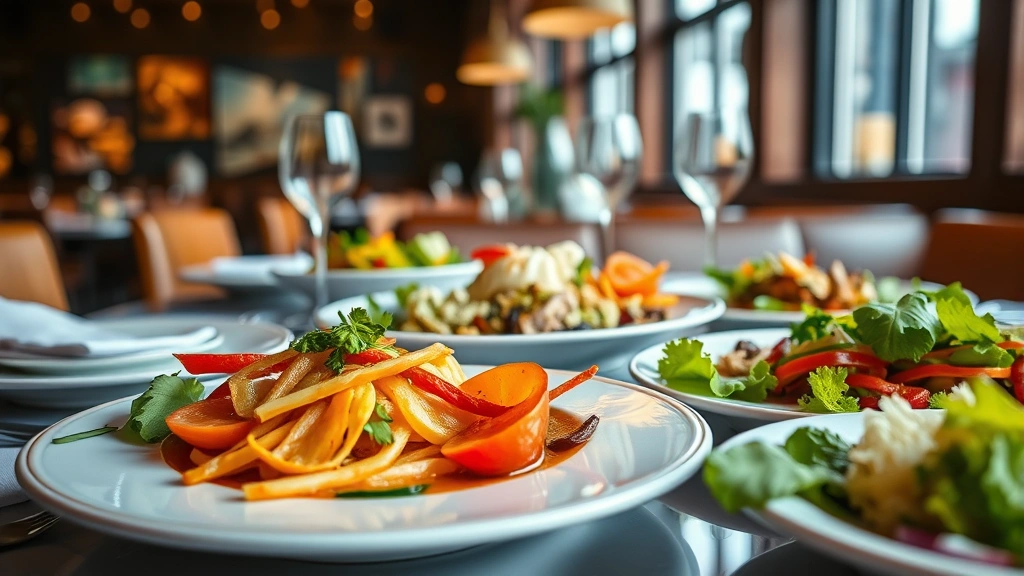
Cheesecake Factory Calories: Comprehensive Dietitian Analysis
The Cheesecake Factory has become synonymous with indulgence, offering expansive menus filled with decadent dishes and, of course, their legendary cheesecakes. However, understanding the nutritional landscape of this popular restaurant chain is essential for health-conscious diners. This comprehensive dietitian analysis examines Cheesecake Factory calories, macro and micronutrient profiles, and practical strategies for making informed dining choices.
With entrees regularly exceeding 1,500 calories and appetizers often containing half a day’s recommended caloric intake, navigating the Cheesecake Factory menu requires knowledge and intentionality. This guide breaks down the nutritional reality behind their most popular items and provides evidence-based recommendations for balancing indulgence with health goals.
Understanding the Calorie Landscape
The Cheesecake Factory’s menu presents a significant nutritional challenge for dieters. Most entrees contain between 1,200 and 2,500 calories per serving—often representing a single meal that meets or exceeds an entire day’s caloric needs for many individuals. Understanding where these calories originate is the first step in making informed decisions.
Restaurant meals typically contain hidden calories from cooking oils, butter, cream-based sauces, and generous portion sizes. The Cheesecake Factory is no exception, and their commitment to flavor-forward cuisine means caloric density is built into nearly every dish. For context, the healthy nutrition plan framework typically recommends 2,000-2,500 calories daily for average adults, meaning a single Cheesecake Factory meal can represent 50-100% of daily caloric needs.
According to CDC nutrition research, restaurant meals contribute significantly to American caloric overconsumption, with the average restaurant entree containing 1,128 calories compared to 619 calories for home-prepared meals. The Cheesecake Factory often exceeds these averages substantially.
Popular Items: Caloric Breakdown
Pasta Dishes: Cheesecake Factory’s pasta offerings range from 1,300 to 2,400 calories per serving. The Fettuccini Alfredo, while a classic, delivers approximately 2,240 calories with 150 grams of fat—representing 230% of the daily value. The Pasta Carbonara similarly contains 1,860 calories with substantial saturated fat content.
Seafood Entrees: While often perceived as healthier options, seafood dishes at Cheesecake Factory frequently exceed 1,500 calories due to butter-based preparations and rich sauces. The Grilled Fish of the Day can range from 800 to 1,400 calories depending on preparation method and sauce selection.
Meat and Poultry: Steak and chicken dishes typically contain 1,200 to 1,800 calories. The Factory Meatloaf, despite its comfort-food appeal, contains approximately 1,430 calories with 78 grams of fat. The Herb-Crusted Chicken contains roughly 1,200 calories.
Appetizers: Perhaps most concerning, appetizers often contain 800-1,600 calories in single servings. The Crispy Brussels Sprouts appetizer, while vegetable-based, contains 1,390 calories due to deep-frying and sauce. The Fried Mac and Cheese Balls deliver 1,270 calories in what many consider a starter course.
Understanding nutritional facts about individual foods helps contextualize these figures. An entire avocado contains approximately 240 calories, meaning a single Cheesecake Factory appetizer equals the caloric content of five whole avocados.
Macronutrient Distribution Analysis
Beyond calories, the macronutrient composition of Cheesecake Factory meals reveals critical nutritional imbalances. Most entrees demonstrate a problematic ratio of macronutrients inconsistent with evidence-based dietary guidelines.
Fat Content: Cheesecake Factory dishes typically derive 55-70% of calories from fat, compared to the recommended 20-35%. A typical 1,500-calorie entree may contain 80-100 grams of fat, with 30-50 grams from saturated sources. This pattern significantly exceeds the recommended 22-78 gram daily fat range and the 5-6% saturated fat recommendation.
Carbohydrate Composition: While carbohydrates represent 20-35% of most entrees, the quality matters significantly. Most carbohydrates derive from refined grains, added sugars, and starchy vegetables rather than whole grains and fiber-rich sources. A typical pasta entree may contain 100-150 grams of carbohydrates with only 4-8 grams of dietary fiber.
Protein Content: Protein typically represents 15-25% of entree calories, ranging from 40-75 grams depending on the dish. While adequate for most individuals, protein distribution matters less when consumed alongside excessive fat and refined carbohydrates. The importance of dietary fiber becomes apparent when examining Cheesecake Factory meals, which typically provide inadequate fiber for optimal digestive and metabolic health.
Micronutrient Concerns: Despite caloric excess, many Cheesecake Factory meals provide inadequate micronutrients. Vitamin C, potassium, and magnesium often fall short of recommended daily values, while sodium typically reaches 100-150% of daily limits in a single meal.
Sodium and Sugar Concerns
Two micronutrients warrant particular attention in Cheesecake Factory analysis: sodium and added sugars. Both represent significant health concerns when consumed in restaurant quantities.
Sodium Overload: The average Cheesecake Factory entree contains 2,500-4,500 milligrams of sodium, compared to the recommended 2,300 milligrams daily limit. A single meal can exceed daily sodium recommendations by 100-200%, contributing to hypertension, cardiovascular disease, and fluid retention. According to American Heart Association research, reducing sodium intake is critical for cardiovascular health, yet restaurant meals remain primary sodium sources.
Added Sugars: Desserts and many savory sauces contain substantial added sugars. A slice of Original Cheesecake contains approximately 50 grams of added sugar—exceeding the recommended 25-36 grams daily limit for women and men respectively. Beverages compound this issue, with many specialty drinks adding 40-80 additional grams of sugar.
The combination of excessive sodium and sugar in single meals disrupts metabolic homeostasis, increases inflammation, and contributes to chronic disease development. NIH research demonstrates that frequent restaurant dining significantly increases cardiovascular disease risk through sodium and added sugar consumption patterns.
Making Healthier Choices
While the Cheesecake Factory menu appears nutritionally challenging, strategic selections can reduce caloric and sodium intake while maintaining dining satisfaction.
Menu Modifications: Request dressings and sauces on the side, allowing portion control. Ask for grilled rather than fried preparations. Request vegetable substitutions for starchy sides. These modifications can reduce caloric content by 20-40%.
Portion Sharing: Cheesecake Factory portions are notoriously large. Sharing entrees with dining companions or requesting half-portions can immediately reduce caloric intake. Many establishments accommodate such requests without additional charges.
Lighter Menu Options: The Cheesecake Factory offers specific lighter fare, including salads (600-900 calories) and grilled fish options (700-1,100 calories). While still substantial, these represent significant reductions compared to signature dishes.
Beverage Selection: Choosing unsweetened beverages (water, unsweetened tea, black coffee) eliminates 200-400 calories and 40-80 grams of added sugar compared to specialty drinks and sodas.
Implementing strategies to improve nutrient absorption through mindful eating practices—including slower consumption, adequate chewing, and reduced portion sizes—enhances satisfaction while reducing overall intake.

Portion Control Strategies
Given the caloric density of Cheesecake Factory meals, implementing portion control strategies is essential for health-conscious diners.
The Half-Plate Method: Request that your plate arrive with half the typical portion, with remaining food boxed immediately. This prevents automatic consumption of excessive calories and provides built-in leftovers for subsequent meals.
Appetizer-as-Entree Strategy: Many appetizers provide adequate nutrition for a meal while containing significantly fewer calories than traditional entrees. A grilled vegetable platter (approximately 600 calories) paired with a side salad creates a satisfying meal with reduced caloric impact.
Strategic Indulgence: Plan to enjoy specific items rather than attempting perfection. Selecting one indulgent component—perhaps cheesecake for dessert—while moderating other courses maintains satisfaction while reducing overall intake.
Timing Considerations: Eating lighter meals on days when dining at calorie-dense restaurants helps balance weekly intake. This approach acknowledges that occasional restaurant meals need not derail overall nutritional goals when compensated through other meals.
The Cheesecake Question
The Cheesecake Factory’s signature item deserves particular analysis. A slice of Original Cheesecake contains approximately 780 calories, 56 grams of fat (including 34 grams saturated), and 50 grams of added sugar. This represents an extremely calorie-dense dessert even by restaurant standards.
Perspective matters here: a single cheesecake slice contains more calories than many individuals require for breakfast or lunch. The saturated fat content approaches daily limits independent of other meals consumed. The added sugar content doubles recommended daily intake.
However, occasional consumption of cheesecake within an otherwise balanced dietary pattern poses minimal long-term health risk. The concern arises with frequent consumption or when combined with similarly calorie-dense courses in single meals. A reasonable approach involves treating Cheesecake Factory cheesecake as an occasional indulgence rather than regular dining component.
Sharing desserts, selecting smaller slices, or requesting half portions represents practical compromise between enjoyment and nutritional goals. Some individuals find that consuming cheesecake alongside protein-rich foods (such as Greek yogurt) or fiber sources can moderate blood sugar impact.
FAQ
What is the lowest-calorie entree at Cheesecake Factory?
The Grilled Fish of the Day, when prepared without butter-based sauces, typically represents the lowest-calorie entree option at approximately 700-900 calories. Salads without creamy dressings provide alternatives in the 600-800 calorie range, though added proteins and dressings can increase totals significantly.
Can I eat at Cheesecake Factory while dieting?
Yes, strategic menu selection and portion control allow Cheesecake Factory dining within most dietary frameworks. Focus on grilled proteins, vegetable-based sides, and requesting modifications. Share entrees, skip appetizers, and avoid sugar-sweetened beverages. Treating it as occasional rather than regular dining supports weight management goals.
How much sodium does a typical Cheesecake Factory meal contain?
Most Cheesecake Factory entrees contain 2,500-4,500 milligrams of sodium, representing 110-195% of the recommended 2,300 milligrams daily limit. This sodium concentration poses significant concerns for individuals managing hypertension or cardiovascular disease.
Are there vegetarian options lower in calories?
The Cheesecake Factory offers vegetarian selections, though many remain calorie-dense due to cheese, cream sauces, and frying preparations. The Herb-Crusted Broccoli (approximately 1,100 calories) and Vegetable Skewers (approximately 1,200 calories) represent options, though requesting modifications for sauce preparation can reduce caloric content.
Should I avoid Cheesecake Factory entirely?
Complete avoidance is unnecessary for most individuals. Rather, approach Cheesecake Factory as an occasional dining destination where strategic selections and portion modifications allow enjoyment within balanced nutritional patterns. Frequency matters more than absolute avoidance—occasional indulgent meals pose minimal long-term health risk within overall healthy dietary patterns.
What is the nutritional difference between Cheesecake Factory and home-prepared meals?
Home-prepared meals typically contain 40-50% fewer calories, 60-70% less sodium, and significantly lower added sugar content compared to Cheesecake Factory equivalents. The primary differences relate to cooking method (grilling versus frying), sauce preparation, and portion sizes. Home cooking provides greater nutritional control and typically supports health goals more effectively.
Can portion sharing reduce caloric intake effectively?
Yes, sharing Cheesecake Factory entrees between two individuals typically reduces per-person caloric intake from 1,200-1,500 calories to 600-750 calories, allowing satisfying meals within reasonable caloric parameters. Adding a side salad or vegetable-based appetizer creates nutritionally balanced meals when shared appropriately.
Visit the Nutrients Pathway Blog for additional nutritional guidance and dietary analysis resources.


