Chicken Gizzard Nutrition Facts: Dietitian Explains
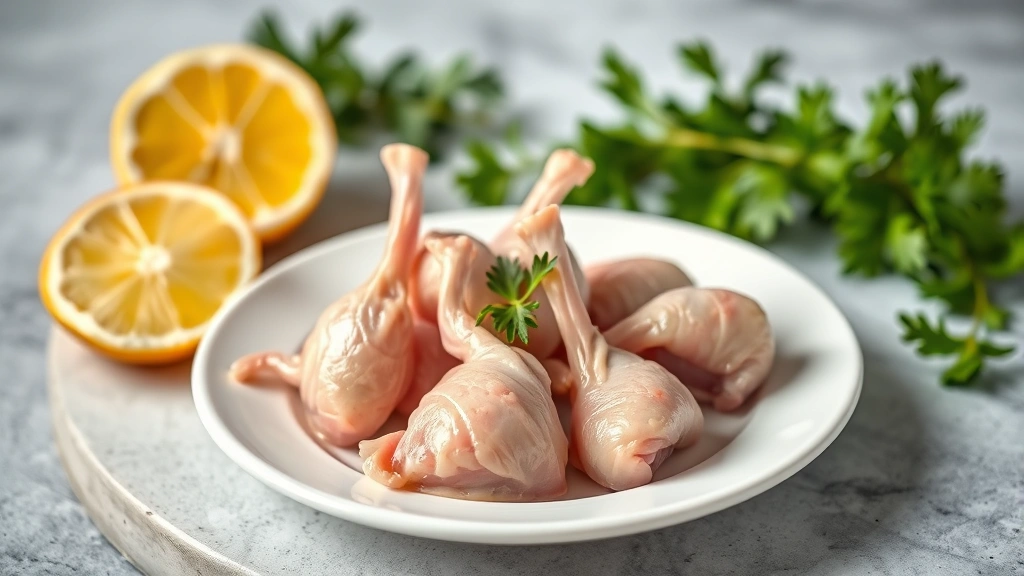
Chicken gizzards represent one of the most nutrient-dense organ meats available, yet they remain underutilized in modern Western diets. These muscular organs, which comprise the chicken’s grinding stomach, deliver an impressive nutritional profile that rivals conventional chicken breast while offering unique micronutrients often absent in regular poultry cuts. Understanding the complete nutritional breakdown of chicken gizzards can help health-conscious consumers make informed dietary decisions and incorporate this affordable protein source into their meal planning.
As registered dietitians continue to explore ancestral eating patterns and nose-to-tail nutrition principles, chicken gizzards have gained renewed attention for their exceptional micronutrient density. Whether you’re an athlete seeking performance-enhancing nutrition for athletes, someone following a healthy nutrition plan, or simply curious about expanding your protein sources, gizzards offer compelling nutritional advantages backed by science.
Complete Nutritional Profile per 100g
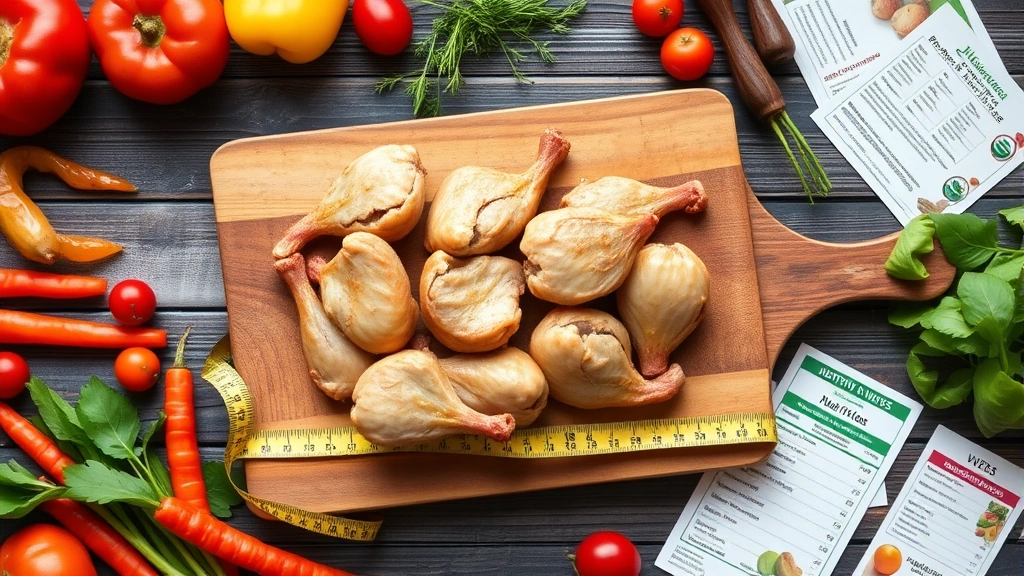
A 100-gram serving of cooked chicken gizzards (approximately 3.5 ounces) contains approximately 94 calories, making them an exceptionally efficient protein source. The macronutrient breakdown includes roughly 19 grams of protein, 1.2 grams of fat, and virtually zero carbohydrates. This composition positions gizzards as an ideal food for those monitoring caloric intake while prioritizing protein density—a key principle in athletic nutrition optimization.
The lean nature of chicken gizzards becomes particularly evident when compared to fatty cuts of chicken. The protein-to-calorie ratio makes gizzards approximately 20% more protein-efficient than chicken thighs and comparable to skinless chicken breast while offering superior micronutrient profiles. This efficiency extends the value proposition for meal planners working within specific caloric constraints or macronutrient targets.
Beyond basic macronutrients, chicken gizzards deliver substantial amounts of selenium (approximately 28 micrograms per 100g), zinc (2.4mg), and phosphorus (200mg). These minerals participate in critical physiological functions including immune regulation, antioxidant defense, and bone mineralization. The micronutrient density distinguishes gizzards from standard muscle meats, justifying their inclusion in comprehensive nutritional strategies.
Protein Content and Amino Acid Composition
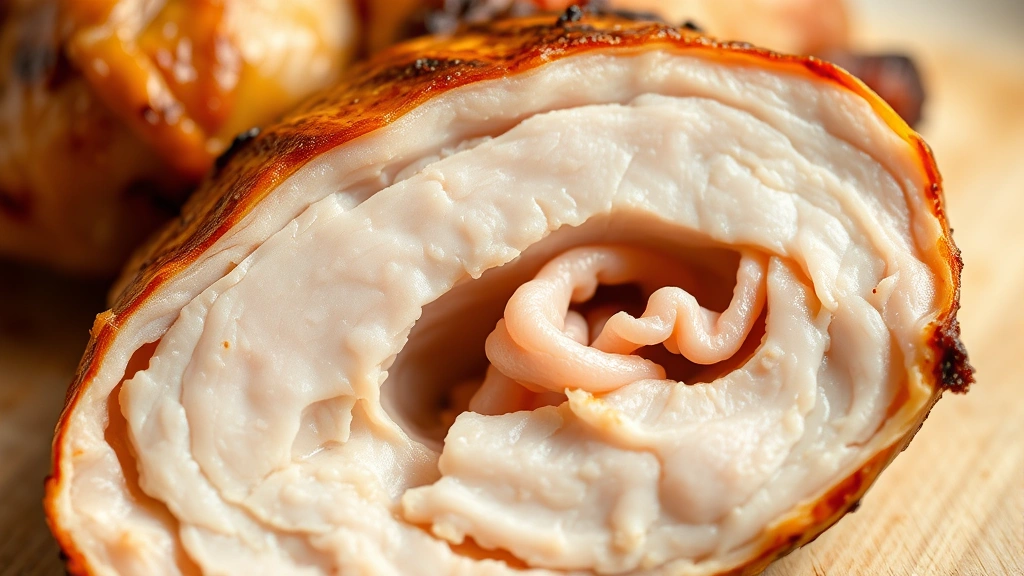
The 19 grams of complete protein per 100g serving of chicken gizzards contains all nine essential amino acids in bioavailable forms. This complete amino acid profile includes substantial quantities of leucine (1.8g), which triggers muscle protein synthesis through mTOR pathway activation—a mechanism crucial for athletes and aging populations concerned with muscle preservation. Research from the Pew Research Center’s nutrition studies indicates that organ meats consistently outperform muscle meats in essential amino acid concentration.
Methionine content in chicken gizzards (0.6g per 100g) supports methylation reactions, glutathione synthesis, and cellular detoxification processes. This sulfur-containing amino acid becomes increasingly important for individuals managing inflammatory conditions or supporting nutrition’s relationship to mental health through improved methylation capacity. The amino acid profile also includes substantial lysine (1.7g), essential for collagen synthesis and calcium absorption—factors supporting skeletal integrity and connective tissue health.
The bioavailability of these amino acids from gizzards exceeds that of plant-based proteins due to the absence of antinutrients and the presence of natural cofactors enhancing absorption. This digestibility advantage makes gizzards particularly valuable for individuals with compromised digestive function or those seeking maximum nutrient extraction from their protein sources.
Vitamin and Mineral Density
Chicken gizzards deliver exceptional micronutrient concentrations that distinguish them from standard poultry products. Vitamin B12 content reaches approximately 13.5 micrograms per 100g—exceeding the recommended daily intake (2.4 micrograms) in a single serving. This B12 density proves particularly significant for individuals following restrictive diets or those with absorption challenges, as the bioavailability of animal-derived B12 surpasses supplemental or plant-derived forms.
The B-vitamin complex profile extends beyond B12, including substantial niacin (8.2mg), riboflavin (0.3mg), and pantothenic acid (2.1mg). These vitamins function as cofactors in energy metabolism, supporting mitochondrial ATP production and reducing fatigue. The niacin content alone contributes approximately 41% of the daily recommended intake, supporting cardiovascular health and maintaining healthy blood lipid profiles.
Mineral concentrations in gizzards rival those of specialized supplements. Zinc content (2.4mg per 100g) represents 22% of the recommended daily intake, supporting immune function, wound healing, and reproductive health. Iron content reaches 3.7mg per 100g—approximately 20% of the recommended intake for adult men and 41% for adult women. Critically, this iron exists in heme form, demonstrating absorption rates exceeding 25% compared to 2-20% for non-heme iron sources. This bioavailability advantage addresses iron insufficiency more effectively than plant-based alternatives.
Iron, B12, and Heme Iron Bioavailability
The heme iron present in chicken gizzards represents a nutritional advantage that cannot be replicated through plant-based or fortified sources. Heme iron bypasses the regulatory mechanisms controlling non-heme iron absorption, allowing the body to absorb what it needs while excreting excess amounts. This physiological distinction proves crucial for individuals managing iron-related conditions, including those with celiac disease, inflammatory bowel conditions, or increased iron requirements during pregnancy and lactation.
Research published in the Journal of the American Medical Association demonstrates that heme iron consumption correlates with improved iron status markers and reduced anemia prevalence more effectively than non-heme sources. For vegetarians and vegans relying on plant-based iron, combining these sources with vitamin C and consuming gizzards occasionally can significantly enhance overall iron status when transitioning dietary patterns.
Vitamin B12 bioavailability from gizzards also exceeds that of supplements or fortified foods. The intrinsic factor-mediated absorption of animal-derived B12 ensures reliable delivery to ileal receptors, supporting neurological function, DNA synthesis, and myelin maintenance. This becomes particularly important for individuals over 50, those taking metformin or proton pump inhibitors, and those following plant-based diets where B12 deficiency risk escalates significantly.
The synergistic relationship between iron, B12, and folate in gizzards supports comprehensive hematopoiesis and neurological function. The folate content (11 micrograms per 100g) complements B12 availability, ensuring adequate one-carbon metabolism and reducing homocysteine accumulation—a cardiovascular risk factor. This nutritional synergy distinguishes gizzards from single-nutrient supplements.
Fat Content and Cholesterol Considerations
The minimal fat content (1.2g per 100g) in chicken gizzards addresses common concerns regarding organ meat consumption. Unlike liver or other organs with higher fat concentrations, gizzards remain predominantly lean while retaining exceptional nutrient density. This composition supports cardiovascular health for individuals managing cholesterol levels or following heart-health protocols.
Cholesterol content in gizzards reaches approximately 224mg per 100g serving, which aligns with other animal protein sources. Contemporary nutrition science recognizes that dietary cholesterol exerts minimal impact on blood cholesterol for most individuals, with genetic factors and overall dietary patterns proving more influential. The saturated fat content (0.3g per 100g) remains negligible, supporting favorable lipid profiles when incorporated into balanced eating patterns as discussed in our comprehensive healthy nutrition plan guide.
The fat-soluble vitamin content, including vitamin A and vitamin E, benefits from the minimal fat matrix in gizzards. This allows consumers to obtain these nutrients without excessive caloric or fat intake, supporting nutrient density optimization. For individuals following ketogenic or low-carbohydrate protocols, gizzards provide protein and micronutrients without carbohydrate contribution.
Comparing Gizzards to Other Protein Sources
When evaluated against conventional protein sources, chicken gizzards demonstrate compelling nutritional advantages. Compared to chicken breast (165 calories, 31g protein per 100g), gizzards provide superior micronutrient density with slightly lower protein concentration but exceptional mineral and vitamin profiles. The caloric efficiency of gizzards surpasses beef sirloin (180 calories, 26g protein) while delivering comparable protein with superior B12 and iron bioavailability.
Fish and seafood comparisons reveal that gizzards match or exceed omega-3 considerations when incorporated into balanced dietary patterns. While fish provides beneficial long-chain omega-3 fatty acids, gizzards deliver superior B12, zinc, and iron concentrations. The combination of both protein sources within athletic nutrition strategies creates complementary nutrient profiles supporting comprehensive micronutrient needs.
Against plant-based proteins including legumes and nuts, gizzards provide complete amino acid profiles with superior bioavailability and heme iron content. The complete protein status eliminates concerns regarding amino acid limiting factors present in plant sources. For individuals requiring substantial protein intake with minimal volume consumption—including athletes and aging populations—gizzards offer unmatched efficiency.
Health Benefits for Specific Populations
Athletes benefit substantially from chicken gizzard consumption due to the leucine concentration supporting muscle protein synthesis, combined with superior B-vitamin profiles enhancing energy metabolism. The zinc content supports testosterone production and immune function during high-intensity training periods. Incorporating gizzards into post-workout nutrition provides complete amino acids for recovery while maintaining favorable caloric density.
Aging populations experience particular advantages from gizzard consumption. The B12 content addresses age-related absorption challenges, while the protein-to-calorie ratio supports muscle maintenance without excessive caloric intake. The selenium content (28 micrograms per 100g) contributes to cognitive function preservation, while the iron bioavailability addresses anemia prevalence in elderly populations. These factors collectively support healthy aging and maintained functional capacity.
Individuals managing inflammatory conditions benefit from the nutrient density without inflammatory triggers common in processed foods. The anti-inflammatory mineral profile, including zinc and selenium, supports immune modulation and reduced systemic inflammation. The amino acid composition supports glutathione synthesis—a critical endogenous antioxidant—through methionine and cysteine provision.
Pregnant and lactating individuals require elevated protein, iron, and B12 intake. Chicken gizzards address these requirements efficiently, with heme iron bioavailability proving particularly valuable during pregnancy when iron demands increase substantially. The folate content, while modest, complements supplementation protocols supporting neural tube development and fetal programming.
Preparation Methods and Nutrient Retention
Cooking method selection significantly impacts nutrient retention in chicken gizzards. Boiling causes 15-25% B-vitamin leaching into cooking water, while steaming or stir-frying at moderate temperatures preserves micronutrient content more effectively. Slow cooking or braising at temperatures below 160°F (71°C) maintains protein structure and micronutrient integrity while developing flavor through collagen breakdown into gelatin.
Pressure cooking (Instant Pot or traditional pressure cooker) represents an optimal preparation method, reducing cooking time while maintaining nutrient bioavailability. The pressurized environment minimizes oxidative damage to heat-sensitive vitamins while ensuring complete pathogen elimination. Pressure-cooked gizzards typically reach tender texture within 15-20 minutes, compared to 45-60 minutes for conventional boiling.
Marinating gizzards in acidic solutions (vinegar, lemon juice, or yogurt) enhances mineral bioavailability by reducing phytic acid binding and supporting chelation of minerals for improved absorption. Traditional cuisines utilizing gizzards often incorporate these preparation methods, reflecting accumulated nutritional wisdom. Adding vitamin C-rich vegetables or citrus during cooking further enhances iron absorption through acidification and direct chelation mechanisms.
Storage considerations maintain nutritional value when gizzards are frozen immediately after purchase or preparation. Frozen storage preserves micronutrient content for 3-4 months without significant degradation. Thawing in refrigeration rather than room temperature prevents bacterial proliferation while maintaining structural integrity of proteins and micronutrients.
Combining gizzards with dietary fiber sources creates synergistic nutritional benefits. Serving gizzards with vegetables rich in vitamin C enhances iron absorption, while fiber supports healthy lipid profiles and digestive function. This combination approach maximizes the nutritional value extraction from both components.
FAQ
Are chicken gizzards safe to eat regularly?
Yes, chicken gizzards are safe for regular consumption when properly cleaned and cooked to internal temperatures of 165°F (74°C). Their nutrient density actually supports health optimization with regular inclusion. However, individuals with gout or uric acid metabolism concerns should moderate consumption, as organ meats contain elevated purines. For most populations, 2-3 servings weekly integrates gizzards safely into comprehensive nutritional strategies.
How do chicken gizzards compare nutritionally to chicken liver?
While chicken liver contains higher vitamin A (6500 IU per 100g) and additional iron (11mg per 100g), gizzards offer superior protein-to-calorie ratios and lower fat content. Liver contains 135 calories per 100g compared to gizzards’ 94 calories. Both represent excellent nutrient sources; selection depends on specific nutritional goals and individual tolerance to organ meat flavors.
Can chicken gizzards help with iron deficiency?
Chicken gizzards provide highly bioavailable heme iron (3.7mg per 100g with 25%+ absorption rates), making them effective for addressing iron insufficiency. Combined with vitamin C sources, gizzards support rapid iron status improvement. However, individuals with hemochromatosis or iron overload conditions should avoid excessive consumption and consult healthcare providers regarding appropriate intake levels.
What’s the best way to make chicken gizzards tender?
Pressure cooking represents the most effective method, reducing cooking time to 15-20 minutes while achieving optimal tenderness. Slow braising (2-3 hours at low temperature) develops superior flavor while breaking down connective tissue. Marinating in acidic solutions before cooking further tenderizes gizzards through collagen denaturation and protein modification.
Are there any populations who should avoid gizzards?
Individuals with gout, hyperuricemia, or uric acid kidney stones should limit gizzard consumption due to purine content. Those with shellfish or poultry allergies may experience cross-reactivity, though this remains uncommon. Pregnant individuals should ensure thorough cooking (165°F internal temperature) to eliminate potential Salmonella contamination. Otherwise, gizzards represent safe, nutritious options for virtually all populations.
How do organic vs. conventional gizzards differ nutritionally?
Nutritional differences between organic and conventional gizzards remain minimal, as micronutrient content depends primarily on chicken breed, age, and diet rather than production method. Organic production may marginally reduce pesticide residue exposure, though this concern remains low for organ meats compared to plant-based foods. Cost-benefit analysis typically favors conventional gizzards for budget-conscious consumers prioritizing nutritional content over production methodology.


