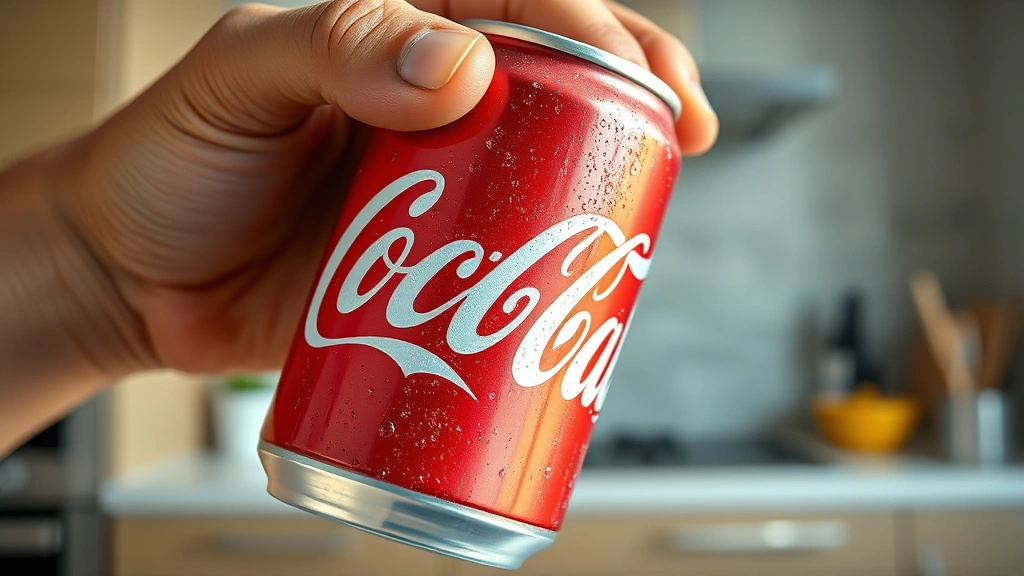
Coca Cola Nutrition Facts: Dietitian Analysis
Coca-Cola remains one of the world’s most consumed beverages, with billions of servings sold annually across the globe. Yet despite its popularity, many consumers remain unclear about what they’re actually consuming when they crack open a can or bottle. This comprehensive dietitian analysis breaks down the Coca-Cola nutrition label in detail, examining each component and what it means for your health. Whether you’re a regular consumer, occasional drinker, or health-conscious individual considering your beverage choices, understanding the nutritional profile of this iconic soft drink is essential for making informed dietary decisions.
The nutrition facts panel on Coca-Cola products tells a revealing story about sugar content, artificial ingredients, and caloric density that extends far beyond simple refreshment. By examining these facts through a clinical lens, we can better understand how this beverage fits—or doesn’t fit—into a balanced dietary approach. This analysis draws on established nutritional science and dietary guidelines to provide context for every element on the label.

Understanding the Coca-Cola Nutrition Label
The standard Coca-Cola nutrition label presents information based on a 12-ounce serving size, which represents one standard can. This serving size is important because many people consume larger portions, particularly when purchasing fountain drinks or larger bottles. A typical 12-ounce serving of regular Coca-Cola contains approximately 140 calories, making it a calorie-dense beverage when consumed regularly.
The FDA-mandated nutrition facts panel displays information in a hierarchical format designed to highlight key nutrients. For Coca-Cola, the most prominent figures are typically calories and sugar content, which together paint a picture of a beverage primarily composed of water, sweetener, and carbon dioxide. Understanding how to read and interpret this label is the first step toward making conscious consumption choices. The label also includes information about serving size, which is crucial for accurate nutritional assessment, especially when comparing different Coca-Cola variants or similar beverages.
When examining any healthy nutrition plan, beverages play a significant role in daily nutrient intake. Coca-Cola’s position within dietary guidelines requires careful consideration of total daily consumption patterns and how this beverage interacts with other food and drink choices throughout the day.

Caloric Content and Energy Density
At 140 calories per 12-ounce serving, Coca-Cola represents a significant caloric contribution from a beverage alone. To contextualize this, the average adult following a 2,000-calorie daily diet would consume approximately 7% of their total daily calories in a single can of regular Coca-Cola. For individuals consuming multiple servings—which is common among regular soda consumers—the caloric accumulation becomes substantial and can contribute meaningfully to weight gain over time.
The caloric content derives almost entirely from added sugars, with virtually no protein, fiber, or other macronutrients providing nutritional density. This means Coca-Cola delivers what nutritionists term “empty calories”—energy without accompanying micronutrients, fiber, or satiety-promoting compounds. Research from the CDC demonstrates that beverages sweetened with added sugars contribute significantly to excessive calorie consumption without providing compensatory nutritional benefits.
When considering caloric intake, it’s worth comparing Coca-Cola to other beverages. A glass of whole milk contains similar calories but provides protein and calcium. Even foods with higher caloric density like avocados deliver substantial nutritional value alongside their calories, including healthy fats and micronutrients. This distinction is critical when evaluating Coca-Cola’s place in a balanced diet.
Sugar and Sweeteners in Coca-Cola
The most striking element of the Coca-Cola nutrition label is the sugar content: 39 grams of sugar per 12-ounce serving in regular Coca-Cola. To contextualize this figure, the American Heart Association recommends a maximum of 25 grams of added sugars daily for women and 36 grams for men. A single can of Coca-Cola therefore exceeds the recommended daily limit for women and approaches the limit for men, all from one beverage.
This sugar exists in the form of high fructose corn syrup (HFCS) in the United States, or sucrose in other markets. The distinction matters because emerging research suggests high fructose corn syrup may have different metabolic effects than traditional sucrose, potentially affecting liver function and metabolic health more significantly.
Coca-Cola Diet and Coca-Cola Zero Sugar address the sugar content concern by substituting artificial sweeteners—aspartame, acesulfame potassium, and sucralose. While these sweeteners contain negligible calories and don’t directly raise blood glucose, their long-term health implications remain subjects of ongoing research. The artificial sweetener debate continues within nutrition science, with some studies suggesting potential effects on gut microbiota and glucose metabolism, though evidence remains mixed.
The rapid spike in blood glucose following Coca-Cola consumption affects insulin response and energy levels. This glycemic impact is particularly relevant for individuals with diabetes, prediabetes, or those managing weight. Unlike whole fruits or foods containing dietary fiber, which moderates sugar absorption, Coca-Cola’s liquid sugar enters the bloodstream rapidly without the mitigating effect of fiber or other compounds.
Sodium, Electrolytes, and Hydration
A 12-ounce serving of Coca-Cola contains approximately 55 milligrams of sodium, representing about 2% of the daily recommended intake. While this may seem modest, it’s worth noting that sodium in beverages contributes to total daily intake without providing the thirst-quenching satisfaction associated with electrolyte-balanced drinks designed for hydration.
This is a crucial distinction: while Coca-Cola contains minimal sodium, it’s not formulated as a hydrating beverage. In fact, the caffeine content (discussed below) and sugar load can have mild diuretic effects, potentially offsetting any hydration benefit. Sports drinks formulated specifically for hydration contain carefully balanced sodium, potassium, and carbohydrates designed to optimize fluid retention and electrolyte balance during and after physical exertion.
For general hydration purposes, water remains the gold standard—calorie-free, sugar-free, and perfectly formulated for maintaining bodily fluid balance. The sodium content in Coca-Cola is insufficient to provide meaningful electrolyte replacement, yet sufficient to contribute to daily sodium accumulation when consumed regularly alongside other sodium-containing foods.
Caffeine Content and Stimulant Effects
A 12-ounce can of Coca-Cola contains 34 milligrams of caffeine, a stimulant compound that affects the central nervous system. While this represents less caffeine than a cup of coffee (typically 95-200 milligrams), it’s still a meaningful dose, particularly when considering cumulative intake from multiple caffeine sources throughout the day.
Caffeine’s effects include increased alertness, elevated heart rate and blood pressure, and potential sleep disruption when consumed later in the day. Sensitivity to caffeine varies considerably among individuals based on genetics, tolerance, and individual physiology. Some people experience significant energy boosts and potential jitteriness from 34 milligrams, while others notice minimal effects.
The combination of caffeine and sugar in Coca-Cola creates a compound stimulant effect—the caffeine increases alertness while the sugar provides rapid energy. This combination can create a cyclical pattern of energy spikes and crashes, particularly problematic when consumed in mid-afternoon or evening when caffeine can interfere with sleep quality. Sleep research indicates caffeine consumption within 6 hours of bedtime can significantly impact sleep architecture.
For individuals sensitive to caffeine, children, or those managing anxiety disorders, the caffeine in Coca-Cola warrants consideration. Pregnant individuals should also monitor total caffeine intake, as current guidelines recommend limiting caffeine to 200 milligrams daily during pregnancy.
Artificial Ingredients and Additives
Beyond the primary components, Coca-Cola contains several additives that warrant examination. Carbonated water provides the fizz and contributes to the beverage’s appeal, though carbonation can increase gastric pressure and may exacerbate symptoms in individuals with acid reflux or GERD (gastroesophageal reflux disease).
Phosphoric acid (in regular Coca-Cola) serves as a preservative and contributes to flavor, but raises concerns about dental health and bone health. Phosphoric acid is highly acidic (pH around 2.5) and can erode tooth enamel with repeated exposure. The American Dental Association notes that acidic beverages pose significant risks to dental enamel, particularly when consumed frequently or sipped over extended periods.
Natural and artificial flavors comprise another ingredient category—vague terminology that encompasses numerous compounds. While “natural flavors” suggests botanical origins, these compounds still undergo chemical processing. The specific flavor compounds in Coca-Cola contribute to its distinctive taste but aren’t nutritionally significant.
Caramel color (Class IV) provides the beverage’s characteristic brown hue and represents another additive warranting consideration. Some research has examined potential health effects of certain caramel colorings, though current regulatory bodies consider approved versions safe at typical consumption levels.
Micronutrients and Vitamin Content
One notable characteristic of Coca-Cola’s nutrition label is the absence of significant micronutrient content. Unlike fortified beverages or natural juices, Coca-Cola provides essentially no vitamins, minerals (beyond minimal sodium), or other micronutrients. The nutrition label typically shows 0% daily value for vitamin A, vitamin C, calcium, and iron.
This micronutrient void is significant when considering beverage choices. A serving of orange juice provides vitamin C and folate. Milk provides calcium and vitamin D. Even coffee or tea contains bioactive compounds like polyphenols. Coca-Cola, by contrast, delivers only calories, sugar, and caffeine without compensatory micronutrient density.
For individuals relying on beverages as part of their nutritional intake, this distinction matters considerably. A person consuming multiple Coca-Colas daily while neglecting water, milk, or nutrient-dense beverages risks micronutrient deficiencies while simultaneously exceeding caloric and sugar recommendations. This imbalance—high calories with zero micronutrient contribution—represents one of the primary nutritional concerns with regular Coca-Cola consumption.
When evaluating overall dietary quality, beverages should ideally contribute either hydration (water), micronutrients (milk, fortified alternatives), or bioactive compounds (tea, coffee) rather than primarily contributing empty calories. Coca-Cola fails to meet any of these criteria effectively.
Health Implications and Dietary Context
Understanding the Coca-Cola nutrition label gains practical significance only when contextualized within overall dietary patterns and health status. For most individuals, occasional Coca-Cola consumption poses minimal health risk—the body can metabolize and process the sugar and caffeine without significant harm. However, regular consumption patterns create cumulative health effects worthy of consideration.
Research examining sugar-sweetened beverage consumption links regular intake to obesity, type 2 diabetes, metabolic syndrome, and dental decay. A meta-analysis published in Nutrients found that sugar-sweetened beverages were associated with increased cardiovascular disease risk and mortality. These aren’t hypothetical concerns but documented associations in large population studies.
For individuals managing weight, diabetes, or cardiovascular health, the nutritional profile of Coca-Cola presents challenges. The rapid sugar absorption, caloric density, and absence of satiety-promoting compounds mean Coca-Cola contributes to caloric excess without creating fullness. This makes weight management more difficult for regular consumers.
Within a comprehensive approach to nutrition and wellness, Coca-Cola occupies an occasional indulgence category rather than a regular dietary staple. The beverage can fit within balanced diets when consumed infrequently and in moderation, but regular consumption creates nutritional challenges that conflict with evidence-based dietary recommendations.
Interestingly, the relationship between beverage choices and overall health extends beyond simple caloric mathematics. Nutrition and mental health research suggests that dietary patterns, including beverage choices, influence cognitive function and mood. The blood sugar fluctuations created by regular Coca-Cola consumption may impact mental clarity and emotional stability over time.
Additionally, habitual Coca-Cola consumption may interfere with healthy digestive function and gut health. The high sugar content and acidic nature can affect beneficial gut bacteria populations and digestive enzyme function, creating cascading effects on nutrient absorption and overall gastrointestinal health.
For athletes and active individuals, the caffeine in Coca-Cola might provide some performance benefit, though the sugar and lack of electrolytes make it suboptimal compared to sports drinks formulated for athletic hydration. The caffeine provides mild ergogenic effects—roughly equivalent to a small coffee—but without the hydration support needed during or after exercise.
FAQ
How much sugar is in a 20-ounce bottle of Coca-Cola?
A 20-ounce bottle contains approximately 65 grams of sugar—nearly three times the American Heart Association’s recommended daily maximum for women. This single bottle represents an extreme sugar load from a single beverage.
Is Diet Coke healthier than regular Coca-Cola?
Diet Coke eliminates the sugar concern but introduces artificial sweeteners whose long-term health effects remain incompletely understood. Neither represents a nutritionally optimal choice; water remains superior for hydration and overall health.
Does Coca-Cola contain any beneficial compounds?
Coca-Cola lacks meaningful beneficial compounds. Unlike tea (polyphenols), coffee (antioxidants), or juice (vitamins), Coca-Cola delivers primarily empty calories alongside caffeine and artificial ingredients.
How does Coca-Cola affect blood sugar?
The 39 grams of rapidly absorbed sugar causes significant blood glucose elevation, triggering insulin response. This glycemic spike can create energy crashes and, with repeated exposure, may contribute to insulin resistance and metabolic dysfunction.
Is the phosphoric acid in Coca-Cola harmful?
Phosphoric acid’s primary concern relates to dental health—its low pH erodes enamel with repeated exposure. Some research examines potential effects on bone health, though evidence remains inconclusive at typical consumption levels.
Can children safely consume Coca-Cola?
The American Academy of Pediatrics recommends limiting added sugars for children. Coca-Cola’s 39-gram sugar content represents an excessive amount for most children and can contribute to obesity, dental decay, and metabolic dysfunction when consumed regularly.
Does Coca-Cola provide hydration?
While Coca-Cola contains water, it’s not a hydrating beverage. The caffeine and high sugar content can create mild diuretic effects, and the absence of electrolytes means it doesn’t optimize fluid retention like water or electrolyte-balanced beverages.


