
Coca-Cola Zero: Is It a Healthy Choice? A Dietitian’s Honest Analysis
Coca-Cola Zero Sugar has become one of the most popular zero-calorie beverages on the market, marketed as a guilt-free alternative to regular cola. With zero sugar and zero calories, it seems like the perfect drink for health-conscious consumers trying to manage their weight or blood sugar levels. But is this artificially sweetened beverage truly a healthy choice, or does it come with hidden nutritional concerns? A closer examination of the ingredients, scientific research, and expert opinions reveals a more nuanced picture than the marketing suggests.
The rise of zero-sugar drinks reflects a broader shift in consumer behavior toward reduced-calorie options. However, understanding what’s actually in Coca-Cola Zero—and how your body processes these ingredients—is essential before making it a regular part of your diet. This comprehensive guide examines the nutrition facts, artificial sweeteners, and expert recommendations to help you make an informed decision about whether Coca-Cola Zero fits into a healthy lifestyle.
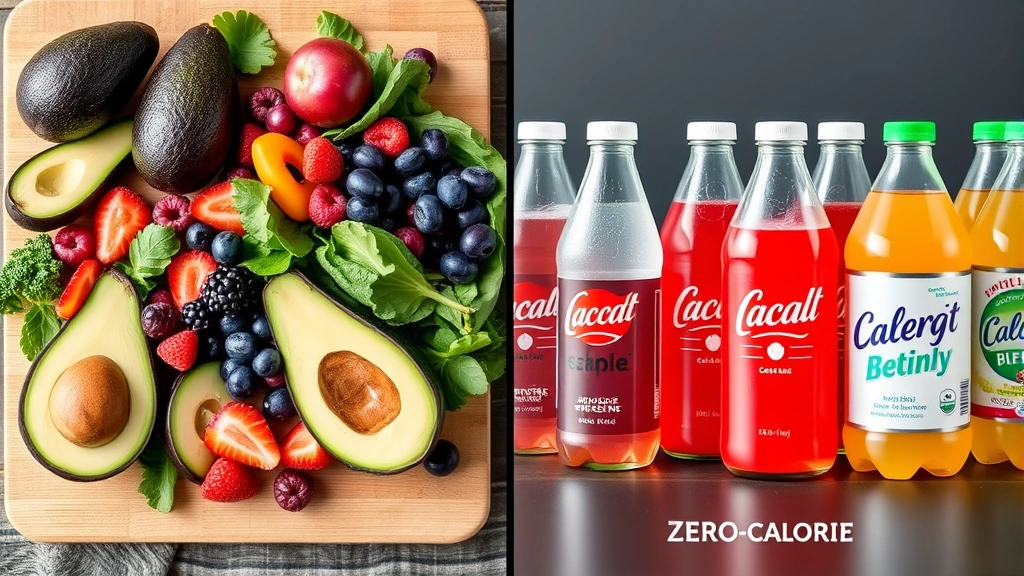
Coca-Cola Zero Nutrition Facts Breakdown
Let’s start with what’s actually in a 12-ounce serving of Coca-Cola Zero Sugar. The beverage contains:
- Calories: 0 grams
- Total Fat: 0 grams
- Sodium: 35 milligrams
- Total Carbohydrates: 0 grams
- Total Sugars: 0 grams
- Caffeine: 34 milligrams
- Artificial Sweeteners: Aspartame and Acesulfame Potassium (Ace-K)
On paper, these numbers look impressive—especially for those counting calories or managing diabetes. The zero-sugar claim is particularly appealing to individuals concerned about blood sugar spikes or weight gain. However, the ingredient list tells a different story. The drink’s sweetness comes entirely from artificial sweetening agents rather than natural sugars, which introduces questions about long-term health effects.
The sodium content, while modest at 35 milligrams per serving, can add up if you consume multiple servings daily. For context, the American Heart Association recommends limiting daily sodium to 2,300 milligrams, making Coca-Cola Zero a relatively low-sodium option. The caffeine content is also worth noting—at 34 milligrams per 12-ounce serving, it’s slightly less than regular Coca-Cola (34mg) but similar to other colas.
Understanding these basic nutrition facts is the foundation for evaluating whether Coca-Cola Zero deserves a place in your diet. But the real question isn’t just about calories and sugar—it’s about what these artificial sweeteners do in your body and whether the absence of sugar truly makes this beverage healthy.

Artificial Sweeteners: The Science Behind Aspartame and Acesulfame K
Coca-Cola Zero’s zero-calorie claim relies entirely on two artificial sweeteners: aspartame and acesulfame potassium. These sugar substitutes have been approved by the FDA and are considered safe for most people, but understanding how they work and what research says about them is crucial for making an informed decision.
Aspartame has been used in diet sodas since the 1980s and is one of the most studied food additives in history. It’s approximately 200 times sweeter than sugar, which means manufacturers can use tiny amounts to achieve the desired sweetness. When consumed, aspartame breaks down into three components: aspartic acid, phenylalanine, and methanol. For most people, these metabolites are processed normally and eliminated from the body. However, individuals with phenylketonuria (PKU), a rare genetic disorder, must avoid phenylalanine entirely.
Acesulfame Potassium (Ace-K) is another artificial sweetener that’s about 200 times sweeter than sugar. Unlike aspartame, Ace-K is not metabolized by the body and passes through essentially unchanged. This means it doesn’t contribute calories or affect blood sugar, which sounds ideal. However, some research suggests that artificial sweeteners, in general, may influence gut bacteria and metabolism in ways we’re still learning about.
According to FDA guidelines on food additives, both aspartame and Ace-K are recognized as safe when consumed within acceptable daily intake limits. The FDA sets an acceptable daily intake (ADI) for aspartame at 50 milligrams per kilogram of body weight. For a 150-pound adult, this means consuming up to 3,400 milligrams of aspartame daily would still be considered safe—equivalent to drinking about 9-10 cans of Coca-Cola Zero.
However, safety approval doesn’t necessarily equal health optimization. Recent research has raised questions about whether artificial sweeteners might have subtle effects on metabolism, appetite regulation, and the gut microbiome. A 2022 study published in the journal Cell found that artificial sweeteners affected glucose tolerance differently in different people, suggesting personalized responses to these compounds.
Comparing Coca-Cola Zero to Regular Cola and Other Diet Options
To properly evaluate Coca-Cola Zero, it’s helpful to compare it to its alternatives. Regular Coca-Cola contains 140 calories and 39 grams of sugar per 12-ounce serving—enough to spike blood glucose levels significantly. Diet Coke, by contrast, uses aspartame alone and contains the same zero calories as Coca-Cola Zero but with a different sweetener blend and slightly different taste profile.
Here’s how these beverages stack up:
| Beverage | Calories | Sugar | Sweeteners |
|---|---|---|---|
| Regular Coca-Cola | 140 | 39g | High Fructose Corn Syrup |
| Coca-Cola Zero | 0 | 0g | Aspartame, Ace-K |
| Diet Coke | 0 | 0g | Aspartame |
| Water | 0 | 0g | None |
From a pure calorie and sugar perspective, Coca-Cola Zero is objectively better than regular Coca-Cola. It eliminates the 140 calories and 39 grams of sugar that would spike your blood glucose and contribute to weight gain. For individuals managing diabetes or trying to lose weight, this is genuinely significant.
However, when compared to water, unsweetened tea, or other naturally sugar-free beverages, Coca-Cola Zero introduces artificial sweeteners and caffeine that plain water doesn’t contain. The choice between Coca-Cola Zero and Diet Coke essentially comes down to personal preference, as both are zero-calorie options with minimal nutritional differences.
What Dietitians Actually Say About Zero-Sugar Drinks
Professional dietitians have a nuanced perspective on zero-sugar beverages like Coca-Cola Zero. Rather than outright condemning them, most registered dietitian nutritionists acknowledge that these drinks can be part of a balanced diet when consumed in moderation, but they’re not a health beverage that should replace water as your primary drink.
The consensus among nutrition experts is that Coca-Cola Zero is a harm reduction tool rather than a health-promoting beverage. If you’re currently drinking regular soda with 140 calories and 39 grams of sugar, switching to Coca-Cola Zero eliminates a significant source of empty calories and refined sugar. This transition can support weight loss and improve blood sugar control, making it a valuable stepping stone.
However, dietitians emphasize that the ideal scenario is moving toward developing a healthy nutrition plan where water becomes your primary beverage. The American Heart Association recommends getting your hydration primarily from water, unsweetened tea, and other beverages without added sugars or artificial sweeteners.
Research from Pew Research Center on consumer beverage habits shows that Americans are gradually shifting toward healthier drink choices, though sugary and artificially sweetened beverages remain popular. Dietitians view this as a long-term cultural shift that includes acknowledging that beverages like Coca-Cola Zero can serve as transition drinks.
Dr. Lisa Young, a registered dietitian nutritionist, notes that while artificial sweeteners are safe, they don’t provide nutritional benefits and may perpetuate sweet-taste cravings. This psychological aspect is important: regularly consuming artificially sweetened drinks might make it harder to develop a preference for less-sweet beverages.
Potential Health Concerns and Research Findings
While Coca-Cola Zero is technically safe according to regulatory agencies, emerging research suggests potential concerns worth considering. These aren’t definitive warnings, but rather areas where scientific understanding is evolving.
Artificial Sweeteners and Metabolic Effects: Some research suggests that artificial sweeteners might affect how your body regulates glucose and processes calories. A 2022 study in Nature found that artificial sweeteners affected glucose tolerance in a personalized manner, meaning some people’s bodies responded differently to these compounds than others. This doesn’t mean they’re dangerous, but it suggests individual variation in response.
Gut Microbiome Changes: The trillions of bacteria in your digestive system, collectively known as your gut microbiome, play important roles in metabolism, immunity, and overall health. Some research indicates that artificial sweeteners may alter the composition and function of gut bacteria, though the long-term implications remain unclear. This is an active area of research, and conclusions are still preliminary.
Appetite and Weight Management Paradox: Interestingly, some epidemiological studies show a correlation between diet soda consumption and weight gain—the opposite of what you’d expect from a zero-calorie beverage. This has led to the “reverse causation” hypothesis: people who are already overweight or trying to lose weight may drink more diet soda, rather than diet soda causing weight gain. However, some researchers suggest that artificial sweeteners might affect satiety signals, potentially leading to increased overall calorie consumption.
Bone Health Considerations: Phosphoric acid, present in Coca-Cola Zero, has been studied in relation to bone health. While the evidence is mixed, some research suggests that excessive phosphoric acid consumption might affect calcium absorption. However, the amounts in cola beverages are generally considered too small to significantly impact bone health in people with adequate calcium intake.
It’s important to contextualize these concerns: Coca-Cola Zero in moderation is not going to harm you. The risks, if they exist, are primarily associated with regular, excessive consumption over many years.
The Role of Carbonation and Caffeine
Beyond the artificial sweeteners, Coca-Cola Zero contains two other components worth discussing: carbonation and caffeine.
Carbonation: The bubbles in Coca-Cola Zero come from carbon dioxide gas. Carbonation itself doesn’t cause weight gain or have negative health effects, though it can contribute to bloating or digestive discomfort in some people. Some research suggests that carbonated beverages might be associated with increased calorie consumption due to how they affect gastric distension signals, but this effect is minimal and not unique to Coca-Cola Zero.
Caffeine: At 34 milligrams per 12-ounce serving, Coca-Cola Zero contains a modest amount of caffeine. For comparison, a cup of coffee contains about 95-200 milligrams of caffeine. The FDA considers 400 milligrams of caffeine daily to be safe for most adults. Consuming multiple Coca-Cola Zeros daily could contribute to caffeine intake, particularly for individuals sensitive to caffeine or children who should limit their caffeine consumption.
The combination of carbonation and caffeine might contribute to tooth enamel erosion over time, particularly if Coca-Cola Zero becomes your primary beverage. The acidity of the drink (pH around 3.0) is similar to other colas and can soften tooth enamel, though brushing teeth with fluoride toothpaste and limiting consumption can mitigate this risk.
How Coca-Cola Zero Fits Into a Healthy Nutrition Plan
The key to determining whether Coca-Cola Zero has a place in your diet is understanding your personal health goals and current beverage habits. For different scenarios, the answer differs:
If you currently drink regular soda: Switching to Coca-Cola Zero is a positive change. You’ll eliminate 140 calories and 39 grams of sugar per serving, which can meaningfully impact weight management and blood sugar control. This transition can be an effective strategy while you work toward reducing overall soda consumption.
If you’re trying to lose weight: Coca-Cola Zero can support weight loss by replacing calorie-dense beverages with a zero-calorie option. However, it’s most effective when combined with meal planning strategies and a focus on whole foods. Don’t expect Coca-Cola Zero alone to produce weight loss; it simply removes an obstacle to weight management.
If you have diabetes or blood sugar concerns: The zero-sugar content makes Coca-Cola Zero a better choice than regular soda for managing blood glucose levels. However, the artificial sweeteners might affect your glucose response individually, so monitor how your body responds and discuss with your healthcare provider.
If you’re health-conscious and primarily drink water: Adding Coca-Cola Zero to your routine isn’t necessary. Maintaining water as your primary beverage, supplemented with unsweetened tea or other nutrient-dense options, is the optimal approach. If you occasionally enjoy Coca-Cola Zero, this isn’t problematic, but it shouldn’t replace your water intake.
The broader context of your diet matters tremendously. Coca-Cola Zero consumed occasionally as part of an otherwise healthy diet with adequate fiber, nutrients, and whole foods is far less concerning than regular consumption combined with a diet of processed foods. Understanding dietary fiber’s importance and other nutritional foundations helps put beverage choices in perspective.
For those interested in understanding how individual foods and beverages fit into overall nutrition, resources like the nutrition facts about nutrient-dense foods provide helpful context. Similarly, exploring how nutrition impacts mental health can motivate broader dietary improvements beyond just beverage choices.
If you do choose to consume Coca-Cola Zero, consider these practical guidelines:
- Limit to one serving daily or fewer: This keeps caffeine intake moderate and minimizes artificial sweetener exposure.
- Drink it with meals rather than alone: This reduces the impact on tooth enamel and helps with satiety.
- Maintain water as your primary beverage: Aim for at least 8-10 glasses of water daily, with Coca-Cola Zero as an occasional supplement if desired.
- Monitor your response: Pay attention to how your body responds—appetite, energy levels, cravings—and adjust accordingly.
- Maintain good oral hygiene: Brush teeth with fluoride toothpaste and consider using a straw when consuming acidic beverages.
FAQ
Is Coca-Cola Zero completely safe to drink every day?
Coca-Cola Zero is technically safe according to FDA standards even if consumed daily, as long as you stay within acceptable daily intake limits for artificial sweeteners. However, nutritionists don’t recommend it as a daily beverage because it doesn’t provide nutritional benefits and regular consumption of artificial sweeteners may affect appetite regulation and gut health. Water should remain your primary daily drink.
Does Coca-Cola Zero actually help with weight loss?
Coca-Cola Zero can support weight loss by replacing higher-calorie beverages like regular soda, juice, or sweetened coffee drinks. However, it doesn’t actively promote weight loss on its own. Weight loss requires a calorie deficit achieved through overall diet and exercise. Coca-Cola Zero simply removes an obstacle (liquid calories) from your nutrition plan.
Are the artificial sweeteners in Coca-Cola Zero bad for you?
The artificial sweeteners (aspartame and acesulfame potassium) in Coca-Cola Zero are approved as safe by the FDA. However, “safe” doesn’t mean “optimal for health.” Emerging research suggests these sweeteners might affect metabolism and gut bacteria in subtle ways that we’re still learning about. For most people, occasional consumption poses no known significant health risk.
How does Coca-Cola Zero compare to Diet Coke?
Both Coca-Cola Zero and Diet Coke are zero-calorie, zero-sugar beverages. Diet Coke uses aspartame alone, while Coca-Cola Zero uses aspartame and acesulfame potassium. The nutritional differences are minimal; the choice comes down to taste preference. Neither offers health advantages over the other.
Can children drink Coca-Cola Zero?
Coca-Cola Zero contains 34 milligrams of caffeine per 12-ounce serving. The American Academy of Pediatrics recommends that children limit caffeine consumption. Additionally, establishing healthy beverage habits early is important, and water should be the primary drink for children. Occasional consumption in older children isn’t harmful, but it shouldn’t become a regular habit.
Does Coca-Cola Zero affect blood sugar levels?
Coca-Cola Zero contains zero grams of sugar, so it doesn’t directly raise blood glucose levels like regular soda does. However, some research suggests that artificial sweeteners might affect glucose tolerance in personalized ways—some people’s bodies may respond differently than others. If you have diabetes, monitor your individual response and discuss with your healthcare provider.
What’s the best alternative to Coca-Cola Zero?
Water is the optimal alternative to any soda. If you want flavor, unsweetened tea (hot or cold), sparkling water with a splash of fruit juice, or infused water with cucumber, lemon, or berries are healthier options. These alternatives provide hydration without artificial sweeteners, added sugars, or caffeine (unless you choose caffeinated tea).


