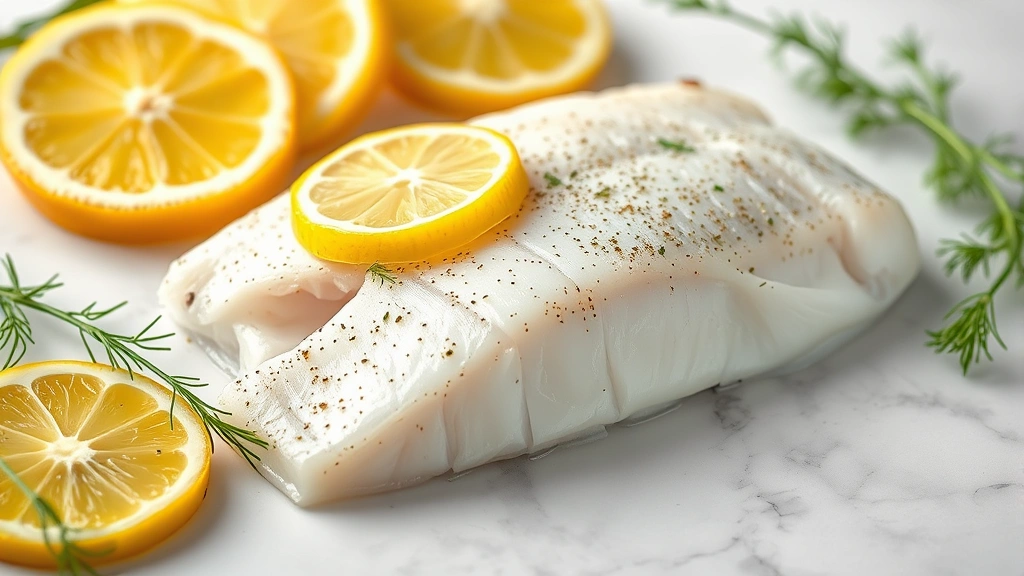
Is Cod Fish Healthy? Dietitian’s Insight on Nutrition, Benefits, and Best Practices
Cod has long been considered a cornerstone of healthy eating, particularly in Mediterranean and Northern European cuisines. This white fish appears on nutritionists’ recommended lists worldwide, but what does the science actually say about cod nutrition? As a registered dietitian nutritionist, I’ve examined the evidence extensively, and the answer is more nuanced than a simple yes or no. Cod delivers impressive nutritional benefits—from lean protein to essential micronutrients—but context matters significantly when evaluating whether it belongs in your diet.
In this comprehensive guide, we’ll explore cod’s nutritional profile, examine its health benefits, address potential concerns like mercury content, and provide practical guidance for incorporating this versatile fish into a balanced eating plan. Whether you’re building a healthy nutrition plan or simply curious about fish selection, understanding cod’s role in your diet is essential.
Cod’s Complete Nutritional Profile
Understanding what you’re actually consuming is the foundation of informed dietary choices. A 100-gram serving of cooked Atlantic cod (approximately 3.5 ounces) contains roughly 82 calories, making it exceptionally lean compared to fattier fish varieties. The macronutrient breakdown reveals why nutritionists frequently recommend cod: approximately 17.8 grams of high-quality protein, just 0.7 grams of total fat, and zero carbohydrates.
The protein in cod is complete, meaning it contains all nine essential amino acids your body cannot produce independently. This makes cod particularly valuable for muscle maintenance, immune function, and tissue repair. For individuals following tips for meal planning focused on protein optimization, cod provides an excellent low-calorie option.
Beyond macronutrients, cod delivers an impressive array of micronutrients. A 100-gram serving provides approximately 89 micrograms of selenium (128% of the daily value), a trace mineral crucial for thyroid function and antioxidant defense. Cod also contains significant quantities of vitamin B12 (0.9 micrograms per 100g), essential for neurological health and red blood cell formation. Additionally, you’ll find meaningful amounts of phosphorus, niacin, and vitamin B6.
The omega-3 fatty acid content in cod deserves specific attention. While cod contains considerably less omega-3 than fatty fish like salmon, it still provides approximately 150-200 mg per 100-gram serving. These polyunsaturated fats support cardiovascular health, reduce inflammation, and contribute to cognitive function.
Key Health Benefits of Cod Fish
The scientific literature supporting cod consumption is substantial. According to research published in the American Journal of Clinical Nutrition, regular fish consumption—particularly lean white fish—is associated with improved cardiovascular outcomes and reduced mortality risk. Cod’s specific benefits extend across multiple health domains:
- Heart Health: The combination of lean protein, minimal saturated fat, and omega-3 fatty acids makes cod an excellent choice for cardiovascular protection. Studies show fish consumption correlates with lower blood pressure and improved cholesterol profiles.
- Brain Function: Selenium and vitamin B12 in cod support cognitive health and neuroplasticity. Additionally, the omega-3 content contributes to neural membrane integrity. This connection between nutrition and mental health underscores cod’s role in comprehensive wellness.
- Weight Management: Cod’s high protein density and low caloric load make it particularly satiating. Research demonstrates that protein-rich meals enhance satiety signaling, potentially reducing overall caloric intake.
- Bone Health: The phosphorus and selenium content, combined with vitamin D (when wild-caught), supports skeletal integrity and mineral homeostasis.
- Immune Function: Selenium acts as a cofactor for selenoproteins involved in immune response. The vitamin B6 in cod participates in antibody production and white blood cell function.
A Harvard School of Public Health analysis examining fish consumption patterns found that individuals consuming fish 2-3 times weekly experienced significantly better health outcomes than non-consumers, with lean white fish like cod providing similar benefits to fattier varieties when consumed consistently.
Mercury and Safety Considerations
Concerns about mercury contamination in fish are legitimate and warrant serious consideration. However, cod specifically ranks among the lowest-mercury fish available. According to FDA guidance, cod contains approximately 0.1 parts per million of mercury, well below the 1.0 ppm threshold for concern. This places cod in the “best choices” category for fish consumption, alongside flounder, pollock, and tilapia.
The FDA recommends that adults consume 2-3 servings of low-mercury fish weekly, and cod fits perfectly within this framework. Pregnant women and young children, who face greater vulnerability to mercury’s neurological effects, can safely consume cod 2-3 times weekly according to current guidelines.
Beyond mercury, understanding sourcing matters significantly. Farmed Atlantic cod carries different environmental considerations than wild-caught varieties. Farmed cod may contain higher levels of antibiotics and parasitic treatments, though regulatory oversight has improved substantially. Wild-caught cod from sustainable fisheries presents an alternative, though sustainability concerns exist regarding overfishing in certain Atlantic regions.
Microplastics represent an emerging concern in seafood, though research on cod specifically remains limited. Choosing whole-cut cod rather than processed fish products may reduce microplastic exposure, as processing often involves additional steps that could introduce contamination.
Best Preparation Methods for Maximum Nutrition
How you prepare cod dramatically influences its nutritional value. The healthiest preparation methods preserve nutrients while avoiding added unhealthy fats and sodium:
- Steaming or Poaching: These gentle cooking methods preserve heat-sensitive B vitamins and maintain the fish’s natural moisture without added fat. Poaching in low-sodium broth or water with herbs enhances flavor while maintaining nutritional integrity.
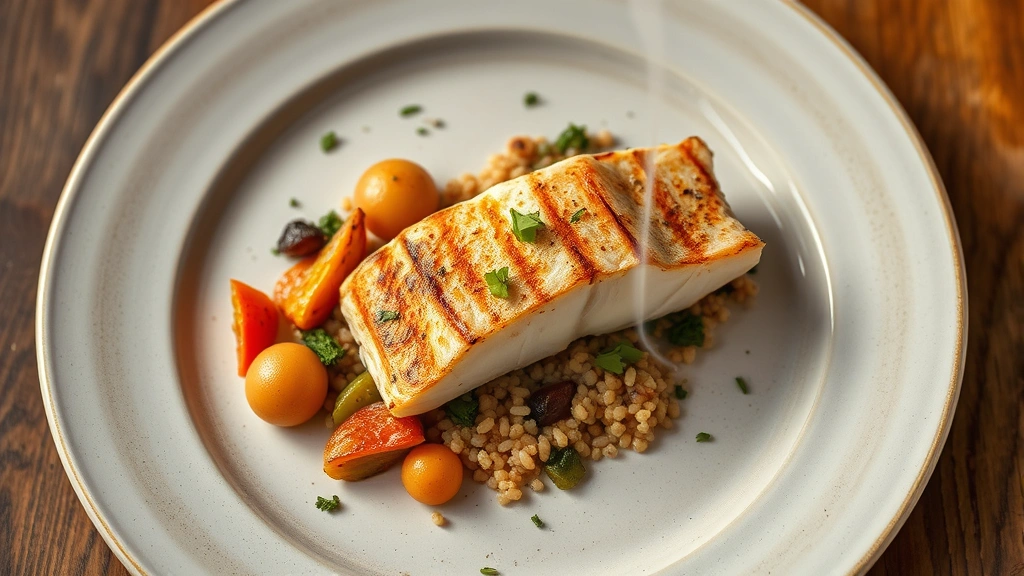
- Baking: Baking cod at 400°F for 12-15 minutes (depending on thickness) allows even cooking while preserving selenium and other minerals. Light drizzling with olive oil and lemon provides flavor without excessive calories.
- Grilling: High-heat grilling creates beneficial compounds while maintaining nutrient density. The charring process generates compounds with potential antioxidant properties, though excessive charring should be avoided.
- Pan-Searing: Using minimal oil and high heat creates a flavorful crust while maintaining internal moisture and nutritional content.
Avoid deep-frying, which dramatically increases caloric content (from 82 to 200+ calories per serving) while introducing oxidized vegetable oils associated with inflammation. Breading, common in fish preparation, adds unnecessary refined carbohydrates and obscures the fish’s natural flavor profile.
Seasoning strategies enhance palatability without compromising health. Fresh herbs (dill, parsley, cilantro), citrus, garlic, and spices provide robust flavor while contributing additional phytochemicals. A squeeze of fresh lemon juice, containing vitamin C, actually enhances iron absorption from the cod.
How Cod Compares to Other Fish
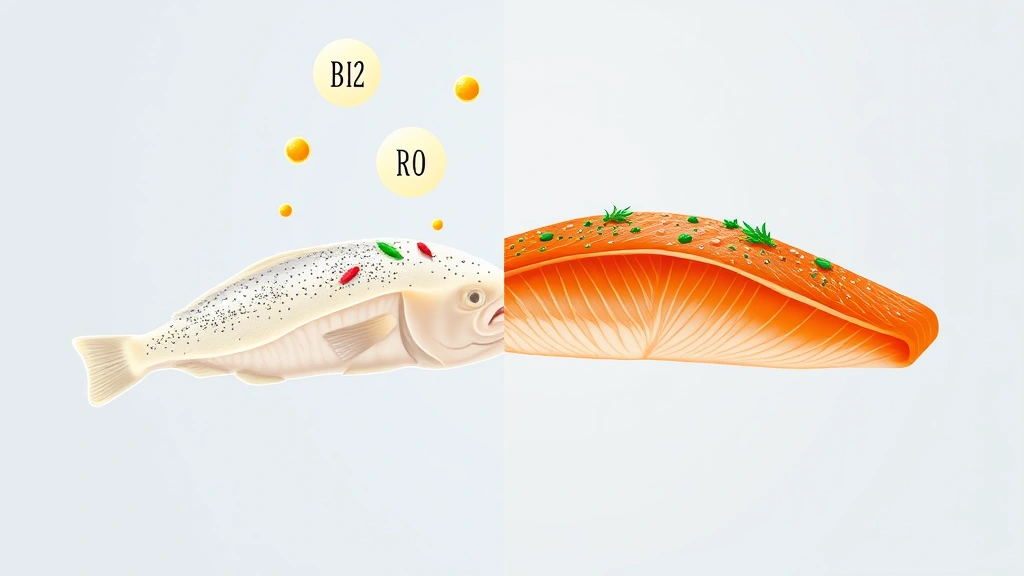
Understanding cod’s position within the broader fish landscape helps contextualize its nutritional value. Compared to salmon, cod contains significantly less omega-3 (150-200 mg versus 2,300 mg per 100g), making salmon superior for individuals specifically seeking omega-3 benefits. However, salmon contains more than double the calories and fat, making cod preferable for calorie-conscious consumers.
Versus tilapia, another lean white fish, cod provides comparable protein but superior micronutrient density, particularly selenium and B vitamins. Compared to catfish, cod delivers superior omega-3 content and lower mercury levels. When evaluated against shellfish like shrimp, cod offers more complete protein and superior micronutrient diversity.
For individuals building comprehensive nutrition strategies, incorporating variety serves best. Rotating between cod, salmon, halibut, and other fish ensures diverse micronutrient intake while preventing monotony. This approach aligns with principles of comprehensive nutritional science emphasizing dietary diversity.
Incorporating Cod Into Your Diet
Practical integration of cod into weekly eating patterns requires strategic planning. For optimal health outcomes, aim for 2-3 cod servings weekly, each approximately 3-4 ounces (85-115 grams). This frequency provides consistent micronutrient intake while maintaining dietary variety.
Consider pairing cod with complementary foods that enhance nutrient absorption and create balanced meals. Combining cod with nutrition facts about avocados introduces healthy monounsaturated fats that support fat-soluble vitamin absorption. Including whole grains provides fiber and B vitamins, while cruciferous vegetables like broccoli or Brussels sprouts add phytochemicals and additional micronutrients.
Sample meal combinations might include: baked cod with quinoa and roasted asparagus; steamed cod with brown rice and sautéed spinach; or grilled cod with sweet potato and steamed green beans. These combinations create nutritionally complete meals addressing protein, complex carbohydrates, healthy fats, and micronutrient requirements.
For individuals prioritizing the importance of dietary fiber for your health, pairing cod with fiber-rich accompaniments becomes essential, as fish alone provides no fiber. This strategic pairing creates meals supporting digestive health, blood sugar regulation, and sustained satiety.
Storage and food safety matter significantly. Fresh cod should be consumed within 1-2 days of purchase or frozen immediately. Frozen cod maintains nutritional integrity for 3-4 months when properly stored. Thaw frozen cod in the refrigerator overnight rather than at room temperature to prevent bacterial proliferation.
FAQ
Is cod fish healthy for weight loss?
Yes, cod is exceptionally beneficial for weight loss efforts. At 82 calories per 100 grams with 17.8 grams of protein, cod provides substantial satiety with minimal caloric investment. The high protein content increases thermic effect (calories burned during digestion), potentially boosting metabolic rate by 20-30% compared to carbohydrates or fats. For calorie-controlled diets, cod represents an optimal protein source.
How much mercury is in cod?
Cod contains approximately 0.1 parts per million of mercury, placing it in the FDA’s “best choices” category. This level is considered safe for regular consumption—the FDA recommends adults consume 2-3 servings of low-mercury fish weekly. Pregnant women and young children can safely consume cod 2-3 times weekly according to current evidence-based guidelines.
Can I eat cod every day?
While cod is nutritionally excellent, daily consumption isn’t necessary or ideal. Eating cod 2-3 times weekly provides optimal micronutrient intake while maintaining dietary diversity. Daily fish consumption could theoretically increase microplastic and environmental contaminant exposure, though research on cod specifically remains limited. Dietary variety supports broader nutritional adequacy and prevents potential monotony-related nutrient gaps.
Is farmed or wild-caught cod better?
Both options present trade-offs. Wild-caught cod may contain lower antibiotic residues but raises sustainability concerns in certain Atlantic regions. Farmed cod offers consistent availability and potentially lower mercury levels but may contain parasitic treatment residues. From a purely nutritional perspective, differences are minimal. Selecting sustainably sourced varieties—whether farmed or wild-caught—matters more than the farming method itself.
What’s the best way to cook cod?
Steaming, poaching, baking, or light pan-searing preserve maximum nutritional value while avoiding added unhealthy fats. These gentle cooking methods maintain heat-sensitive B vitamins and selenium bioavailability. Avoid deep-frying, which dramatically increases caloric content and introduces oxidized vegetable oils associated with inflammation.
Does cod have omega-3 fatty acids?
Cod contains omega-3 fatty acids, approximately 150-200 mg per 100-gram serving, but substantially less than fatty fish like salmon (2,300 mg per 100g). For individuals specifically seeking omega-3 benefits, salmon or other fatty fish provide superior quantities. However, cod’s omega-3 content still contributes meaningfully to cardiovascular and cognitive health when consumed regularly.


