
Corn Flakes Nutrition Facts: Expert Analysis & Health Implications
Corn Flakes has been a breakfast staple in American households for over a century, with its distinctive golden flakes and crispy texture making it one of the most recognizable cereals on grocery shelves. However, the nutritional profile of this iconic breakfast choice has become increasingly scrutinized by health experts and nutrition scientists. Understanding the actual nutritional composition of Corn Flakes is essential for making informed dietary decisions, particularly for families concerned about sugar intake, whole grain content, and micronutrient balance.
This comprehensive analysis examines the detailed corn flakes nutrition facts, exploring what the label actually tells us about this breakfast classic. We’ll break down the macronutrients, micronutrients, and additives, while comparing Corn Flakes to other breakfast options and discussing its place within a balanced diet. Whether you’re a long-time consumer or considering this cereal for the first time, this expert breakdown provides the evidence-based information you need to understand exactly what you’re eating.
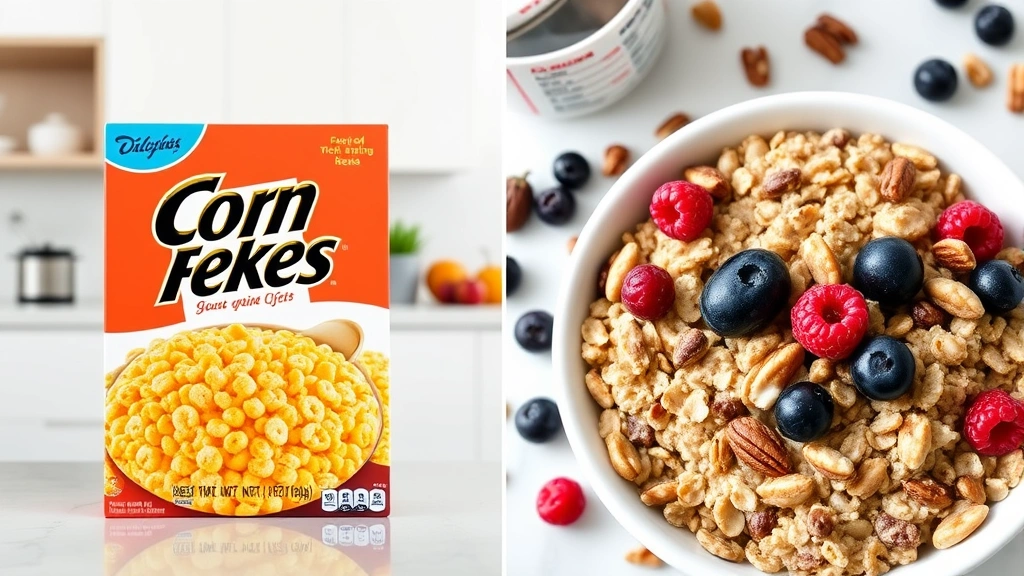
Nutritional Breakdown Per Serving
A standard serving of Corn Flakes is typically defined as one cup (28 grams), which contains approximately 100 calories. This modest calorie count is one reason the cereal appeals to weight-conscious consumers, though portion control remains critical since many people consume significantly larger servings. The nutrition label reveals a relatively straightforward composition: carbohydrates dominate the macronutrient profile, while protein and fat content remain minimal.
Breaking down the standard serving size, you’ll find roughly 24 grams of carbohydrates, 2 grams of protein, and less than 1 gram of fat. This composition reflects the cereal’s primary ingredient—milled corn—which naturally provides carbohydrates while being low in protein and fat. The extremely low fat content makes Corn Flakes appealing to those following low-fat dietary approaches, though modern nutrition science increasingly recognizes that dietary fat isn’t inherently problematic when consumed in appropriate amounts.
Understanding serving sizes becomes crucial because most people don’t consume exactly one cup of cereal. Research from the Pew Research Center on consumer eating habits shows that actual cereal consumption often exceeds recommended serving sizes by 50-100%, meaning real-world calorie and nutrient intake can be significantly higher than the label suggests. This discrepancy between listed serving sizes and actual consumption patterns represents one of the most important considerations when evaluating breakfast cereals.

Macronutrient Analysis
The macronutrient composition of Corn Flakes reflects its primary source: refined corn kernels processed into thin flakes. The carbohydrate content represents approximately 96% of the cereal’s caloric contribution, making it almost exclusively a carbohydrate-based food. However, not all carbohydrates are created equal, and this distinction becomes critical when assessing Corn Flakes’ nutritional value.
The carbohydrates in Corn Flakes consist primarily of simple sugars and refined starches. During the milling process, the bran and germ—the fiber-rich and nutrient-dense portions of the corn kernel—are removed, leaving primarily the starchy endosperm. This refining process strips away much of the nutritional complexity that whole corn provides. The resulting simple carbohydrates are rapidly absorbed, causing quick spikes in blood glucose levels. This glycemic response has significant implications for energy stability, satiety, and long-term metabolic health.
Protein content at 2 grams per serving is notably low, which is problematic for breakfast as a meal designed to initiate your day with sustained energy. Protein provides satiety and helps stabilize blood sugar levels, yet Corn Flakes provides minimal amounts. When consumed without additional protein sources—such as milk, yogurt, or nuts—Corn Flakes leaves consumers vulnerable to mid-morning hunger and energy crashes. This is why nutrition experts recommend pairing Corn Flakes with protein-rich accompaniments rather than consuming it alone.
The nearly negligible fat content (less than 1 gram) means Corn Flakes provides virtually no essential fatty acids or fat-soluble vitamin absorption support. While excessive dietary fat is problematic, moderate amounts are necessary for hormone production, cell membrane function, and the absorption of fat-soluble vitamins A, D, E, and K. The complete absence of fat in Corn Flakes represents another nutritional limitation of this breakfast choice.
Micronutrients and Fortification
One of the most significant aspects of Corn Flakes’ nutritional profile is its fortification with synthetic vitamins and minerals. Because refined grains lose most of their natural micronutrient content during processing, manufacturers add back specific nutrients to meet regulatory standards. This fortification is why Corn Flakes contains meaningful amounts of several B vitamins, iron, and other micronutrients despite the nutritional losses from processing.
A serving of Corn Flakes typically provides 10% of the daily value for iron, 25% for thiamine (vitamin B1), 25% for niacin (vitamin B3), and 10% for vitamin B6. These additions are technically valuable, yet they represent a fundamental difference from obtaining micronutrients from whole foods. Synthetic vitamins may have different bioavailability compared to their naturally occurring counterparts, and fortified foods lack the complex phytonutrient matrix that whole foods provide.
The iron fortification deserves particular attention. Corn Flakes typically contains added iron that’s poorly bioavailable—meaning your body struggles to absorb it effectively. The type of iron added to cereals (usually reduced iron powder) is less absorbable than the heme iron found in animal products or the iron naturally present in whole grains. Vitamin C enhances iron absorption, which is why consuming orange juice alongside Corn Flakes improves iron uptake, yet most consumers don’t make this pairing intentionally.
Regarding dietary fiber for your health, Corn Flakes provides minimal amounts—typically less than 1 gram per serving. This is substantially below the 25-30 grams of daily fiber recommended by health organizations. The fiber deficiency is a direct consequence of removing the bran during milling, and this represents one of Corn Flakes’ most significant nutritional shortcomings compared to whole grain alternatives.
Sugar Content Reality Check
While original Corn Flakes contains approximately 3-4 grams of sugar per serving, making it relatively moderate compared to many sweetened cereals, the sugar question requires deeper analysis. This sugar comes from two sources: naturally occurring sugars in corn and added sugars introduced during manufacturing. The distinction matters because added sugars provide empty calories without additional nutritional benefit.
The actual sugar content becomes more concerning when considering realistic consumption patterns. A typical adult serving might be 1.5 to 2 cups, which doubles or triples the sugar intake to 6-8 grams. Add milk (which contains lactose, a natural sugar), and the total sugar consumption climbs further. For children, who often consume larger portions relative to body weight, the sugar impact becomes even more significant.
The American Heart Association recommends limiting added sugars to 6 teaspoons (25 grams) daily for women and 9 teaspoons (36 grams) for children. While a single bowl of Corn Flakes doesn’t exceed these limits, it represents a meaningful portion, particularly when combined with other sweetened foods throughout the day. The concern isn’t primarily about Corn Flakes’ absolute sugar content but rather its contribution to the cumulative sugar intake in typical modern diets.
From a metabolic perspective, the rapid absorption of refined carbohydrates and sugars in Corn Flakes creates blood glucose spikes that trigger insulin responses. Over time, these repeated glucose fluctuations may contribute to insulin resistance and metabolic dysfunction. This is why nutrition and mental health experts increasingly emphasize stable blood sugar as foundational to both cognitive function and emotional regulation.
Fiber and Whole Grains
The fiber deficiency in Corn Flakes represents perhaps its most critical nutritional gap. Containing less than 1 gram of fiber per serving, Corn Flakes falls dramatically short of supporting digestive health, satiety, or the metabolic benefits that dietary fiber provides. This shortage directly results from the refining process that removes the bran—the primary fiber source in whole grains.
Dietary fiber serves multiple crucial functions: it promotes healthy digestion, feeds beneficial gut bacteria, helps regulate blood sugar levels, supports cholesterol management, and provides satiety that helps prevent overeating. The absence of meaningful fiber in Corn Flakes means consumers miss these benefits, particularly problematic in a breakfast context where starting the day with adequate fiber supports metabolic health throughout the morning.
Whole grain alternatives—such as oatmeal, whole wheat cereals, or brown rice-based cereals—provide 3-6 grams of fiber per serving, offering substantially more digestive support. When examining healthy nutrition plan guidance, nutrition professionals consistently recommend prioritizing whole grains over refined grain products. The difference between refined corn flakes and whole grain cereals extends far beyond fiber content—it encompasses the entire micronutrient, phytonutrient, and metabolic impact profile.
The glycemic index of Corn Flakes is notably high (around 81), meaning it rapidly raises blood glucose levels compared to lower-glycemic alternatives. This high glycemic response, combined with minimal fiber and protein, creates conditions for blood sugar crashes that often trigger afternoon fatigue and increased hunger signals. These metabolic consequences make Corn Flakes a suboptimal choice for sustained energy, particularly for individuals with blood sugar regulation concerns or diabetes.
Additives and Ingredients
Beyond the primary corn ingredient, Corn Flakes contains several additives that warrant examination. The ingredient list typically includes malt flavoring, sugar, salt, and various vitamins and minerals added during fortification. While none of these are inherently dangerous in the quantities present, they represent processing interventions that distinguish Corn Flakes from whole food alternatives.
The malt flavoring adds subtle sweetness and the characteristic taste consumers associate with the brand. This flavoring is derived from barley and contributes to the overall taste profile, though it adds minimal nutritional value. Salt content, typically around 140-180 mg per serving, represents a meaningful sodium contribution, particularly concerning for individuals managing hypertension or salt sensitivity.
The synthetic vitamins added through fortification—including thiamine, niacin, vitamin B6, and iron—are chemically identical to naturally occurring versions but lack the synergistic compounds that enhance nutrient absorption in whole foods. This distinction matters because nutrient bioavailability depends not just on the nutrient itself but on the food matrix in which it exists. A fortified processed food provides isolated nutrients in a way that whole foods cannot.
Cellulose, sometimes added as an anti-caking agent, is essentially purified plant fiber that doesn’t contribute meaningfully to the dietary fiber content mentioned on the label. This represents a common food industry practice of adding non-nutritive bulk to achieve desired texture and shelf-stability characteristics. Understanding these ingredient distinctions helps consumers recognize that food labels tell only part of the nutritional story.
Comparison with Alternatives
To properly contextualize Corn Flakes’ nutritional value, comparing it with alternative breakfast cereals and options reveals significant differences in overall nutritional impact. Oatmeal, for instance, provides 5-6 grams of fiber per serving compared to Corn Flakes’ less than 1 gram, along with superior protein content and a lower glycemic index. These differences translate into substantially better satiety, blood sugar stability, and long-term metabolic health benefits.
Whole grain cereals—including whole wheat, brown rice, or quinoa-based options—similarly outperform Corn Flakes across multiple nutritional metrics. They provide more fiber, higher protein content (particularly when paired with nuts or seeds), more complete micronutrient profiles, and superior satiety. While these alternatives may cost slightly more or require adjustment to different taste profiles, the nutritional advantages justify consideration.
Greek yogurt with berries and nuts represents another breakfast alternative that surpasses Corn Flakes nutritionally. This combination provides substantial protein (15-20 grams), fiber from berries and nuts (4-6 grams), healthy fats for satiety and nutrient absorption, and a superior micronutrient profile. The satiety from this combination typically extends several hours, whereas Corn Flakes often leaves consumers hungry within 2-3 hours.
Eggs, whether scrambled, poached, or as an omelet with vegetables, offer complete protein with all essential amino acids, various micronutrients including choline for brain health, and healthy fats that support satiety and nutrient absorption. Comparing eggs to Corn Flakes reveals the nutritional gulf between whole foods and processed grain products—eggs provide roughly 6 grams of protein and substantial micronutrient density compared to Corn Flakes’ 2 grams of protein and minimal micronutrient variety.
For those seeking convenient breakfast options similar to Corn Flakes, examining tips for meal planning strategies reveals how to batch-prepare more nutritious alternatives. Overnight oats, prepared in mason jars and stored in the refrigerator, require minimal morning effort while providing superior nutrition. Similarly, homemade granola made with whole grains, nuts, seeds, and minimal added sugar offers comparable convenience to ready-to-eat cereals with substantially better nutritional profiles.
Health Implications and Recommendations
The cumulative nutritional analysis of Corn Flakes reveals a breakfast choice that, while not inherently harmful in moderation, represents a suboptimal selection from a health optimization perspective. The combination of refined carbohydrates, minimal protein, negligible fiber, and low micronutrient density creates a breakfast that fails to establish metabolic stability for the day ahead.
For individuals with specific health conditions, Corn Flakes presents particular concerns. Those managing type 2 diabetes or prediabetes should avoid regular consumption due to the high glycemic index and rapid blood sugar spike response. Individuals with digestive issues benefit from the fiber content in whole grains that Corn Flakes lacks. People managing weight loss find the minimal protein and satiety properties of Corn Flakes counterproductive to appetite regulation.
Children consuming Corn Flakes regularly may experience energy crashes that affect school performance and concentration. The blood glucose spike and subsequent crash creates conditions for attention difficulties and behavioral issues, particularly problematic during morning school hours when cognitive demands peak. Pairing Corn Flakes with protein sources helps mitigate this concern, though whole grain alternatives remain superior choices.
Research from nutrition and public health studies demonstrates that breakfast composition significantly influences metabolic health outcomes over time. Regular consumption of refined grain cereals correlates with increased risk for weight gain, metabolic dysfunction, and cardiovascular disease compared to whole grain alternatives. These long-term health implications extend far beyond any single breakfast choice but accumulate across years and decades of dietary patterns.
That said, occasional consumption of Corn Flakes within an otherwise balanced diet presents minimal health risk. The concern arises with regular or exclusive reliance on this cereal as a primary breakfast choice. For those who enjoy Corn Flakes, strategic modifications improve nutritional value: combining it with higher-fiber whole grain cereals, adding nuts and seeds for protein and healthy fats, using protein-rich milk alternatives like soy or pea milk, or incorporating fresh fruit for additional fiber and micronutrients.
Looking at nutrition facts about avocados and other nutrient-dense foods highlights the dramatic difference between processed cereals and whole food alternatives. Avocados provide healthy fats, fiber, potassium, and various phytonutrients in a single serving—a nutritional profile vastly superior to Corn Flakes. While avocados aren’t traditional breakfast foods in most Western cultures, they exemplify the nutrient density available in whole foods compared to processed alternatives.
The broader context matters significantly. The Corn Flakes brand has dominated breakfast culture for generations through effective marketing and convenient availability. This cultural entrenchment doesn’t reflect superior nutritional value but rather successful brand positioning. As nutrition science evolves and consumers increasingly prioritize health outcomes, the dominance of refined grain cereals like Corn Flakes may gradually shift toward whole grain and protein-rich alternatives.
For individuals seeking to optimize breakfast nutrition, the evidence clearly supports shifting toward whole grains, adequate protein, healthy fats, and fiber-rich options. The Nutrients Pathway Blog provides additional resources for understanding how dietary choices impact long-term health outcomes. Making intentional breakfast choices represents one of the most accessible nutrition interventions available, with immediate and long-term benefits for energy, cognition, metabolic health, and disease prevention.
FAQ
Are Corn Flakes actually healthy?
Corn Flakes are moderately healthy compared to sugar-laden cereals but represent a suboptimal breakfast choice compared to whole grain alternatives. The refined carbohydrates, minimal protein and fiber, and rapid blood sugar impact make them less beneficial than oatmeal, whole grain cereals, or protein-rich breakfast options. They’re acceptable occasionally but shouldn’t be a primary breakfast staple for optimal health.
How much sugar is in Corn Flakes?
Original Corn Flakes contain approximately 3-4 grams of added sugar per standard serving (1 cup). However, realistic consumption often involves 1.5-2 cups, bringing sugar intake to 6-8 grams. When combined with milk (which contains lactose) and other daily foods, this represents a meaningful contribution to total daily sugar intake.
Is Corn Flakes high in fiber?
No, Corn Flakes contains less than 1 gram of fiber per serving, far below the 25-30 grams recommended daily. This fiber deficiency is a significant nutritional limitation, as fiber supports digestive health, satiety, blood sugar regulation, and beneficial gut bacteria. Whole grain cereals provide 3-6 grams per serving, making them substantially superior for fiber intake.
Can Corn Flakes help with weight loss?
Corn Flakes’ low calorie density (100 calories per cup) might seem supportive of weight loss, but the minimal protein and fiber provide poor satiety. Most people feel hungry within 2-3 hours, leading to additional snacking and increased total calorie intake. Higher-protein, higher-fiber breakfast options support weight loss more effectively through improved appetite regulation.
Is Corn Flakes good for diabetics?
Corn Flakes’ high glycemic index (around 81) makes it problematic for individuals with diabetes or prediabetes, as it causes rapid blood glucose spikes that challenge blood sugar management. Diabetics should prioritize low-glycemic breakfast options with adequate fiber and protein, such as oatmeal, whole grain cereals, or protein-based options.
Why is Corn Flakes fortified?
Fortification adds back synthetic vitamins and minerals lost during the refining process that removes the bran and germ. This fortification helps Corn Flakes meet regulatory nutritional standards, but it doesn’t replicate the complete nutrient profile or bioavailability of whole grain alternatives that retain their natural nutritional components.