
Crab Rangoon Nutrition Facts: Expert Analysis
Crab rangoon, the beloved Asian-American appetizer featuring crispy wonton wrappers filled with a creamy crab and cream cheese mixture, has become a staple at Chinese restaurants and takeout counters across North America. While undeniably delicious, understanding the crab rangoon nutrition info is essential for anyone monitoring their dietary intake. This comprehensive analysis breaks down the caloric content, macronutrient composition, and health implications of this indulgent starter.
Whether you’re a casual diner curious about what you’re consuming or someone committed to maintaining a balanced diet, the nutritional profile of crab rangoon reveals why this appetizer should be enjoyed mindfully. Most servings contain significant amounts of calories, saturated fat, and sodium—factors that warrant careful consideration in your overall nutrition strategy.
Crab Rangoon Nutrition Breakdown Per Serving
A typical serving of crab rangoon consists of 3-4 pieces, weighing approximately 85-100 grams. According to nutritional data from major restaurant chains and food databases, a standard serving contains roughly 190-220 calories, though this varies based on preparation method and portion size. The breakdown reveals:
- Calories: 190-220 per 3-4 piece serving
- Total Fat: 10-12 grams
- Saturated Fat: 4-5 grams
- Protein: 6-8 grams
- Carbohydrates: 18-22 grams
- Dietary Fiber: 0-1 gram
- Sodium: 340-420 milligrams
These figures demonstrate why crab rangoon occupies a space between appetizer indulgence and nutritional concern. The caloric density is moderate, but the fat and sodium content require attention, particularly for individuals following a healthy nutrition plan.
Calorie Content and Energy Density
Crab rangoon’s energy density—approximately 2.0-2.3 calories per gram—places it in the moderate-to-high range for appetizers. This means the food delivers substantial calories relative to portion size, a characteristic primarily driven by the deep-frying cooking method and cream cheese filling.
When consumed as part of a restaurant meal, a typical order of 6-8 pieces represents 380-440 calories, which can constitute 19-22% of a 2,000-calorie daily diet. As an appetizer preceding an entrée, this caloric investment warrants consideration. The crispy wonton wrapper contributes approximately 60-70% of the calories, while the filling accounts for 30-40%.
Comparative analysis shows that crab rangoon delivers more calories per ounce than steamed dumplings (approximately 1.5 calories per gram) but similar amounts to fried spring rolls. The preparation method—specifically deep-frying in oil—is the primary factor elevating caloric content above boiled or steamed alternatives.
Fat Composition and Health Impact
The fat profile of crab rangoon presents the most significant nutritional consideration. A single serving contains 10-12 grams of total fat, with 4-5 grams classified as saturated fat. This represents approximately 15-18% of the recommended daily saturated fat intake (based on a 2,000-calorie diet recommending 20 grams daily).
The fat composition breaks down as follows:
- Saturated Fat (4-5g): Primarily from cream cheese, crab, and frying oil, contributing to LDL cholesterol elevation
- Monounsaturated Fat (3-4g): Generally considered heart-healthy, derived from vegetable oils used in frying
- Polyunsaturated Fat (2-3g): Includes small amounts of omega-6 fatty acids, though minimal omega-3 content
- Trans Fat (0-0.5g): Potentially present from partially hydrogenated oils, depending on restaurant practices
Nutritional research indicates that regular consumption of high-saturated-fat appetizers contributes to elevated cholesterol levels and increased cardiovascular disease risk. The American Heart Association recommends limiting saturated fat to 5-6% of total daily calories, making crab rangoon a treat requiring moderation.
Protein Content and Amino Acids
Crab rangoon delivers 6-8 grams of protein per serving, a moderate amount that represents 12-16% of the recommended daily intake (based on a 50-gram daily requirement for average adults). The protein derives from three primary sources:
- Crab meat: Approximately 3-4 grams of complete protein per serving, containing all nine essential amino acids
- Cream cheese: Contributes 2-3 grams of protein, though lower quality than crab due to minimal essential amino acid diversity
- Wonton wrapper: Provides 1-1.5 grams from wheat flour
While crab meat offers high-quality protein with excellent amino acid profiles, the overall protein delivery in crab rangoon is modest relative to the caloric content. Athletes and individuals focused on optimizing performance through diet would find better protein-to-calorie ratios in alternative appetizers.
Sodium Levels and Dietary Concerns
Perhaps the most concerning nutritional aspect of crab rangoon is its sodium content: 340-420 milligrams per serving. A typical 6-8 piece restaurant order contains 680-840 milligrams of sodium—28-35% of the 2,300-milligram daily limit recommended by the FDA.
Sodium accumulation from restaurant meals presents a significant public health concern. Research institutions have documented that Americans consume approximately 3,400 milligrams of sodium daily, substantially exceeding recommended levels. Appetizers like crab rangoon contribute significantly to this excess.
High sodium intake correlates with elevated blood pressure, increased cardiovascular disease risk, and kidney stress. Individuals with hypertension, heart disease, or family histories of these conditions should exercise particular caution with crab rangoon consumption. The sodium derives primarily from:
- Cream cheese formulation
- Crab meat preservation and processing
- Wonton wrapper preparation
- Restaurant seasoning practices
Carbohydrates and Refined Ingredients
Crab rangoon contains 18-22 grams of carbohydrates per serving, predominantly from refined wheat flour in the wonton wrappers. This represents approximately 6-7% of the daily recommended carbohydrate intake, but the quality matters significantly.
The carbohydrate profile consists almost entirely of simple, refined carbohydrates with minimal fiber. Wonton wrappers undergo extensive processing, removing the bran and germ layers that contain fiber and micronutrients. Consequently, the carbohydrates in crab rangoon provide rapid glucose elevation without sustained satiety benefits.
This glycemic impact becomes particularly relevant for individuals managing diabetes or prediabetes. The refined carbohydrates trigger quick blood sugar spikes, potentially followed by energy crashes. The minimal dietary fiber (0-1 gram per serving) fails to moderate this glycemic response effectively.
Micronutrients and Minerals
While crab rangoon lacks significant micronutrient density, it does provide modest amounts of certain minerals:
- Selenium: Approximately 25-30% of daily value from crab meat, supporting thyroid function and antioxidant defense
- Zinc: 8-12% of daily value, important for immune function and wound healing
- Copper: 10-15% of daily value, involved in iron metabolism and connective tissue formation
- Phosphorus: 8-10% of daily value, essential for bone health
- Vitamin B12: 10-15% of daily value from crab and dairy components, crucial for neurological function
However, these micronutrient contributions must be weighed against the caloric, fat, and sodium cost. More nutrient-dense alternatives deliver superior micronutrient profiles with fewer dietary drawbacks.
Comparison with Other Appetizers
Understanding crab rangoon’s nutritional position relative to alternative appetizers provides valuable context:
| Appetizer | Calories | Fat (g) | Sodium (mg) |
|---|---|---|---|
| Crab Rangoon (3 pieces) | 190-220 | 10-12 | 340-420 |
| Steamed Dumplings (4 pieces) | 100-120 | 2-3 | 280-350 |
| Spring Rolls (2 pieces) | 150-180 | 8-10 | 300-400 |
| Edamame (1 cup) | 95-120 | 5-6 | 240-390 |
| Shrimp Tempura (4 pieces) | 160-190 | 9-11 | 320-420 |
This comparison reveals that crab rangoon contains higher calories than steamed dumplings or edamame but similar amounts to fried alternatives. Its sodium content places it in the moderate-to-high range across appetizer categories.
Healthier Preparation Alternatives
For individuals who love crab rangoon but want to reduce nutritional concerns, several preparation modifications offer promising results:
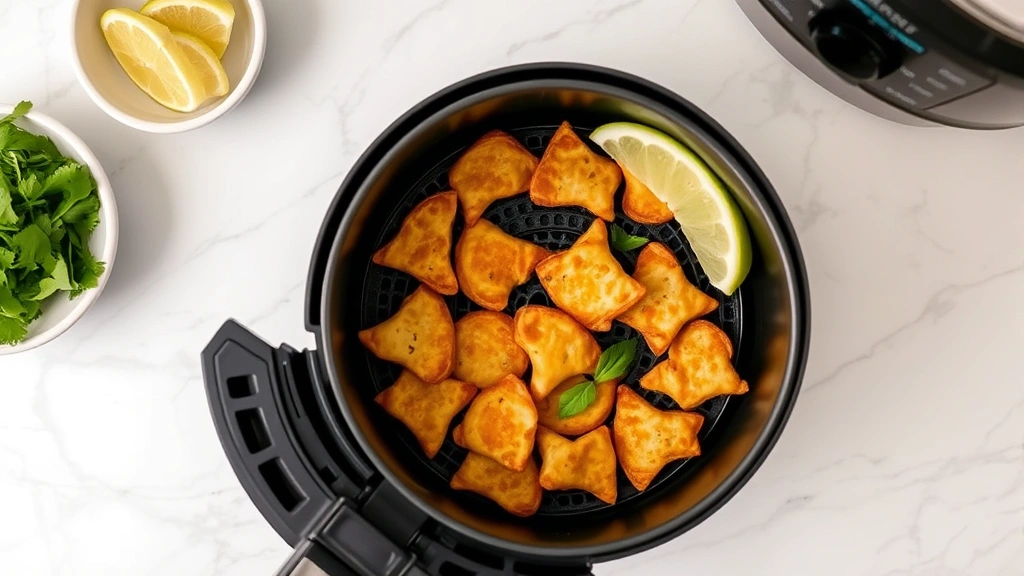
Air Fryer Preparation: Cooking crab rangoon in an air fryer reduces oil absorption by 75-80%, lowering fat content to 2-3 grams and calories to 120-140 per serving. The crispy texture remains intact while nutritional profile improves dramatically.
Baked Wonton Wrappers: Baking instead of deep-frying at 375°F for 8-10 minutes achieves similar crispness with minimal oil. This method reduces total fat to 3-4 grams per serving.
Filling Modifications: Substituting half the cream cheese with Greek yogurt maintains creamy texture while reducing saturated fat and increasing protein. This adjustment drops saturated fat by approximately 2 grams per serving.
Whole Wheat Wrappers: Using whole wheat wonton wrappers (when available) increases fiber content from near-zero to 2-3 grams per serving, improving satiety and moderating glycemic response.
Portion Control Strategy: Enjoying 2-3 pieces instead of the typical 6-8 piece serving reduces all nutritional concerns proportionally while still satisfying cravings. Pairing with vegetable-based sides creates a more balanced meal.
These modifications align with principles outlined in comprehensive nutrition guidance, enabling enjoyment of beloved foods within health-conscious frameworks.
For those concerned about digestive impacts, understanding how to improve digestion becomes relevant when consuming rich, fried appetizers. The high fat content can stress digestive systems, particularly for individuals with sensitivity to fried foods.
” />
Restaurant Variation and Hidden Ingredients
Nutritional content varies considerably across restaurants due to differences in preparation methods, filling ratios, and ingredient quality. Some establishments use premium lump crab meat, while others incorporate crab flavoring or imitation crab. Cream cheese ratios range from light spreads to generous dollops, dramatically affecting fat and calorie content.
Wonton wrapper thickness also influences nutritional profiles. Thicker wrappers absorb more oil during frying, increasing fat content by 2-3 grams per piece. Restaurant oil quality and frying temperature affect the amount of oil retained in the final product.
Additional ingredients sometimes included in crab rangoon fillings that increase nutritional concerns include sweetened condensed milk, sugar, and mayo-based sauces. These additions elevate calories and refined carbohydrates while adding minimal nutritional value.
Frequency Recommendations and Moderation Guidelines
Nutritional experts recommend treating crab rangoon as an occasional indulgence rather than a regular menu item. For individuals maintaining general health with no specific dietary restrictions, consuming crab rangoon 1-2 times monthly poses minimal health concern.
However, individuals with the following conditions should limit consumption significantly:
- Hypertension or elevated blood pressure
- Cardiovascular disease or family history
- Type 2 diabetes or prediabetes
- High cholesterol levels
- Kidney disease or reduced kidney function
- Overweight or obesity management goals
For these populations, crab rangoon should be reserved for special occasions, with portions limited to 2-3 pieces and balanced with nutrient-dense sides and lower-sodium entrees.
Nutritional Context and Meal Integration
The nutritional impact of crab rangoon depends significantly on the broader meal context. Consuming crab rangoon as a sole appetizer before a heavy entrée creates excessive caloric and sodium accumulation. Alternatively, enjoying crab rangoon as part of a light meal with steamed vegetables and brown rice distributes nutritional burden more favorably.
Strategic meal planning can accommodate crab rangoon enjoyment within health-conscious frameworks. Reducing entrée portions, selecting steamed instead of fried proteins, and emphasizing vegetable intake create compensatory balance.
Research Perspectives on Asian-American Cuisine Nutrition
Nutritional research databases increasingly examine Asian-American appetizer nutrition, recognizing the cultural significance and widespread consumption of dishes like crab rangoon. Studies document that restaurant-prepared Asian appetizers contribute substantially to sodium and saturated fat intake among regular consumers.
Cardiovascular health organizations have raised concerns about the cumulative dietary impact of frequent consumption of fried appetizers, particularly among populations with existing cardiovascular risk factors.
Contemporary culinary trends reflect growing health consciousness, with progressive restaurants developing lighter preparation methods and modified recipes that maintain authentic flavors while improving nutritional profiles. These innovations suggest that crab rangoon can evolve toward greater nutritional compatibility with health-conscious dining.
” />
FAQ
How many calories are in one crab rangoon?
A single crab rangoon piece contains approximately 50-60 calories, though this varies based on size and filling quantity. A typical serving of 3-4 pieces totals 190-220 calories.
Is crab rangoon high in sodium?
Yes, crab rangoon contains significant sodium: 340-420 milligrams per 3-4 piece serving, representing approximately 15% of the daily recommended limit. A full restaurant order of 6-8 pieces can exceed 30% of daily sodium recommendations.
Does crab rangoon contain omega-3 fatty acids?
Crab rangoon contains minimal omega-3 fatty acids. While crab meat provides some omega-3s, the amount is modest, and the overall fat profile is dominated by saturated and monounsaturated fats from cream cheese and frying oil.
Can I eat crab rangoon on a diet?
Occasional crab rangoon consumption can fit within weight-loss diets through portion control (2-3 pieces) and compensatory adjustments to other meals. Air-fried or baked preparations reduce caloric content significantly, making them more diet-compatible.
Is crab rangoon gluten-free?
Traditional crab rangoon is not gluten-free, as wonton wrappers contain wheat flour. Gluten-free wonton wrappers are available at specialty stores, though most restaurants serve only wheat-based versions.
How does crab rangoon compare nutritionally to other fried appetizers?
Crab rangoon falls in the moderate range among fried appetizers. It contains fewer calories than some fried options but more than steamed alternatives. Its sodium and saturated fat content places it in the moderate-to-high category.
What are the main nutritional concerns with crab rangoon?
Primary concerns include saturated fat content (4-5 grams per serving), sodium levels (340-420 milligrams), refined carbohydrates, and the caloric density of fried preparation. The combination creates a nutritionally dense but nutrient-sparse food.
Can people with high cholesterol eat crab rangoon?
Individuals with high cholesterol should limit crab rangoon consumption due to saturated fat content. When consumed, portions should be minimal (2-3 pieces maximum), and frequency should remain occasional rather than regular.


