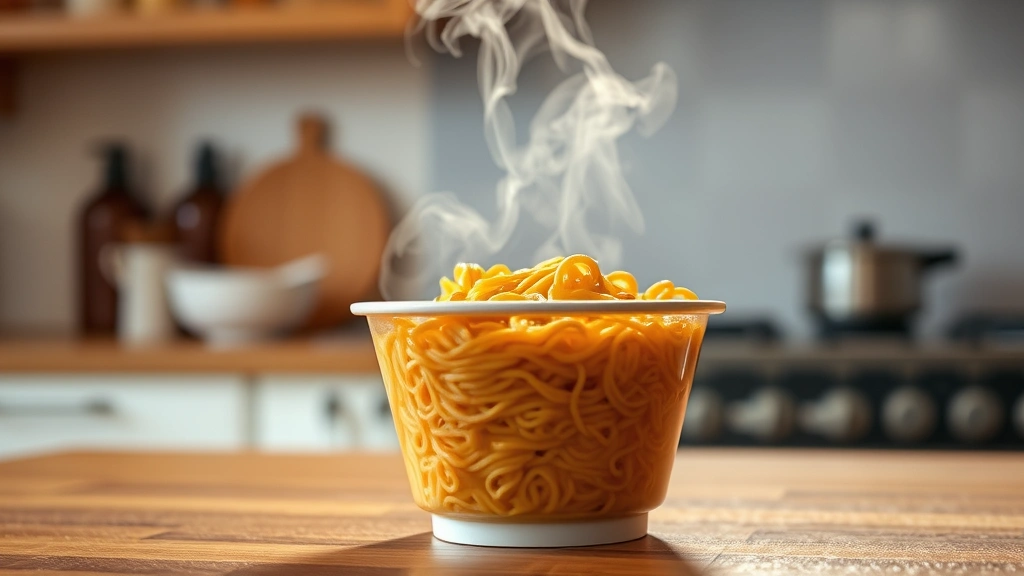
Cup Noodles Healthy? Nutritionist Explains the Full Picture
Cup Noodles represent one of the most convenient meal options available today, with millions consumed globally each year. Yet convenience often comes with nutritional trade-offs that warrant serious examination. This comprehensive analysis breaks down the actual nutrition profile of Cup Noodles, explores what health experts say about regular consumption, and provides practical strategies for making this popular instant noodle product fit within a balanced diet.
The question isn’t simply whether Cup Noodles are healthy—it’s more nuanced than that. Understanding the sodium content, preservatives, nutrient density, and how they compare to whole food alternatives empowers consumers to make informed choices about their dietary habits.
Cup Noodles Nutrition Facts Breakdown
A standard serving of Cup Noodles (typically one cup or 64 grams) contains approximately 290 calories, making it a relatively modest caloric contribution to a 2,000-calorie daily diet. However, calories tell only part of the story. The macronutrient distribution reveals important details about what those calories actually deliver.
Each cup provides roughly 10 grams of protein, 14 grams of fat, and 37 grams of carbohydrates. While these numbers might seem reasonable in isolation, the quality and source of these macronutrients matter significantly. The protein comes primarily from wheat flour rather than complete protein sources, meaning it lacks optimal amino acid profiles. The carbohydrates are refined, offering minimal fiber—typically less than 1 gram per serving.
The fat content, while not excessive, consists largely of saturated and trans fats from the deep-frying process used to create the noodle cake. This production method significantly impacts the nutritional quality compared to fresh or air-dried alternatives. According to nutritional epidemiology research, ultra-processed foods like instant noodles show distinct metabolic effects compared to minimally processed options.
Micronutrients present in Cup Noodles are minimal and often added synthetically. You’ll find some iron and B vitamins, but these are fortified additions rather than naturally occurring nutrients. The seasoning packet typically contains the most problematic ingredients from a health standpoint.
Sodium Content: The Primary Health Concern
This is where Cup Noodles nutrition information becomes genuinely concerning. A single cup contains approximately 860-1,000 milligrams of sodium, representing roughly 35-40% of the recommended daily intake for adults. The American Heart Association recommends limiting sodium to 2,300 milligrams daily, with an ideal limit of 1,500 milligrams for optimal heart health.
Consuming one cup of Cup Noodles means you’re already approaching half your daily sodium allowance in a single meal. When combined with other processed foods typically consumed throughout the day, this quickly leads to excessive sodium intake. Cardiovascular research demonstrates that chronic high sodium consumption correlates with elevated blood pressure, increased risk of heart disease, and kidney function decline.
The sodium comes from multiple sources: the noodles themselves, the seasoning packet, and often additional salt added during manufacturing. Unlike whole foods where you can control salt addition, instant noodles offer no customization option for the base product’s sodium content. This represents a significant limitation for individuals managing hypertension or following sodium-restricted diets.
What makes this particularly problematic is that consumers often don’t realize the full sodium impact. Many people assume one cup of noodles is a light meal, not recognizing that it delivers a disproportionate percentage of daily sodium recommendations. For individuals with salt sensitivity, this single serving can meaningfully impact blood pressure within hours.
Lack of Essential Nutrients
Beyond the sodium concern, Cup Noodles suffer from significant nutritional gaps. While manufacturers add certain vitamins and minerals, the overall nutrient density remains poor. A healthy nutrition plan emphasizes whole foods with naturally occurring micronutrients, fiber, and phytonutrients—elements largely absent from instant noodles.
The product contains virtually no vitamin C, minimal calcium, and insufficient amounts of magnesium, potassium, or zinc. There’s no dietary fiber to support digestive health or provide satiety. This means Cup Noodles provides calories without delivering the nutritional support your body needs to thrive. You’re consuming energy without adequate micronutrient support for metabolism, immunity, and cellular function.
The absence of fiber deserves particular emphasis. The importance of dietary fiber for health cannot be overstated—it supports digestive function, promotes healthy blood sugar regulation, and feeds beneficial gut bacteria. Cup Noodles provide essentially none of this crucial nutrient.
For individuals following nutrition for athletes and performance optimization, Cup Noodles fall dramatically short. Athletes require nutrient-dense foods supporting muscle recovery, energy replenishment, and micronutrient replacement. Instant noodles simply cannot fulfill these nutritional demands effectively.
Processed Ingredients and Additives
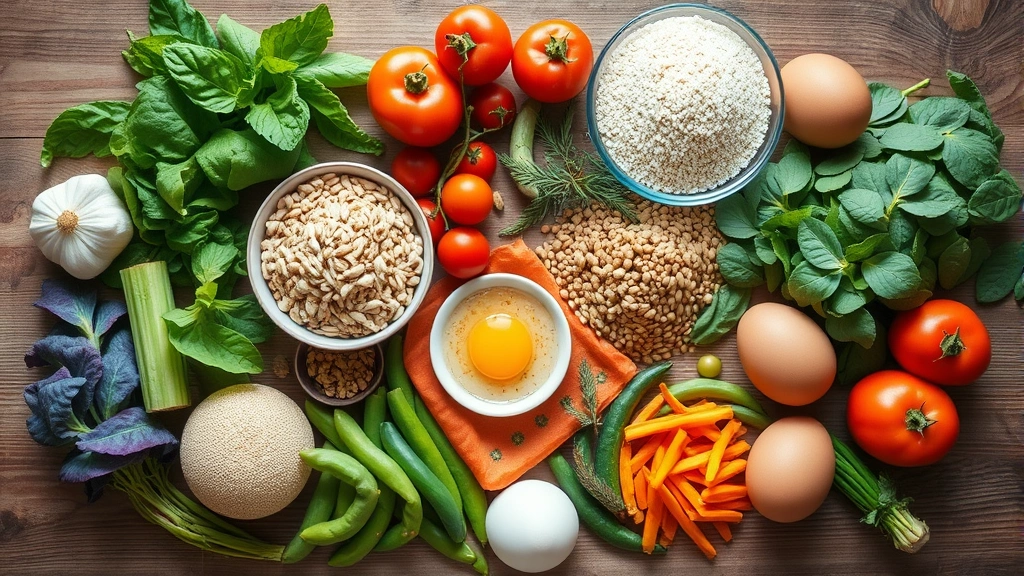
The ingredient list in Cup Noodles reads like a chemistry textbook. Beyond basic wheat flour, water, and salt, you’ll encounter multiple preservatives, flavor enhancers, and additives. Tertiary butylhydroquinone (TBHQ), a synthetic antioxidant, appears in many formulations. While deemed safe by regulatory agencies at specified levels, the long-term effects of chronic consumption remain understudied.
Monosodium glutamate (MSG), a common flavor enhancer in Cup Noodles, triggers sensitivity reactions in some individuals. While the FDA considers MSG safe, scientific debate continues regarding potential neurological effects and metabolic impacts, particularly with regular consumption.
The seasoning packets often contain artificial flavors, colorants, and additional sodium compounds beyond simple salt. These ingredients serve to enhance palatability and shelf stability rather than nutritional value. The deep-frying process used to create the noodle cake generates oxidized oils and potentially harmful compounds like acrylamide, formed during high-temperature cooking.
Preservatives like sodium carbonate and potassium carbonate help extend shelf life but add to the total sodium load and chemical exposure. For individuals seeking to minimize ultra-processed food consumption, Cup Noodles represent a concentrated source of additives and synthetic ingredients.
Comparison to Whole Food Alternatives
To properly evaluate Cup Noodles nutrition information, comparing them to realistic whole food alternatives provides valuable context. A bowl of homemade vegetable soup with whole grain bread offers similar convenience with vastly superior nutrition.
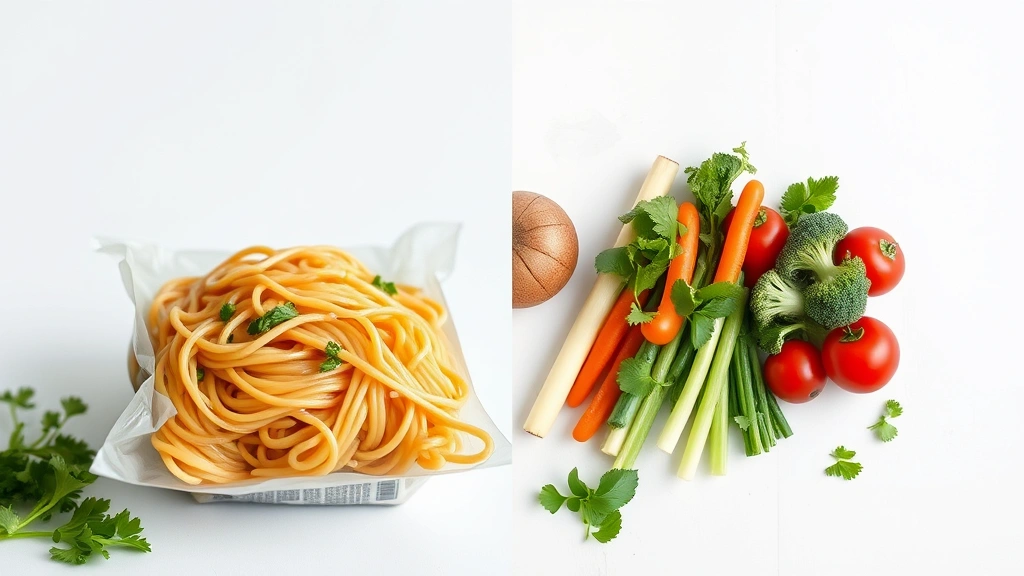
Consider this comparison for a meal at similar price point and preparation time: Cup Noodles (290 calories, 1,000mg sodium, 1g fiber) versus a quick whole grain pasta with canned tomato sauce and frozen vegetables (350 calories, 400mg sodium, 8g fiber). The whole food option provides more calories from nutrient-dense sources, dramatically less sodium, and eight times the fiber content.
Or compare to nutrition facts about avocados and whole grain toast—a breakfast containing healthy fats, complete proteins, and micronutrients, versus Cup Noodles offering empty calories and excessive sodium. The nutritional gap becomes immediately apparent.
Even simple alternatives like rice and beans, eggs with vegetables, or oatmeal with fruit outperform Cup Noodles nutritionally. These alternatives require similar or less preparation time, cost comparably, and deliver substantially more nutritional support. The convenience argument for Cup Noodles weakens significantly when considering that boiling water for whole grain pasta takes identical time.
Making Cup Noodles Healthier
If you enjoy Cup Noodles and want to consume them occasionally, several strategies can meaningfully improve the nutritional profile. First, reduce or eliminate the seasoning packet entirely. This single change cuts sodium content roughly in half. Instead, add your own seasonings: garlic, ginger, low-sodium soy sauce, or fresh herbs provide flavor without excessive sodium.
Add substantial vegetables to the broth: frozen peas, corn, carrots, spinach, or mushrooms dramatically increase fiber content and micronutrient density. A handful of vegetables transforms the meal from nearly nutrient-void to moderately nutritious. This addition requires minimal extra time or expense.
Include a protein source beyond the noodles. A raw or soft-boiled egg adds complete protein and important nutrients like choline and lutein. Canned beans, tofu, or leftover cooked chicken similarly enhance protein quality and satiety. This prevents the blood sugar spike that plain noodles cause.
Reduce portion size by using only half a cup of noodles with doubled vegetables and added protein. This maintains satisfaction while significantly reducing sodium and calories from the noodles themselves. Top with a drizzle of sesame oil for healthy fats and additional flavor without relying on the sodium-heavy seasoning packet.
These modifications transform Cup Noodles from a nutritionally problematic ultra-processed food into a reasonable occasional meal. However, these enhanced versions hardly justify calling the base product healthy—they require significant supplementation to achieve acceptable nutrition.
When Cup Noodles Fit in a Diet
Cup Noodles aren’t inherently forbidden foods, but they belong in a specific dietary context. For individuals consuming them occasionally—perhaps once monthly—within an otherwise nutrient-dense diet, the impact remains negligible. The concern arises with regular consumption, particularly for vulnerable populations.
Students and budget-conscious individuals often rely on instant noodles as dietary staples due to cost and convenience. This pattern creates genuine health concerns, particularly when Cup Noodles replace more nutritious budget options like rice, beans, oats, and seasonal vegetables. Organizations studying dietary patterns note that regular instant noodle consumption correlates with increased metabolic syndrome risk.
For individuals following omega-3 fatty acids benefits and focusing on cardiovascular health, Cup Noodles present particular concerns due to their sodium content and oxidized fat profile. People managing hypertension, kidney disease, or heart conditions should minimize or eliminate Cup Noodles consumption entirely.
Emergency situations—natural disasters, camping, or genuine food scarcity—represent appropriate contexts for Cup Noodles. In these scenarios, convenient calories and extended shelf life become valuable assets, outweighing nutritional concerns. For everyday eating, however, superior alternatives exist requiring no additional time investment.
Young children and pregnant individuals should avoid regular Cup Noodles consumption. Children have lower daily sodium requirements, making one cup represent an even more disproportionate intake. Pregnant individuals require enhanced nutrient density to support fetal development—Cup Noodles actively work against this nutritional goal.
FAQ
Are Cup Noodles ever considered healthy?
In their standard form, Cup Noodles cannot reasonably be classified as healthy. However, significantly modified versions—with seasoning packet removed, vegetables added, and protein included—can fit within an occasional meal pattern for generally healthy individuals. True healthfulness requires substantial supplementation beyond the base product.
How often can someone safely eat Cup Noodles?
For individuals without sodium restrictions or existing health conditions, occasional consumption (a few times monthly) within an otherwise balanced diet poses minimal concern. Regular consumption—more than weekly—creates meaningful health risks, particularly regarding sodium intake and nutrient deficiency patterns.
Do all Cup Noodles varieties have similar nutrition profiles?
While specific sodium and calorie content varies slightly between flavors, all standard Cup Noodles share the fundamental nutritional problems: excessive sodium, refined carbohydrates, minimal fiber, and poor nutrient density. Specialty varieties don’t meaningfully address these core issues, though some reduced-sodium versions offer modest improvements.
Can Cup Noodles fit into weight loss diets?
While Cup Noodles are relatively low in calories, their lack of protein and fiber makes them poor choices for weight loss. They provide minimal satiety despite their caloric content, often leading to continued hunger shortly after consumption. Nutrient-dense alternatives with similar calories provide superior satiety and metabolic support.
What’s the biggest nutritional problem with Cup Noodles?
Sodium content represents the most significant concern, followed closely by the complete lack of fiber and nutrient density. One cup delivers excessive sodium while providing minimal nutritional support for metabolic function, creating a risk-reward ratio that favors avoiding regular consumption.
Are there healthier instant noodle alternatives?
Yes. Whole grain instant noodles, air-dried noodles (avoiding deep frying), and noodles made from legumes or vegetables offer substantially better nutrition profiles. These alternatives typically contain more fiber, protein, and micronutrients while maintaining convenience. Some brands specifically market reduced-sodium options, though even these require careful evaluation.
How does Cup Noodles compare to fresh ramen?
Fresh ramen prepared with quality broth, fresh vegetables, and protein sources represents a different category entirely. While fresh ramen can contain substantial sodium depending on broth preparation, it offers real vegetables, complete proteins, and better nutrient density. The comparison between instant Cup Noodles and restaurant-quality ramen isn’t particularly useful—they serve different purposes.


