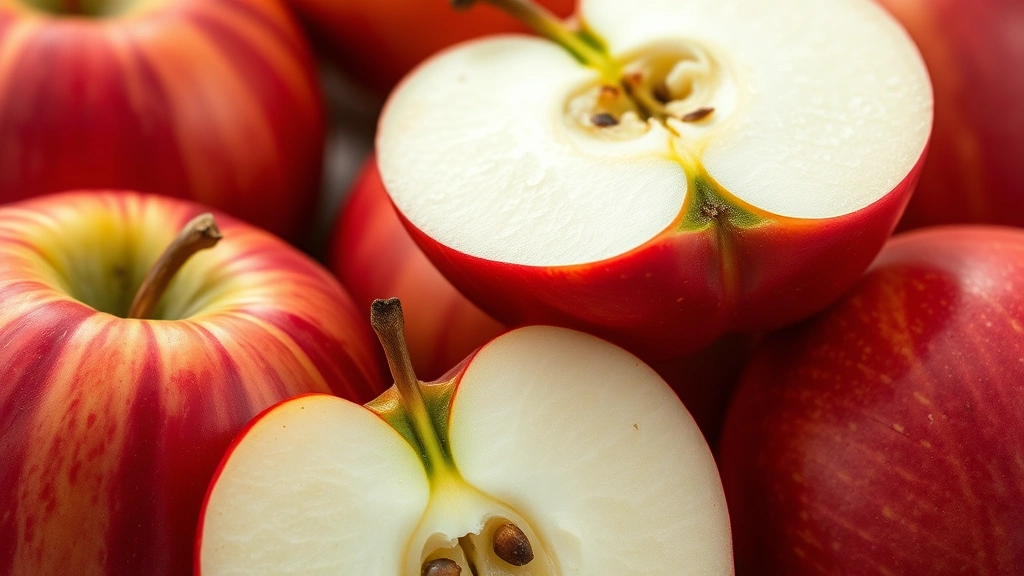
Fuji Apple Nutrition: Dietitian’s Insight
Fuji apples represent one of nature’s most nutrient-dense fruits, combining exceptional sweetness with impressive health benefits that make them a staple in wellness-focused diets worldwide. As a registered dietitian nutritionist, I’ve observed how these crisp, juicy apples consistently deliver measurable nutritional value that extends far beyond their delightful taste. The Fuji variety, originating from Japan in the 1960s, has become increasingly popular in North America due to its superior sweetness, firm texture, and remarkable shelf stability—characteristics that also correlate with its concentrated nutrient profile.
Understanding the specific nutritional composition of Fuji apples empowers consumers to make informed dietary choices that align with their health goals. Whether you’re focused on weight management, cardiovascular health, digestive wellness, or blood sugar control, Fuji apples offer scientifically-supported benefits that deserve attention in any comprehensive nutrition strategy. This guide synthesizes current nutritional science with practical dietary applications to help you maximize the health potential of this remarkable fruit.
Complete Nutritional Profile of Fuji Apples
A medium-sized Fuji apple (approximately 182 grams) contains approximately 95 calories, making it an exceptionally low-calorie food that delivers substantial nutritional density. The macronutrient breakdown includes roughly 25 grams of carbohydrates, 4.4 grams of dietary fiber, 0.5 grams of protein, and negligible fat content. This composition exemplifies why nutritionists recommend apples as a cornerstone food in balanced dietary patterns.
The micronutrient array in Fuji apples demonstrates why these fruits deserve prominent placement in your weekly grocery shopping. One medium apple provides approximately 8.4 milligrams of vitamin C—roughly 14% of the daily recommended intake—supporting immune function and collagen synthesis. Additionally, Fuji apples contain potassium (195 mg per medium apple), which regulates blood pressure and supports cardiovascular function. The fruit also supplies small but meaningful amounts of vitamin K, manganese, and copper, all essential cofactors in metabolic processes.
What distinguishes Fuji apples nutritionally is their higher sugar content compared to other varieties—approximately 19 grams per medium fruit. While this contributes to their characteristic sweetness and palatability, it’s important to contextualize this within their overall glycemic profile. The substantial fiber content and polyphenolic compounds moderate glucose absorption, preventing the dramatic blood sugar spikes associated with refined carbohydrates. This nuance underscores why understanding context matters more than isolated nutrient numbers when evaluating food quality.
Fiber Content and Digestive Health
The dietary fiber in Fuji apples—approximately 4.4 grams per medium fruit—represents one of the fruit’s most valuable health attributes. This fiber exists in both soluble and insoluble forms, each contributing distinct physiological benefits. Soluble fiber, particularly pectin, dissolves in the digestive tract to form a viscous gel that slows gastric emptying and promotes satiety, while insoluble fiber adds bulk to stool and supports regular bowel movements.
Research published in peer-reviewed nutrition journals demonstrates that regular apple consumption correlates with improved digestive function and enhanced beneficial gut microbiota populations. The pectin in apples serves as a prebiotic substrate, selectively nourishing Lactobacillus and Bifidobacterium species that produce short-chain fatty acids essential for colonic health. These metabolites reduce inflammation, strengthen the intestinal barrier, and support immune function through the gut-associated lymphoid tissue.
For individuals implementing comprehensive fiber strategies for optimal health, Fuji apples provide convenient, portable fiber sources that integrate seamlessly into daily routines. One medium apple supplies approximately 18% of the recommended daily fiber intake, making it an efficient contributor to the 25-38 grams daily target that most Americans fail to achieve. The combination of fiber types in apples creates synergistic effects that exceed what isolated fiber supplements can deliver.
Antioxidants and Disease Prevention
Fuji apples contain an impressive array of polyphenolic compounds—over 400 identified bioactive molecules—that function as potent antioxidants and anti-inflammatory agents. The predominant polyphenols include quercetin, catechin, chlorogenic acid, and epicatechin, compounds that have generated substantial research interest among nutrition scientists studying chronic disease prevention.
Quercetin, the most abundant flavonoid in apple skin, demonstrates remarkable biological activity across multiple organ systems. This polyphenol exhibits antihistamine properties that may alleviate allergic responses, anti-inflammatory effects that reduce systemic inflammation markers, and neuroprotective characteristics that support cognitive function. A comprehensive review published in Nutrients journal highlighted that apple consumption correlates with reduced risk of neurodegenerative diseases, particularly Alzheimer’s disease, through quercetin’s capacity to cross the blood-brain barrier and protect neuronal mitochondria.
The chlorogenic acid and other hydroxycinnamic acids in Fuji apples contribute additional antioxidant capacity, with particular relevance to glucose metabolism and hepatic health. These compounds modulate expression of genes involved in antioxidant enzyme production, essentially amplifying the body’s endogenous defense systems. This epigenetic influence explains why whole apple consumption produces greater health benefits than isolated polyphenol supplements—the complex phytochemical matrix creates synergistic interactions that isolated compounds cannot replicate.
Notably, most polyphenols concentrate in apple skin, making unpeeled consumption significantly more beneficial than peeled apples. The skin contains approximately 50-70% of the total polyphenol content, emphasizing the importance of thoroughly washing rather than peeling when preparing Fuji apples for consumption.
Cardiovascular Benefits
The cardiovascular protective effects of regular apple consumption represent one of the most extensively researched nutritional outcomes in dietary epidemiology. Multiple prospective cohort studies, including the Nurses’ Health Study and Health Professionals Follow-up Study, demonstrate that individuals consuming one or more apples daily experience 15-20% reductions in cardiovascular mortality compared to non-consumers.
The mechanisms underlying this protection involve multiple interconnected pathways. The soluble fiber pectin actively reduces low-density lipoprotein (LDL) cholesterol through enhanced fecal sterol excretion and hepatic cholesterol metabolism modulation. Research indicates that consuming two medium apples daily can reduce LDL cholesterol by approximately 3.2 mg/dL, a modest but meaningful reduction when implemented as part of comprehensive lipid management strategies. Simultaneously, the polyphenolic compounds in Fuji apples improve endothelial function through enhanced nitric oxide bioavailability, promoting vasodilation and reducing arterial stiffness.
The potassium content in apples (195 mg per medium fruit) contributes to blood pressure regulation through multiple mechanisms: direct vasodilation, natriuresis enhancement, and modulation of the renin-angiotensin-aldosterone system. When incorporated into comprehensive nutrition plans supporting cardiovascular health, apples complement other heart-protective foods in reducing hypertension risk and improving overall hemodynamic function.
Additionally, the antioxidant and anti-inflammatory properties of Fuji apples address foundational cardiovascular pathophysiology. Chronic inflammation and oxidative stress drive atherosclerotic plaque development and destabilization; the polyphenolic compounds in apples suppress pro-inflammatory cytokine production (particularly TNF-α and IL-6) while simultaneously enhancing antioxidant enzyme expression through activation of nuclear factor erythroid 2-related factor 2 (Nrf2) signaling pathways.
Blood Sugar Management
Despite containing approximately 19 grams of natural sugars, Fuji apples demonstrate a remarkably favorable glycemic impact due to their substantial fiber content and polyphenolic composition. The glycemic index (GI) of Fuji apples ranges from 35-40, classifying them as low glycemic index foods that produce minimal postprandial glucose elevations compared to refined carbohydrates.
The glycemic load (GL)—which accounts for portion size—of one medium Fuji apple approximates 5-6, indicating minimal blood sugar disruption when consumed in typical serving quantities. This favorable profile results from the synergistic effects of dietary fiber, which slows glucose absorption, and polyphenolic compounds, particularly chlorogenic acid and quercetin, which inhibit intestinal glucose transporters and hepatic glucose production.
For individuals managing type 2 diabetes or prediabetes, Fuji apples represent an excellent fruit choice when consumed with protein or fat sources that further moderate glycemic response. Pairing an apple with almond butter, cheese, or Greek yogurt creates a balanced snack that provides sustained energy without triggering reactive hyperglycemia. Research from diabetes research organizations supports whole fruit consumption as superior to fruit juices or dried fruits for blood sugar management, given the preserved fiber structure in whole apples.
The polyphenols in apples may also enhance insulin sensitivity through activation of peroxisome proliferator-activated receptor gamma (PPAR-γ), improving glucose uptake in peripheral tissues and reducing hepatic glucose production. This molecular mechanism explains why regular apple consumers demonstrate improved fasting glucose levels and hemoglobin A1C values compared to infrequent consumers, independent of weight changes.
Weight Management Applications
The role of Fuji apples in weight management strategies extends beyond their low calorie density to encompass multiple satiety-promoting mechanisms. The combination of dietary fiber, water content (approximately 86% by weight), and moderate fructose sweetness creates a food that satisfies appetite while delivering minimal caloric load—a fundamental principle in sustainable weight management.
The soluble pectin fiber in apples expands in the gastrointestinal tract, physically distending the stomach and activating mechanoreceptors that signal satiety to the hypothalamus. Simultaneously, pectin delays gastric emptying, extending the postprandial satiety duration and reducing subsequent food intake. Studies demonstrate that consuming an apple 15 minutes before a meal reduces total meal caloric intake by approximately 15%, a substantial reduction that compounds over time into meaningful weight loss.
For individuals implementing athletic nutrition or performance-focused dietary strategies, apples provide pre-exercise carbohydrates that sustain energy availability without gastrointestinal distress. The moderate sugar content combined with fiber supports glycogen repletion while avoiding the blood sugar volatility associated with simple sugars, making apples particularly valuable for endurance athletes requiring stable glucose availability.
The polyphenolic compounds in Fuji apples may also modulate energy metabolism through effects on adipose tissue inflammation and mitochondrial function. Quercetin demonstrates capacity to enhance mitochondrial biogenesis and oxidative capacity in skeletal muscle, potentially improving metabolic efficiency and exercise performance. While these effects are modest, their contribution to overall metabolic health complements the direct satiety benefits of apple consumption.
Practical Dietary Integration
Maximizing the nutritional benefits of Fuji apples requires understanding optimal consumption patterns and preparation methods. Consuming apples whole and unpeeled preserves the polyphenol-rich skin where 50-70% of beneficial compounds concentrate. Thorough washing under running water removes surface residues while maintaining the intact fruit structure necessary for maximal fiber benefits.
Timing apple consumption strategically enhances their health impact. Consuming an apple as a mid-morning snack stabilizes blood glucose throughout the day and reduces subsequent meal consumption. Pre-exercise apple consumption (30-60 minutes before training) provides readily available carbohydrates that sustain performance without gastrointestinal discomfort. Post-exercise apple consumption contributes to glycogen repletion while providing antioxidant compounds that support recovery through inflammation modulation.
For individuals following nutrition strategies supporting cognitive and mental health, daily apple consumption contributes to the polyphenolic intake associated with improved mood regulation and cognitive function. The quercetin and other flavonoids in apples support neuroinflammation reduction and enhance neuroplasticity through brain-derived neurotrophic factor (BDNF) signaling.
Storage practices significantly impact nutritional retention. Fuji apples maintain optimal nutritional quality when stored at 32-40°F in high-humidity conditions, typically achievable in standard refrigerator crisper drawers. Under these conditions, apples retain nutritional integrity for 3-4 weeks, making them an exceptionally convenient fruit choice for busy individuals seeking to maintain consistent nutrition.
Creative preparation methods expand apple integration possibilities. Sliced apples combined with nuts and seeds create balanced snacks providing complementary macronutrients. Apple slices with nut butters offer protein and healthy fats that extend satiety duration. Baked apples with cinnamon provide warm comfort while preserving nutritional value, though heating does reduce some heat-sensitive polyphenols like quercetin.
Visit the Nutrients Pathway Blog for comprehensive nutrition information to explore additional food-based health strategies complementing apple consumption. Consider reviewing nutrition facts about nutrient-dense fruits like avocados to develop well-rounded dietary patterns incorporating diverse polyphenolic and micronutrient sources.
Frequently Asked Questions
How many Fuji apples should I consume daily for optimal health benefits?
Research consistently demonstrates that one to two medium Fuji apples daily provides optimal health benefits without excessive sugar intake. This quantity delivers approximately 8-9 grams of dietary fiber (32-36% of daily recommendations) and substantial polyphenolic compounds while maintaining reasonable caloric intake. Individual requirements vary based on overall dietary composition, metabolic status, and health goals, so personalized guidance from registered dietitians remains valuable for specific circumstances.
Does cooking or processing Fuji apples destroy their nutritional value?
Heating apples does reduce some heat-sensitive polyphenols, particularly quercetin, by approximately 15-30%. However, baked apples retain substantial nutritional value, particularly dietary fiber and other heat-stable compounds. Processing apples into applesauce or juice significantly reduces fiber content through removal of skin and cell wall structure, making whole apple consumption nutritionally superior. Smoothies incorporating whole apples with skin preserve nutritional integrity more effectively than juice-based preparations.
Are Fuji apples suitable for diabetic dietary management?
Yes, Fuji apples are appropriate for diabetic management when consumed in portion-controlled quantities with protein or fat sources. One medium apple contains approximately 25 grams of carbohydrates with a glycemic load of 5-6, producing minimal blood sugar disruption. However, individuals with diabetes should monitor personal glycemic responses and consult healthcare providers regarding appropriate portion sizes within their specific dietary plans.
What distinguishes Fuji apples nutritionally from other apple varieties?
Fuji apples contain higher sugar content (approximately 19 grams per medium fruit) compared to Granny Smith or Honeycrisp varieties, but also deliver comparable or superior fiber and polyphenolic content. The higher sugar concentration reflects the Fuji variety’s breeding for enhanced sweetness, making them particularly palatable for individuals transitioning from processed foods toward whole food consumption. All apple varieties provide substantial health benefits; variety selection often depends on personal taste preferences and local availability.
Can apple consumption alone address weight management goals?
While apples provide valuable satiety benefits and nutrient density supporting weight management, sustainable weight loss requires comprehensive approaches addressing overall caloric balance, physical activity, sleep quality, and stress management. Apples function as one component within a broader nutritional strategy rather than a standalone solution. Their satiety-promoting properties complement comprehensive dietary approaches but cannot offset excessive caloric intake from other sources.
How does organic versus conventional Fuji apple cultivation impact nutritional content?
Research indicates minimal nutritional differences between organically and conventionally cultivated apples, though organic cultivation may reduce pesticide residue exposure. Both production methods yield apples with substantial polyphenolic content and fiber. Consumer selection should prioritize consistent apple consumption regardless of cultivation method, as the health benefits of regular consumption substantially exceed potential differences between organic and conventional varieties.


