Are Gold Yukon Potatoes Healthy? Dietitian Insight
Gold Yukon potatoes have become a staple in kitchens across North America, prized for their buttery texture, naturally golden flesh, and versatile culinary applications. But beyond their appealing taste and appearance, many health-conscious consumers wonder: are gold Yukon potatoes actually good for you? The answer is more nuanced than a simple yes or no. These nutrient-dense tubers offer legitimate health benefits when prepared mindfully, though context matters significantly in how they fit into your overall diet.
As a dietitian-backed resource, this comprehensive guide examines the nutritional profile of gold Yukon potatoes, their place in evidence-based nutrition, and practical strategies for incorporating them into a healthy nutrition plan. Whether you’re building a balanced meal or managing specific health conditions, understanding the science behind this humble root vegetable empowers better dietary decisions.
Nutritional Profile of Gold Yukon Potatoes
One medium gold Yukon potato (approximately 150 grams, with skin) contains roughly 110 calories, making them relatively modest in energy density. The macronutrient breakdown reveals why nutritionists consider them a legitimate whole food choice: approximately 2 grams of protein, 26 grams of carbohydrates (including about 2.4 grams of dietary fiber), and less than 1 gram of fat. This composition makes them naturally low in fat while providing sustained energy through complex carbohydrates.
The micronutrient content distinguishes gold Yukon potatoes from refined carbohydrate sources. They deliver meaningful amounts of vitamin B6 (crucial for brain development and function), vitamin C (supporting immune function), potassium (essential for heart health and blood pressure regulation), and manganese (important for bone health and metabolism). When consumed with skin, the fiber content increases, enhancing satiety and supporting digestive health. The presence of resistant starch, particularly when potatoes are cooked and cooled, creates a prebiotic effect that feeds beneficial gut bacteria.
Gold Yukon potatoes also contain phytonutrients including flavonoids, carotenoids, and phenolic acids. These plant compounds possess antioxidant and anti-inflammatory properties, contributing to cellular protection. Research from peer-reviewed nutrition journals demonstrates that the antioxidant capacity of potatoes rivals many vegetables promoted specifically for their antioxidant content, a fact often overlooked in popular nutrition discourse.
Key Health Benefits
Supports Satiety and Weight Management
Gold Yukon potatoes rank exceptionally high on the Satiety Index, a measure of how filling foods are relative to their calorie content. Studies indicate that potatoes promote greater feelings of fullness compared to white bread, pasta, or croissants containing equivalent calories. This satiety effect occurs due to the combination of fiber, resistant starch, and the potato’s water content. For individuals following a functional diagnostic nutrition approach, this makes potatoes valuable for sustainable weight management without caloric restriction.
Promotes Heart Health
The potassium content in gold Yukon potatoes (approximately 620 mg per medium potato) supports cardiovascular function. Adequate potassium intake correlates with lower blood pressure and reduced cardiovascular disease risk. Additionally, the vitamin B6 and folate present assist in reducing homocysteine levels, an independent risk factor for heart disease. When prepared without excessive sodium or saturated fat, potatoes contribute positively to heart-health dietary patterns.
Supports Brain Function and Mental Health
Gold Yukon potatoes provide glucose, the brain’s preferred energy source, along with amino acids necessary for neurotransmitter production. The vitamin B6 content supports neurotransmitter synthesis, while the carbohydrates facilitate tryptophan absorption, promoting serotonin production. This connection between dietary quality and cognitive function aligns with emerging research on nutrition and mental health, demonstrating that whole food carbohydrates play important roles beyond simple energy provision.
Enhances Gut Health
Resistant starch, formed when potatoes are cooked and cooled, acts as a prebiotic, feeding beneficial bacteria like Bifidobacteria. This fermentation process produces short-chain fatty acids, particularly butyrate, which nourishes colon cells and reduces inflammation. A single cooled potato can contain up to 4 grams of resistant starch, providing measurable prebiotic benefits for individuals seeking to optimize digestive health through food.
How Preparation Methods Impact Health Value
The health equation for gold Yukon potatoes shifts dramatically based on preparation method. This distinction is critical and often overlooked in nutritional discussions.
Optimal Preparation Methods
Boiling, steaming, or baking potatoes in their skin preserves nutrient density while limiting added fats. Boiling with the skin intact retains approximately 80-90% of water-soluble vitamins, while the skin itself concentrates fiber and phytonutrients. A baked potato topped with Greek yogurt, fresh herbs, and vegetables creates a complete, nutrient-dense meal. Cooling cooked potatoes before consumption increases resistant starch content, enhancing prebiotic benefits without additional effort.
Preparation Methods to Minimize
Deep frying, french fries, and hash browns dramatically alter the nutritional profile by introducing excessive omega-6 polyunsaturated fats and often excessive sodium. A serving of french fries can contain 300-400 calories and 15-20 grams of fat—triple the calorie content and significantly higher fat content than a boiled potato. Loaded mashed potatoes with butter, cream, and cheese transform a nutritious vegetable into a calorie-dense, nutrient-poor dish. The preparation method often matters more than the potato itself in determining health outcomes.
Intermediate Preparation Approaches
Roasting gold Yukon potatoes with minimal olive oil (approximately 1 teaspoon per potato) creates a satisfying texture while keeping added fat reasonable. Mashing potatoes with vegetable broth instead of cream or butter maintains creaminess while reducing saturated fat. These modifications preserve the potato’s nutritional benefits while accommodating texture preferences and culinary enjoyment—critical factors in sustainable dietary adherence.
Blood Sugar and Glycemic Considerations
A common concern about potatoes involves blood sugar impact. Gold Yukon potatoes have a medium glycemic index (approximately 58-65), falling between low-GI foods like legumes and high-GI foods like white bread. However, glycemic load—which accounts for portion size—provides more useful information. A medium gold Yukon potato contains approximately 17 grams of digestible carbohydrates, resulting in a moderate glycemic load.
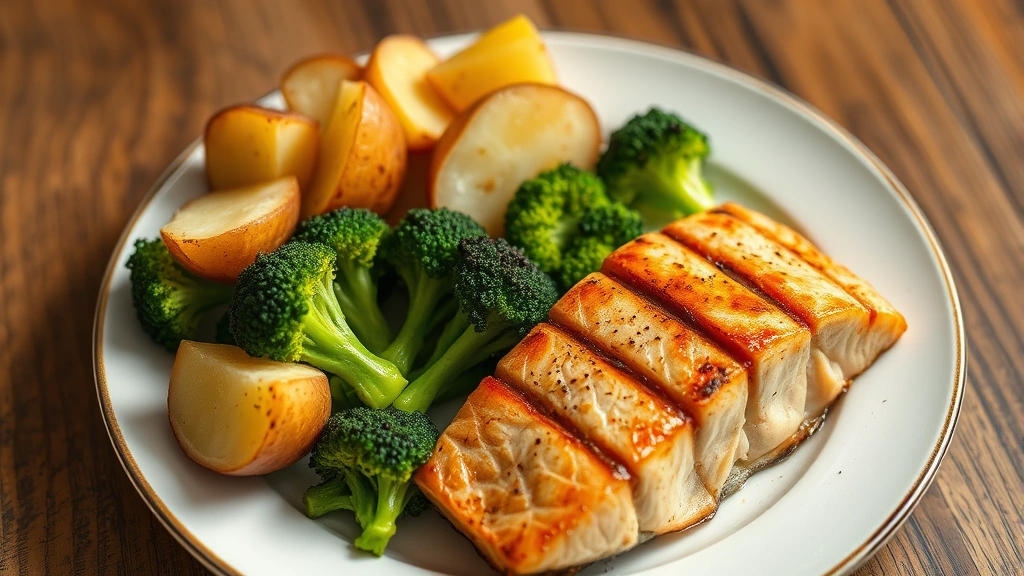
Several factors modify blood sugar response to gold Yukon potatoes. Consuming them with protein, healthy fats, and fiber dramatically reduces glycemic impact. A meal combining boiled potato with grilled salmon and roasted broccoli produces substantially different blood sugar dynamics than potato alone. Cooking and cooling increases resistant starch, lowering the glycemic response by approximately 20-25%. For individuals managing diabetes or prediabetes, portion control and meal composition matter far more than potato avoidance.
Research from Harvard School of Public Health indicates that whole potatoes, particularly with skin, present different metabolic effects than instant mashed potatoes or refined potato products. The distinction between whole food potatoes and processed potato products is fundamental to understanding their health impact.
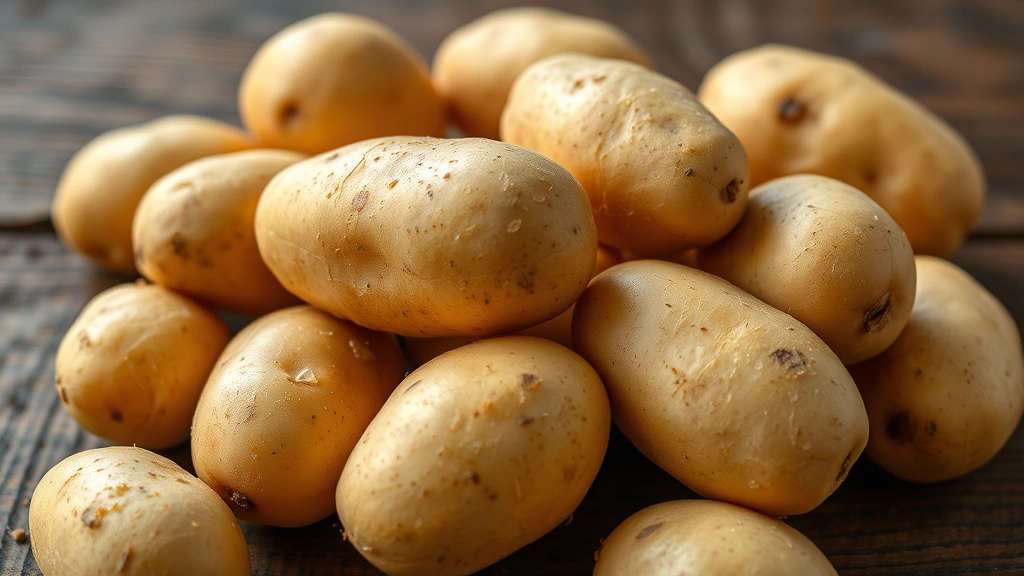
” alt=”Close-up of golden yukon potatoes with skin intact, arranged on a rustic wooden surface, showing natural texture and color variation”>
How They Compare to Other Potato Varieties
Gold Yukon potatoes occupy a middle ground among potato varieties. Red potatoes contain slightly higher antioxidant levels and lower starch content, making them excellent for boiling and potato salads. Russet potatoes offer higher starch and lower water content, ideal for baking. Purple and blue potatoes deliver exceptional anthocyanin content, providing potent antioxidant benefits. However, gold Yukon potatoes’ balanced profile—moderate starch, good fiber when skin is consumed, pleasant taste, and versatile applications—makes them nutritionally sound and practically appealing.
Compared to refined carbohydrate sources like white bread or regular pasta, gold Yukon potatoes provide superior nutrient density and satiety. Compared to other vegetables, potatoes deliver more energy and certain nutrients but less micronutrient diversity than leafy greens. The optimal approach incorporates potatoes as part of a varied vegetable intake rather than as a replacement for other produce.
Incorporating Into Your Diet
Understanding how to effectively incorporate gold Yukon potatoes into your eating pattern requires practical strategies aligned with your health goals and lifestyle.
For Weight Management
Include boiled or baked gold Yukon potatoes as a substantial portion of lunch or dinner, paired with lean protein and non-starchy vegetables. The satiety effect reduces overall calorie intake more effectively than attempting to restrict potatoes entirely. Aim for 1-2 medium potatoes per meal, consuming with skin to maximize fiber and satisfaction.
For Blood Sugar Management
Pair gold Yukon potatoes with protein sources (fish, poultry, legumes, eggs) and healthy fats (olive oil, nuts, avocado). Include non-starchy vegetables to increase overall fiber intake and slow carbohydrate absorption. Cool cooked potatoes before consumption to increase resistant starch. Monitor portion sizes, limiting to 1 medium potato per meal for most individuals managing glucose levels.
For Athletic Performance
Gold Yukon potatoes provide excellent pre or post-workout carbohydrates for energy and recovery. Their potassium content supports electrolyte balance during endurance activities. Consuming 1-2 medium potatoes with protein in the 1-2 hours post-exercise supports glycogen replenishment and muscle protein synthesis.
General Healthy Eating
Include gold Yukon potatoes 3-5 times weekly as part of varied vegetable intake. Prepare them through boiling, steaming, baking, or light roasting. Experiment with herbs, spices, and complementary ingredients rather than relying on calorie-dense toppings. This approach provides nutritional benefits while maintaining culinary enjoyment and dietary sustainability.
For those interested in deeper understanding of how potatoes fit within comprehensive nutritional science, exploring nutrition degree curricula reveals the extensive research supporting potato inclusion in evidence-based dietary recommendations. The dismissal of potatoes in popular diet culture often contradicts actual nutritional science.
Comparing Nutritional Approaches
Just as we examine nutrition facts about avocados to understand their role in healthy eating, potatoes deserve equally nuanced analysis. Both foods offer genuine nutritional benefits and work synergistically in balanced diets. Neither is inherently superior; rather, dietary diversity incorporating various whole foods optimizes nutritional intake.
The Nutrients Pathway Blog regularly examines individual foods through evidence-based lenses, moving beyond oversimplified “good” or “bad” classifications. Gold Yukon potatoes exemplify this complexity—they’re genuinely nutritious whole foods whose health impact depends critically on preparation, portion, and dietary context.

” alt=”Dietitian-prepared plate featuring boiled gold yukon potatoes with skin, grilled salmon fillet, and steamed broccoli florets, demonstrating balanced meal composition”>
FAQ
Are gold Yukon potatoes better than other potato types?
Gold Yukon potatoes offer balanced nutrition and excellent culinary properties, but they’re not objectively superior. Red potatoes provide higher antioxidants, purple potatoes offer anthocyanins, and russets deliver more starch. Variety in potato consumption provides broader nutrient intake. Choose based on preparation method, recipe requirements, and personal preference—all varieties are nutritionally sound when prepared healthfully.
Can I eat gold Yukon potatoes daily?
Yes, consuming gold Yukon potatoes daily is safe and nutritionally beneficial for most individuals. Include them as part of varied vegetable intake, prepared through boiling, steaming, or baking with minimal added fat. Individuals with specific medical conditions (severe diabetes, certain digestive disorders) should consult healthcare providers regarding appropriate frequency and portions. For most people, daily potato consumption supports health when portion-controlled and properly prepared.
Do gold Yukon potatoes cause weight gain?
Gold Yukon potatoes themselves don’t cause weight gain. Their satiety index actually supports weight management. Weight gain results from excessive calorie consumption, typically through preparation methods (deep frying, heavy cream sauces) or overeating. Boiled or baked potatoes with reasonable portions and balanced meals support sustainable weight management. The preparation method and overall dietary pattern determine outcomes, not the potato itself.
Should I eat the skin or peel it?
Eat the skin. Gold Yukon potato skin concentrates fiber, phytonutrients, and minerals. Skin consumption increases dietary fiber content by approximately 50% and provides most of the resistant starch when potatoes are cooled. Thoroughly wash potatoes before cooking. The skin also improves satiety and provides textural contrast. Peeling removes significant nutritional value without culinary necessity.
How do gold Yukon potatoes affect blood sugar?
Gold Yukon potatoes have a medium glycemic index but moderate glycemic load due to portion size. Cooking, cooling, and pairing with protein and fat substantially reduce blood sugar response. Individuals managing diabetes or prediabetes can safely include appropriately portioned gold Yukon potatoes when combined with protein, healthy fats, and non-starchy vegetables. Individual responses vary; blood sugar monitoring helps determine optimal portions.
Are gold Yukon potatoes gluten-free?
Yes, gold Yukon potatoes are naturally gluten-free, making them safe for individuals with celiac disease or gluten sensitivity. Cross-contamination can occur during processing or preparation, so verify labeling if purchasing processed potato products. Whole potatoes prepared at home eliminate cross-contamination risk entirely. Potatoes provide excellent carbohydrate sources for gluten-free diets.
What’s the best way to store gold Yukon potatoes?
Store in a cool, dark, well-ventilated location, ideally 45-50°F. Avoid plastic bags that trap moisture, instead using paper bags or breathable containers. Proper storage maintains quality for 2-3 weeks. Refrigeration below 40°F converts starch to sugar, affecting flavor and texture. Keep away from onions, which release ethylene gas accelerating sprouting. Inspect regularly, removing any sprouted or soft potatoes.


