Goldfish Crackers: Healthy Snack? Dietitian Explains
Goldfish crackers have been a pantry staple for generations, offering convenience and a familiar taste that appeals to both children and adults. But when you examine the goldfish crackers nutrition label, the question becomes more nuanced: are these bite-sized snacks a reasonable dietary choice, or should they be limited to occasional indulgences? As a registered dietitian, I’ve fielded this question countless times from parents, professionals, and health-conscious consumers seeking clarity on whether Goldfish crackers fit into a balanced eating pattern.
The answer isn’t as simple as yes or no. Understanding the nutritional profile of Goldfish crackers requires examining their ingredient composition, comparing them to alternatives, and considering how they fit within your overall healthy nutrition plan. This comprehensive guide breaks down what the nutrition label actually tells us and provides evidence-based recommendations for incorporating these crackers responsibly into your diet.
Understanding the Nutrition Label
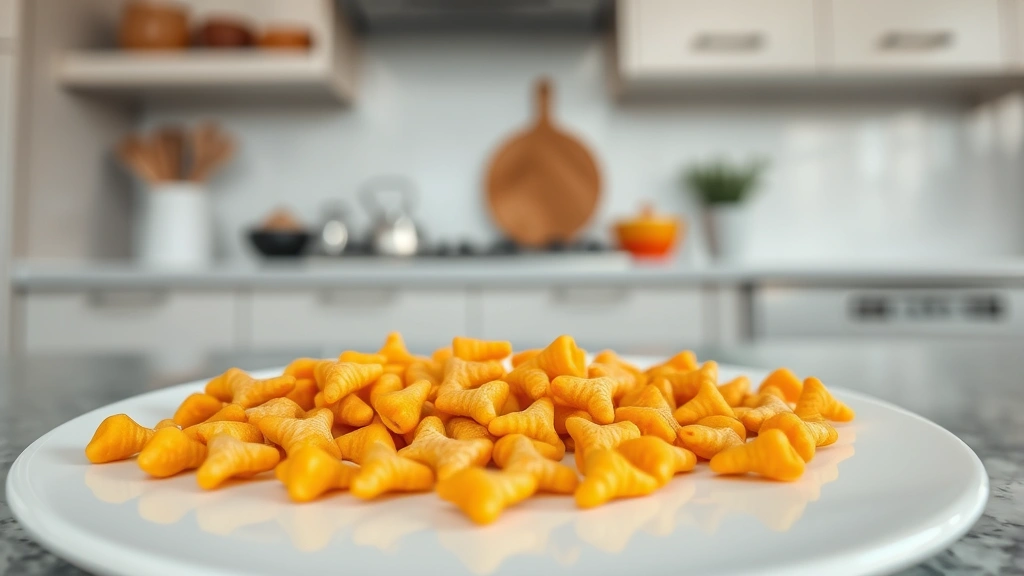
When examining the goldfish crackers nutrition label, the standard serving size is typically 55 grams (approximately 49 crackers), which contains roughly 250 calories. This caloric density reflects their role as a processed snack food—they’re energy-dense but nutrient-sparse compared to whole foods. The label reveals that about 12% of those calories come from fat, primarily from added oils used in manufacturing.
The nutrition facts panel shows that a single serving provides approximately 9-11 grams of total fat, with about 2 grams being saturated fat. While saturated fat shouldn’t be demonized entirely—it has important biological functions—the American Heart Association recommends limiting saturated fat to 5-6% of daily caloric intake. For a 2,000-calorie diet, that means keeping saturated fat below 13 grams daily, making a single serving of Goldfish crackers represent roughly 15% of your recommended limit.
One critical observation when reading the goldfish crackers nutrition label is the absence of certain beneficial nutrients. Unlike whole grain alternatives or nutrient-dense snacks, Goldfish crackers provide minimal vitamin content, no meaningful mineral contribution, and negligible antioxidant compounds. This matters because snacking represents 20-35% of daily caloric intake for many Americans, according to research on American eating patterns, making snack quality genuinely consequential for overall nutritional status.
Sodium Content and Health Implications
Perhaps the most concerning element on the goldfish crackers nutrition label is sodium content. A standard 55-gram serving contains approximately 500-550 milligrams of sodium, representing roughly 22-24% of the daily recommended limit of 2,300 milligrams established by health authorities. For children under twelve, the recommended sodium intake is even lower—1,200-1,900 milligrams daily—making a single serving of Goldfish crackers particularly significant in their sodium budget.
The sodium concern extends beyond immediate blood pressure effects. Chronic excessive sodium intake is linked to increased cardiovascular disease risk, kidney stress, and calcium loss from bones. When Goldfish crackers are consumed regularly—several times weekly or more—the cumulative sodium burden becomes substantial. A child consuming one serving daily would exceed sodium recommendations within 4-5 days.
What makes this particularly relevant is that many families aren’t consuming just one serving. Children often consume 2-3 servings in a sitting, quickly pushing sodium intake to problematic levels. The goldfish crackers nutrition label doesn’t necessarily communicate this risk clearly to consumers, which is why understanding the underlying science matters more than simply reading percentages.
Research from cardiovascular health organizations demonstrates that childhood sodium exposure establishes long-term dietary preferences and cardiovascular risk trajectories. Early exposure to high-sodium snacks can desensitize taste buds to saltiness, making it harder to enjoy lower-sodium options later in life.
Sugar, Carbohydrates, and Energy
The goldfish crackers nutrition label indicates minimal added sugar—typically less than 1 gram per serving—which represents a positive distinction from many competitor snacks. However, this doesn’t tell the complete carbohydrate story. A serving contains approximately 36-37 grams of total carbohydrates, primarily from refined wheat flour. These are rapidly digestible carbohydrates with a high glycemic index, meaning they elevate blood glucose quickly.
For individuals managing blood sugar or concerned about metabolic health, this rapid glucose spike matters significantly. The crackers lack fiber—typically providing less than 1 gram per serving—which means there’s minimal buffering of glucose absorption. Compare this to whole grain options that provide 3-5 grams of fiber, and you see why the goldfish crackers nutrition label reveals a processed food designed for taste and convenience rather than metabolic benefit.
The glycemic load of Goldfish crackers is approximately 32-34 per serving, which is considered high. This can trigger insulin spikes, particularly problematic for individuals with insulin resistance, prediabetes, or type 2 diabetes. Over time, frequent consumption of high-glycemic-index snacks contributes to metabolic dysfunction and increased disease risk.
Protein and Fiber Analysis
Examining the goldfish crackers nutrition label for protein reveals approximately 8 grams per serving, which sounds reasonable at first glance. However, context matters. The protein comes primarily from wheat gluten, an incomplete protein lacking certain essential amino acids in optimal ratios. Additionally, when you consider that 8 grams of protein is paired with 36 grams of carbohydrates, the macronutrient balance isn’t ideal for satiety or metabolic stability.
The fiber content—less than 1 gram per serving—is the most significant nutritional shortfall. The importance of dietary fiber for your health cannot be overstated, yet most processed snacks fail to deliver meaningful fiber quantities. Dietary fiber provides multiple benefits: improved digestion, enhanced satiety, better blood sugar control, and prebiotic effects supporting gut microbiome health.
When comparing the goldfish crackers nutrition label to whole food snacks, the protein-to-calorie ratio also becomes relevant. A serving of almonds provides similar calories but with 9 grams of protein, 3.5 grams of fiber, and substantially more micronutrients. The protein in almonds is also complete, containing all essential amino acids in balanced proportions.
Comparing to Other Snacks
Understanding whether Goldfish crackers are “healthy” requires contextual comparison. When positioned against sugary cookies, candy, or many chips, Goldfish crackers appear relatively reasonable. However, when compared to nutrient-dense snacks, the goldfish crackers nutrition label reveals significant gaps.
Consider these comparisons per 250-calorie serving:
- Goldfish Crackers: 500mg sodium, 36g carbs, 8g protein, minimal fiber, no significant micronutrients
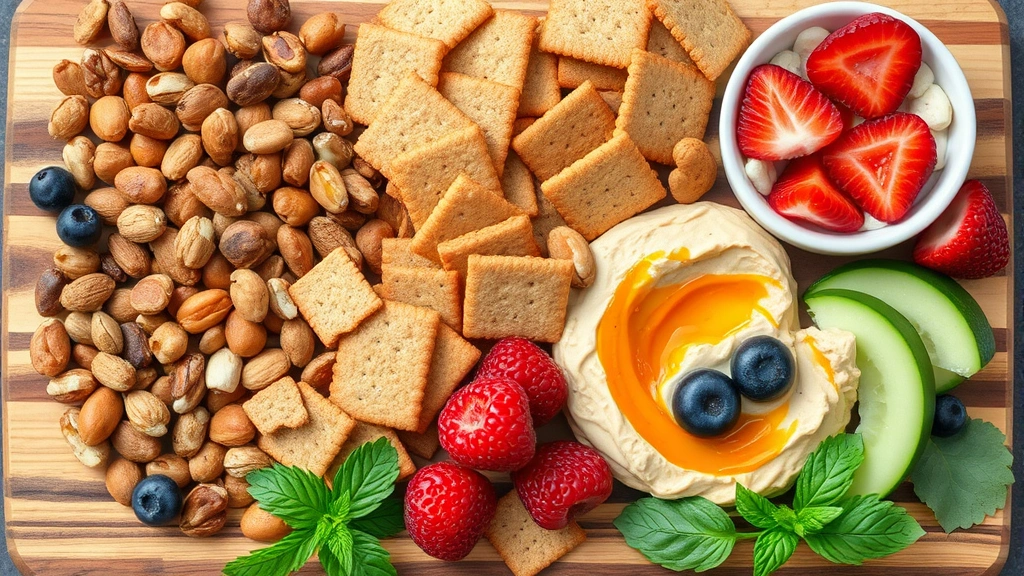
- Mixed Nuts: 180mg sodium, 9g carbs, 9g protein, 2.5g fiber, plus magnesium, zinc, and vitamin E
- Greek Yogurt with Berries: 150mg sodium, 20g carbs, 15g protein, 3g fiber, plus probiotics and calcium
- Whole Grain Crackers with Cheese: 350mg sodium, 24g carbs, 10g protein, 3g fiber, plus calcium and B vitamins
- Hummus with Vegetables: 200mg sodium, 18g carbs, 4g protein, 4g fiber, plus phytonutrients
This comparison illustrates that while Goldfish crackers aren’t uniquely problematic, they’re not optimal choices when better alternatives exist. The goldfish crackers nutrition label essentially represents processed convenience prioritized over nutritional density.
Ingredient Breakdown
Beyond the nutrition label numbers, examining the actual ingredient list provides additional insight. Goldfish crackers typically contain enriched wheat flour, vegetable oil, salt, and various additives. The “enriched” designation means certain B vitamins were added back after processing removed them—a process that doesn’t fully restore nutritional value lost during refinement.
The vegetable oil (often soybean oil) contributes to the product’s shelf stability but adds omega-6 polyunsaturated fat. While not inherently problematic, the omega-6 to omega-3 ratio in typical Western diets is already skewed toward omega-6, promoting inflammatory conditions. Goldfish crackers, like many processed snacks, worsen this ratio.
Various flavoring options exist (cheese, cheddar, pizza, etc.), and some varieties contain additional sodium or sugar. The original cheese flavor remains among the more straightforward options, though “cheese” flavor typically comes from cheese powder—a processed derivative rather than whole cheese.
Healthier Alternatives
If you enjoy the convenience and taste profile of Goldfish crackers, numerous healthier alternatives merit consideration. These alternatives don’t require sacrifice of palatability while offering superior nutritional profiles.
Whole Grain Options: Look for whole grain crackers with at least 3 grams of fiber per serving and less than 300mg sodium per serving. Brands like Mary’s Gone Crackers or simple homemade versions provide excellent alternatives with recognizable ingredients.
Legume-Based Crackers: Products made from chickpeas, lentils, or beans offer significantly higher protein and fiber while maintaining satisfying crunch. These also provide more sustained energy and better blood sugar stability.
Nuts and Seeds: While different in texture, nuts and seeds provide superior nutritional density. Almonds, walnuts, pumpkin seeds, and sunflower seeds offer protein, fiber, healthy fats, and micronutrients that Goldfish crackers cannot match.
Air-Popped Snacks: Air-popped popcorn seasoned with herbs provides satisfying crunch with minimal calories and sodium. A 3-cup serving contains roughly 90 calories and minimal sodium—making it an excellent high-volume, low-calorie alternative.
Veggie-Based Options: Vegetable chips made from beets, sweet potatoes, or kale offer fiber and phytonutrients while satisfying chip cravings. Pair with hummus for additional protein and healthy fat.
When considering how to improve nutrient absorption, remember that pairing snacks strategically enhances nutrient bioavailability. Combining a whole grain cracker with cheese or nut butter, for instance, adds healthy fat that enhances absorption of fat-soluble vitamins.
Practical Recommendations
Rather than declaring Goldfish crackers categorically “unhealthy,” practical recommendations acknowledge their role in realistic eating patterns while optimizing overall dietary quality.
Frequency Guidelines: Limit Goldfish crackers to 2-3 times weekly maximum, treating them as occasional snacks rather than dietary staples. For children, this frequency prevents excessive sodium accumulation while allowing the psychological benefit of familiar, enjoyable foods.
Portion Control: Consume one serving (55 grams) rather than eating directly from the bag. Pre-portioning prevents unconscious overconsumption, which easily doubles or triples sodium intake.
Pairing Strategy: When consuming Goldfish crackers, pair them with nutrient-dense foods. A serving with a piece of fruit, vegetables, or nuts creates more balanced macronutrient and micronutrient profiles. This also improves satiety, preventing subsequent overeating.
Flavor Selection: Some varieties contain less sodium than others. Original cheese generally contains less sodium than specialty flavors. Check the goldfish crackers nutrition label on specific varieties rather than assuming consistency across the brand.
Integration Within Your Diet: Consider Goldfish crackers within your total daily sodium, saturated fat, and refined carbohydrate intake. If you’re already meeting recommended limits from other foods, Goldfish crackers exceed your dietary budget. If you typically consume under recommendations, occasional consumption fits within healthy parameters.
The relationship between nutrition and mental health also deserves consideration. While Goldfish crackers themselves don’t directly impact mental health, establishing healthy eating patterns and teaching children to make informed snack choices supports long-term wellbeing and positive dietary relationships.
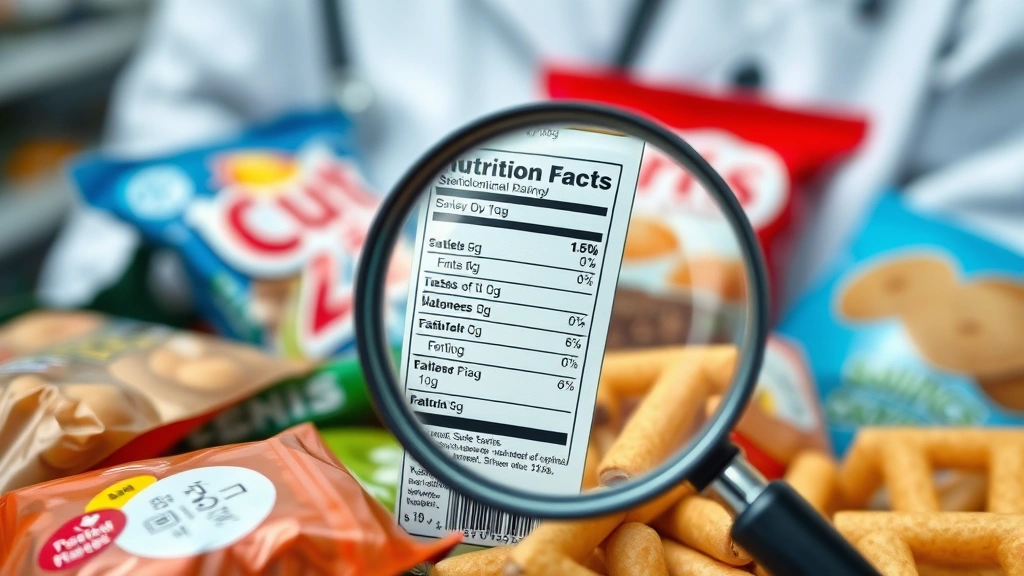
For parents particularly concerned about children’s snacking, the goldfish crackers nutrition label serves as a teaching moment. Discussing why certain nutrients matter, reading labels together, and exploring alternatives collaboratively builds nutritional literacy that lasts a lifetime.
FAQ
Are Goldfish crackers okay for children?
Goldfish crackers are acceptable occasional snacks for children, but shouldn’t be daily staples due to sodium content. Children’s sodium recommendations are lower than adults’, making frequent consumption problematic. Occasional consumption (2-3 times weekly) paired with water and physical activity fits within reasonable dietary patterns. However, whole grain alternatives with lower sodium provide better nutritional value for regular snacking.
Do Goldfish crackers have any nutritional benefits?
Goldfish crackers provide minimal nutritional benefits beyond basic calories and modest protein from enriched wheat flour. The B vitamins present are synthetic additions (enrichment) rather than naturally occurring. They contain no meaningful fiber, micronutrients, or phytonutrients. The primary value is psychological—familiar taste and convenience—rather than nutritional.
How much sodium is too much from Goldfish crackers?
A single serving (500-550mg) represents 22-24% of daily sodium recommendations for adults. Consuming more than one serving daily, or eating Goldfish crackers multiple days weekly, quickly exceeds healthy sodium intake. For children, even one serving represents a more significant portion of their lower sodium recommendations.
Can you eat Goldfish crackers on a diet?
Yes, but strategically. A single serving fits within most diets calorically (250 calories), but the lack of fiber and protein means limited satiety. Pairing with protein-rich foods (cheese, nuts, Greek yogurt) improves satiety and prevents subsequent overeating. Alternatively, choosing higher-fiber alternatives provides greater fullness with similar calories.
What’s the difference between regular and whole grain Goldfish?
Pepperidge Farm offers whole grain Goldfish varieties containing slightly more fiber than regular versions. However, sodium content remains similar, and fiber content still falls below optimal levels (typically 2-3 grams per serving versus 1 gram in regular). While whole grain versions represent marginal improvements, they’re not dramatically different from regular Goldfish crackers nutritionally.
Are Goldfish crackers better than chips?
Goldfish crackers are comparable to many chips nutritionally—both are processed snacks with high sodium and refined carbohydrates. Some chip varieties contain less sodium, while others contain more. Rather than comparing processed snack to processed snack, focus on whether either represents optimal snacking choices. Whole food alternatives universally outperform both.
Can people with high blood pressure eat Goldfish crackers?
Individuals with hypertension should limit Goldfish crackers significantly due to sodium content. A single serving represents nearly 25% of daily sodium recommendations for those managing blood pressure. Consulting with healthcare providers about appropriate sodium intake and identifying alternatives aligns with evidence-based hypertension management.