
Hometown Nutrition Myths: Expert Debunks Lies About Local Food Beliefs
Every small town across America has its own collection of nutrition wisdom passed down through generations. Your grandmother swears that eating carrots improves your eyesight, your neighbor insists that all fats are bad for you, and the local diner owner claims that their homemade remedy cures everything. While hometown nutrition advice often comes from a place of genuine care, many of these deeply rooted beliefs are actually myths—perpetuated by misunderstandings, outdated science, or simply old wives’ tales that never had solid evidence to begin with.
The problem with hometown nutrition myths is that they persist with remarkable tenacity. People tend to trust advice from those around them more than they trust scientific evidence, especially when that advice has been reinforced over decades within their community. This creates a challenging situation where misinformation spreads faster than fact-checking can address it. In this comprehensive guide, we’ll examine the most common nutrition myths circulating in communities across the country and explain what modern nutrition science actually tells us about these widely believed falsehoods.
The Carrot Vision Myth: Can Eating Carrots Really Improve Eyesight?
Perhaps one of the most persistent hometown nutrition myths is that eating carrots will significantly improve your vision and help you see in the dark. This myth has been repeated so often that many people accept it as absolute fact. While there’s a kernel of truth buried in this belief, the reality is far more nuanced than the popular narrative suggests.
Carrots do contain beta-carotene, a compound that your body converts to vitamin A, which is essential for healthy vision. Vitamin A plays a crucial role in maintaining the health of your retinas and helps your eyes adjust to low light conditions. However, this doesn’t mean that eating more carrots will give you superhuman night vision or dramatically improve eyesight that’s already corrected with glasses or contacts.
The myth gained particular traction during World War II when the British Royal Air Force wanted to keep their night-fighting capabilities secret. They spread propaganda suggesting that their pilots had exceptional night vision because of their carrot consumption, when in reality they were using radar technology. This wartime misinformation became embedded in popular culture and has persisted for over 80 years.
The truth is that if you’re already getting adequate vitamin A from your diet, eating additional carrots won’t provide extra vision benefits. You need a balanced approach to eye health that includes other nutrients like lutein, zeaxanthin, and omega-3 fatty acids. Additionally, if you have refractive errors like nearsightedness or farsightedness, no amount of carrots will correct them—you’ll still need corrective lenses.
The All-Fats-Are-Bad Misconception
For decades, the nutritional establishment promoted a message that all dietary fat is bad for your health. This hometown nutrition myth became so ingrained in American culture that many people still believe it today, despite substantial scientific evidence to the contrary. The fear of fat has led countless people to consume low-fat and fat-free products that are often loaded with sugar and artificial additives to compensate for flavor.
Modern nutrition science has thoroughly debunked the idea that all fats are harmful. In fact, your body requires dietary fat for numerous essential functions, including hormone production, nutrient absorption, brain function, and cell membrane integrity. The key distinction that hometown wisdom often misses is the difference between types of fats.
Unsaturated fats—found in foods like avocados, nuts, seeds, and olive oil—are actually beneficial for heart health and can help reduce inflammation. Omega-3 fatty acids, found in fatty fish like salmon and mackerel, are particularly important for brain health and cardiovascular function. Even saturated fat, which has been vilified for years, isn’t the villain that old nutrition myths portrayed it to be when consumed in moderate amounts.
The real culprit that hometown nutritionists overlooked is trans fat—the artificially created fat found in processed foods and some baked goods. These are the fats you should genuinely avoid. Additionally, the overall quality of your diet matters more than the percentage of calories from fat. A healthy nutrition plan includes healthy fats as a fundamental component, not something to be feared or eliminated.
Research from institutions like Harvard School of Public Health has consistently shown that people who consume moderate amounts of healthy fats have better health outcomes than those who try to eliminate fat entirely. The hometown myth about avoiding all fats has actually contributed to increased rates of obesity and metabolic dysfunction, as people replaced fat with refined carbohydrates and sugar.
Detox Diets and Cleanses: Do You Really Need Them?
In almost every hometown, you’ll find someone promoting a detox diet or cleanse—whether it’s a juice fast, a special herbal supplement regimen, or an elimination diet claiming to remove “toxins” from your body. These products and programs are marketed with impressive claims about flushing out poisons, resetting your metabolism, and achieving perfect health. However, this hometown nutrition myth lacks scientific support.
Your body already has highly sophisticated detoxification systems in place. Your liver, kidneys, and digestive system work continuously to filter out harmful substances and eliminate them through urine, feces, and sweat. There is no scientific evidence that commercial detox products or cleanses improve these natural processes or provide any health benefits beyond what your body already accomplishes on its own.
In fact, many detox diets can be harmful. Extreme juice cleanses deprive your body of essential nutrients, fiber, and protein. Certain detox supplements can interfere with medications or cause adverse effects. Some people have experienced serious complications from following extreme detox protocols, including electrolyte imbalances and organ damage.
The hometown belief in detoxes often stems from a misunderstanding of how your body works and a desire for a quick fix to health problems. Instead of chasing the detox myth, focus on supporting your body’s natural detoxification processes by eating whole foods, staying hydrated, exercising regularly, and getting adequate sleep. These foundational habits are far more effective than any commercial cleanse could ever be.

The Myth About Eating After 6 PM
“Don’t eat after 6 PM” is one of the most pervasive hometown nutrition myths, particularly among people trying to lose weight. The belief is that food eaten late in the evening will somehow be stored as fat more readily than food eaten earlier in the day. This myth has spawned countless dinner-skipping diets and created unnecessary anxiety around evening meals. However, the science tells a different story.
Your body doesn’t have a metabolic switch that turns off at a certain time of day. What matters for weight management is your total caloric intake over time, not the timing of those calories. Whether you eat 2,000 calories spread throughout the day or compressed into a shorter eating window, your body processes the energy similarly.
That said, there are some practical reasons why eating very late might not be ideal for some people. Eating a large meal close to bedtime can interfere with sleep quality for some individuals due to digestive discomfort or the stimulating effects of certain foods. Additionally, late-night eating is often associated with less healthy food choices—think midnight snacking on chips and cookies rather than nutritious meals.
The real issue isn’t the clock; it’s the type of food and the quantity. If you’re hungry in the evening, eating a balanced snack or meal is perfectly fine. The hometown myth that demonizes evening eating has led some people to go to bed hungry, which can actually interfere with sleep and lead to overeating the next day. Instead of following arbitrary time-based rules, listen to your body’s hunger and fullness cues throughout the entire day.
Skipping Meals to Lose Weight
Many hometown weight-loss philosophies promote the idea that skipping meals—particularly breakfast—will help you lose weight by reducing overall calorie intake. This myth has been perpetuated so widely that some people have built their entire approach to dieting around meal skipping. However, this strategy often backfires and can actually hinder your weight-loss goals.
When you skip meals, several counterproductive things happen in your body. Your blood sugar drops, leading to intense cravings and reduced willpower. Your metabolism may slow slightly as your body senses potential food scarcity. Most importantly, skipping meals typically leads to overeating at the next opportunity—you arrive at lunch or dinner ravenously hungry and consume far more than you would have if you’d eaten regular meals.
Research consistently shows that people who eat regular, balanced meals—including breakfast—tend to have better weight management outcomes than those who skip meals. A balanced breakfast with protein, healthy fats, and fiber helps stabilize blood sugar, reduces hunger throughout the morning, and improves decision-making around food choices later in the day.
The hometown wisdom about meal skipping also ignores individual variation. Some people do well with intermittent fasting approaches, while others find that skipping meals makes them feel terrible and leads to poor food choices. Rather than following a one-size-fits-all myth, work with your body to find an eating pattern that keeps you satisfied, energized, and able to make nutritious choices.
Sugar Directly Causes Hyperactivity in Children
One of the most widely believed hometown nutrition myths involves sugar and children’s behavior. Parents, teachers, and grandparents across America confidently assert that sugar makes kids hyperactive. This belief is so deeply embedded in our culture that birthday parties are often blamed for subsequent behavioral chaos. However, scientific research has repeatedly failed to find a direct causal link between sugar consumption and hyperactivity in children.
Multiple well-designed studies, including a meta-analysis published in the American Journal of Clinical Nutrition, found no significant relationship between sugar intake and hyperactivity in children without ADHD. Even in children with ADHD, sugar doesn’t significantly worsen symptoms beyond what you’d expect from normal dietary variation.
So why does this myth persist so strongly? Several factors contribute. First, the situations where children consume lots of sugar—parties, holidays, special events—are inherently stimulating and exciting, which naturally leads to increased activity and excitement. Parents attribute the behavior to sugar when it’s actually due to the environment and social stimulation. Second, there’s a psychological expectation effect: if adults expect sugar to make kids hyper, they may unconsciously notice and remember instances that confirm this belief while forgetting instances that don’t.
That said, excessive sugar consumption is still problematic for children’s health for other reasons—it contributes to tooth decay, poor nutrition if it displaces healthier foods, and increased risk of obesity and metabolic disease. The hometown myth about hyperactivity, however, distracts from these legitimate concerns and isn’t supported by evidence.
Gluten Is Bad for Everyone
In recent years, a new hometown nutrition myth has emerged with surprising force: the belief that gluten is inherently harmful and that everyone should avoid it. While gluten sensitivity is a real condition for some people, the idea that gluten is universally toxic is a myth without scientific support.
Celiac disease affects approximately 1% of the population and involves an autoimmune response to gluten. Non-celiac gluten sensitivity may affect a small percentage of additional people. However, for the vast majority of the population—roughly 99% of people—gluten poses no health problems whatsoever. Whole grains containing gluten provide valuable nutrients including fiber, B vitamins, minerals, and phytonutrients.
The hometown belief that everyone should avoid gluten often stems from observing people with celiac disease or gluten sensitivity feel better on a gluten-free diet, then generalizing that benefit to the entire population. Additionally, the gluten-free food industry has invested heavily in marketing that promotes the idea of gluten as a modern toxin, despite lack of evidence.
For people without celiac disease or gluten sensitivity, avoiding gluten doesn’t provide health benefits and may actually reduce your intake of nutritious whole grains. If you suspect you have gluten sensitivity, work with a healthcare provider to get properly tested before eliminating gluten from your diet. For everyone else, the hometown myth about universal gluten avoidance can be safely ignored.
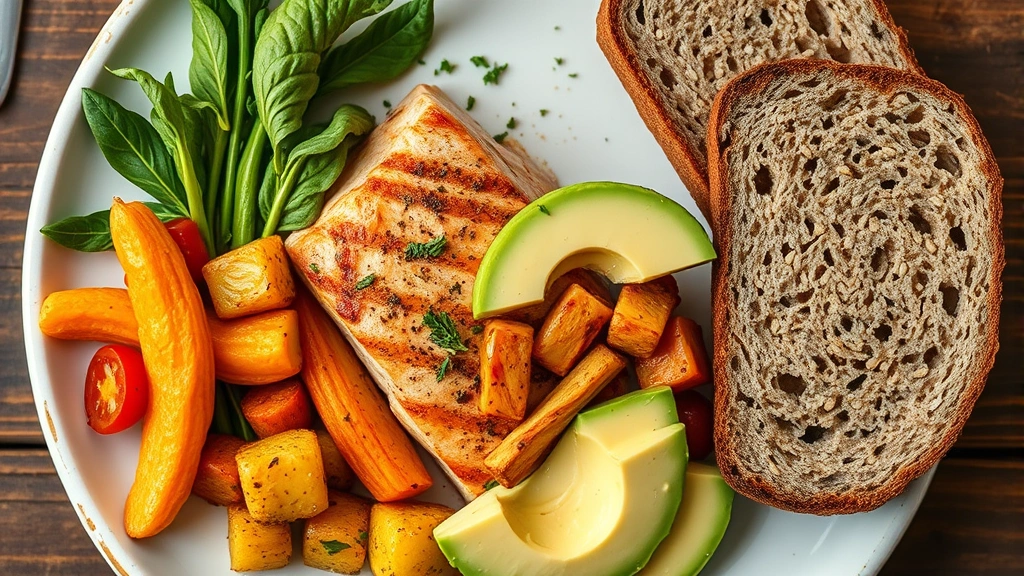
Understanding how dietary fiber supports your health is important, especially when considering whole grains, which are excellent sources of this essential nutrient.
FAQ
What should I do if my hometown nutrition advice contradicts what I read online?
Look for information from credible sources like the National Institutes of Health, academic medical centers, and peer-reviewed research. Be skeptical of claims that sound too good to be true or promise quick fixes. Consult with a registered dietitian or your healthcare provider when you’re uncertain.
Are all hometown nutrition myths completely false?
Not necessarily. Many myths contain kernels of truth that have been distorted over time. Carrots really do contain vitamin A, which is important for vision—but they won’t give you superhuman eyesight. The key is understanding the nuance and avoiding overgeneralization.
How can I evaluate nutrition claims I hear in my community?
Ask for evidence. Does the claim come from a credible source? Has it been tested in scientific studies? Does it contradict what multiple reliable sources say? Be wary of anyone selling a product to support their nutrition claim—there’s an inherent conflict of interest.
Why do nutrition myths spread so easily in hometowns?
People trust advice from those they know and respect. Myths also tend to be simpler and more memorable than nuanced scientific explanations. Additionally, confirmation bias leads us to remember instances that support the myth while forgetting instances that contradict it.
Should I follow a special diet based on my hometown’s traditions?
Traditional diets often contain valuable wisdom about eating patterns that work well in particular environments and cultures. However, evaluate specific claims critically and update your approach based on current nutritional science. The best diet combines cultural food traditions with evidence-based nutrition principles.
How does nutrition science relate to overall health optimization?
Proper nutrition is foundational, but it’s just one component of health. The connection between nutrition and mental health demonstrates how diet impacts multiple aspects of wellbeing. Additionally, exercise, sleep, stress management, and social connections all play crucial roles in overall health.
Can athletes benefit from specialized nutrition approaches?
Yes, athletes have specific nutritional needs that differ from the general population. Nutrition for athletes requires optimizing performance through diet with tailored macronutrient ratios and timing. However, the basic principles of whole foods and adequate hydration apply to everyone.


