Is Impossible Burger Healthy? Dietitian Insights on Plant-Based Meat Nutrition
The plant-based meat revolution has transformed how consumers think about protein alternatives. Impossible Burger, one of the market leaders, has gained significant traction among flexitarians, vegans, and health-conscious eaters seeking sustainable protein options. But beneath the marketing appeal lies a critical question: is Impossible Burger actually healthy? This comprehensive analysis examines the nutritional profile, ingredients, and health implications based on dietitian expertise and scientific research.
As the global plant-based meat market continues its explosive growth—projected to reach $290 billion by 2035—understanding the true nutritional value of products like Impossible Burger becomes increasingly important. While these products offer environmental and ethical benefits, their health credentials deserve careful scrutiny. This guide provides evidence-based insights to help you make informed dietary decisions.
Impossible Burger Nutrition Facts
A single Impossible Burger patty (113g) contains approximately 240 calories, 19 grams of protein, 14 grams of total fat, and 9 grams of carbohydrates. The product provides roughly 3.6 grams of dietary fiber and contains 370mg of sodium per patty. When consumed as a burger with bun, condiments, and toppings, the total caloric and nutritional content increases substantially—typically reaching 500-700 calories per serving.
The macronutrient distribution appears competitive with conventional beef at first glance. However, the composition and source of these nutrients differ significantly. Impossible Burger derives its protein primarily from soy protein concentrate and potato starch, supplemented with coconut oil and sunflower oil for texture and mouthfeel. This engineered approach means the burger’s nutritional profile relies heavily on food processing rather than whole food sources.
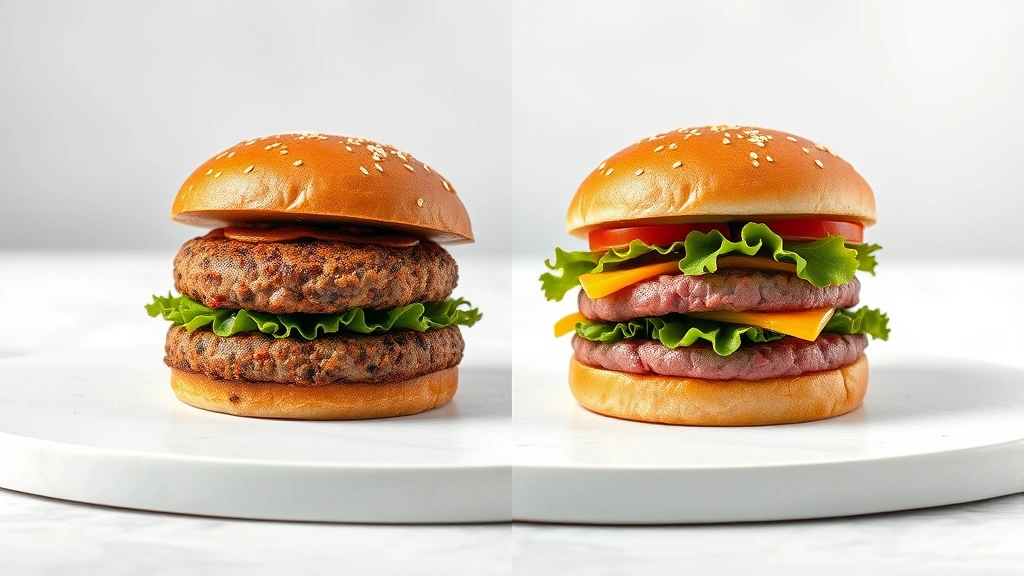
Compared to a traditional 4-ounce beef burger (ground 80/20), Impossible Burger contains slightly less fat (14g vs. 18g) and comparable protein levels. The critical difference lies in the type of fat: Impossible Burger contains primarily unsaturated fats from plant oils, while beef contains saturated fat. This distinction matters for cardiovascular health considerations, though the presence of coconut oil introduces saturated fat content (5g per patty).
Protein Content and Amino Acid Profile
Plant-based proteins from soy are considered complete proteins, containing all nine essential amino acids necessary for human health. Impossible Burger’s 19 grams of protein per patty represents a substantial contribution to daily protein needs—approximately 38% of the recommended daily allowance for a 2,000-calorie diet. This makes it a viable protein source for vegetarians, vegans, and those reducing meat consumption.
However, bioavailability matters. Soy protein bioavailability ranges from 85-95%, slightly lower than beef’s near-complete absorption. Additionally, the processing required to create soy protein concentrate may reduce certain amino acid availability compared to whole soy foods like tofu or tempeh. Pairing Impossible Burger with complementary amino acid sources—such as legumes or whole grains—can enhance the overall protein quality of your meal.
For athletes and those following nutrition for athletes and optimizing performance through diet, the protein content alone makes Impossible Burger acceptable, though whole food sources typically offer superior micronutrient density and lower sodium content. The burger’s protein sufficiency doesn’t necessarily translate to nutritional superiority compared to lean beef options.
Sodium and Saturated Fat Concerns
The most significant health concern with Impossible Burger is its sodium content. At 370mg per patty, a single burger sandwich (with bun and condiments) can easily exceed 800-1,000mg of sodium—nearly half the recommended daily limit of 2,300mg. Regular consumption poses cardiovascular risks, particularly for individuals with hypertension or sodium sensitivity.
This sodium level reflects the product’s reliance on salt for flavor enhancement and preservation—a common industry practice in ultra-processed foods. Unlike whole food protein sources, Impossible Burger requires salt as a primary flavoring agent due to the absence of natural umami compounds found in beef or mushrooms.
Saturated fat content deserves attention despite marketing claims emphasizing unsaturated fat superiority. The 5 grams of saturated fat per patty (25% of daily recommended maximum) primarily derives from coconut oil. While coconut oil has been promoted as a “healthier” saturated fat, scientific consensus remains mixed. The American Heart Association continues recommending limited saturated fat intake due to established links with elevated LDL cholesterol and cardiovascular disease risk.
The burger’s total fat content (14g) includes 9 grams of unsaturated fat, which provides cardiovascular benefits. However, the overall fat profile—combining both saturated and unsaturated sources—requires careful contextual evaluation within your broader dietary pattern. Occasional consumption presents minimal concern; regular replacement of lean beef with Impossible Burger may not yield the anticipated health benefits.
Ultra-Processed Ingredients Breakdown
Impossible Burger’s ingredient list reflects intensive food engineering: soy protein concentrate, coconut oil, sunflower oil, potato starch, methylcellulose, yeast extract, salt, soy leghemoglobin, vitamin E, vitamin B12, and zinc. This composition classifies the product as ultra-processed food (UPF) according to the NOVA classification system used by Harvard School of Public Health.
The inclusion of soy leghemoglobin—a genetically modified heme compound derived from soy—generates particular scrutiny. This ingredient creates the burger’s characteristic “bleeding” effect and meaty flavor. While FDA approval and safety assessments suggest its safety, long-term consumption data remains limited. Some consumers express concerns about genetically modified ingredients, though scientific evidence supports their safety.
Methylcellulose, a cellulose-derived binder, is generally recognized as safe but serves no nutritional purpose. It exists solely to improve texture and mouthfeel—a characteristic of ultra-processed foods optimized for sensory pleasure rather than nutritional density. This processing-heavy approach contrasts sharply with whole food alternatives like nutrition facts about avocados or legumes, which provide comparable nutrients with minimal processing.
The reliance on food additives and processing raises broader health concerns. Research from Cell Metabolism demonstrates associations between ultra-processed food consumption and increased inflammation, metabolic dysfunction, and chronic disease risk. While Impossible Burger is less processed than some alternatives, its classification as UPF warrants consideration within the context of overall dietary patterns.
Comparison with Beef Burgers
Direct nutritional comparison reveals nuanced tradeoffs rather than clear superiority. A 4-ounce conventional ground beef burger (80/20 blend) contains 290 calories, 24g protein, 23g fat, and 0g carbohydrates. Impossible Burger offers lower fat and calories while providing carbohydrates and fiber. Neither is categorically “healthier”—the determination depends on individual health objectives.
For cardiovascular health, Impossible Burger’s lower saturated fat content offers advantages. For those prioritizing minimal processing, conventional beef provides a less engineered option. For those following healthy nutrition plan guides to eating well for life, the choice depends on whether the burger represents an improvement over your current diet or merely a lateral substitution.
Beef provides superior micronutrient density, including bioavailable iron (heme iron), vitamin B12, zinc, and selenium in forms the body readily absorbs. Impossible Burger includes B12 and zinc supplementation, acknowledging its micronutrient deficiencies. This fortification indicates recognition that plant-based meat cannot naturally replicate beef’s nutritional completeness.
Environmental considerations significantly impact this comparison. Beef production requires substantially more water, land, and generates greater greenhouse gas emissions. From an environmental health perspective—where planetary health directly influences human health—plant-based alternatives present clear advantages. This broader framework may justify choosing Impossible Burger despite slight nutritional tradeoffs, depending on your values and health priorities.
Micronutrient Analysis
Impossible Burger’s micronutrient profile relies on fortification rather than inherent nutrition. The product includes synthetic vitamin E (alpha-tocopherol), B12 (cyanocobalamin), and zinc (zinc gluconate). While these additions address critical nutritional gaps, fortified nutrients often exhibit lower bioavailability than naturally occurring forms.
Iron content presents a particular concern. While Impossible Burger contains iron, it provides non-heme iron (from plant sources), which absorbs at 2-20% efficiency—significantly lower than heme iron from beef (15-35% absorption). The burger’s high polyphenol content (from various ingredients) and phytic acid further inhibit iron absorption. Those relying on Impossible Burger as a primary iron source risk deficiency, particularly menstruating women and vegans.
Vitamin B12 fortification addresses a legitimate gap in plant-based diets. Unlike beef, which provides naturally occurring B12, Impossible Burger requires synthetic addition. This dependence on fortification makes consistency problematic—you cannot assume adequate B12 from plant-based meat alone. Supplementation or alternative sources (fortified plant milks, nutritional yeast) remain necessary.
Zinc bioavailability from plant sources remains limited by phytates. The added zinc gluconate helps but doesn’t fully compensate for the burger’s phytic acid content, which binds minerals and reduces absorption. Learning how to improve nutrient absorption becomes crucial when relying on plant-based proteins as primary nutrition sources.
Environmental Health Benefits
The sustainability argument for Impossible Burger transcends individual health to encompass planetary health. Beef production generates approximately 99.5 kg CO2-equivalent per kilogram of product, while plant-based alternatives produce 2.0-3.5 kg CO2-equivalent per kilogram. This dramatic reduction addresses climate change—arguably the greatest health threat facing humanity.
Land use efficiency demonstrates similar disparities. Beef production requires 20 times more land per gram of protein compared to legume production. Water consumption for beef reaches 20,000 liters per kilogram, versus 4,000 liters for plant-based alternatives. These environmental metrics translate directly to human health through climate stability, water security, and food system resilience.
From a public health perspective, adopting plant-based alternatives at scale could reduce agricultural emissions by 80%, freeing land for carbon sequestration and ecosystem restoration. This systemic health benefit may outweigh individual nutritional tradeoffs, particularly for environmentally conscious consumers.
Dietitian Recommendations
Registered dietitians offer nuanced guidance on Impossible Burger integration. The consensus emphasizes context: Impossible Burger can support health goals within a balanced diet but shouldn’t become a dietary staple. Here are evidence-based recommendations:
- Frequency: Reserve Impossible Burger for occasional consumption (1-2 times monthly) rather than weekly replacement for beef. This limits sodium accumulation and ensures dietary variety.
- Accompaniments: Pair with whole grain buns, abundant vegetables, and understanding the importance of dietary fiber for your health through side dishes. This improves overall nutritional quality and creates satiety.
- Sodium management: For those with hypertension or cardiovascular disease, avoid additional salt and high-sodium condiments. Monitor daily sodium intake carefully.
- Micronutrient strategy: Don’t rely on Impossible Burger as a primary B12, iron, or zinc source. Maintain diverse protein sources including legumes, nuts, seeds, and whole grains.
- Processing consideration: Balance ultra-processed foods with minimally processed alternatives. Whole food plant proteins (tofu, tempeh, beans) offer superior nutritional profiles.
- Individual variation: Those with soy allergies, GMO concerns, or specific health conditions (kidney disease requiring sodium restriction) should avoid Impossible Burger or consult healthcare providers.
The healthiest approach integrates Impossible Burger as one option within a diverse protein strategy rather than a primary staple. Its value increases when it replaces conventional beef in consumers who wouldn’t otherwise reduce meat consumption—essentially capturing environmental benefits from those resistant to traditional plant-based options.
Research from Stanford Center for Health Policy suggests plant-based meat adoption may benefit public health most when it reduces overall meat consumption rather than replacing lean beef with processed alternatives. The substitution effect matters more than the product itself.
FAQ
Is Impossible Burger better than beef nutritionally?
Neither is categorically superior. Impossible Burger offers lower saturated fat and calories; beef provides superior micronutrient density and bioavailability. The choice depends on individual health priorities and broader dietary context.
Does Impossible Burger contain GMOs?
Yes, Impossible Burger contains genetically modified soy and soy leghemoglobin. While FDA-approved and safety-tested, those avoiding GMOs should select alternative products.
Is Impossible Burger good for weight loss?
At 240 calories per patty, Impossible Burger fits within weight loss frameworks. However, burger sandwiches (with bun and condiments) reach 500-700 calories, requiring portion awareness. Its high sodium content may increase water retention.
Can vegans rely on Impossible Burger as primary protein?
While adequate in protein quantity, Impossible Burger shouldn’t serve as your sole protein source due to micronutrient gaps and limited bioavailability. Combine with legumes, nuts, seeds, and fortified plant foods for nutritional completeness.
How does Impossible Burger impact cholesterol?
The unsaturated fat content offers modest cardiovascular benefits compared to conventional beef. However, the saturated fat from coconut oil and high sodium content may offset these advantages, particularly with frequent consumption.
Is Impossible Burger safe for children?
The high sodium content makes regular consumption inappropriate for children under 12. Occasional consumption is acceptable; whole food protein sources should dominate children’s diets.
What’s the environmental impact of Impossible Burger?
Significantly lower than beef across all metrics—80% less land, 75% less water, 90% fewer emissions. These benefits extend to public health through climate stability and resource conservation.


