Jasmine Rice Health Benefits: Nutritionist Insight on Jasmine Rice Nutrition Facts
Jasmine rice has become a staple in kitchens worldwide, prized for its delicate floral aroma and soft, slightly sticky texture. But beyond its culinary appeal, many health-conscious consumers wonder about the actual nutritional value of this popular grain variety. As a nutritionist perspective, jasmine rice offers a nuanced profile of benefits and considerations that deserve careful examination, particularly when integrated into a healthy nutrition plan.
This comprehensive guide explores jasmine rice nutrition facts, examining how this grain variety compares to other rice types and what makes it a potentially valuable addition to your diet. Whether you’re looking to understand carbohydrate content, digestibility, or micronutrient composition, we’ll break down the science behind this beloved grain.
What is Jasmine Rice? Understanding the Basics
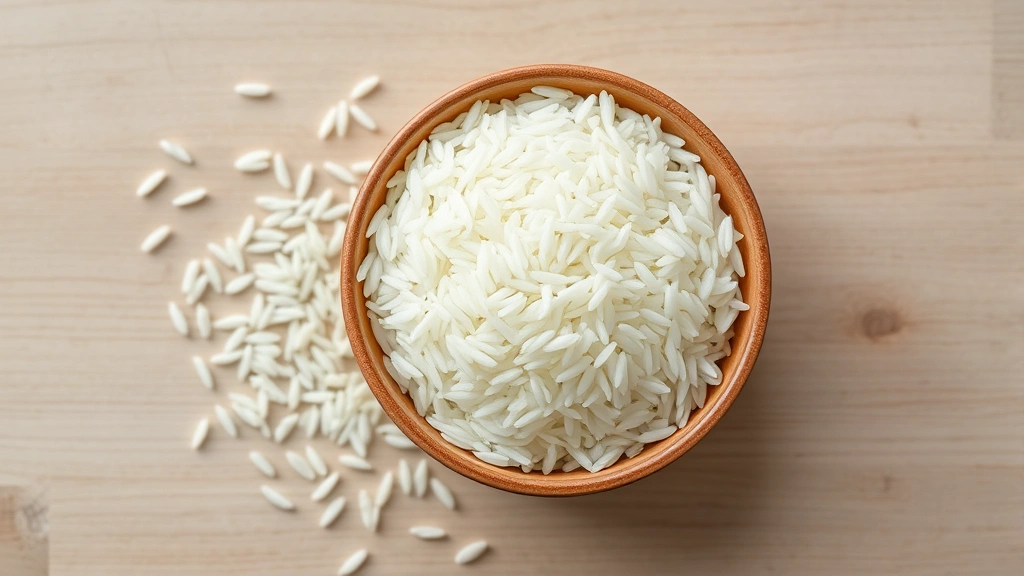
Jasmine rice is a long-grain variety of white rice primarily cultivated in Thailand, Cambodia, and other Southeast Asian countries. The name derives from the rice’s naturally fragrant, floral aroma that resembles jasmine flowers. This aromatic rice variety has been cultivated for centuries and holds significant cultural importance in Asian cuisine.
Unlike regular white rice, jasmine rice possesses a unique genetic makeup that produces its distinctive scent and slightly different cooking characteristics. The grain remains soft and slightly sticky when cooked, making it ideal for absorbing flavors from curries, stir-fries, and other dishes. Understanding what jasmine rice actually is provides the foundation for evaluating its nutritional merits.
The processing of jasmine rice typically involves removing the husk and bran layers, which significantly impacts its nutritional composition compared to brown rice varieties. This processing method means jasmine rice is classified as a refined grain, an important distinction when considering its place in a balanced diet.
Complete Nutritional Profile and Jasmine Rice Nutrition Facts
A standard serving of cooked jasmine rice—approximately one cup or 158 grams—contains roughly 205 calories, making it a moderate-calorie grain option. The macronutrient breakdown reveals that jasmine rice is primarily a carbohydrate source, with minimal fat and moderate protein content.
According to nutritional databases and USDA nutritional guidelines, one cup of cooked jasmine rice provides:
- Calories: 205 kcal
- Carbohydrates: 45 grams (comprising approximately 90% of calories)
- Protein: 4 grams
- Fat: 0.5 grams
- Fiber: 0.6 grams
- Sodium: 2 milligrams
These figures demonstrate that jasmine rice functions primarily as an energy source through carbohydrates, with limited micronutrient density due to its refined nature. However, enriched jasmine rice varieties—fortified with vitamins and minerals during processing—offer enhanced nutritional profiles that address some nutrient gaps inherent to white rice.
Carbohydrates and Glycemic Impact
The carbohydrate composition of jasmine rice warrants particular attention, especially for individuals managing blood sugar levels or following specific dietary protocols. Jasmine rice has a relatively high glycemic index (GI), typically ranging from 68-89 depending on cooking method and individual factors, classifying it as a high-GI food.
This elevated glycemic index means jasmine rice causes a relatively rapid increase in blood glucose levels after consumption. For individuals with diabetes or prediabetes, this characteristic necessitates careful portion control and strategic pairing with protein and fiber sources. Combining jasmine rice with avocados, legumes, or lean proteins can moderate the glycemic response through nutrient synergy.
Research from the Harvard School of Public Health indicates that regular consumption of refined grains like jasmine rice correlates with increased risk of type 2 diabetes when consumed in excess without accompanying dietary modifications.
However, when consumed in appropriate portions as part of a balanced meal, jasmine rice’s carbohydrate content provides readily available glucose for energy production, particularly beneficial for athletes or individuals requiring sustained physical activity.
Protein and Essential Amino Acids
At approximately 4 grams of protein per cooked cup, jasmine rice contributes modest protein content to meals. While this amount falls below the protein density of legumes or animal products, it nonetheless provides measurable amino acid contribution. The protein in jasmine rice contains all nine essential amino acids, though in varying proportions.
The amino acid profile of jasmine rice demonstrates higher concentrations of methionine and cysteine compared to other essential amino acids. This composition suggests that jasmine rice pairs nutritionally well with legume-based proteins, creating complementary amino acid profiles that approach complete protein status when combined.
For vegetarians and vegans, incorporating jasmine rice with beans, lentils, or other legume sources creates nutritionally complete protein combinations. This traditional pairing, common in Asian and Latin American cuisines, represents sophisticated nutritional synergy developed through cultural food practices.
Micronutrients and Mineral Content
The micronutrient density of white jasmine rice is relatively limited due to the removal of bran and germ layers during processing. However, enriched jasmine rice varieties significantly enhance micronutrient availability through fortification processes. Standard enriched jasmine rice contains added:
- Thiamine (Vitamin B1): Essential for carbohydrate metabolism and nervous system function
- Niacin (Vitamin B3): Critical for energy production and DNA repair
- Iron: Particularly important for oxygen transport and energy metabolism
- Folic Acid: Crucial for cell division and DNA synthesis
Natural mineral content in jasmine rice includes manganese, magnesium, and phosphorus, though in modest quantities. Manganese plays important roles in bone development and metabolic processes, while magnesium supports muscle function and energy production. When selecting jasmine rice, choosing enriched varieties ensures substantially improved micronutrient contribution to daily nutritional requirements.
Fiber Content and Digestive Health
One notable limitation of jasmine rice is its relatively low fiber content—approximately 0.6 grams per cooked cup. This minimal fiber density reflects the removal of the bran layer, which contains the majority of whole grain fiber. For optimal dietary fiber intake, jasmine rice should be complemented with fiber-rich vegetables, legumes, and whole grain alternatives.
Understanding how to improve digestion often involves increasing fiber intake, which jasmine rice alone cannot adequately provide. However, incorporating jasmine rice into meals with high-fiber components creates balanced nutritional profiles that support digestive health and satiety.
For individuals with sensitive digestive systems or those recovering from gastrointestinal issues, jasmine rice’s refined nature and gentle digestibility offer advantages. The easily digestible carbohydrates in jasmine rice require minimal digestive effort, making it suitable for recovery periods or compromised digestive function.
Jasmine Rice vs Other Rice Varieties
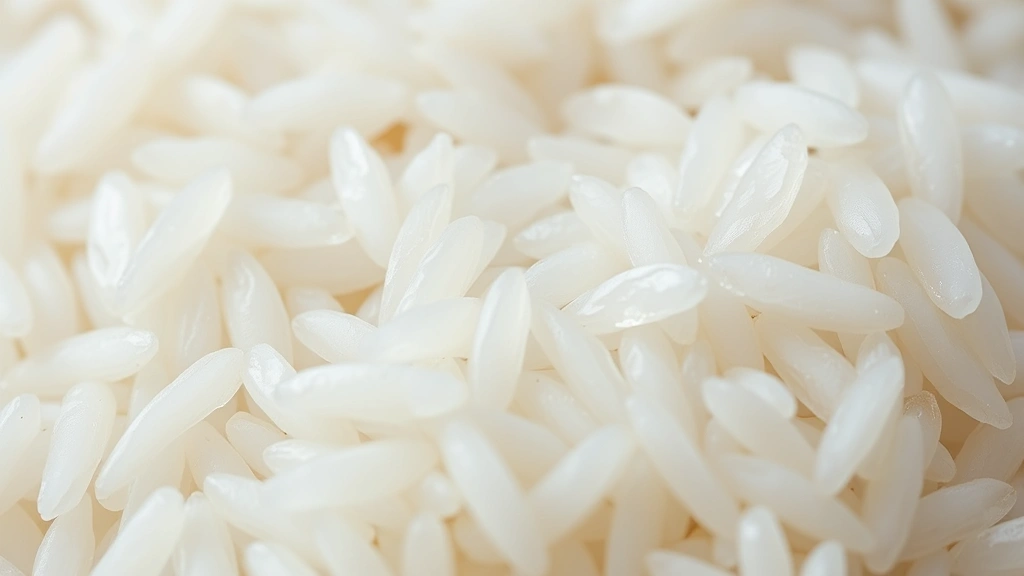
Comparative analysis with other rice varieties illuminates jasmine rice’s nutritional position within the broader grain landscape. Brown jasmine rice offers substantially higher fiber content—approximately 3.5 grams per cooked cup—alongside greater micronutrient density due to retained bran layers. However, brown jasmine rice requires longer cooking times and possesses a different texture profile.
White jasmine rice versus standard white rice reveals minimal nutritional differences, with jasmine rice offering comparable macronutrient composition. The primary distinction lies in aromatic compounds and textural characteristics rather than fundamental nutritional architecture. Basmati rice, another aromatic variety, presents similar nutritional profiles to jasmine rice with comparable glycemic indices.
Wild rice and specialty grain options like quinoa and farro demonstrate superior protein content and fiber density compared to jasmine rice. However, jasmine rice’s accessibility, affordability, and cultural significance in global cuisines maintain its popularity despite nutritional advantages offered by alternative grains. The optimal grain choice depends on individual dietary goals, health status, and culinary preferences.
Health Benefits for Different Populations
Jasmine rice offers distinct advantages and considerations across different demographic and health-based populations. For individuals with celiac disease or non-celiac gluten sensitivity, jasmine rice provides a naturally gluten-free grain option, enabling safe inclusion in restricted diets.
Athletes and physically active individuals benefit from jasmine rice’s high-glycemic carbohydrates, which rapidly replenish muscle glycogen stores post-workout. The easily digestible nature of refined jasmine rice makes it ideal for pre-competition meals or recovery nutrition strategies.
Elderly populations may find jasmine rice’s soft texture and easy digestibility advantageous, particularly when dental function or gastrointestinal sensitivity limits consumption of harder grains. The mild flavor profile also accommodates varied taste preferences common in aging populations.
Individuals managing weight may appreciate jasmine rice’s moderate caloric density and satiety-promoting properties when combined with protein and vegetables. However, portion control remains essential due to refined carbohydrate composition and potential blood sugar impacts.
Those following nutrition plans supporting mental health should note that jasmine rice provides carbohydrates supporting serotonin production through tryptophan metabolism, though whole grain alternatives offer superior micronutrient profiles for cognitive function.
Preparation Methods That Maximize Nutrition
Cooking methodology significantly influences jasmine rice’s nutritional bioavailability and blood sugar impact. The absorption-leaching (AL) cooking method—boiling jasmine rice in excess water, then draining—reduces starch content by approximately 50% compared to standard cooking, thereby lowering glycemic response.
Cooling cooked jasmine rice creates resistant starch, a prebiotic fiber that escapes small intestine digestion and reaches the colon, where it feeds beneficial bacteria and provides metabolic advantages. Research indicates that consuming cooled, reheated jasmine rice reduces postprandial glucose spikes compared to freshly cooked rice.
Adding fat to jasmine rice during cooking—through oil, coconut milk, or butter—reduces starch digestibility through amylose-lipid interactions, moderating blood glucose elevation. This technique, common in traditional Asian cuisine, represents intuitive nutritional optimization developed through culinary practice.
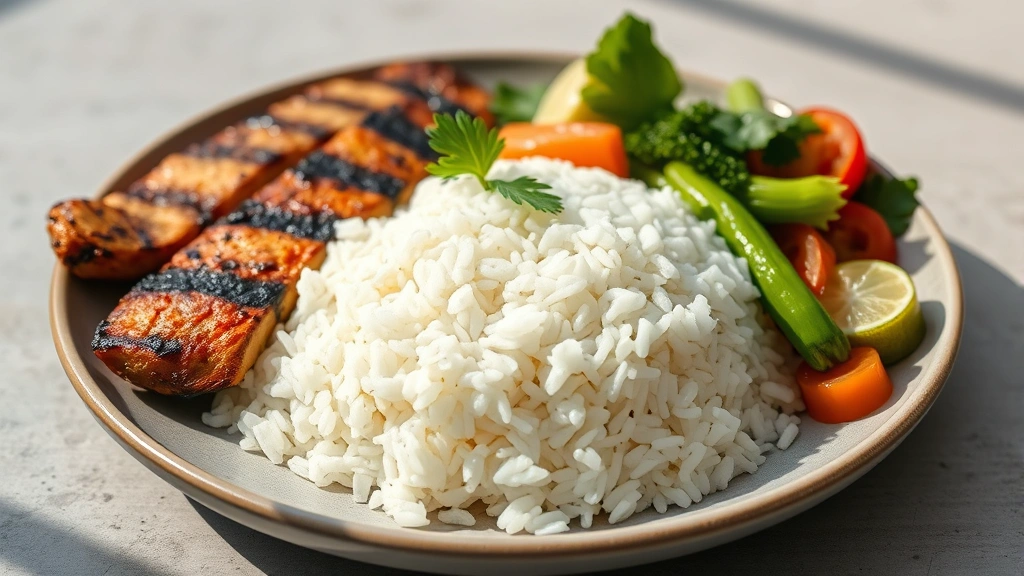
Pairing jasmine rice with protein sources, healthy fats, and vegetables creates balanced meals that moderate glycemic response and enhance satiety. Vegetable fried rice incorporating eggs, legumes, and vegetables exemplifies how preparation methodology can substantially improve nutritional quality compared to plain jasmine rice consumption.
Potential Concerns and Considerations
Several factors warrant consideration for individuals evaluating jasmine rice’s role in comprehensive nutrition strategies. Arsenic accumulation in rice crops presents documented concerns, as rice absorbs arsenic from soil and water more readily than other grains. While jasmine rice arsenic levels typically fall within acceptable ranges, regular consumers—particularly young children—should diversify grain consumption.
The refined nature of jasmine rice necessitates careful integration into dietary patterns emphasizing whole grain consumption. Current nutritional guidelines recommend that at least half of daily grain consumption derive from whole grain sources, suggesting jasmine rice should complement rather than dominate grain intake.
Individuals with elevated triglycerides or metabolic syndrome may experience unfavorable responses to jasmine rice’s high glycemic index. Portion control, preparation modifications, and strategic food pairing become essential for managing metabolic health.
Allergic reactions to jasmine rice remain rare, though rice protein allergies exist in certain populations. Cross-reactivity with other grains occurs infrequently, making jasmine rice generally safe for diverse populations absent specific grain allergies.
For those managing specific health conditions, consulting registered dietitians ensures jasmine rice consumption aligns with personalized health objectives and medical recommendations. Individual metabolic variation means that standardized nutritional guidance may require customization based on unique health status and goals.
Visit the Nutrients Pathway Blog for additional evidence-based nutritional information supporting informed dietary choices.
FAQ
Is jasmine rice healthier than white rice?
Nutritionally, jasmine rice and standard white rice are nearly equivalent, with comparable caloric content, carbohydrate composition, and micronutrient profiles. The primary differences lie in aromatic compounds and texture rather than fundamental health properties. Both are refined grains best complemented with whole grain alternatives for optimal nutritional balance.
Can jasmine rice be part of a diabetic diet?
Jasmine rice’s high glycemic index requires careful portion control and strategic pairing with protein and fiber sources for individuals with diabetes. Cooking methods like the absorption-leaching technique or consuming cooled, reheated rice can moderate blood sugar impact. Consulting healthcare providers ensures jasmine rice consumption aligns with individual diabetes management plans.
Does jasmine rice contain gluten?
Pure jasmine rice is naturally gluten-free, making it suitable for individuals with celiac disease or gluten sensitivity. However, some commercially prepared jasmine rice products may contain gluten-containing additives or experience cross-contamination during processing. Always verify labeling for gluten-free certification when purchasing for gluten-restricted diets.
How much jasmine rice should I eat per day?
Appropriate jasmine rice consumption depends on individual caloric requirements, health status, and overall dietary composition. A typical serving ranges from 0.5 to 1 cup cooked rice per meal, with total daily intake determined by carbohydrate goals and activity level. Balance jasmine rice with protein, healthy fats, and vegetables to optimize nutritional quality.
What’s the difference between jasmine rice and brown jasmine rice?
Brown jasmine rice retains the bran and germ layers, providing approximately 3.5 grams of fiber per cooked cup compared to white jasmine rice’s 0.6 grams. Brown jasmine rice also contains higher micronutrient concentrations and lower glycemic impact, though it requires longer cooking times and possesses different textural characteristics.
Is jasmine rice good for weight loss?
Jasmine rice’s moderate caloric density and refined carbohydrate composition require strategic integration into weight loss nutrition plans. When consumed in appropriate portions alongside protein and vegetables, jasmine rice can support satiety and provide sustained energy. However, whole grain alternatives offer superior fiber content, enhancing weight management effectiveness.