Healthy Choices at Jason’s Deli? Expert Tips for Nutritious Dining
Jason’s Deli has positioned itself as a health-conscious casual dining option, with an emphasis on fresh ingredients and customizable menu items. However, navigating the menu for truly nutritious choices requires strategic planning and nutritional awareness. This guide provides expert insights into making the healthiest selections while dining at Jason’s Deli, helping you balance taste with wellness goals.
With the rise of fast-casual dining, consumers increasingly demand transparency about nutritional content and healthier alternatives. Jason’s Deli responds to this trend by offering detailed nutrition information and ingredient flexibility. Understanding how to leverage these features can transform your dining experience from indulgent to genuinely health-supporting, regardless of your specific dietary objectives.
Understanding Jason’s Deli Nutrition Basics
Jason’s Deli publishes comprehensive nutrition information for menu items, making it easier to assess caloric content, sodium levels, and macronutrient distribution. According to research from Pew Research Center, consumers increasingly prioritize access to nutritional data when selecting restaurants. Jason’s transparency aligns with this consumer demand, providing detailed breakdowns including saturated fat, trans fat, cholesterol, and sugar content.
The typical Jason’s Deli menu centers around customizable sandwiches, salads, and soups. A single sandwich can range from approximately 400 to 1,200 calories depending on bread choice, protein selection, and toppings. Understanding baseline nutritional profiles helps establish decision-making frameworks. For context, a standard half sandwich with turkey on wheat bread contains roughly 450-550 calories, while premium options like the Ultimate Club can exceed 900 calories.
Sodium presents a significant consideration for health-conscious diners. Many deli sandwiches contain processed meats high in sodium—a single sandwich can deliver 1,000-1,500 mg of sodium, representing 40-65% of the daily recommended intake. This becomes particularly important for individuals managing hypertension or cardiovascular concerns.

Sandwich Strategy: Building Better Choices
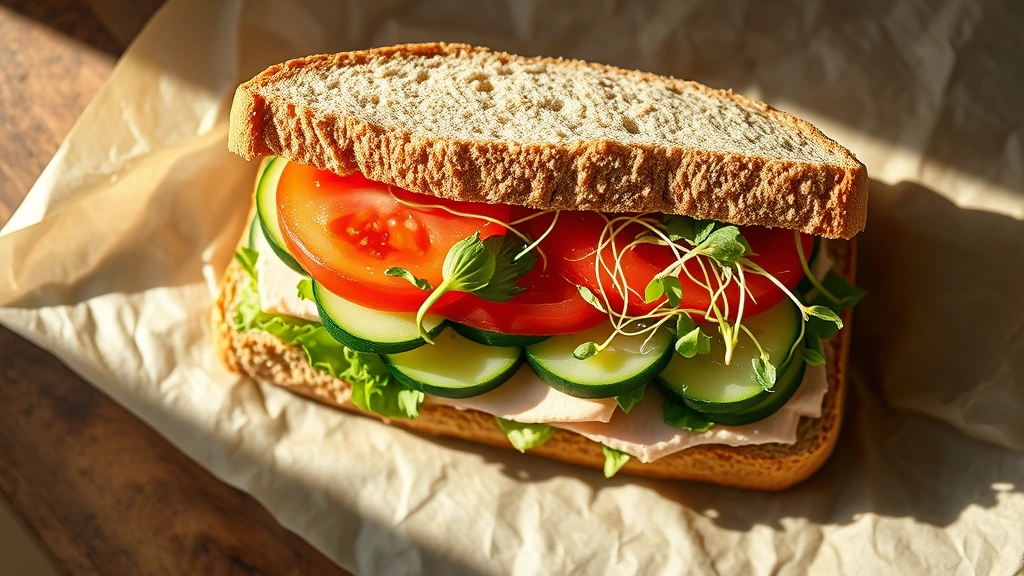
Sandwiches form the restaurant’s foundation, but strategic selections dramatically impact nutritional outcomes. Begin with bread selection, arguably the most influential variable. Wheat bread provides approximately 25-30 grams of carbohydrates per slice with 3-4 grams of fiber, compared to white bread’s minimal fiber content. This distinction affects satiety, blood sugar response, and overall nutritional density.
Protein selection represents your second critical decision point. Jason’s Deli offers various proteins with distinct nutritional profiles:
- Turkey breast: Leanest option at approximately 2-3 grams fat per ounce, providing quality protein with minimal saturated fat
- Roast beef: Moderate fat content but higher in iron and B vitamins compared to poultry
- Ham: Higher sodium content due to curing process; choose sparingly if monitoring salt intake
- Tuna salad: Contains omega-3 fatty acids, though mayo-based preparation increases caloric density
- Vegetarian options: Hummus-based or veggie-focused sandwiches reduce saturated fat while increasing fiber intake
Consider requesting protein combinations to maximize nutritional benefits. Pairing turkey with roast beef provides diverse amino acid profiles and micronutrients while maintaining reasonable caloric levels. Request half-portions of cheese or request cheese elimination entirely—a single slice adds 100-110 calories and 7-9 grams of fat.
Vegetable additions transform sandwiches from calorie-dense to nutrient-dense. Request extra lettuce, tomato, cucumber, sprouts, and bell peppers. These additions provide minimal calories while dramatically increasing fiber, vitamins, and minerals. According to Harvard School of Public Health, vegetable consumption correlates strongly with disease prevention and longevity.
Condiment choices significantly influence nutritional profiles. Regular mayonnaise contains approximately 100 calories and 11 grams of fat per tablespoon. Request mustard, vinegar, or oil-and-vinegar alternatives instead. These options provide flavor with negligible caloric impact while supporting nutrient absorption through beneficial compounds.
Salad Selection and Dressing Decisions
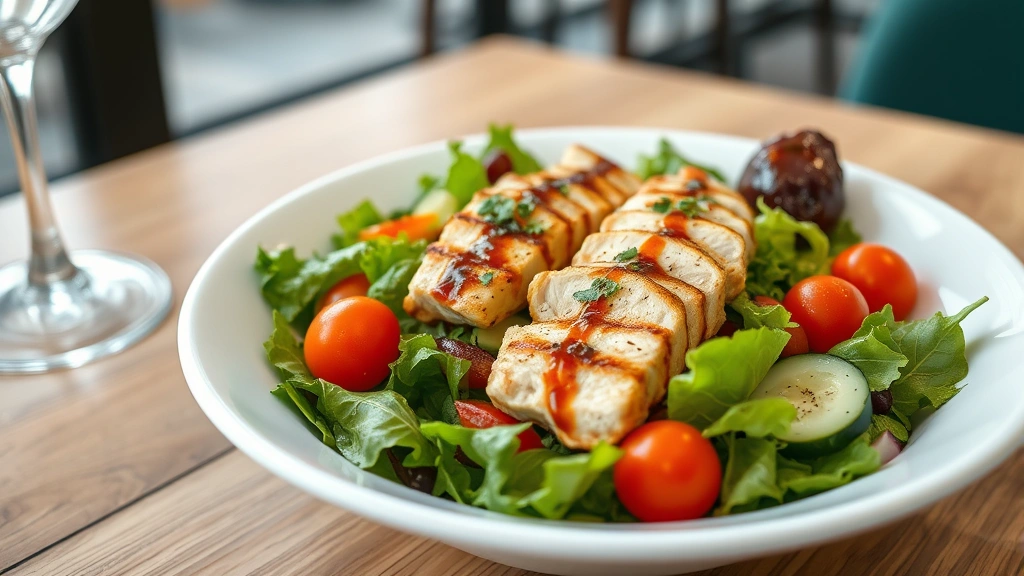
Salads represent Jason’s Deli’s healthiest category when selected strategically. The restaurant offers numerous salad bases featuring mixed greens, spinach, and specialty combinations. A basic green salad without dressing contains approximately 50-100 calories and provides essential micronutrients, antioxidants, and fiber.
Protein additions determine salad nutritional value significantly. Grilled chicken breast adds lean protein without excessive fat, while premium proteins like salmon or tuna increase omega-3 content. Avocado additions provide heart-healthy monounsaturated fats and increase satiety despite caloric density—approximately 240 calories per avocado.
Dressing represents the critical salad variable. Standard ranch dressing contains 150-200 calories per 2-ounce serving, transforming a 100-calorie salad into a 250-300 calorie meal. Vinaigrette-based dressings provide superior nutritional profiles—typically 60-100 calories per serving with beneficial olive oil compounds. Request dressing on the side to control portion sizes, or specify balsamic vinegar and minimal oil for maximum flavor with minimal calories.
Croutons, bacon bits, and cheese add flavor but compromise nutritional integrity. Request these items separately or request elimination entirely. Nuts and seeds offer superior alternatives—walnuts provide omega-3 fatty acids while almonds contribute vitamin E and magnesium. Request these additions instead of traditional toppings.
Soup and Sides: Hidden Nutrition Traps
Jason’s Deli features rotating soup selections, many of which contain hidden sodium and fat. Broth-based soups generally provide better nutritional profiles than cream-based varieties. A vegetable or chicken broth soup typically contains 100-200 calories per cup with 1-3 grams fat, compared to creamy options delivering 250-400 calories with 15-20 grams fat.
Inquire about sodium content specifically—restaurant soups frequently contain 800-1,200 mg sodium per serving. For sodium-conscious diners, requesting broth-based options and requesting reduced-salt preparation when possible becomes essential. Pairing soup with a half sandwich creates a satisfying, nutritionally balanced meal without excessive calories.
Side selections demand similar scrutiny. Chips and cookies represent convenient but nutritionally poor choices, contributing 150-250 empty calories. Request fruit when available—most Jason’s Deli locations offer apple slices or seasonal fruit cups providing natural sugars, fiber, and micronutrients. These alternatives satisfy the “side dish” expectation while supporting nutritional goals.
The peanut butter and jelly sandwich, while nostalgic, delivers approximately 450-550 calories with limited micronutrient density. If selecting this option, pair with vegetable-based sides and ensure adequate protein consumption throughout the day to maintain balanced macronutrient ratios.
Customization Tactics for Maximum Nutrition
Jason’s Deli’s fundamental business model emphasizes customization—leveraging this feature separates health-conscious diners from default menu followers. Approach menu interaction as collaborative rather than restrictive. Staff members generally accommodate reasonable requests when customers explain nutritional preferences.
Strategic customization requests include:
- Request double vegetables instead of cheese or extra meat
- Specify whole wheat bread for all sandwiches unless otherwise noted
- Request proteins grilled rather than pre-made salad preparations with mayo
- Ask for dressing on the side, served with a separate spoon for controlled portioning
- Request elimination of high-sodium condiments; substitute vinegar-based options
- Inquire about preparation methods—request items prepared with minimal oil or butter
- Request ingredient substitutions; ask if turkey can replace higher-fat proteins in specific items
Understanding the principles of healthy nutrition planning empowers effective customization. Rather than requesting arbitrary modifications, communicate your nutritional priorities. Requesting “lower sodium, higher fiber” communicates more effectively than “make it healthy.” Staff members can then suggest specific modifications aligned with your objectives.
Mobile ordering through Jason’s Deli’s app facilitates customization documentation. Digital ordering allows detailed special instructions, reducing miscommunication risks and ensuring consistent preparation according to your specifications.
Calorie Counting and Macro Balancing
Effective restaurant nutrition management requires understanding macronutrient targets. The standard recommendation suggests approximately 40-30-30 distribution (carbohydrates-protein-fat), though individual requirements vary based on activity level and health objectives. A typical 2,000-calorie daily intake would suggest 800 carbohydrate calories, 600 protein calories, and 600 fat calories.
A Jason’s Deli meal providing 600-700 calories should ideally deliver 25-30 grams protein, 70-80 grams carbohydrates, and 20-25 grams fat. Most sandwiches alone provide adequate carbohydrates and fat but fall short on protein without strategic additions. Combining a turkey sandwich with a protein-rich soup or side salad containing grilled chicken achieves superior macro balance.
For individuals following athletic nutrition principles, Jason’s Deli accommodates higher protein requirements through multiple protein selections and customization. Ordering a sandwich with double turkey on wheat bread provides approximately 35-40 grams protein while maintaining reasonable caloric intake.
Micronutrient considerations deserve equal attention to macronutrients. Vegetable-heavy sandwiches and salads provide superior vitamin and mineral profiles compared to protein-focused selections. Ensure meals include colorful vegetables providing diverse phytochemical compounds—red tomatoes (lycopene), orange carrots (beta-carotene), dark greens (lutein and zeaxanthin).
Dietary Restrictions and Allergen Navigation
Jason’s Deli explicitly accommodates various dietary restrictions, though verification remains essential given cross-contamination risks. Vegetarian and vegan diners should focus on hummus-based sandwiches, bean-containing soups, and vegetable-heavy salads. Request confirmation that bread selections don’t contain animal products, as some wheat breads include whey or other dairy derivatives.
Gluten-sensitive diners face challenges at Jason’s Deli, as dedicated gluten-free bread isn’t universally available at all locations. Contact your specific location regarding gluten-free options before visiting, or request lettuce-wrap alternatives for sandwich items. Soups present cross-contamination risks due to shared preparation areas.
Dairy-free diners should eliminate cheese and cream-based soups, requesting dressing alternatives and confirming protein preparation methods. Nut allergies require careful attention to salad components and potential cross-contamination from shared preparation surfaces.
Sodium-restricted diets demand specific attention given deli meat sodium content. Request lower-sodium preparations when available, or select vegetable-forward options with minimal processed components. Reviewing nutrition information beforehand enables informed decision-making rather than reactive modifications.
Requesting ingredients list documentation helps identify hidden allergens or nutritional concerns. Most Jason’s Deli locations maintain detailed ingredient information and accommodate reasonable documentation requests for individuals with serious allergies or dietary restrictions.
FAQ
What’s the healthiest sandwich at Jason’s Deli?
The healthiest options combine lean proteins (turkey breast), whole wheat bread, abundant vegetables, and vinegar-based condiments. Request a turkey and roast beef combination on wheat with extra vegetables and mustard, avoiding cheese and mayo. This selection delivers approximately 500 calories with strong protein content and fiber from vegetables and whole grain bread.
Can I find low-sodium options at Jason’s Deli?
Traditional deli meats inherently contain high sodium due to curing processes. Minimize sodium by selecting vegetable-focused sandwiches, requesting fresh vegetable soups rather than broth-based varieties, and avoiding processed cheese. Vegetarian options provide the lowest sodium content when prepared without high-sodium condiments.
Are Jason’s Deli salads actually healthy?
Salads provide excellent nutritional foundations but become unhealthy through excessive dressing and calorie-dense toppings. A basic green salad with grilled chicken and vinaigrette dressing delivers approximately 350 calories with strong protein content and micronutrient density. Avoid creamy dressings and excessive cheese to maintain nutritional integrity.
How do I customize sandwiches for weight loss?
Focus on lean proteins, whole grain bread, abundant vegetables, and minimal calorie-dense additions. Request half sandwiches, eliminate cheese, use vinegar-based condiments, and pair with vegetable-based soups or salads. This approach typically delivers 400-500 calories while maintaining satiety through high fiber and protein content.
What about Jason’s Deli for athletes or fitness enthusiasts?
Athletes should prioritize protein-rich selections and carbohydrate sources supporting performance. Double-protein sandwiches on whole wheat with fruit sides provide excellent pre- or post-workout nutrition. Pair with vegetable soups or salads for micronutrient density. Ensure adequate caloric intake to support training demands while maintaining nutritional quality.
Are there vegan options at Jason’s Deli?
Vegetarian options exist but vegan selections require customization. Hummus-based sandwiches with vegetables, bean soups (verifying non-animal preparation), and vegetable salads with oil-based dressing provide vegan alternatives. Confirm all items don’t contain hidden animal products, as many breads and dressings contain dairy derivatives.


