Chicken Liver Benefits? Nutritionist Insights Into This Nutrient-Dense Organ Meat
Chicken liver has long been considered a nutritional powerhouse in culinary traditions worldwide, yet many modern diners overlook this affordable, nutrient-dense organ meat. From traditional Chinese medicine to European cuisine, chicken liver has maintained its reputation as a superfood for those seeking concentrated doses of essential vitamins and minerals. In recent years, nutritionists and health professionals have renewed their focus on organ meats as part of a balanced diet, recognizing the unique nutritional profile that chicken liver offers compared to conventional muscle meats.
The resurgence of interest in nose-to-tail eating and ancestral nutrition practices has brought chicken liver back into the spotlight. This comprehensive guide explores the scientifically-backed benefits of chicken liver nutrition, examining why nutritionists recommend it as a valuable addition to your dietary routine. Whether you’re an athlete optimizing performance, someone managing specific health conditions, or simply seeking to maximize nutritional intake, understanding the liver of chicken nutrition can transform how you approach your meals.
Complete Nutritional Profile of Chicken Liver
When examining liver of chicken nutrition, the data reveals an extraordinarily concentrated source of essential nutrients. A single 100-gram serving of cooked chicken liver contains approximately 165 calories, making it a nutrient-dense food that delivers maximum nutritional value per calorie consumed. This efficiency in nutrient delivery distinguishes organ meats from standard muscle cuts, which contain significantly lower concentrations of vitamins and minerals.
The macronutrient breakdown of chicken liver shows approximately 26 grams of high-quality protein, 5 grams of fat, and virtually zero carbohydrates in its natural form. This composition makes it particularly valuable for those following nutrition for athletes optimizing performance through diet, where protein density and micronutrient support are critical factors. The fat content, while modest, contains important fat-soluble vitamins that require dietary fat for absorption and utilization.
Compared to chicken breast, which contains approximately 31 grams of protein but minimal micronutrient diversity, chicken liver delivers similar protein quantities while providing exponentially higher levels of vitamins and minerals. This makes liver an intelligent choice for those seeking nutritional optimization rather than simply maximizing protein intake alone. The nutrient density becomes even more apparent when examining specific micronutrient concentrations.
Exceptional Vitamin Density and Micronutrients
Chicken liver stands as one of nature’s most concentrated sources of B vitamins, a fact that nutritionists emphasize repeatedly when discussing optimal dietary sources. A 100-gram serving provides approximately 36 micrograms of vitamin B12, exceeding the daily recommended intake for most adults in a single modest portion. Vitamin B12, essential for neurological function, red blood cell formation, and DNA synthesis, exists in limited food sources, making chicken liver an invaluable option for those at risk of deficiency, particularly vegans who supplement or individuals with absorption issues.
The folate content in chicken liver reaches approximately 240 micrograms per 100-gram serving, providing roughly 60% of the daily recommended value. This becomes especially significant for women of childbearing age, pregnant individuals, and those seeking to support cellular division and methylation processes. Folate deficiency has been linked to elevated homocysteine levels, increased cardiovascular disease risk, and compromised cognitive function, making adequate intake essential for long-term health.
Beyond B vitamins, chicken liver delivers substantial quantities of vitamin A, with a single serving providing 5,000 IU or more, supporting vision, immune function, and cellular health. The pantothenic acid content supports energy metabolism and hormone production, while riboflavin facilitates electron transport in cellular respiration. This comprehensive B-vitamin profile explains why traditional cultures valued organ meats as foundational nutritional support, particularly during periods of physical stress or recovery.
Selenium, a critical trace mineral present in chicken liver at approximately 36 micrograms per serving, functions as a cofactor for selenoproteins that provide antioxidant defense and thyroid hormone metabolism. Many populations consume inadequate selenium, making chicken liver a practical dietary strategy for addressing this deficiency. The copper content, approximately 0.3 milligrams per serving, supports iron metabolism, collagen synthesis, and neurological function.
Iron Content and Bioavailability
Perhaps the most celebrated aspect of chicken liver nutrition involves its iron content and exceptional bioavailability. A 100-gram serving contains approximately 11 milligrams of iron, substantially exceeding the recommended daily intake for adult males (8 milligrams) and approaching the requirement for menstruating women (18 milligrams). More importantly, chicken liver provides heme iron, an organic iron form that the human body absorbs at rates of 15-35%, compared to non-heme iron from plant sources, which achieves only 2-20% absorption efficiency.
This distinction fundamentally changes how nutritionists evaluate iron sources. Consuming a serving of chicken liver delivers more bioavailable iron than consuming multiple servings of iron-fortified cereals or legumes. For individuals managing iron-deficiency anemia, pregnant women requiring increased iron, and athletes experiencing iron depletion from intense training, chicken liver represents a strategic nutritional intervention with clinical significance.
The copper and vitamin C content in chicken liver work synergistically with iron to enhance absorption and utilization. Copper facilitates iron oxidation and transport, while the modest vitamin C content supports iron reduction and uptake in intestinal cells. This nutritional complementarity demonstrates how whole foods provide superior absorption compared to isolated supplementation, as multiple nutrients work cooperatively to maximize bioavailability.
Protein and Amino Acid Composition
While chicken liver contains approximately 26 grams of complete protein per 100-gram serving, the amino acid profile deserves specific attention. Chicken liver provides all nine essential amino acids in appropriate proportions, making it a complete protein source suitable for muscle protein synthesis, immune function, and enzyme production. The leucine content, critical for activating mTOR signaling and muscle protein synthesis, reaches approximately 1.8 grams per serving, supporting those engaged in athletic performance optimization.
Methionine, often limited in plant-based proteins, appears in substantial quantities in chicken liver, supporting methylation reactions, glutathione synthesis, and detoxification pathways. This amino acid becomes particularly important for individuals managing oxidative stress or supporting liver function through nutritional means. The taurine content, while not essential for most adults, provides additional cardiovascular and neurological support.
The protein quality, measured by the Protein Digestibility Corrected Amino Acid Score (PDCAAS), ranks chicken liver among the highest-quality protein sources available, with a score of approximately 1.0. This means the body efficiently utilizes virtually all protein consumed, with minimal waste, making chicken liver an economical choice for those seeking maximum nutritional benefit from dietary protein.
Specific Health Benefits and Applications
Nutritionists identify several specific health applications where chicken liver nutrition provides measurable clinical benefit. For individuals managing fatigue, particularly those with iron-deficiency anemia, regular consumption of chicken liver can dramatically improve energy levels and exercise capacity. The combination of heme iron, B vitamins, and copper supports ATP production and oxygen transport, addressing multiple physiological pathways that contribute to fatigue.
Pregnancy and lactation represent periods of dramatically increased nutritional demands, where chicken liver provides concentrated support for fetal development and maternal health. The folate content supports neural tube development, while iron prevents pregnancy-related anemia, and vitamin B12 ensures proper neurological development. Many traditional cultures emphasized organ meats during pregnancy, a practice supported by modern nutritional science.
Cognitive function and mental health benefit from chicken liver’s B-vitamin density and choline content. Choline, a nutrient often overlooked in dietary discussions, supports acetylcholine synthesis, crucial for memory formation and attention. Emerging research suggests inadequate choline intake correlates with increased cognitive decline and mental health challenges, making chicken liver a nutritionally intelligent choice for brain health support.
Immune function receives substantial support from the selenium, zinc, and vitamin A content in chicken liver. These nutrients coordinate to support T-cell development, antibody production, and barrier function, making chicken liver particularly valuable during periods of immune challenge or for individuals with compromised immune status. The antioxidant properties of selenium and vitamin A help manage inflammatory responses and prevent excessive immune activation.
For those following healthy nutrition plans, chicken liver provides exceptional nutrient density at minimal caloric cost, supporting satiety and nutritional adequacy while maintaining energy balance. The combination of protein and micronutrients creates sustained satiety that supports healthy weight management.
Preparation Methods and Cooking Techniques
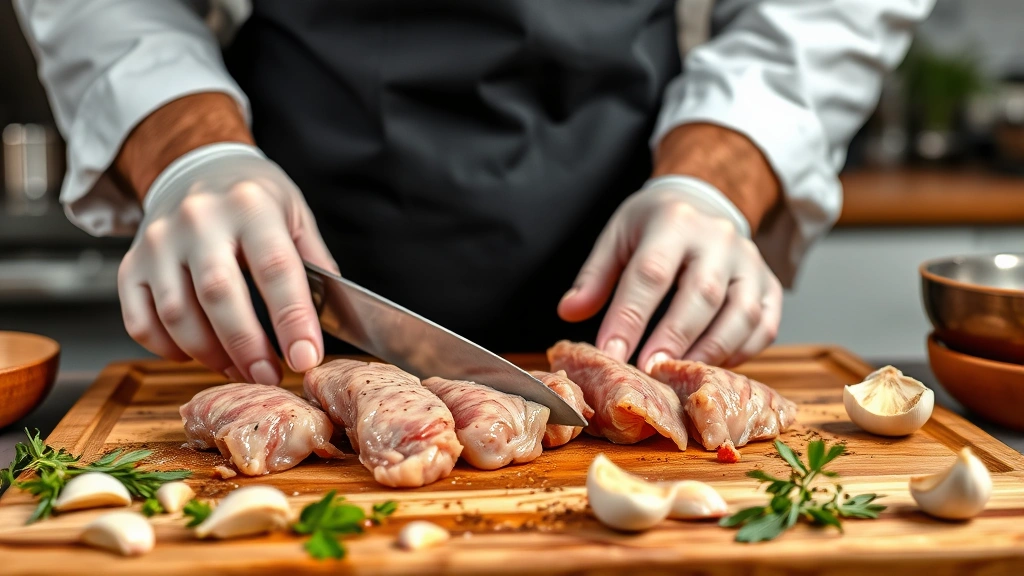
Optimal preparation of chicken liver preserves its nutritional integrity while creating palatable dishes that encourage regular consumption. Gentle cooking methods, such as sautéing with minimal heat or light poaching, preserve heat-sensitive B vitamins and folate better than prolonged high-heat cooking. The traditional French preparation of pâté, while higher in fat due to butter additions, concentrates nutrients and creates a preparation suitable for small-portion consumption.
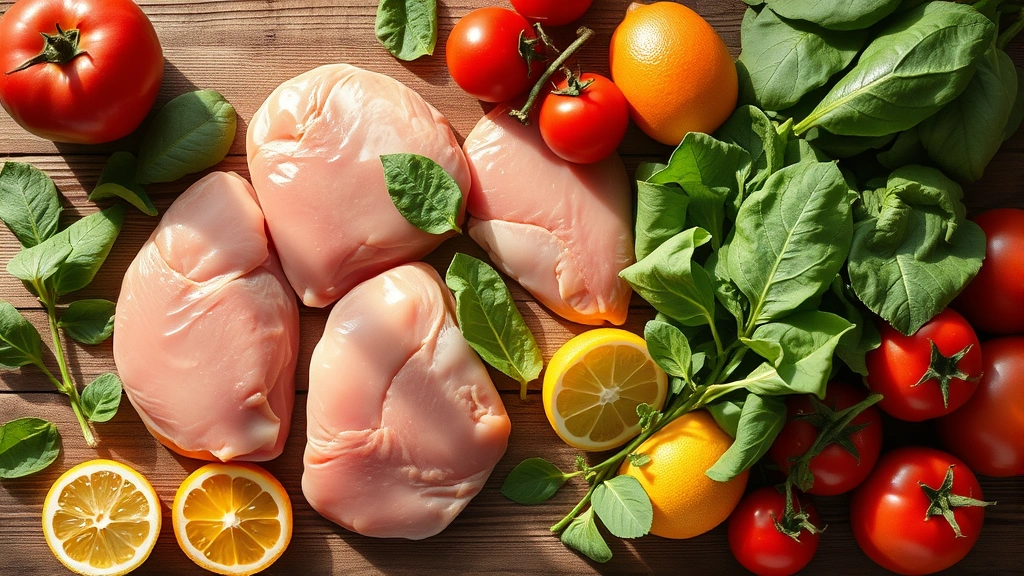
Pairing chicken liver with vitamin C-rich foods, such as tomatoes, citrus, or leafy greens, enhances iron absorption through synergistic nutrient interactions. A simple preparation combining sautéed chicken liver with onions, garlic, and fresh herbs maximizes both nutritional benefit and culinary appeal. Adding a squeeze of lemon juice at the end of cooking preserves vitamin C while enhancing flavor without requiring additional salt.
For those concerned about potential contaminant accumulation in organ meats, sourcing from high-quality, pasture-raised poultry significantly reduces exposure to synthetic compounds and antibiotics. The liver’s role in detoxification means that animal diet and living conditions directly impact the nutritional quality and safety of the final product. Investing in quality sources represents a wise health investment.
Freezing prepared chicken liver maintains nutritional content effectively, allowing batch preparation and convenient incorporation into weekly meal planning. This practical approach removes barriers to regular consumption and supports dietary consistency necessary for experiencing health benefits.
Important Considerations and Contraindications
While chicken liver nutrition provides exceptional benefits for most individuals, specific populations require cautious consideration. The high vitamin A content, while beneficial for most people, can reach excessive levels for pregnant women, as excessive vitamin A intake during pregnancy correlates with increased birth defect risk. Pregnant individuals should consume chicken liver in moderation, ideally no more than once weekly, or consult healthcare providers regarding appropriate intake levels.
Individuals with gout or elevated uric acid levels should monitor chicken liver consumption, as organ meats contain moderate purine levels that can exacerbate these conditions. The purines metabolize to uric acid, potentially triggering gout attacks in susceptible individuals. Limiting consumption to occasional portions, combined with adequate hydration and appropriate medical management, typically allows safe inclusion in the diet.
Those with hemochromatosis or iron-overload conditions must strictly limit chicken liver consumption due to its exceptional iron density. The heme iron bioavailability means even modest portions can contribute substantially to total iron body burden in these conditions. Medical supervision becomes essential for individuals with iron metabolism disorders.
Potential contamination concerns apply to all animal products, making source selection and food safety practices essential. Purchasing from reputable suppliers, handling appropriately, and cooking to safe internal temperatures eliminates most foodborne illness risks associated with poultry products. The Nutrients Pathway Blog nutrition information hub provides additional guidance on food safety practices.

Drug interactions may occur for individuals taking warfarin or other anticoagulants, as the high vitamin K content in some preparations could theoretically affect medication efficacy. Individuals on anticoagulant therapy should maintain consistent vitamin K intake and consult healthcare providers regarding dietary modifications. Consistency matters more than absolute avoidance in most cases.
FAQ
How often should I consume chicken liver for optimal health benefits?
Most nutritionists recommend consuming chicken liver 1-2 times weekly for individuals without contraindications. This frequency provides consistent access to essential nutrients while maintaining variety in dietary protein sources. Those with specific health conditions may require modified frequency; consulting healthcare providers ensures appropriate individual recommendations based on personal health status and nutritional needs.
Does cooking chicken liver destroy its nutritional content?
Gentle cooking methods preserve most chicken liver nutrition effectively. B vitamins and folate show some heat sensitivity, but cooking to safe internal temperatures (165°F) preserves the majority of micronutrients. The heme iron, selenium, and vitamin A remain stable through standard cooking approaches. Overcooking at high temperatures for extended periods causes greater nutrient loss than moderate cooking methods.
Can chicken liver support weight loss goals?
Yes, chicken liver’s exceptional nutrient density combined with modest caloric content makes it valuable for weight management. The high protein content promotes satiety, reducing overall caloric intake, while micronutrients support metabolic function. Including chicken liver in healthy nutrition plans provides concentrated nutritional support while maintaining caloric control.
What is the difference between chicken liver and other organ meats nutritionally?
Chicken liver provides superior B-vitamin density compared to beef liver, though beef liver contains slightly higher iron concentrations. Chicken liver offers advantages of lower cost, milder flavor profile, and easier digestibility for some individuals. Each organ meat provides unique nutritional emphasis; variety among organ meats maximizes overall nutrient intake.
Are there sustainable and ethical sources for chicken liver?
Yes, sourcing from pasture-raised poultry operations supports both nutritional quality and ethical farming practices. These operations typically demonstrate superior animal welfare standards and produce poultry with more favorable nutrient profiles. Supporting local farms and transparent supply chains ensures product quality while aligning consumption with personal values regarding animal treatment and environmental impact.
How does chicken liver compare to supplements for addressing nutritional deficiencies?
Whole food sources like chicken liver provide nutrients in complex matrices that enhance absorption and utilization compared to isolated supplements. The synergistic nutrient interactions in chicken liver—such as copper enhancing iron absorption—demonstrate food’s superior bioavailability. While supplements serve important roles in specific situations, chicken liver provides more complete nutritional support with additional compounds that isolated supplements cannot replicate.


