
Is Mayonnaise Healthy? Dietitian Explains
Mayonnaise sits at the intersection of culinary convenience and nutritional controversy. This creamy condiment, staple in kitchens worldwide, often sparks debate among health-conscious consumers and nutrition professionals. Whether you’re building a sandwich, preparing a salad dressing, or crafting a dip, understanding mayonnaise’s nutritional profile helps you make informed dietary choices that align with your health goals.
The question of mayonnaise’s healthfulness isn’t straightforward. Unlike foods that are universally praised or condemned, mayo occupies a nuanced space where portion control, ingredient quality, and individual dietary needs determine its role in your diet. This comprehensive guide examines mayonnaise from multiple nutritional angles, exploring its composition, potential benefits, documented concerns, and practical strategies for incorporating it into a balanced eating plan.
Mayonnaise Nutrition Facts and Composition
Mayonnaise is fundamentally an emulsion—a carefully balanced combination of oil, egg yolks, and acidic components like vinegar or lemon juice. This simple formula creates a creamy texture that transforms ordinary meals, but the nutritional implications warrant careful examination. A standard two-tablespoon serving (approximately 28 grams) contains roughly 180-200 calories, making it one of the more calorie-dense condiments available.
The primary ingredient in traditional mayonnaise is vegetable oil, typically soybean oil, canola oil, or a combination thereof. This oil comprises approximately 80 percent of the final product by weight, fundamentally determining mayonnaise’s macronutrient profile. The emulsifying power of egg yolks allows manufacturers to achieve that characteristic creamy consistency while incorporating substantial amounts of fat into a relatively small volume.
When examining healthy nutrition plans and eating well, understanding condiment composition becomes essential. Different brands vary significantly in their nutritional offerings—some contain added sugars, while others incorporate omega-3 enriched oils or alternative ingredients. Reading ingredient labels reveals whether you’re consuming traditional mayonnaise or a modern variant designed with specific health considerations.
Caloric Content and Weight Management
For individuals focused on weight management, mayonnaise’s caloric density presents a legitimate concern. At approximately 90-100 calories per tablespoon, this condiment delivers substantial energy in minimal volume. A single generous serving on a sandwich can contribute 200-300 calories—equivalent to an entire snack or light meal for some people.
However, context matters tremendously in nutritional assessment. Mayo’s caloric contribution depends entirely on consumption patterns. Someone using one teaspoon on a sandwich experiences minimal impact, while someone slathering multiple tablespoons experiences significant caloric accumulation. Research from Harvard School of Public Health’s Nutrition Source emphasizes that condiment portion control significantly influences overall dietary outcomes.
The relationship between mayonnaise and body weight isn’t necessarily causal. Studies examining dietary patterns show that people maintaining healthy weights often consume mayonnaise in moderation as part of balanced diets. The concern arises when mayo becomes a primary fat source or when consumption patterns exceed reasonable portions. For athletes optimizing performance through diet, understanding caloric contribution helps optimize energy intake strategically.
Fat Profile: Understanding the Lipids
Mayonnaise contains approximately 20 grams of fat per two-tablespoon serving, making fat its dominant macronutrient. This fat composition deserves detailed analysis because not all dietary fats affect health identically. Traditional mayonnaise typically contains a mixture of monounsaturated, polyunsaturated, and saturated fats, with the precise ratio depending on the specific oil used in production.
A two-tablespoon serving contains roughly 3-4 grams of saturated fat, representing approximately 15-20 percent of the daily recommended intake for a 2,000-calorie diet. While saturated fat doesn’t warrant elimination from modern diets, excessive consumption correlates with elevated LDL cholesterol and increased cardiovascular disease risk in some populations. The American Heart Association recommends limiting saturated fat to 5-6 percent of daily calories.
Polyunsaturated fats in mayonnaise include omega-6 fatty acids, which many nutritionists acknowledge are already abundant in Western diets. Some health advocates express concern about elevated omega-6 to omega-3 ratios in typical American eating patterns. Canola oil-based mayonnaise provides slightly better omega-3 content compared to soybean oil varieties. For those seeking nutrition facts about avocados or other fat sources, comparing options reveals that monounsaturated fat-rich alternatives may offer advantages in certain dietary contexts.
Emerging research from the National Institutes of Health suggests that the food matrix—how fats appear within complete meals—influences their metabolic effects more significantly than previously understood. Mayonnaise consumed as part of vegetable-based salads may behave differently metabolically than mayo consumed with refined carbohydrates.
Sodium Considerations and Heart Health
A two-tablespoon serving of mayonnaise typically contains 150-200 milligrams of sodium, representing approximately 6-9 percent of the 2,000-milligram daily limit recommended by health authorities. While this single contribution seems modest, condiments collectively contribute substantially to daily sodium intake. Many people consume multiple condiments daily—mayonnaise on sandwiches, ketchup on fries, soy sauce in cooking—creating cumulative sodium loads.
The cardiovascular implications of dietary sodium remain somewhat contested in nutrition science. While excessive sodium consumption clearly correlates with elevated blood pressure in salt-sensitive individuals, some research suggests the sodium-hypertension relationship is more nuanced than previously believed. Pew Research Center has documented evolving public understanding of dietary sodium’s role in health outcomes.
For individuals with hypertension, family histories of stroke, or existing cardiovascular disease, monitoring sodium intake—including condiment sources—remains prudent medical advice. Low-sodium mayonnaise alternatives typically contain 75-100 milligrams per serving, providing substantial reduction for those requiring sodium restriction. Understanding how diet impacts overall health, including cardiovascular function, helps contextualize condiment choices within comprehensive wellness approaches.
Vitamins, Minerals, and Micronutrients
Nutritionally, mayonnaise offers limited micronutrient benefits. A standard serving contains minimal quantities of vitamins and minerals—small amounts of vitamin E (from the oil), trace amounts of vitamin K, and negligible quantities of minerals like iron or calcium. The egg yolk component provides some choline, a nutrient important for brain health and cellular function, but quantities remain modest.
Some manufacturers have begun fortifying mayonnaise with omega-3 fatty acids, vitamin D, or additional antioxidants, attempting to enhance its nutritional profile. These enriched versions appeal to health-conscious consumers, though they typically cost more than traditional varieties. The practical significance of these additions remains debatable—consumers obtaining adequate micronutrients from whole foods may experience minimal additional benefit.
The micronutrient story around mayonnaise illustrates an important nutritional principle: condiments shouldn’t be evaluated as primary nutrient sources. Rather, they’re complementary foods that enhance palatability and encourage consumption of more nutrient-dense foods. A person eating more vegetables because mayonnaise makes them palatable may ultimately achieve better nutrition than someone avoiding mayo but consuming fewer vegetables entirely.

Healthier Mayonnaise Alternatives
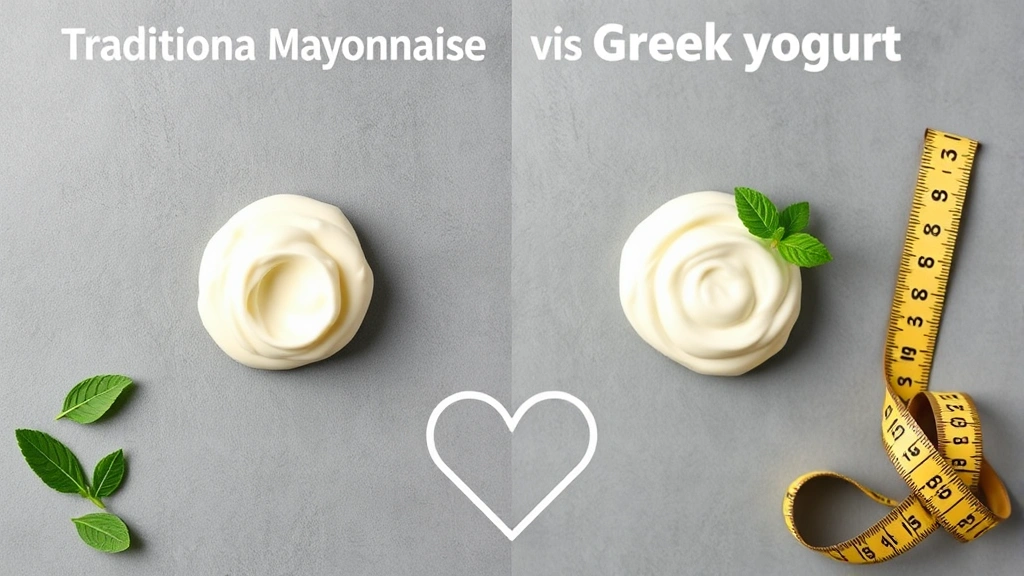
For those seeking to reduce mayonnaise consumption or explore alternatives, numerous options exist. Greek yogurt-based mayo substitutes provide creaminess with significantly reduced calories (approximately 20-30 per tablespoon) and added protein. These alternatives work particularly well in salad dressings and sandwich spreads, though some people find the taste profile noticeably different from traditional mayo.
Hummus offers another alternative, providing plant-based protein, fiber, and beneficial compounds from chickpeas. Mashed avocado delivers healthy monounsaturated fats, though it lacks the emulsified consistency of mayo. Aioli made with minimal oil or cream-based dressings provide middle-ground options between traditional mayonnaise and dramatically reduced-fat alternatives.
Oil-based dressings using olive oil present another approach, particularly for those seeking nutrition information and dietary guidance. Extra virgin olive oil contains polyphenols and other beneficial compounds associated with Mediterranean diet benefits. Mixing olive oil with vinegar, mustard, and herbs creates flavorful dressings with different fat compositions than traditional mayo.
Egg-free mayonnaise products appeal to those with allergies or vegan dietary preferences. These versions use aquafaba (chickpea liquid) or other plant-based emulsifiers to achieve similar textures. While nutritionally distinct from traditional mayo, they provide comparable functionality in recipes while accommodating dietary restrictions.
Practical Tips for Consumption
Rather than adopting absolutist positions toward mayonnaise, nutritionists generally recommend moderation and intentionality. Using mayonnaise deliberately—measuring portions rather than applying it generously—allows people to enjoy its flavor while managing caloric and sodium intake. A teaspoon instead of a tablespoon reduces impact significantly without eliminating the condiment entirely.
Mixing mayonnaise with other ingredients extends portions while reducing total consumption. Combining mayo with Greek yogurt, mustard, or vinegar creates spreadable mixtures that cover more surface area with less total product. This approach maintains flavor satisfaction while reducing overall intake of calories and sodium.
Context matters significantly in overall dietary assessment. Mayonnaise consumption within a diet rich in vegetables, whole grains, lean proteins, and legumes creates different health outcomes than mayo consumption within a processed-food-heavy diet. The same two tablespoons of mayonnaise contributes differently to health when used on a vegetable-based salad versus a processed meat sandwich.
Individual health status should guide mayonnaise consumption decisions. People with elevated cholesterol, hypertension, or metabolic conditions may benefit from reducing or eliminating mayonnaise. Conversely, healthy individuals with stable weight and normal blood pressure may incorporate reasonable quantities without concern. Consulting with healthcare providers or registered dietitians provides personalized guidance based on individual health profiles.
Storage and food safety considerations apply to mayonnaise as with other condiments. Commercial mayonnaise contains sufficient acid to prevent pathogenic bacterial growth, remaining safe at room temperature for brief periods. However, homemade mayonnaise using raw eggs poses food safety risks and requires refrigeration and careful handling.
FAQ
Is mayonnaise bad for cholesterol?
Mayonnaise contains cholesterol from egg yolks and saturated fat from oils, which can influence blood cholesterol levels in some individuals. However, dietary cholesterol’s impact on blood cholesterol is less significant than previously believed. The saturated fat content (3-4 grams per serving) presents greater concern for some people. Those with elevated cholesterol should monitor total intake and consider lower-fat alternatives, but moderate consumption within a balanced diet may not significantly impact cholesterol for most people.
Can I eat mayonnaise on a keto diet?
Yes, mayonnaise is compatible with ketogenic diets. A two-tablespoon serving contains approximately 2 grams of carbohydrates (often from vinegar or added sugars), minimal protein, and substantial fat—fitting keto macronutrient targets. Those following strict keto should verify specific brands contain minimal added sugars, as some manufacturers include sweeteners. Traditional mayo without added sugar works well for keto dieters seeking flavorful, calorie-dense foods.
Is homemade mayonnaise healthier than store-bought?
Homemade mayonnaise allows control over ingredients and oil selection, enabling use of higher-quality oils like extra virgin olive oil or avocado oil. However, nutritionally, homemade and commercial mayo are remarkably similar—both are primarily oil with egg and acid. The advantage of homemade versions lies in ingredient quality and avoiding additives or preservatives, not necessarily in caloric or macronutrient differences. Food safety requires careful handling when using raw eggs.
How much mayonnaise can I eat daily?
There’s no universal recommendation, as optimal intake depends on individual health status, overall diet, and health goals. Most nutritionists suggest limiting mayo to 1-2 tablespoons daily for people monitoring weight or cardiovascular health. Those maintaining stable weight and blood pressure may tolerate higher quantities without adverse effects. Consulting individual healthcare providers offers personalized guidance based on specific health circumstances.
What’s the difference between mayonnaise and aioli?
Traditional aioli is garlic-infused mayonnaise, though some define aioli as an emulsion made with garlic and oil without eggs. Commercial aioli typically contains eggs like standard mayo, making nutritional profiles similar. The distinction is primarily flavor-based rather than nutritional. Checking labels helps determine whether specific products contain eggs and their exact composition.
Does mayonnaise contain gluten?
Traditional mayonnaise made from oil, eggs, and vinegar contains no gluten. However, some commercial brands may add ingredients containing gluten or process mayo in facilities handling gluten-containing products. Those with celiac disease or gluten sensitivity should verify specific brand certifications or ingredient lists. Most major mayonnaise brands now clearly label gluten status.


