Table of Contents
Introduction
Think calcium is just about strong bones? Think again. This powerhouse mineral does way more heavy lifting in your body than most people realize. Sure, we all know we need it—but here’s what might surprise you: are you actually getting enough? And more importantly, do you even know how much you really need?
Here’s the thing about calcium. Yes, it builds strong bones and teeth (your dentist wasn’t lying about that). But it’s also working behind the scenes in some pretty amazing ways. Every time your heart beats, your muscles contract, or your nerves send signals—calcium is there making it happen. When you’re not getting enough? Your body doesn’t just shrug it off. It can lead to some serious health issues that go way beyond brittle bones.
If you’re serious about taking control of your health, you need a healthy nutrition plan that actually works for your lifestyle. And guess what? Calcium needs to be front and center in that plan. We’re talking about the kind of approach that considers how all your nutrients work together—not just for bone health, but for your energy, your mental clarity, even your mood. Speaking of which, the connection between nutrition and mental health is pretty fascinating. Turns out, what you eat (including those calcium-rich foods) can actually impact how you think and feel.
Now, here’s where it gets interesting. Your calcium needs aren’t the same as your neighbor’s, your teenager’s, or your grandmother’s. A growing kid needs way more calcium than you might expect—their bones are literally building themselves from the ground up. Pregnant women? They’re feeding two sets of bones. And as we age, our bodies get a bit pickier about absorbing calcium, which means older adults face their own unique challenges.
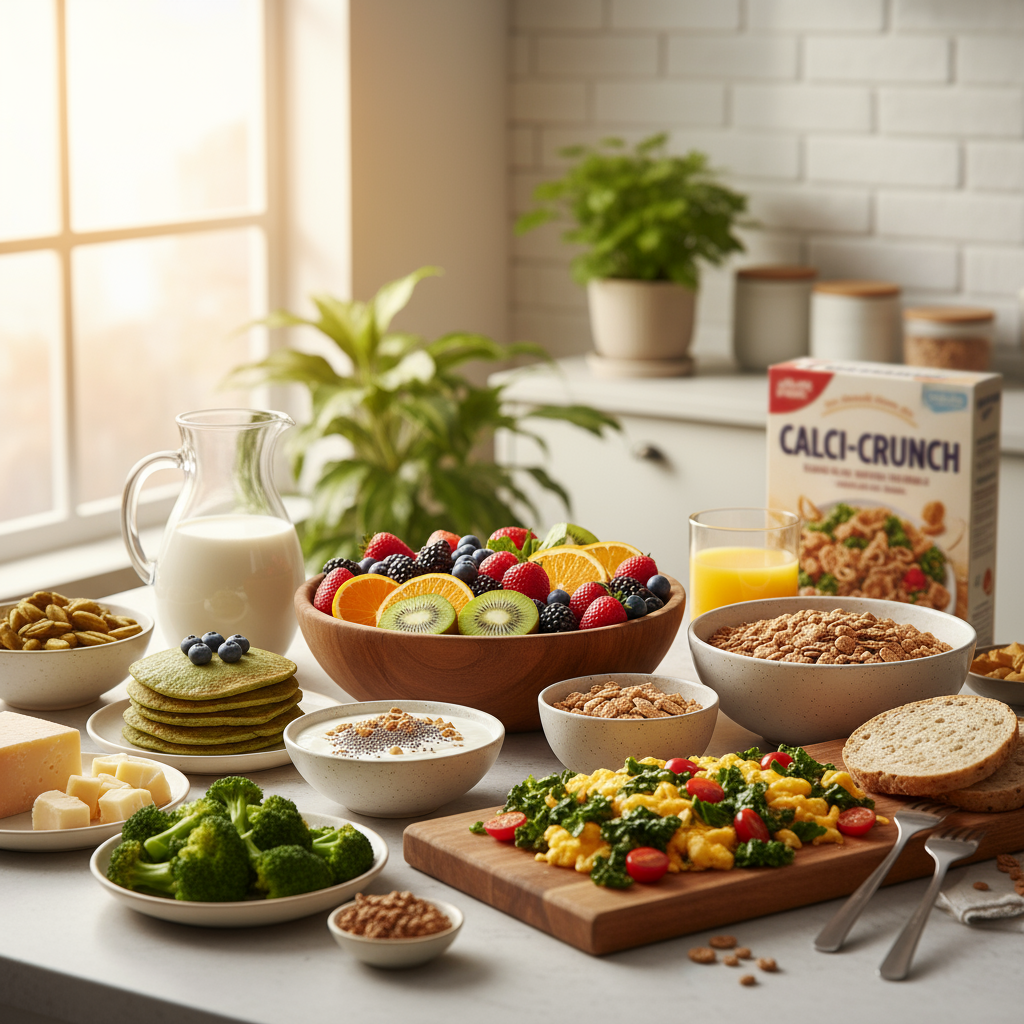
Let’s talk sources for a minute. Sure, milk and cheese are the obvious choices (and they’re pretty darn good at delivering calcium). But you might be surprised by what else makes the list. Leafy greens, fortified foods, even some fish can boost your calcium intake significantly. When food alone isn’t cutting it, supplements can fill the gap—but here’s the catch: not all calcium supplements are created equal. Timing matters, the type matters, and if you’re an athlete trying to optimize your performance, you’ll want to check out nutrition for athletes to see how calcium fits into your training strategy.
But wait—there’s more to this story. (Sorry, couldn’t resist.) Your body’s ability to actually use the calcium you’re consuming? That depends on a bunch of other factors. Vitamin D is huge here—without enough of it, your body basically ignores a lot of the calcium you’re taking in. Regular exercise helps too, which makes sense when you think about it. On the flip side, too much caffeine or sodium can work against you. It’s all connected, which is exactly why the balanced diet benefits go way beyond any single nutrient.
What You’ll Learn in This Guide
Ready to become a calcium expert? We’re going to walk through everything you need to know about getting the right amount of this crucial mineral. Here’s what’s coming up:
- Understanding Calcium’s Role: We’ll dig into what calcium actually does in your body—spoiler alert, it’s doing a lot more than you probably realize, from keeping your heart beating steadily to helping your muscles recover after workouts.
- Daily Intake Recommendations: Find out exactly how much calcium you need based on your age, gender, and life stage, because one size definitely doesn’t fit all when it comes to nutrition.
- Calcium Sources and Supplements: Discover the best foods for boosting your calcium intake, plus the real deal on supplements—when you need them, how to choose them, and how to avoid the common mistakes.
- Factors Impacting Absorption: Learn what helps your body actually use the calcium you’re consuming and what might be working against you (some of these might surprise you).
As we dive in, you’re going to get practical advice you can actually use. Whether you’re trying to support a healthy pregnancy, keep your bones strong as you age, or just want to make sure you’re covering all your nutritional bases, we’ve got you covered.
We’ll also talk about when it’s time to loop in a healthcare provider. Sometimes your body gives you signs that something’s off—either you’re not getting enough calcium or maybe you’re getting too much. Professional tests like bone density scans can give you valuable insights about your calcium status. And if you’re someone who’s balancing fitness goals with good nutrition, understanding how calcium supports muscle function and recovery ties in perfectly with staying consistent with your workouts. (Struggling with motivation? These tips on how to stay motivated to exercise might help.)
By the time you finish reading this, you’ll have the knowledge and confidence to take charge of your calcium intake. No more guessing, no more wondering if you’re doing it right. Just solid, science-backed information you can put to work starting today.

Getting enough calcium isn’t just about strong bones—though that’s pretty important too. We’ve talked about why calcium matters, so now let’s dig into what this mineral actually does in your body and how much you really need. Here’s the thing: your calcium needs aren’t the same as your neighbor’s, your teenager’s, or your grandmother’s. They change based on your age, gender, and what’s happening in your life. Once you understand how this works, you’ll be able to make smart choices about your diet and supplements that’ll keep your bones strong and your body running smoothly for years to come.
Understanding Calcium’s Role and Its Health Benefits
Think of calcium as your body’s multitasker extraordinaire. Sure, everyone knows it builds strong bones and teeth—that’s calcium 101. But here’s what might surprise you: this mineral is also busy keeping your muscles working properly (yes, including your heart), helping your nerves send messages throughout your body, and basically keeping everything running like a well-oiled machine. Without enough calcium, your muscles can’t contract and relax the way they should. Your nerves struggle to communicate. Even simple things like moving your hand or processing a thought become harder work for your body. That’s why getting the right amount matters so much—and why nutrition and mineral balance play such a huge role in helping your body actually use the calcium you consume.
Now, let’s talk about the big picture benefits. Want to avoid osteoporosis down the road? Start taking calcium seriously now. This bone-thinning disease doesn’t just happen overnight—it’s the result of years of not giving your bones what they need. But calcium does more than protect your skeleton. It helps keep your heart beating steadily and your blood vessels functioning properly. Plus, strong muscles mean you can stay active and mobile as you get older, which is something we all want, right? For a deeper look at how what you eat affects both your body and mind, check out how nutrition relates to mental and physical health—it’s pretty eye-opening.
Key Benefits of Adequate Calcium Intake
Let’s break down why your body is practically begging you for calcium:
- Supports Strong Bones and Teeth: This one’s a no-brainer. Calcium is what makes your bones dense and your teeth cavity-resistant. Think of it as your body’s internal construction material.
- Helps Prevent Osteoporosis: Start building your “bone bank” early and keep making deposits throughout your life. Future you will thank you when you’re not dealing with fractures from minor falls.
- Supports Cardiovascular and Muscular Health: Your heart is a muscle, and like all muscles, it needs calcium to do its job. Same goes for every other muscle in your body—from your biceps to your diaphragm.
- Assists in Nerve Transmission: Ever wonder how your brain tells your hand to pick up that coffee cup? Calcium helps make those lightning-fast nerve communications possible.
Once you understand these benefits, it becomes pretty clear why a growing teenager needs different amounts than a 30-year-old office worker or a 65-year-old retiree. Your body’s demands change, and your calcium intake should change with them.
Recommended Daily Calcium Intake by Age and Gender
Here’s where things get personal. Your calcium needs aren’t written in stone—they shift depending on what’s happening in your life. Growing kids and teenagers? They need extra because they’re literally building their adult skeleton. Pregnant women? They’re growing a whole other person, so yeah, they need more too. Men and women have slightly different needs, and as we age, our requirements go up again because our bodies start losing bone density whether we like it or not.
The experts have done the math for us, which is helpful. Teenagers might need around 1,300 mg daily (that’s a lot of milk, just saying). Most adults can aim for 1,000 mg. But if you’re pregnant, breastfeeding, or over 50, you’re looking at 1,200-1,300 mg daily. These aren’t just random numbers—they’re based on what your body actually needs to function at its best. Speaking of optimizing performance, if you’re into fitness, you might want to explore nutrition tips for athletes to see how calcium fits into a more active lifestyle.
Intake Guidelines for Different Groups
Let’s make this practical. Here’s who needs what:
- Children and Adolescents: Around 1,300 mg daily. Their bones are growing fast, and this is when they build the foundation for lifelong bone health. No pressure, right?
- Adult Men and Women: About 1,000 mg daily should do it. This is maintenance mode—keeping what you’ve built and preventing loss.
- Pregnant and Breastfeeding Women: Bump it up to 1,200-1,300 mg daily. You’re sharing your calcium supply, so you need extra to keep both you and baby healthy.
- Elderly Adults: Back up to 1,200-1,300 mg daily. Your body gets less efficient at absorbing calcium as you age, plus bone loss speeds up, so you need to compensate.
Knowing your target is one thing—actually hitting it is another story entirely. That’s where understanding calcium sources and smart supplementation comes in. Because let’s face it, not everyone can down three glasses of milk a day (and some people shouldn’t even try).

Here’s the thing about calcium—it’s not just about avoiding broken bones when you’re 80. Sure, getting enough calcium daily keeps your bones and teeth strong, but there’s so much more happening behind the scenes. Your muscles need it to contract properly, your nerves rely on it to send messages, and your heart? It literally can’t beat without it. We’ve covered a lot of ground in this guide, and honestly, calcium’s impact on your cardiovascular health and osteoporosis prevention is pretty remarkable when you think about it.
Now, your calcium needs aren’t set in stone—they shift throughout your life. Kids and teenagers need more because they’re growing like weeds. Pregnant and breastfeeding moms need extra to support their baby’s development (because growing a human is no joke). And as we get older? Our bodies get pickier about absorbing calcium, so we need to up our game. Understanding where you fit in this picture makes all the difference in getting what your body actually needs.
We also dug into the best places to find calcium, and the good news is you’ve got options. Dairy products are the obvious choice, but don’t sleep on leafy greens, fortified foods, and yes, supplements when your diet needs backup. But here’s where it gets interesting—just eating calcium isn’t enough. Your body has to actually absorb it, and that’s where things like vitamin D levels, staying active, and watching your sodium and caffeine intake come into play. Too much of the wrong stuff can basically block your body from using the calcium you’re working so hard to get.
So what do you actually do with all this information? Start simple. Mix up your meals with different calcium-rich foods and consider supplements if you’re falling short (which many of us are, let’s be honest). Get some sun for that vitamin D boost, or take a supplement if you’re stuck indoors. Keep moving—your bones love exercise. This whole approach works beautifully with a healthy nutrition plan that balances all your nutrients, not just calcium. If you’re into fitness, check out our guide on nutrition for athletes—timing your calcium intake can actually help with recovery. And don’t forget about fiber! Our importance of dietary fiber guide shows how it helps your body absorb nutrients more effectively.
Want the bigger picture? Understanding the balanced diet benefits gives you the full story on how good nutrition supports everything from energy levels to mental clarity—calcium included. With these tools in your toolkit, you can tackle your calcium needs with confidence, both now and down the road.
Look, knowing your daily calcium needs, where to find it, and how to help your body actually use it? That’s powerful stuff. Making smart choices about what you eat, whether you need supplements, and how you live—these aren’t just health decisions, they’re investments in feeling good and staying strong. Small changes add up big time. And here’s my advice: don’t go it alone. Talk to your doctor or a nutritionist about what works best for your specific situation. Your journey to better health starts right now—and getting your calcium right is a pretty solid foundation to build on.
Frequently Asked Questions
-
How much calcium do I need daily?
- Calcium needs vary by age, gender, and life stage, typically ranging from 1,000 to 1,300 mg per day for most adults.
-
Can I get enough calcium from diet alone?
- Many people can meet calcium needs through dietary sources, but some may require supplements based on health status.
-
What are the best dietary sources of calcium?
- Dairy products, leafy greens, and fortified foods are among the best sources.
-
Are calcium supplements safe?
- Calcium supplements are generally safe but should be taken as recommended to avoid side effects.
-
What affects calcium absorption?
- Vitamin D levels, diet, lifestyle, and certain medications can impact calcium absorption.