Heavy Cream Nutrition Facts: Dietitian Insights
Heavy cream, also known as heavy whipping cream, is a staple ingredient in kitchens worldwide, prized for its rich texture and versatility in both sweet and savory dishes. However, understanding the nutrition for heavy cream is essential for making informed dietary choices. As a dietitian resource, this comprehensive guide breaks down the nutritional profile of heavy cream, explores its health implications, and provides practical insights for incorporating it into a balanced diet.
Whether you’re crafting decadent desserts, enriching soups, or creating coffee beverages, heavy cream contributes significantly to the caloric and fat content of dishes. With fat comprising approximately 36-40% of heavy cream by weight, it’s crucial to understand both its nutritional benefits and potential health considerations. This article examines the science behind heavy cream’s composition and offers evidence-based guidance for mindful consumption.
Nutritional Breakdown of Heavy Cream
Understanding the complete nutritional profile of heavy cream requires examining its composition per standard serving. One tablespoon (approximately 15 grams) of heavy cream contains roughly 52 calories, making it a calorie-dense ingredient. A half-cup serving (120 milliliters) delivers approximately 400-450 calories, predominantly from fat sources.
The nutritional data reveals that heavy cream is fundamentally a fat-based product with minimal carbohydrates and moderate protein content. When developing a healthy nutrition plan that includes dairy, understanding these proportions helps consumers make deliberate choices aligned with their dietary objectives. Heavy cream’s composition differs markedly from lower-fat dairy alternatives, influencing its role in various dietary approaches.
The source of heavy cream—whether from grass-fed or conventional dairy cattle—can influence subtle differences in micronutrient density and fatty acid profiles. Grass-fed heavy cream typically contains higher concentrations of conjugated linoleic acid (CLA) and omega-3 fatty acids compared to conventional sources, though these differences remain relatively modest in practical terms.
Calories and Macronutrient Profile
Heavy cream’s macronutrient composition centers almost exclusively on fat, with negligible protein and carbohydrate contributions. Per tablespoon, heavy cream provides approximately 5.5 grams of total fat, while offering less than 0.5 grams of protein and virtually zero carbohydrates. This composition makes heavy cream particularly relevant for individuals following ketogenic or very-low-carbohydrate dietary patterns.
For those consulting meal planning tips, heavy cream’s caloric density demands careful portion consideration. A quarter-cup addition to coffee or soup contributes 100 calories—a substantial amount that can accumulate rapidly when consumed multiple times daily. Tracking these additions becomes particularly important for individuals managing weight-related health conditions.
The protein content in heavy cream remains minimal because most milk proteins concentrate in the non-fat milk solids, which are largely removed during the cream separation process. Therefore, heavy cream cannot serve as a meaningful protein source in the diet, distinguishing it from whole milk or Greek yogurt in nutritional function.
Fat Content and Types of Fats
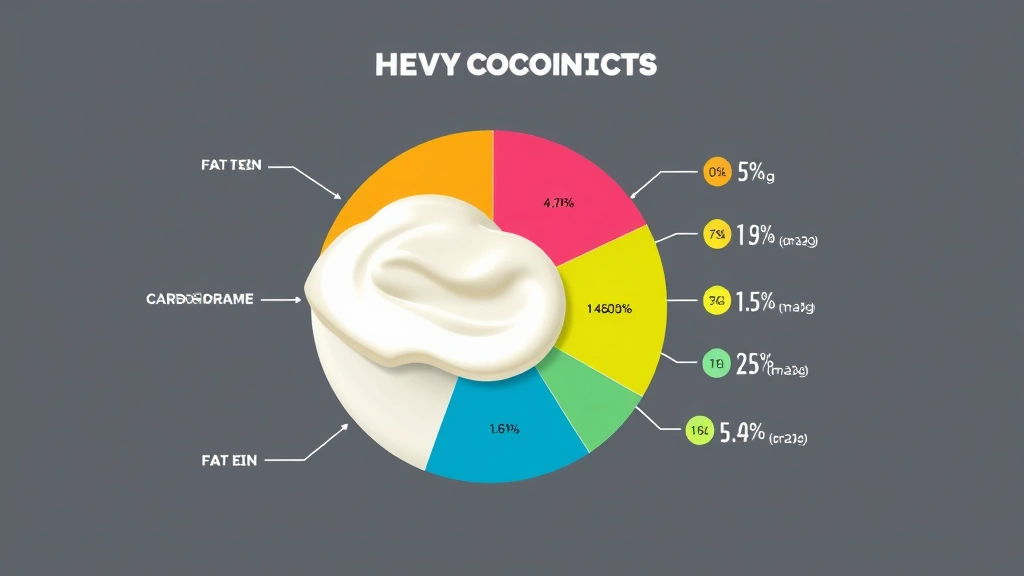
The fat composition of heavy cream presents a nuanced nutritional picture. Approximately 62% of heavy cream’s fat consists of saturated fat, while polyunsaturated and monounsaturated fats comprise roughly 5% and 29% respectively. This saturated fat predominance has historically raised cardiovascular concerns, though contemporary nutrition science presents a more complex understanding.
Recent research from Pew Research Center and related dietary studies indicates that the relationship between dairy fat consumption and cardiovascular disease risk may be less straightforward than previously believed. Some investigations suggest that full-fat dairy products may not increase heart disease risk as substantially as low-fat alternatives, potentially due to the presence of bioactive compounds and specific fatty acid profiles in dairy fat.
Heavy cream contains butyric acid, a short-chain fatty acid with potential anti-inflammatory properties, and palmitoleic acid, which some research associates with improved metabolic markers. Additionally, grass-fed heavy cream contains appreciable quantities of conjugated linoleic acid (CLA), a fatty acid that some studies link to modest improvements in body composition and metabolic health, though evidence remains preliminary and modest in magnitude.
The presence of cholesterol in heavy cream—approximately 17 milligrams per tablespoon—warrants consideration for individuals with elevated blood cholesterol levels, though dietary cholesterol’s impact on serum cholesterol levels varies considerably among individuals based on genetic factors and overall dietary patterns.
Vitamins and Minerals in Heavy Cream
While heavy cream is not a primary source of essential micronutrients, it does contribute meaningful amounts of several vitamins and minerals. The cream contains fat-soluble vitamins including vitamin A (retinol), vitamin D, and vitamin K2, which require dietary fat for absorption—a advantage that heavy cream’s fat content facilitates.
One tablespoon of heavy cream provides approximately 160-180 IU of vitamin A, contributing modestly to daily requirements. Vitamin A supports vision, immune function, and cellular health, making even small contributions meaningful over time. The vitamin D content varies based on dairy cattle feed and sunlight exposure, typically ranging from 0.5-1.5 IU per tablespoon in conventional products.
Heavy cream also contains selenium, a trace mineral crucial for thyroid function and antioxidant defense, as well as phosphorus for bone health. Additionally, calcium content in heavy cream amounts to approximately 10-15 milligrams per tablespoon, though this represents only 1-2% of daily requirements—a modest contribution reflecting the separation of milk solids during cream production.
Understanding how to improve nutrient absorption becomes relevant when consuming heavy cream, as its fat content enhances the bioavailability of fat-soluble vitamins consumed simultaneously in meals, creating synergistic nutritional benefits.
Heavy Cream and Heart Health
The relationship between heavy cream consumption and cardiovascular health represents one of the most debated topics in modern nutrition science. Traditionally, dietary guidelines cautioned against high saturated fat intake, positioning heavy cream as a food to minimize. However, evolving research presents a more differentiated perspective.
A substantial body of contemporary evidence suggests that the cardiovascular impact of dairy fat differs from other saturated fat sources, potentially due to the unique fatty acid composition and bioactive compounds present in dairy products. Some epidemiological studies find no increased cardiovascular risk—and in some cases, modest protective associations—with full-fat dairy consumption, contrasting with earlier assumptions.
The butyric acid in heavy cream may support gut health by nourishing beneficial bacteria and strengthening intestinal barrier function, with potential cascading benefits for systemic inflammation and metabolic health. Furthermore, the fat-soluble vitamins in heavy cream support endothelial function and cardiovascular health through multiple mechanisms.
However, moderation remains prudent. The saturated fat in heavy cream can raise LDL cholesterol levels in certain individuals, particularly those with genetic predisposition to elevated cholesterol. Additionally, the caloric density of heavy cream makes excessive consumption problematic for weight management, and obesity itself represents a significant cardiovascular risk factor. Consulting nutrition and mental health research also reveals that dietary quality impacts stress-related eating patterns, which influence cardiovascular outcomes indirectly.
Lactose Content and Digestibility
A significant advantage of heavy cream compared to whole milk involves its substantially lower lactose content. The cream separation process concentrates fat while leaving most lactose in the skim milk fraction. Heavy cream contains approximately 0.4-0.5 grams of lactose per tablespoon, compared to 0.7 grams in whole milk—a meaningful difference for lactose-sensitive individuals.
This reduced lactose content makes heavy cream more tolerable for people with lactose intolerance, allowing many to incorporate it into their diets without digestive distress. The fat content in heavy cream also slows gastric emptying and moderates lactose absorption rate, further reducing digestive symptoms in sensitive individuals.
However, individuals with severe lactose intolerance should still exercise caution, as even small amounts of lactose can trigger symptoms. Those with milk protein allergies (distinct from lactose intolerance) cannot safely consume heavy cream, as it contains the problematic milk proteins regardless of lactose content.
The casein and whey proteins in heavy cream, while minimal in quantity, may trigger immune responses in sensitive individuals. Additionally, the pasteurization process used in most commercial heavy cream products denatures some proteins, potentially reducing allergenicity compared to raw cream products.
Portion Control Strategies
Given heavy cream’s caloric density and fat concentration, implementing effective portion control strategies ensures balanced nutrition without excessive intake. Using measured portions—such as specific tablespoon amounts rather than pouring freely—provides concrete awareness of consumption levels.
Whipping heavy cream into whipped cream increases volume without adding calories, effectively stretching portions. One tablespoon of heavy cream whips into approximately three tablespoons of whipped cream, providing the sensory satisfaction of larger portions while maintaining moderate caloric intake. This technique proves particularly valuable for dessert applications where textural contribution matters more than volume.
Mixing heavy cream with lower-fat alternatives—such as combining it with Greek yogurt or cottage cheese—reduces overall fat and calorie density while maintaining creamy texture and richness. This blending approach works particularly well in sauces, coffee preparations, and desserts.
Coffee beverage customization represents a significant source of heavy cream consumption for many individuals. Establishing a standard portion limit—such as one tablespoon per coffee—prevents gradual accumulation of excess calories. Alternatively, alternating between heavy cream and lower-fat options throughout the day provides variety while moderating intake.
Comparing Heavy Cream Alternatives
Understanding how heavy cream compares to alternative products helps individuals make choices aligned with personal health objectives and dietary patterns. Half-and-half, containing approximately 10-12% fat compared to heavy cream’s 36-40%, reduces calories and fat per tablespoon while maintaining some creamy texture.
Whole milk offers significantly lower fat content—approximately 3.5% fat—with substantially more protein and micronutrients relative to heavy cream. However, whole milk contains more lactose, potentially problematic for sensitive individuals. Greek yogurt provides higher protein content with lower calorie density, though its tangy flavor limits suitability for certain applications.
Coconut cream presents a dairy-free alternative with comparable fat content and caloric density to heavy cream, though its saturated fat composition differs (primarily medium-chain triglycerides rather than long-chain variants). Oat milk, almond milk, and other plant-based options provide significantly lower calories and fat, though they lack the micronutrient profile and culinary properties of dairy cream.
Consulting the nutrition facts about avocados and other whole foods demonstrates how nutrient-dense alternatives can provide richness and satisfaction through different mechanisms than heavy cream, offering dietary flexibility for various goals.
For individuals seeking to reduce heavy cream intake while maintaining nutritional benefits, whey-based products and bone broth offer alternative sources of fat-soluble vitamins and bioactive compounds. Experimenting with various alternatives helps identify options that satisfy both nutritional and culinary preferences.
FAQ
How many calories are in heavy cream per tablespoon?
One tablespoon (15 grams) of heavy cream contains approximately 50-52 calories, almost entirely derived from fat. This makes portion awareness crucial for individuals managing caloric intake.
Is heavy cream suitable for ketogenic diets?
Yes, heavy cream’s minimal carbohydrate content and high fat composition make it highly suitable for ketogenic and other low-carbohydrate dietary approaches. Its macronutrient profile aligns well with ketogenic macronutrient targets.
Does heavy cream contain significant amounts of lactose?
No, heavy cream contains substantially less lactose than milk—approximately 0.4-0.5 grams per tablespoon compared to 0.7 grams in whole milk. This makes it tolerable for many lactose-sensitive individuals, though not for those with severe intolerance.
Can heavy cream raise cholesterol levels?
Heavy cream’s saturated fat content can raise LDL cholesterol in certain individuals, particularly those with genetic predisposition to elevated cholesterol. However, individual responses vary considerably, and recent research suggests the cardiovascular impact may be less severe than traditionally believed.
What’s the difference between heavy cream and whipping cream?
Heavy cream and heavy whipping cream are essentially equivalent terms, both containing 36-40% fat. Light whipping cream contains slightly less fat (30-36%), affecting whipping capability and richness in applications.
How should heavy cream be stored?
Heavy cream should be refrigerated at temperatures below 40°F (4°C) and typically remains fresh for 7-10 days after opening. Freezing heavy cream is possible but may affect texture upon thawing, making it better suited for cooking applications than whipping.
Is grass-fed heavy cream nutritionally superior?
Grass-fed heavy cream contains higher concentrations of conjugated linoleic acid (CLA) and omega-3 fatty acids compared to conventional sources. However, the practical differences in overall nutritional impact remain modest, and both options can fit into healthy diets.
Can heavy cream be part of a heart-healthy diet?
While heavy cream’s saturated fat content warrants moderation, small amounts can be incorporated into heart-healthy diets, particularly when consumed as part of nutrient-dense meals. The key involves portion control and overall dietary pattern rather than complete elimination.
For comprehensive nutrition guidance and dietary insights, consulting qualified dietitians ensures personalized recommendations aligned with individual health status and goals. Heavy cream’s nutritional role varies significantly based on personal dietary needs, health conditions, and overall lifestyle factors.


