Are Portabella Mushrooms Nutritious? Dietitian Explains
Portabella mushrooms have become increasingly popular in modern cuisine, often appearing as a meat substitute in vegetarian dishes or grilled as a standalone side. But beyond their culinary appeal and meaty texture, many people wonder about their actual nutritional value. As a registered dietitian, I’m frequently asked whether these substantial fungi deserve a regular place on healthy plates. The answer is nuanced and worth exploring in detail.
Portabella mushrooms are the mature form of common white button mushrooms, distinguished by their larger size, darker color, and more developed flavor profile. What makes them particularly interesting from a nutritional standpoint is their unique combination of micronutrients, bioactive compounds, and their role as a versatile ingredient that can enhance overall dietary quality. Understanding their specific nutritional benefits helps consumers make informed decisions about incorporating them into a balanced eating pattern.
Nutritional Profile of Portabella Mushrooms
When examining whether portabella mushrooms are nutritious, we must start with their basic nutritional composition. A medium-sized raw portabella mushroom (approximately 84 grams) contains roughly 4 grams of protein, 1.5 grams of carbohydrates, minimal fat, and only about 22 calories. This makes them exceptionally low in calories while remaining relatively dense in nutrients—a quality that nutritionists consistently praise.
The macronutrient profile is particularly noteworthy for those interested in healthy nutrition plans. Unlike many vegetables, portabella mushrooms contain all nine essential amino acids, making them a complete protein source. This characteristic makes them especially valuable for vegetarians and vegans seeking plant-based protein alternatives. The protein content increases slightly when mushrooms are cooked, as water evaporates and nutrients become more concentrated.
What distinguishes portabella mushrooms from many other vegetables is their ergothioneine content—a unique amino acid with antioxidant and anti-inflammatory properties found primarily in fungi. This compound has garnered attention from nutritional scientists and appears in research exploring functional foods and their disease-preventive potential.
Key Vitamins and Minerals
Portabella mushrooms provide an impressive array of essential vitamins and minerals despite their low calorie count. They are particularly rich in B vitamins, including niacin (vitamin B3), pantothenic acid (vitamin B5), and riboflavin (vitamin B2). These B vitamins play crucial roles in energy metabolism, helping your body convert food into usable fuel efficiently.
The mineral content is equally impressive. Portabella mushrooms contain significant amounts of selenium, an essential mineral that acts as a cofactor for selenoproteins—enzymes that protect cells from oxidative damage. A single medium portabella mushroom provides approximately 8-10 micrograms of selenium, contributing meaningfully to daily requirements. Additionally, these mushrooms supply potassium, copper, phosphorus, and magnesium—all minerals essential for bone health, cardiovascular function, and nervous system regulation.
Copper deserves special mention, as portabella mushrooms are among the few plant-based foods containing bioavailable copper. This mineral is essential for iron metabolism, connective tissue formation, and neurological function. For individuals following plant-based diets, portabella mushrooms represent an excellent natural source of this often-overlooked nutrient.
The vitamin D content in portabella mushrooms varies significantly based on sun exposure during cultivation. When exposed to ultraviolet (UV) light, mushrooms synthesize vitamin D2, a form of the sunshine vitamin that can help support bone health and immune function. Some commercially available portabella mushrooms are specifically grown under UV light to enhance their vitamin D content.
Antioxidants and Bioactive Compounds
Beyond basic vitamins and minerals, portabella mushrooms contain numerous bioactive compounds that contribute to their nutritional value. These include polysaccharides, phenolic compounds, and other phytochemicals that have demonstrated antioxidant and anti-inflammatory properties in scientific research.
One particularly important compound is ergothioneine, which I mentioned earlier. This unique antioxidant is found in very few foods outside of mushroom varieties. Research published in peer-reviewed journals suggests that ergothioneine may help protect against neurodegenerative diseases and oxidative stress-related conditions. While human clinical trials are still ongoing, the presence of this compound makes portabella mushrooms nutritionally distinctive.
Portabella mushrooms also contain beta-glucans, polysaccharides that have been studied extensively for their immune-modulating properties. These compounds may help enhance natural killer cell activity and support overall immune function. The beta-glucan content increases when mushrooms are cooked, as heat breaks down cell walls and makes these compounds more bioavailable.
The phenolic compounds in portabella mushrooms, including compounds like gallic acid and catechuic acid, contribute to their antioxidant capacity. These plant compounds help neutralize free radicals in the body, potentially reducing inflammation and supporting cellular health. The antioxidant activity of portabella mushrooms has been measured using standard laboratory assays and compares favorably to other commonly consumed vegetables.
Dietary Fiber and Digestive Health
While portabella mushrooms aren’t as fiber-rich as whole grains or legumes, they do contribute meaningful amounts of dietary fiber—approximately 1.5 grams per medium mushroom. More importantly, the type of fiber found in mushrooms is particularly beneficial for digestive health and the importance of dietary fiber cannot be overstated.
Mushroom fiber includes both soluble and insoluble forms, with chitin as a primary structural component. Chitin, which makes up part of the mushroom cell wall, functions as a prebiotic—a type of fiber that feeds beneficial bacteria in the gut microbiome. A healthy gut microbiome is increasingly recognized as fundamental to overall health, influencing everything from immune function to mental health.
The soluble fiber in portabella mushrooms can help moderate blood sugar response and support cholesterol management. When mushrooms are consumed as part of a mixed meal with other nutrients, they help slow glucose absorption and promote satiety—the feeling of fullness that can help with weight management. This makes them an excellent addition to meals for people managing diabetes or those simply seeking stable energy levels throughout the day.
Regular consumption of mushrooms has been associated with improved digestive health markers in observational studies. The combination of fiber, beta-glucans, and other polysaccharides creates an environment favorable for beneficial bacterial growth, which in turn supports digestive function and overall wellness.
Comparison with Other Vegetables
To properly assess portabella mushroom nutrition, it’s helpful to compare them with other commonly consumed vegetables. Unlike leafy greens such as spinach or kale, portabella mushrooms contain higher levels of B vitamins and unique compounds like ergothioneine. While spinach provides more iron and calcium, portabella mushrooms offer superior mineral bioavailability in some cases.
Compared to other fungi, portabella mushrooms rank highly in nutritional density. They contain more protein than button mushrooms and similar nutrient profiles to cremini mushrooms, which are simply younger portabellas. Shiitake mushrooms, another popular variety, contain comparable levels of B vitamins but different polysaccharide profiles.
When compared to the nutritional profile of nutrition facts about avocados, portabella mushrooms offer significantly fewer calories and less fat while providing comparable protein and superior mineral diversity. Both foods are nutritious; the choice depends on individual dietary goals and preferences.
Unlike starchy vegetables such as potatoes or corn, portabella mushrooms provide their nutrients with minimal carbohydrate content, making them ideal for people following lower-carbohydrate eating patterns. This makes them particularly valuable for those managing blood sugar levels or following specific dietary approaches like ketogenic diets.
Best Preparation Methods
The nutritional value of portabella mushrooms can be enhanced or diminished depending on preparation methods. Raw portabella mushrooms retain all their heat-sensitive vitamins, making them excellent for salads and raw preparations. However, cooking can increase the bioavailability of certain compounds, particularly beta-glucans and polysaccharides.
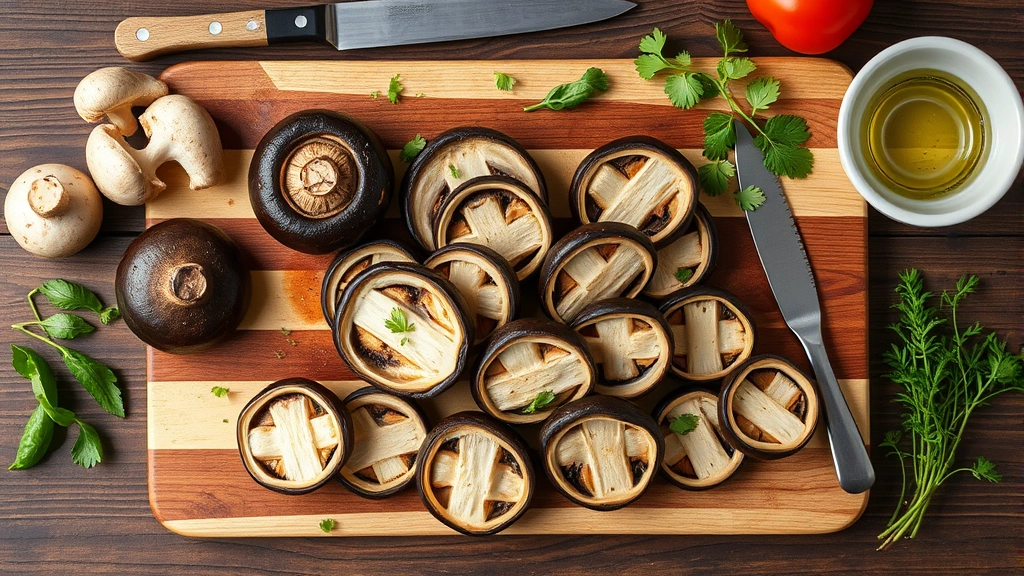
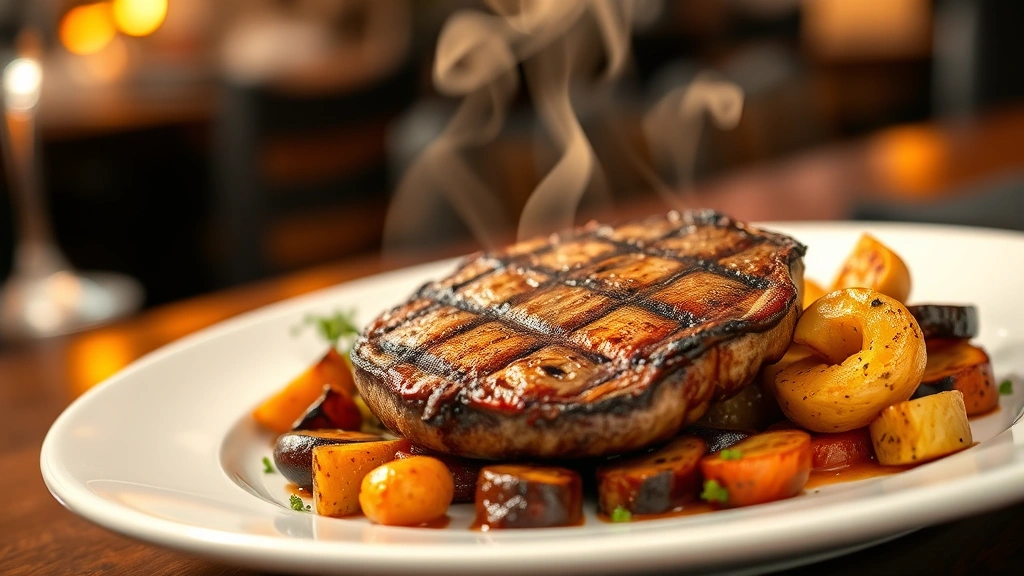
Grilling and sautéing are excellent preparation methods that minimize nutrient loss while creating delicious results. When sautéing, using minimal oil or cooking spray helps keep calorie content low while allowing fat-soluble nutrients to be better absorbed. The high heat from grilling concentrates flavors and nutrients without significantly degrading heat-sensitive compounds.
Roasting portabella mushrooms at moderate temperatures (around 400°F) for 15-20 minutes provides a tender texture while preserving most nutrients. Marinating before cooking can add flavor without requiring excessive oil, making this a nutritionally sound preparation method.
Boiling mushrooms should be avoided when possible, as water-soluble nutrients like B vitamins can leach into cooking water. If making mushroom broth or soup, consuming the liquid ensures you retain these nutrients. Microwaving is also a quick option that preserves nutrients effectively.
Incorporating Into Your Diet
For those wondering how to include portabella mushrooms in their diet, the possibilities are extensive. They can serve as a meat substitute in vegetarian dishes, grilled whole as a hearty side dish, sliced and added to stir-fries, or incorporated into pasta dishes and grain bowls. Their substantial texture makes them satisfying, which can help with portion control and overall dietary adherence.
From a sports nutrition perspective, portabella mushrooms can contribute to athletic performance through their B vitamin content, which supports energy metabolism. Athletes seeking plant-based protein sources may appreciate their complete amino acid profile.
For those interested in nutrition and mental health benefits, the antioxidants and bioactive compounds in portabella mushrooms may support cognitive function and mental wellness through their anti-inflammatory properties and neuroprotective compounds.
A practical approach involves including portabella mushrooms 2-3 times weekly in your meals. A typical serving size is one medium mushroom or about 1 cup of sliced mushrooms. This provides meaningful nutritional contributions without creating monotony in your diet.
FAQ
Are portabella mushrooms safe to eat raw?
Yes, portabella mushrooms are safe to consume raw. Simply rinse them gently and slice as desired. Raw preparation retains all heat-sensitive vitamins, though some compounds become more bioavailable when cooked. Always source mushrooms from reputable suppliers to ensure safety and quality.
Do portabella mushrooms contain significant amounts of vitamin D?
Portabella mushrooms can contain vitamin D, particularly if grown under UV light. Store-bought varieties may contain 4-8 IU of vitamin D per mushroom, while specially cultivated UV-exposed varieties can contain much more. Check product labels for specific vitamin D content if this nutrient is a priority for you.
Can portabella mushrooms help with weight management?
Portabella mushrooms can support weight management goals due to their low calorie density, high water content, and fiber content. They provide satisfying texture and volume while contributing minimal calories, making them an excellent addition to weight-conscious meal plans.
Are there any nutritional concerns with consuming portabella mushrooms?
Portabella mushrooms are generally very safe for most people. Those with mushroom allergies should avoid them. Some individuals may experience digestive sensitivity to raw mushrooms, in which case cooking them may improve tolerability. Always wash mushrooms before consumption to remove any dirt or debris.
How do portabella mushrooms compare nutritionally to supplement forms?
Whole portabella mushrooms provide nutrients in their natural food matrix, which often enhances absorption and provides additional compounds not found in isolated supplements. While mushroom supplements exist, whole food sources offer superior nutritional complexity and have been traditionally consumed safely for centuries.
What’s the best way to store portabella mushrooms?
Store portabella mushrooms in the refrigerator in a paper bag rather than plastic, as this allows them to breathe and prevents moisture accumulation. They typically remain fresh for 4-7 days. Avoid washing until just before use, as excess moisture can promote spoilage.