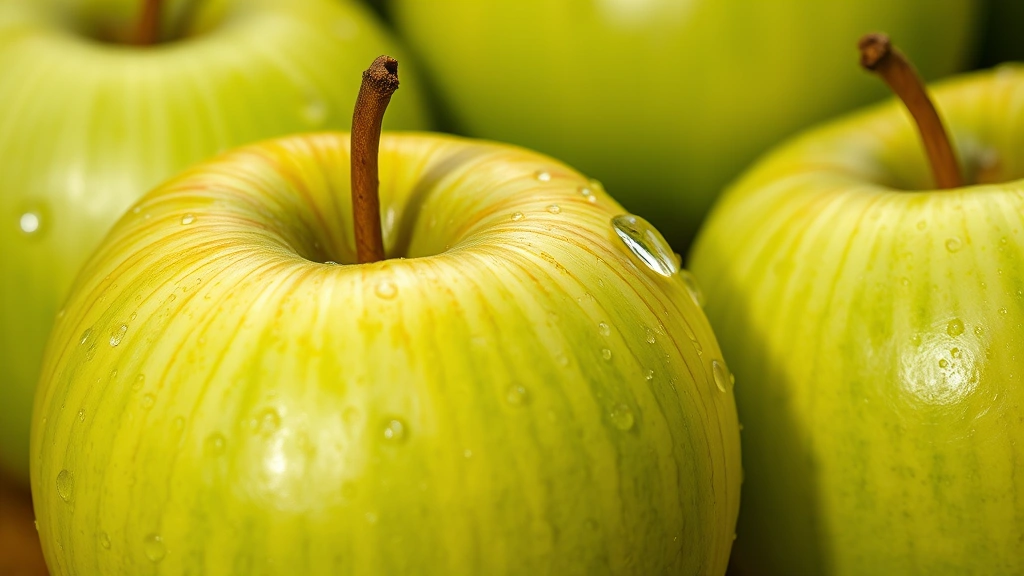
Granny Smith Apple Nutrition Facts: Expert Insights
Granny Smith apples have earned their reputation as one of the most nutritionally dense apple varieties available. With their distinctive tart flavor and crisp texture, these green apples deliver impressive health benefits that extend far beyond their refreshing taste. Understanding the nutritional content of Granny Smith apple varieties can help you make informed dietary choices and maximize the health advantages of this versatile fruit.
The science behind Granny Smith nutrition reveals why nutritionists consistently recommend this variety for weight management, digestive health, and metabolic support. Each medium-sized Granny Smith apple contains a carefully balanced profile of vitamins, minerals, and phytonutrients that work synergistically to support overall wellness. Whether you’re exploring healthy nutrition plans or seeking specific health benefits, Granny Smith apples deserve a prominent place in your fruit selection strategy.
Caloric Content and Macronutrient Breakdown
A medium-sized Granny Smith apple (approximately 182 grams) contains roughly 95 calories, making it an exceptionally efficient choice for calorie-conscious consumers. This low-calorie profile comes paired with virtually zero fat content, contributing to its popularity among individuals focused on weight management strategies.
The macronutrient composition breaks down into approximately 25 grams of carbohydrates, with about 4.4 grams coming from dietary fiber and the remaining 20 grams from natural sugars and complex carbohydrates. Protein content remains minimal at roughly 0.5 grams per medium fruit. This carbohydrate-dominant profile, combined with the substantial fiber content, creates an ideal nutritional environment for sustained energy release without rapid blood sugar spikes. The fructose, glucose, and sucrose blend in Granny Smith apples provides natural sweetness while maintaining metabolic stability.
Essential Vitamins in Granny Smith Apples
Granny Smith apples deliver an impressive array of essential vitamins that support multiple physiological systems. Vitamin C stands out as particularly abundant, with a medium apple providing approximately 8-10% of the daily recommended intake. This water-soluble vitamin functions as a powerful antioxidant, supporting immune function, collagen synthesis, and iron absorption. The vitamin C content in Granny Smith apples remains relatively stable when the fruit is stored properly, though some degradation occurs during extended refrigeration.
Vitamin K, another crucial nutrient found in Granny Smith apples, plays essential roles in blood coagulation and bone mineralization. A single medium apple provides roughly 4-5% of the daily recommended value for vitamin K. The B-complex vitamins, including pantothenic acid (vitamin B5) and pyridoxine (vitamin B6), appear in smaller quantities but contribute meaningfully to energy metabolism and neurotransmitter synthesis. These vitamins work in concert with the apple’s mineral content to optimize cellular energy production and cognitive function.
The bioavailability of these vitamins improves when consumed with dietary fat, suggesting that pairing Granny Smith apples with nuts, seeds, or nut butters enhances nutritional absorption. Research from USDA Agricultural Research Service demonstrates that whole apple consumption delivers superior vitamin bioavailability compared to processed apple products or isolated juice.
Mineral Content and Bioavailability
The mineral profile of Granny Smith apples encompasses potassium, manganese, copper, and smaller quantities of magnesium and phosphorus. Potassium stands as the most abundant mineral, with a medium apple providing approximately 195 milligrams, representing about 4-5% of the daily adequate intake. This essential electrolyte regulates fluid balance, supports cardiovascular function, and facilitates proper muscle contraction. The potassium-to-sodium ratio in apples favors cardiovascular health, particularly for individuals managing blood pressure.
Manganese, a trace mineral crucial for bone development and metabolic function, appears in quantities sufficient to contribute meaningfully to daily requirements. Copper, essential for iron metabolism and connective tissue formation, is present in bioavailable forms that the human digestive system readily absorbs. The mineral content distribution in Granny Smith apples demonstrates nature’s sophisticated approach to nutritional balance, with minerals present in ratios that optimize absorption and utilization.
The skin of the Granny Smith apple contains significantly higher concentrations of certain minerals compared to the flesh, emphasizing the importance of consuming whole apples rather than peeled versions. The polyphenolic compounds in the skin enhance mineral absorption through the intestinal epithelium, making skin-on consumption nutritionally superior for mineral bioavailability.

Dietary Fiber Benefits
Dietary fiber represents one of Granny Smith apples’ most celebrated nutritional attributes. With approximately 4.4 grams of fiber per medium fruit, this variety exceeds many popular snack foods in fiber density. The fiber composition includes both soluble fiber (pectin) and insoluble fiber (cellulose), creating a comprehensive digestive support system. Understanding the importance of dietary fiber for your health illuminates why Granny Smith apples deserve regular consumption.
Soluble fiber, particularly pectin, dissolves in the digestive tract to form a gel-like substance that slows gastric emptying and promotes gradual glucose absorption. This mechanism directly contributes to improved glycemic control and sustained satiety. Research demonstrates that pectin from apples can modify the gut microbiome composition, promoting the growth of beneficial bacteria that produce short-chain fatty acids associated with metabolic health.
Insoluble fiber contributes to stool bulk and promotes regular bowel movements, supporting digestive regularity and colon health. The combination of both fiber types in Granny Smith apples creates what nutritionists call a “complete fiber package,” addressing multiple aspects of digestive and metabolic wellness. Studies from Harvard School of Public Health suggest that regular apple consumption correlates with improved markers of digestive health and reduced colorectal cancer risk.
Antioxidants and Phytonutrients
Beyond conventional vitamins and minerals, Granny Smith apples contain an impressive array of phytonutrients and antioxidants that provide significant health benefits. Quercetin, a flavonoid with potent anti-inflammatory and antioxidant properties, appears abundantly in Granny Smith apple skin. This compound has demonstrated potential in supporting cardiovascular health, reducing allergy symptoms, and protecting against age-related cognitive decline.
Catechin, another polyphenol present in Granny Smith apples, contributes to the fruit’s antioxidant capacity and may support metabolic health. Chlorogenic acid, found in higher concentrations in green apple varieties, acts as a powerful free radical scavenger and may influence glucose metabolism. The combination of these compounds creates a synergistic antioxidant effect that exceeds what individual compounds could achieve independently.
The distinctive tartness of Granny Smith apples correlates directly with their polyphenol content, as these compounds contribute to the acidic taste profile. Research indicates that Granny Smith apples contain approximately 15% more polyphenolic compounds than many other common apple varieties, positioning them as nutritional powerhouses in the apple family. The antioxidant capacity of a medium Granny Smith apple approaches that of a serving of blueberries, traditionally considered a superfruit.
Glycemic Index and Blood Sugar Impact
Despite containing natural sugars, Granny Smith apples maintain a relatively low glycemic index (approximately 39), meaning they produce minimal rapid blood sugar elevation. This favorable glycemic response stems from the substantial fiber content, which slows sugar absorption and prevents sharp insulin spikes. For individuals managing diabetes or seeking stable energy levels, Granny Smith apples represent an optimal fruit choice.
The combination of fiber, polyphenols, and fructose in Granny Smith apples creates what researchers call a “complete glycemic management package.” The pectin slows gastric emptying, polyphenols may inhibit certain digestive enzymes that break down carbohydrates, and the natural sugar composition favors gradual absorption. Studies demonstrate that consuming whole Granny Smith apples produces significantly different glucose responses compared to drinking apple juice, highlighting the importance of whole fruit consumption.
Interestingly, the sourness perception from malic acid and other organic acids in Granny Smith apples may provide additional metabolic benefits. Some research suggests that dietary acid consumption can improve insulin sensitivity and support weight management efforts, though more research in this area remains ongoing.
Comparison with Other Apple Varieties
While all apples provide nutritional benefits, Granny Smith apples distinguish themselves through specific nutrient profiles. Compared to Red Delicious apples, Granny Smith varieties contain similar caloric content but offer higher polyphenol concentrations and superior fiber quality. Honeycrisp apples, though sweeter and more popular among certain consumers, contain higher natural sugar concentrations and lower fiber density relative to their size.
Golden Delicious apples provide comparable vitamins but feature a higher glycemic index due to elevated fructose content and lower fiber density. Fuji apples, increasingly popular in commercial markets, offer good nutritional profiles but lack the pronounced antioxidant compounds found abundantly in Granny Smith varieties. When examining nutritional density per calorie, Granny Smith apples consistently rank among the most nutrient-efficient apple options available.
The tartness characteristic of Granny Smith apples indicates higher acid and polyphenol content, traits that generally correlate with superior nutritional profiles. This observation has led many nutritionists to recommend Granny Smith apples as the preferred variety for health-conscious consumers seeking maximum nutritional return from their fruit consumption.

Health Applications and Recommendations
The comprehensive nutritional profile of Granny Smith apples supports multiple health objectives. For weight management, the combination of low caloric density, high fiber content, and sustained satiety makes Granny Smith apples an ideal snack or meal component. The fiber promotes digestive regularity and supports healthy gut microbiome composition, contributing to long-term metabolic health.
For cardiovascular health, the potassium content supports healthy blood pressure regulation, while the polyphenols and fiber contribute to improved cholesterol profiles. Research from American Heart Association journals documents correlations between regular apple consumption and reduced cardiovascular disease risk. The quercetin in Granny Smith apples specifically demonstrates anti-inflammatory properties that benefit vascular health.
Cognitive health represents another significant application area. The American Society for Nutrition has published research suggesting that polyphenol-rich fruits like Granny Smith apples may support cognitive function and potentially reduce neurodegeneration risk. The combination of antioxidants and specific polyphenols appears particularly beneficial for maintaining neuroplasticity and supporting memory function.
For optimal health benefits, nutritionists recommend consuming Granny Smith apples with their skin intact, as the skin contains concentrated polyphenol and fiber content. Pairing apples with protein sources (nuts, cheese, yogurt) or healthy fats enhances nutrient absorption and extends satiety. Consuming one to two medium Granny Smith apples daily represents a practical recommendation supported by numerous nutritional studies.
Storage considerations matter for maintaining nutritional value. Granny Smith apples maintain their nutritional integrity longer than many other varieties when refrigerated, with minimal vitamin degradation over weeks of proper storage. The firm flesh resists browning and maintains its crisp texture, making these apples excellent for meal planning and preparation.
FAQ
How many calories are in a Granny Smith apple?
A medium Granny Smith apple contains approximately 95 calories, with virtually all calories deriving from carbohydrates, primarily from natural sugars and fiber. The exact caloric content varies slightly based on apple size, with smaller apples containing 70-80 calories and larger specimens reaching 110-120 calories.
Is the skin of a Granny Smith apple nutritious?
Yes, the skin contains significantly higher concentrations of polyphenols, fiber, and certain minerals compared to the flesh. Consuming the skin intact maximizes nutritional benefit, providing approximately 20-30% additional antioxidant capacity compared to peeled apples. The skin’s slightly bitter compounds also enhance mineral absorption.
Can Granny Smith apples help with weight loss?
Granny Smith apples support weight management through multiple mechanisms: low caloric density, high fiber content promoting satiety, and favorable metabolic effects from polyphenols and organic acids. However, weight loss ultimately requires overall caloric balance; apples function as a nutritious component within a comprehensive dietary approach rather than a standalone solution.
Do Granny Smith apples affect blood sugar levels?
Granny Smith apples feature a low glycemic index (approximately 39) and produce minimal rapid blood sugar elevation due to substantial fiber content and polyphenolic compounds. Whole apples produce significantly different glucose responses compared to apple juice, making whole fruit consumption preferable for blood sugar management.
How do Granny Smith apples compare nutritionally to other fruits?
Granny Smith apples offer impressive nutritional density comparable to many berries and tropical fruits. The polyphenol content approaches that of blueberries, while the fiber content exceeds many common fruits. Their accessibility, affordability, and long shelf life make them practical for consistent dietary inclusion compared to more perishable alternatives.
What is the best time to eat a Granny Smith apple?
Granny Smith apples work optimally as morning or afternoon snacks, providing sustained energy without blood sugar spikes. Consuming apples with protein or healthy fats (nuts, seeds, nut butter) enhances satiety and nutrient absorption. Avoiding consumption immediately before bed may be preferable for some individuals due to natural sugar content, though this varies by individual metabolism.
How should Granny Smith apples be stored to maintain nutrition?
Refrigeration preserves Granny Smith apple nutrition optimally, with minimal vitamin degradation over 3-4 weeks of proper storage. Keep apples in the produce drawer, separate from ethylene-producing fruits like bananas. Room temperature storage remains acceptable for shorter periods (3-5 days) but accelerates nutrient loss and ripening compared to refrigeration.


