Pak Choi Nutrition Facts: Dietitian’s Insight
Pak choi, also known as bok choy, has emerged as one of the most nutrient-dense vegetables in modern dietary recommendations. This leafy cruciferous vegetable, originating from China, delivers an impressive nutritional profile that rivals many popular superfoods. Dietitians increasingly recommend pak choi to clients seeking to maximize micronutrient intake while maintaining minimal caloric consumption, making it an exceptional choice for those pursuing evidence-based nutrition strategies.
Understanding the nutritional value of pak choi requires examining its comprehensive micronutrient composition, bioavailability factors, and practical applications within balanced meal planning. This deep-dive analysis explores what makes pak choi nutritionally significant and how it compares to other commonly consumed vegetables. Whether you’re optimizing your healthy nutrition plan or investigating specific nutrient sources, pak choi offers compelling dietary benefits supported by nutritional science.
Complete Nutritional Breakdown Per Serving
A single cup of raw pak choi (approximately 70 grams) contains roughly 9 calories, making it an exceptionally low-energy-density food ideal for weight management strategies. This minimal caloric contribution comes primarily from carbohydrates (1.5g), with negligible fat content (0.1g) and modest protein (1.1g). For individuals tracking macronutrient ratios, pak choi functions as a volume-building vegetable that contributes substantial nutrient density without significantly impacting total daily energy intake.
The carbohydrate composition deserves particular attention, as pak choi contains approximately 1.5 grams of total carbohydrates per cup, with roughly 0.7 grams derived from dietary fiber. This fiber-to-carbohydrate ratio positions pak choi favorably within low-carbohydrate dietary approaches while simultaneously supporting the importance of dietary fiber for your health. The remaining carbohydrates consist of simple sugars naturally occurring in the plant tissue, primarily glucose and fructose in minimal quantities.
When examining cooked pak choi (steamed, approximately 85 grams), the nutritional density increases slightly due to water loss concentration. Cooked pak choi delivers approximately 7 calories per half-cup serving, with carbohydrates rising to 1.4 grams and fiber increasing to 0.8 grams. This cooking method preserves most micronutrients while improving bioavailability of certain fat-soluble compounds, as discussed in subsequent sections.
Protein content in pak choi, while modest at 1.1 grams per raw cup, represents approximately 10-15% of total calories—a respectable protein-to-calorie ratio for a vegetable. This protein contains all nine essential amino acids, though in relatively small absolute quantities. Athletes and individuals pursuing high-protein diets should view pak choi as a micronutrient supplement rather than a primary protein source.
Vitamin and Mineral Content Analysis
Pak choi demonstrates exceptional micronutrient density, particularly regarding fat-soluble and water-soluble vitamins. Raw pak choi provides approximately 45 micrograms of vitamin K per cup, representing roughly 56% of the adequate intake (AI) for adult women and 37% for adult men. Vitamin K functions critically in bone metabolism, blood coagulation, and vascular health, making adequate intake essential for cardiovascular and skeletal system maintenance.
Vitamin A content in pak choi reaches approximately 180 international units (IU) per raw cup, derived primarily from beta-carotene, a provitamin A compound. Beta-carotene functions as a potent antioxidant while supporting vision, immune function, and cellular differentiation. The bioavailability of beta-carotene increases significantly when pak choi is consumed with dietary fat sources, supporting the traditional culinary practice of stir-frying with oils.
Ascorbic acid (vitamin C) content measures approximately 20 milligrams per raw cup, providing roughly 33% of the recommended daily allowance for adult women and 27% for adult men. Vitamin C participates in collagen synthesis, immune function, and iron absorption optimization. Notably, heat exposure reduces vitamin C content substantially, making raw or lightly steamed pak choi preferable for maximizing this micronutrient.
Mineral composition in pak choi includes calcium at approximately 74 milligrams per raw cup (7% daily value), magnesium at 10 milligrams (2% daily value), and potassium at 176 milligrams (5% daily value). While individual mineral quantities appear modest, the synergistic mineral profile supports bone health, electrolyte balance, and cardiovascular function. Importantly, pak choi contains oxalic acid at lower levels than spinach, improving mineral bioavailability compared to other leafy greens.
Iron content in raw pak choi reaches approximately 0.8 milligrams per cup (4% daily value for adult women, 10% for adult men). The iron present exists primarily in the non-heme form, with bioavailability enhanced by the concurrent vitamin C content. Combining pak choi consumption with vitamin C-rich foods or iron-fortified proteins optimizes iron absorption efficiency.
Phytonutrients and Bioactive Compounds
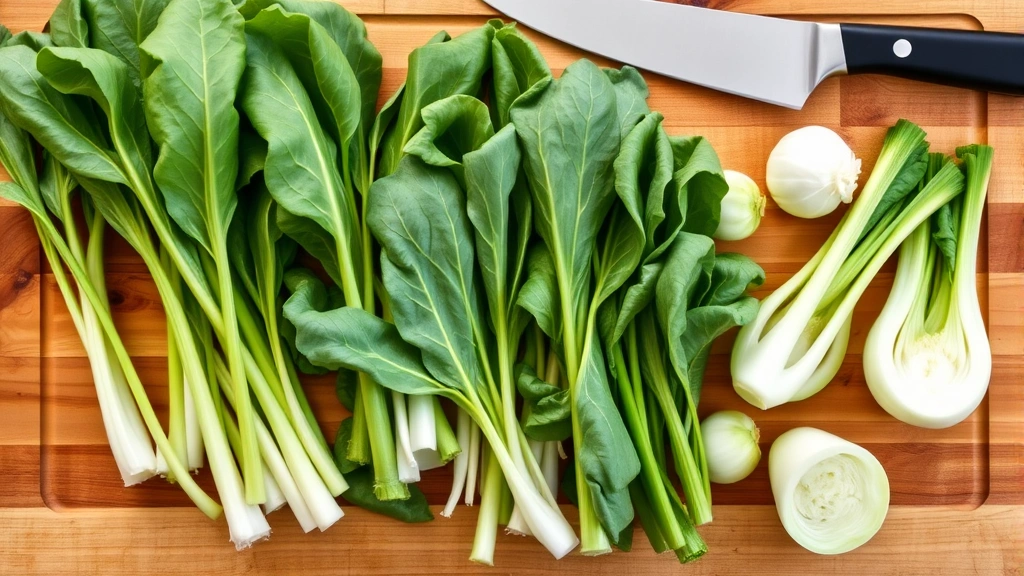
As a cruciferous vegetable, pak choi contains substantial glucosinolates—sulfur-containing compounds responsible for the characteristic peppery flavor. Upon cellular disruption through chewing or cutting, glucosinolates convert to isothiocyanates via the enzyme myrosinase. These bioactive compounds demonstrate remarkable biological activity in laboratory and animal models, showing potential anti-inflammatory, antioxidant, and phase II enzyme-inducing properties.
Research published through NIH/PubMed Central studies on cruciferous vegetables indicates isothiocyanates may support cellular health through multiple mechanistic pathways. Sulforaphane, the most studied isothiocyanate from cruciferous vegetables, demonstrates particular promise in nutritional epidemiology investigations, though human clinical trial evidence remains limited compared to in vitro findings.
Pak choi also contains flavonoids including quercetin, kaempferol, and isorhamnetin—polyphenolic compounds exhibiting antioxidant and anti-inflammatory properties. These flavonoids participate in reducing oxidative stress markers in biological systems and may support vascular endothelial function. The total flavonoid content in pak choi ranges from 50-150 mg per 100 grams fresh weight, positioning it favorably among commonly consumed vegetables.
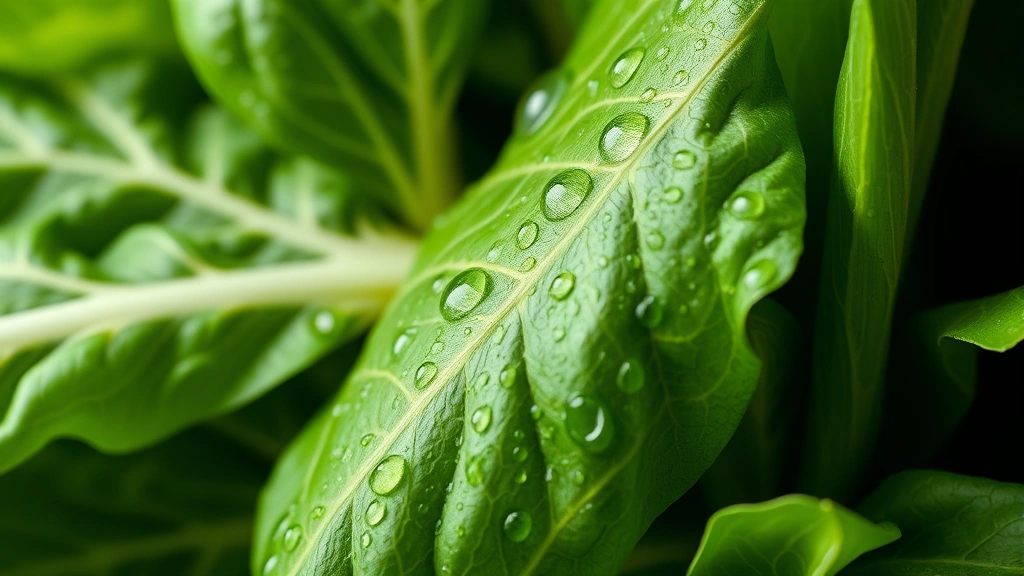
Chlorophyll content in pak choi leaves contributes to antioxidant capacity and may support detoxification processes. While chlorophyll itself remains relatively unstudied for direct health effects, the nutrient-dense profile of chlorophyll-rich foods consistently associates with improved health outcomes in observational nutrition research. The green pigmentation in pak choi leaves directly correlates with micronutrient density, making color intensity a practical indicator of nutritional value.
Dietary Fiber Benefits for Digestive Health
Pak choi’s dietary fiber content, while modest in absolute terms, contributes meaningfully to total daily fiber intake. The 0.7-0.8 grams of fiber per cup consists primarily of insoluble fiber, which supports gastrointestinal motility and stool bulk. This fiber type proves particularly beneficial for individuals experiencing sluggish digestion or seeking to optimize bowel regularity through dietary means. Understanding how to improve digestion frequently involves increasing insoluble fiber intake through vegetable consumption.
The soluble fiber component in pak choi, though present in smaller quantities, provides substrate for beneficial gut microbiota fermentation. This prebiotic activity supports the proliferation of short-chain fatty acid-producing bacteria, which contribute to intestinal barrier integrity and metabolic health. Consuming pak choi regularly as part of a diverse plant food pattern optimizes microbiota composition and functional diversity.
For individuals managing nutrition and mental health connections, the fiber content in pak choi supports the gut-brain axis through multiple mechanisms. Improved intestinal barrier function, enhanced microbial diversity, and increased short-chain fatty acid production all demonstrate associations with improved mood regulation and cognitive function in emerging nutritional neuroscience research.
Raw pak choi consumption provides maximum fiber retention, as cooking does not substantially reduce fiber content like it does for certain water-soluble vitamins. This makes pak choi an accessible fiber source for individuals with limited cooking time or equipment. The mild flavor profile of pak choi also facilitates incorporation into smoothies, salads, and raw vegetable preparations without compromising palatability.
Pak Choi vs Other Cruciferous Vegetables
Compared to commonly consumed cruciferous alternatives like broccoli, cabbage, and cauliflower, pak choi demonstrates distinct nutritional characteristics. Raw broccoli contains approximately 89 calories per cup compared to pak choi’s 9 calories, primarily due to higher carbohydrate and protein content. However, broccoli delivers substantially more vitamin C (141 mg vs 20 mg per cup) and slightly elevated glucosinolate concentrations, making broccoli preferable for individuals specifically targeting these compounds.
Cabbage, another widely consumed cruciferous option, provides approximately 22 calories per cup with 5 grams of carbohydrates. Red cabbage varieties offer elevated anthocyanin content—purple pigmented flavonoids with strong antioxidant properties. Green cabbage delivers moderate vitamin K content similar to pak choi, though slightly lower at 145 micrograms per cup versus pak choi’s variable estimates ranging from 45-300 micrograms depending on cultivar and growing conditions.
Cauliflower presents a popular low-carbohydrate alternative with approximately 25 calories per cup and 5 grams of carbohydrates, making it favorable for ketogenic dietary approaches. Cauliflower contains vitamin C at 46 mg per cup and folate at 57 micrograms per cup. Nutritionally, pak choi and cauliflower serve complementary roles—pak choi excels in vitamin K and mineral density, while cauliflower offers superior carbohydrate-to-nutrient ratios for strict carbohydrate limitation protocols.
Nutritional synergy emerges when consuming diverse cruciferous vegetables rather than relying exclusively on single varieties. Different cultivars contain varying glucosinolate profiles, with pak choi emphasizing certain isothiocyanates while broccoli emphasizes others. A practical dietary approach incorporates multiple cruciferous vegetables weekly to capture the full spectrum of bioactive compounds across the vegetable family.
Integration Into Dietary Protocols
For individuals following nutrition facts about avocados and other superfoods, pak choi integrates seamlessly into diverse dietary frameworks. In ketogenic protocols, pak choi’s minimal net carbohydrate content (approximately 0.8g net carbs per cup) positions it as a staple non-starchy vegetable. The fat-soluble vitamins in pak choi, particularly vitamin K, benefit from the elevated fat consumption characteristic of ketogenic approaches, improving micronutrient bioavailability.
Mediterranean dietary patterns emphasize abundant plant foods, making pak choi a valuable addition to regional vegetable rotations. Stir-frying pak choi with olive oil, garlic, and lemon creates a preparation method consistent with Mediterranean culinary traditions while optimizing fat-soluble vitamin absorption. This preparation method delivers approximately 50-80 calories per serving while maintaining micronutrient density.
Plant-based and vegan protocols benefit substantially from pak choi’s mineral profile, particularly calcium and iron. Consuming pak choi alongside legumes creates complementary amino acid and micronutrient profiles, with pak choi’s vitamin C content enhancing non-heme iron absorption from plant-based protein sources. This nutritional synergy makes pak choi particularly valuable for individuals excluding animal products.
For individuals pursuing weight loss through caloric restriction, pak choi functions as a high-volume, low-calorie food supporting satiety without substantial energy contribution. The fiber content promotes mechanical distension of the stomach, signaling satiety through mechanoreceptor activation. Consuming raw or steamed pak choi as meal components reduces overall energy density while maintaining macronutrient and micronutrient adequacy.
Athletes and individuals engaged in resistance training benefit from pak choi’s modest protein content combined with its micronutrient density. While insufficient as a primary protein source, pak choi complements protein-focused foods while delivering micronutrients supporting recovery, bone health, and cardiovascular function. The potassium content supports electrolyte balance, particularly valuable for individuals with elevated sweat losses during training.
Practical preparation recommendations maximize both nutritional value and palatability. Raw pak choi in salads preserves vitamin C and heat-sensitive compounds. Light steaming (3-5 minutes) improves glucosinolate bioavailability while maintaining fiber and heat-labile vitamins. Stir-frying with minimal oil optimizes fat-soluble vitamin absorption without substantially elevating caloric content. Avoiding prolonged boiling, which leaches water-soluble vitamins into cooking water, preserves nutritional value during meal preparation.
FAQ
How much pak choi should I consume daily for optimal nutrition?
General dietary guidelines recommend consuming 2-3 cups of raw leafy greens daily, with pak choi serving as one component within a diverse vegetable intake pattern. Individual requirements vary based on overall dietary composition, activity level, and specific micronutrient needs. Consulting with a registered dietitian ensures personalized recommendations aligned with individual health objectives.
Does cooking pak choi significantly reduce its nutritional value?
Light cooking methods like steaming preserve most micronutrients while potentially improving glucosinolate bioavailability. Vitamin C content decreases with heat exposure, making raw consumption preferable for maximizing ascorbic acid intake. Overall, modest cooking duration (3-5 minutes) maintains substantial nutritional value while improving digestibility for some individuals.
Is pak choi suitable for individuals with thyroid conditions?
Pak choi contains goitrogens—compounds potentially affecting thyroid function in excessive quantities. However, cooking inactivates most goitrogenic activity, and the modest quantities present in typical consumption patterns pose minimal concern for individuals with adequate iodine intake. Individuals with diagnosed thyroid conditions should consult healthcare providers regarding specific vegetable intake recommendations.
How does pak choi compare nutritionally to common salad greens?
Pak choi demonstrates superior micronutrient density compared to iceberg lettuce, which contains minimal micronutrient value. Compared to spinach and kale, pak choi delivers similar micronutrient profiles with lower oxalic acid content, improving mineral bioavailability. All three represent excellent leafy green choices, with variety consumption optimizing nutrient spectrum capture.
Can pak choi support weight loss efforts?
Pak choi’s minimal caloric content (9 calories per raw cup), combined with fiber and water content, supports weight management through increased satiety with minimal energy contribution. Its nutrient density prevents micronutrient deficiencies during caloric restriction. Incorporating pak choi as a primary vegetable component in calorie-restricted diets maintains nutritional adequacy while supporting weight loss objectives.
What is the best time to consume pak choi for maximum nutrient absorption?
Pak choi consumption timing matters less than overall dietary context. Consuming pak choi with fat sources optimizes fat-soluble vitamin (A, K) absorption. Pairing with vitamin C sources or iron-containing foods enhances mineral bioavailability. Consistent daily consumption ensures steady micronutrient intake rather than concentrating intake into single meals.
Does organic vs conventionally grown pak choi differ nutritionally?
Research indicates minimal nutritional differences between organic and conventional pak choi production methods. Micronutrient concentrations depend primarily on soil mineral content, variety selection, and harvest timing rather than production methodology. Pesticide residue concerns may favor organic selection for individuals prioritizing pesticide avoidance, though conventional pak choi typically contains residues well below regulatory safety thresholds.
For comprehensive nutritional guidance and evidence-based nutrition resources, consulting registered dietitian specialists ensures personalized dietary recommendations. Pak choi represents an exceptional nutritional value addition to diverse dietary patterns, delivering impressive micronutrient density at minimal caloric cost. Whether optimizing general health, managing specific conditions, or pursuing performance-related nutritional goals, pak choi merits regular inclusion within plant-forward dietary approaches supported by contemporary nutritional science.


