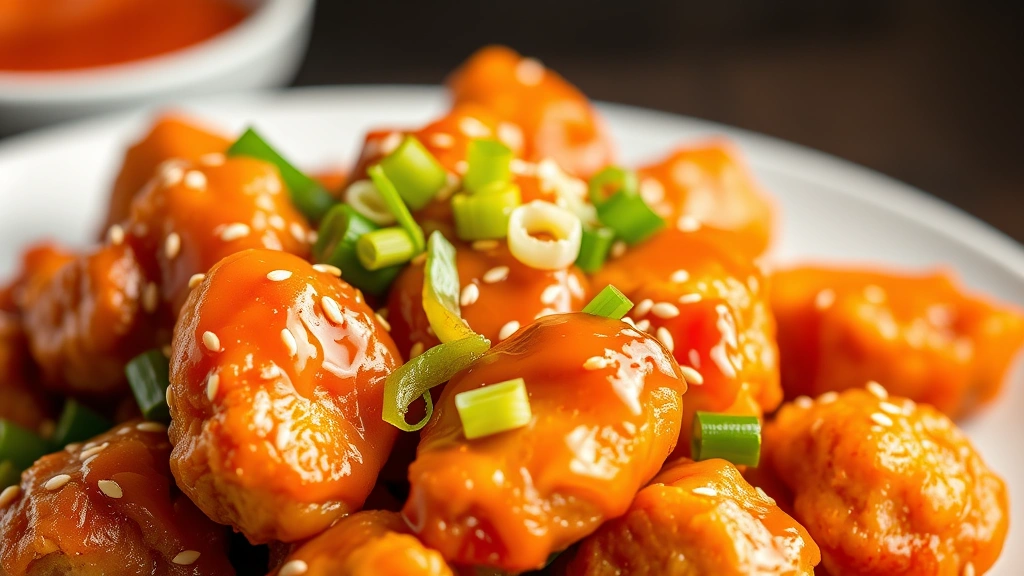
Orange Chicken Calories? Dietitian Explains Panda Express Nutrition
Panda Express Orange Chicken has become an American fast-casual staple, but the caloric content and nutritional profile often surprise diners. As a registered dietitian nutritionist, I frequently encounter questions about this beloved dish—particularly from individuals trying to balance convenience with dietary goals. Understanding the complete nutritional breakdown helps you make informed choices when ordering, whether you’re managing weight, tracking macronutrients, or simply curious about what’s in your meal.
The reality is that Orange Chicken represents a complex intersection of taste engineering, portion sizes, and added sugars that requires careful examination. This comprehensive guide breaks down everything you need to know about Panda Express Orange Chicken nutrition, from calorie counts to sodium levels, plus practical strategies for enjoying it within a balanced diet.
Orange Chicken Calorie Count Breakdown
A standard serving of Panda Express Orange Chicken contains 490 calories for the entrée portion (5.7 oz). This figure represents approximately 24-25% of a 2,000 calorie daily diet, making it a substantial single menu item. However, most customers don’t order Orange Chicken in isolation—they typically add sides like fried rice or noodles, which can push the total meal to 1,200-1,400 calories depending on choices.
The caloric density of Orange Chicken stems from several factors: the meat is deep-fried in oil, the sauce contains added sugars and oils, and portion control isn’t emphasized in fast-casual dining culture. When you examine the ingredient list through a healthy nutrition plan framework, you’ll notice that roughly 60% of calories come from fat, with carbohydrates comprising most of the remainder.
Breaking down the 490 calories: approximately 295 calories derive from fat (including the frying oil and sauce), 165 calories come from carbohydrates (primarily from the sugary orange sauce and breading), and roughly 30 calories originate from protein. This macronutrient distribution is heavily skewed toward fat and simple carbs, which raises concerns for satiety and blood sugar stability.
It’s worth noting that Panda Express publishes nutrition information on their website and in-store, allowing you to verify these figures. The calorie count can vary slightly based on preparation variations, sauce application, and whether the chicken pieces are larger or smaller than average.
Complete Nutritional Analysis
Beyond calories, Orange Chicken presents a complex nutritional profile that warrants detailed examination. A single entrée serving contains 23 grams of total fat, with approximately 4.5 grams being saturated fat. For context, the American Heart Association recommends limiting saturated fat to 5-6% of daily calories, meaning a single Panda Express entrée accounts for roughly 22% of that daily limit.
The carbohydrate content reaches 43 grams per serving, which includes 38 grams of carbs from the sauce, breading, and any thickening agents. Perhaps most concerning, added sugars comprise 17 grams of those carbohydrates—equivalent to roughly 4 teaspoons of added sugar in a single entrée. This exceeds the American Heart Association’s recommended daily added sugar limit for women (25 grams) by itself.
Protein content sits at a modest 15 grams per serving, which is relatively low for an entrée-sized portion. This limited protein contributes to lower satiety compared to grilled chicken dishes, meaning you’re more likely to feel hungry again shortly after eating. When following a nutrition plan focused on athletic performance, this protein-to-calorie ratio falls short of optimal recommendations.
Micronutrient analysis reveals minimal vitamin and mineral contribution. Orange Chicken provides negligible amounts of vitamin C (despite the orange flavoring—the vitamin is destroyed during processing and cooking), calcium, and iron relative to the calorie content. The dish lacks the nutrient density expected from whole foods, making it what nutrition professionals term “empty calories” or “nutrient-poor calories.”
Fiber content is virtually absent at less than 1 gram per serving. This absence of dietary fiber further contributes to poor satiety and blood sugar impact. Fiber slows digestion and nutrient absorption, helping maintain stable energy levels throughout the afternoon.
Sugar Content and Health Implications
The 17 grams of added sugar in Orange Chicken represents the most concerning nutritional aspect from a public health perspective. This sugar concentration fundamentally alters your blood glucose levels, triggering insulin responses that can contribute to energy crashes, increased cravings, and long-term metabolic dysfunction.
Research from institutions like Pew Research Center and various nutrition epidemiology studies demonstrates that regular consumption of high-sugar fast-casual meals correlates with increased obesity risk, type 2 diabetes development, and cardiovascular disease markers. The orange sauce—while flavorful—is essentially a sweetened coating designed to maximize palatability and encourage repeat purchases.
When you consume Orange Chicken, your pancreas secretes insulin to manage the blood glucose spike. This insulin response can trigger fat storage, particularly in visceral adipose tissue around the organs. For individuals with insulin resistance or prediabetes, this single meal can represent a significant metabolic stressor.
The sugar in Orange Chicken also affects your brain’s reward pathways. High-sugar foods activate dopamine release in similar patterns to addictive substances, which explains why many people find themselves craving Orange Chicken repeatedly. Understanding this neurobiological mechanism helps contextualize why willpower alone often fails when managing fast-casual food consumption.
Furthermore, the added sugars in Orange Chicken provide zero nutritional benefit while displacing more nutrient-dense foods from your diet. This opportunity cost—what you’re not eating when you choose Orange Chicken—should factor into your decision-making process.
Sodium Concerns in Fast Casual
A single Orange Chicken entrée contains approximately 890 milligrams of sodium, representing 39% of the FDA’s recommended daily limit of 2,300 milligrams. When combined with typical side dishes like fried rice (which adds another 600-800mg) and a beverage, a single Panda Express meal can exceed 1,500mg of sodium—nearly two-thirds of the daily recommendation in one sitting.
Excessive sodium consumption directly correlates with elevated blood pressure, increased cardiovascular disease risk, and fluid retention. For individuals with hypertension or family histories of heart disease, this sodium load represents a genuine health concern. The sodium in Orange Chicken comes from multiple sources: the soy sauce in the glaze, salt in the breading, and preservatives used in food preparation and storage.
Interestingly, the high sodium content can actually increase cravings for sweet foods, creating a problematic cycle where the salty-sweet combination of Orange Chicken triggers repeated consumption patterns. This flavor combination—technically called “umami sweet”—is deliberately engineered to maximize consumer appeal and sales.
When considering how to improve nutrient absorption, it’s worth noting that excessive sodium can impair your body’s ability to properly absorb and utilize certain minerals like potassium and magnesium. This mineral imbalance can contribute to muscle cramping, fatigue, and electrolyte dysfunction.
Protein and Macronutrient Distribution
The 15 grams of protein in Orange Chicken comes from chicken breast that’s been breaded and deep-fried. While chicken is generally an excellent protein source, the processing method significantly alters its nutritional profile. The breading adds carbohydrates and fat while reducing the protein-to-calorie ratio compared to grilled chicken.
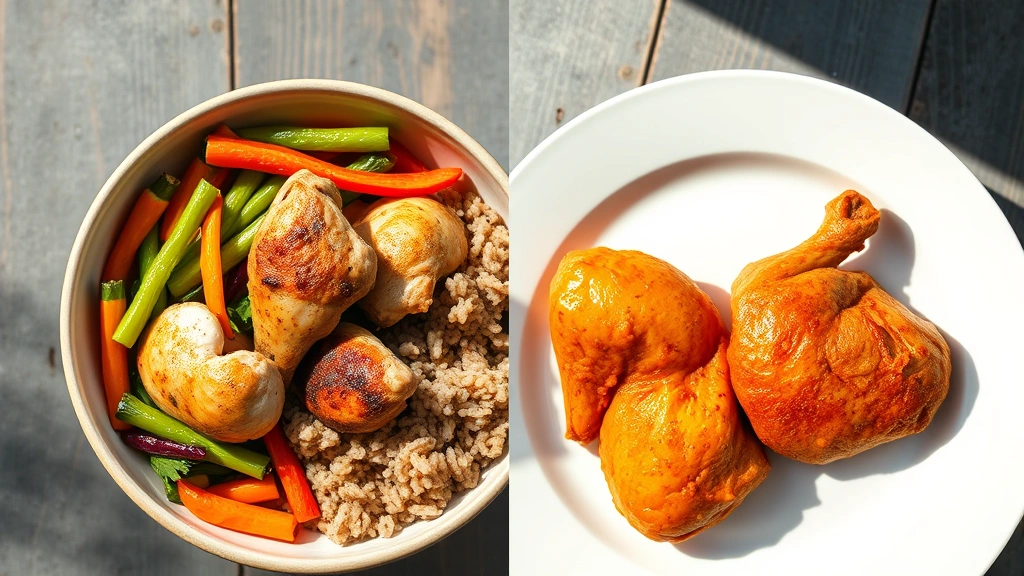
For comparison, a grilled chicken breast contains approximately 35 grams of protein with only 165 calories. Orange Chicken delivers less than half that protein content while containing nearly three times the calories. This dramatic difference illustrates how preparation methods fundamentally alter a food’s nutritional value.
The macronutrient distribution of Orange Chicken—approximately 54% fat, 35% carbohydrates, and 12% protein—deviates significantly from evidence-based nutrition recommendations. Most registered dietitians suggest a distribution closer to 30% fat, 40% carbohydrates, and 30% protein for optimal satiety and metabolic health.
From a practical standpoint, the low protein content means Orange Chicken fails to adequately stimulate satiety hormones like peptide YY and cholecystokinin. You’ll likely experience hunger within 2-3 hours of consuming this meal, leading to additional snacking or cravings. Higher-protein meals (containing 25-35 grams of protein) extend satiety periods to 4-5 hours.
The fat in Orange Chicken is primarily from the frying oil, which is typically soybean or canola oil high in omega-6 polyunsaturated fats. While these fats aren’t inherently harmful, the high omega-6 to omega-3 ratio in typical American diets (exacerbated by frequent fast-casual consumption) can promote inflammatory responses throughout the body.
Healthier Ordering Strategies
If you enjoy Panda Express and want to minimize nutritional damage, several strategic ordering modifications can significantly reduce caloric and sugar intake. First, request a half portion of Orange Chicken and substitute the other half with grilled protein options like Sizzling Shrimp or Black Pepper Angus Steak (both lower in sugar and higher in protein).
Second, replace fried rice or lo mein with mixed vegetables as your side. Panda Express offers steamed vegetable options that provide fiber, micronutrients, and satiety with minimal added calories. The Mixed Vegetables side contains only 80 calories compared to 520 calories in Fried Rice, an enormous difference that barely impacts satisfaction.
Third, request sauce on the side rather than pre-mixed. This simple modification allows you to control sauce quantity. You can apply just enough orange sauce for flavor while dramatically reducing sugar and sodium intake. Many people find they need only 25-30% of the standard sauce quantity for adequate flavor.
Fourth, skip the beverage or choose unsweetened options. A typical 20oz soda from Panda Express adds another 240-280 calories and 60+ grams of sugar to your meal. Water, unsweetened tea, or diet beverages eliminate this hidden calorie bomb entirely.
Fifth, add a side of edamame or tofu if available. These protein-rich options increase satiety without excessive calories, helping you feel fuller longer and reducing post-meal cravings. Tofu is particularly valuable for vegetarians seeking adequate protein intake.
When building your complete meal, aim for a total of 600-800 calories with at least 25 grams of protein and under 15 grams of added sugar. This framework ensures you enjoy the Orange Chicken experience while maintaining nutritional integrity. Check the Panda Express nutrition calculator on their official website to verify your specific choices.
Comparison With Alternatives
Understanding how Orange Chicken compares to other fast-casual options provides valuable context for decision-making. A Chipotle chicken bowl with brown rice, black beans, fajita vegetables, and mild salsa contains approximately 570 calories with 35 grams of protein and only 4 grams of added sugar. This represents a dramatically superior nutritional profile for nearly identical calories.
Chick-fil-A’s Grilled Chicken Sandwich delivers 320 calories with 31 grams of protein and minimal added sugars. Paired with a side salad, your total meal reaches 420 calories with excellent macronutrient distribution. This comparison illustrates how grilled preparation methods preserve nutritional value compared to deep-frying.
Panera Bread’s Half Roasted Turkey & Avocado Sandwich with a cup of broccoli cheddar soup totals approximately 530 calories with 28 grams of protein and 5 grams of added sugar. The inclusion of whole grains, vegetables, and healthy fats creates superior satiety compared to Orange Chicken.
Even within Panda Express’s own menu, alternatives outperform Orange Chicken nutritionally. The Grilled Teriyaki Chicken contains 370 calories with 38 grams of protein and only 11 grams of added sugar. While still containing more sugar than ideal, it represents a significant improvement in protein-to-calorie ratio and satiety potential.
The key distinction across these comparisons is protein content and added sugar minimization. Higher-protein meals consistently outperform lower-protein alternatives for weight management, metabolic health, and sustained energy. When evaluating fast-casual options, prioritize protein content and minimize added sugars as your primary decision criteria.
Incorporating Into Balanced Diet
The question isn’t whether Orange Chicken is “good” or “bad”—it’s whether it fits your individual nutritional goals and dietary patterns. For someone consuming Panda Express once monthly as an occasional treat, the nutritional impact is negligible. For someone eating it twice weekly, the cumulative sugar and sodium intake becomes problematic.
If Orange Chicken is a food you genuinely enjoy, incorporating it strategically involves several principles. First, account for it within your daily calorie and macro targets. If Orange Chicken accounts for 500 calories, your remaining meals should total appropriately for your goals (typically 1,500-1,700 calories for women, 1,900-2,200 for men).
Second, balance the meal composition by adding protein and fiber elsewhere. If you eat Orange Chicken for lunch, ensure your breakfast included adequate protein (15-25g) and your dinner includes substantial vegetables and lean protein. This distributes macronutrients across the day for optimal metabolic function.
Third, plan your surrounding meals strategically. After consuming Orange Chicken’s high sugar and sodium load, your body benefits from whole foods, plenty of water, and movement. A post-meal walk helps with glucose management and prevents the energy crash typical after high-sugar meals.
Fourth, monitor how Orange Chicken affects your individual physiology. Some people experience energy crashes, increased hunger, or digestive discomfort after high-sugar, high-fat meals. Others tolerate it without noticeable effects. Your personal response should guide frequency decisions more than generic nutrition guidelines.
Consider Orange Chicken within the context of your complete dietary pattern. The relationship between nutrition and mental health means that restrictive food rules often backfire, creating psychological distress that undermines long-term adherence. If occasional Orange Chicken consumption brings you joy without derailing your overall health, the psychological benefit may justify the nutritional trade-off.
However, if you’re managing a specific health condition like type 2 diabetes, hypertension, or obesity, more restrictive choices become medically prudent. Consult with your healthcare provider or a registered dietitian nutritionist for personalized recommendations aligned with your clinical situation.
For those following structured nutrition approaches like understanding specific food nutrients, Orange Chicken presents challenges because its sugar content and processing obscure underlying nutritional value. Whole-food alternatives consistently provide superior nutrient density with lower caloric investment.
FAQ
How many calories are in Panda Express Orange Chicken?
A single Orange Chicken entrée (5.7 oz) contains 490 calories. A typical complete meal with fried rice or noodles reaches 1,200-1,400 total calories depending on side choices and beverage selection.
Is Orange Chicken high in sugar?
Yes, significantly. Orange Chicken contains 17 grams of added sugar per entrée—exceeding the American Heart Association’s daily recommendation for women (25g) in a single meal. This sugar comes primarily from the orange sauce glaze.
Can I eat Orange Chicken while trying to lose weight?
Occasional Orange Chicken consumption won’t prevent weight loss if your overall calorie intake remains in a deficit. However, the high sugar and low protein make satiety challenging, often leading to increased hunger and additional calorie consumption later. Strategic modifications (half portions, vegetable sides, sauce on the side) improve compatibility with weight loss goals.
What’s the sodium content in Orange Chicken?
Orange Chicken contains 890mg of sodium—39% of the FDA’s recommended daily limit. Combined with typical sides, a complete Panda Express meal often exceeds 1,500mg sodium, problematic for individuals managing hypertension.
What are healthier alternatives at Panda Express?
The Grilled Teriyaki Chicken (370 cal, 38g protein, 11g added sugar) and Sizzling Shrimp (160 cal, 19g protein, 3g added sugar) offer superior nutritional profiles. Pairing grilled proteins with steamed vegetables instead of fried rice dramatically improves meal quality.
How often can I safely eat Orange Chicken?
For individuals without metabolic conditions, occasional Orange Chicken (1-2 times monthly) poses minimal health risk. More frequent consumption (weekly or more) contributes meaningfully to excess sugar and sodium intake, increasing disease risk. Consult your healthcare provider for personalized recommendations based on your health status.
Does Orange Chicken have any nutritional benefits?
Orange Chicken provides 15 grams of protein per serving and modest amounts of certain B vitamins from the chicken. However, these benefits are overshadowed by excessive sugar, sodium, and fat content. Whole-food alternatives provide superior nutritional density with lower caloric cost.


