Table of Contents
Introduction
Going vegetarian as an athlete? It’s not just about what you believe—it’s about what works. And here’s the thing: more and more athletes are discovering that plant-based eating can actually boost their performance, speed up recovery, and improve their overall health. Professional athletes, weekend warriors, everyone’s talking about it. So if you’re wondering whether you can fuel your body properly without meat, you’re asking the right question.
People choose vegetarian diets for all sorts of reasons. Maybe it’s about the environment. Maybe it’s ethical. Or maybe you just want to feel better and perform at your peak. As an athlete, though, you’ve got some pretty specific nutritional needs—energy for training, nutrients for muscle repair, fuel for endurance. Getting this right takes some planning, which is why understanding nutrition for athletes is so important. The good news? With the right approach, vegetarian athletes can absolutely crush their goals while eating a balanced, nutrient-packed diet.
Now, let’s address the elephant in the room. People always ask about protein, iron, calcium, B12, vitamin D—the “problem” nutrients for vegetarians. Truth is, a well-planned vegetarian diet can cover all your bases. Take protein, for instance. There’s a whole world of options beyond chicken and beef. Checking out plant-based protein sources will show you just how many legumes, beans, nuts, and seeds can support your muscle-building goals. And here’s a bonus: plants are loaded with antioxidants that can actually help reduce exercise-induced inflammation. Want to recover faster? The guide to foods rich in antioxidants will show you exactly which foods can help your body bounce back quicker.
Bone health is huge for athletes—nobody wants stress fractures or injuries sidelining their training. Calcium and vitamin D are your best friends here. Your bones need calcium to stay strong, and your muscles need it to function properly. The daily calcium intake recommendations break down exactly how much you need and where to get it. Vitamin D? It’s not just about bones—it supports your immune system too, which is crucial when you’re putting your body through intense training. The resource on vitamin D rich foods has you covered. With this nutritional foundation, you can train hard and eat with a clear conscience.
Speaking of training, your nutrition needs to work hand-in-hand with your fitness goals. Love cycling? It’s an amazing complement to a vegetarian lifestyle—great cardio, builds endurance, and pairs perfectly with plant-based fuel. The fitness benefits of cycling might inspire you to mix up your training routine. If you’re more of a runner, building that base endurance is key. The guide on how to build endurance running connects nutrition with stamina in ways that’ll help you go the distance. Training for something big like a marathon? Understanding how to prepare for a marathon brings together diet, training, and mental prep for race day success.
What You’ll Learn in This Guide
This guide is going to walk you through everything—and I mean everything—you need to know about thriving as a vegetarian athlete. We’ll cover the basics, help you customize your nutrition, show you how to plan meals that actually work, and tackle the challenges head-on. By the time we’re done, you’ll have all the tools you need to fuel your athletic journey the right way.
- Understanding the Vegetarian Diet: We’ll break down the different types of vegetarian diets and help you figure out which one fits your lifestyle and training demands, so you get balanced nutrition that actually supports your goals.
- Nutritional Essentials for Performance: You’ll discover exactly which nutrients matter most for athletic success—plant-based proteins, iron sources, calcium, B12, vitamin D—and learn how they impact your energy, recovery, and muscle maintenance.
- Meal Planning and Sample Ideas: Get real, practical tips for creating meals and snacks that keep your energy steady, optimize recovery, and work with your specific sport and training schedule.
- Managing Challenges and Supplementation: We’ll tackle the common roadblocks like potential nutrient gaps, when to consider supplements, and proven strategies to maintain muscle mass and energy levels.
What’s coming up in this article will cover every angle of vegetarian eating for athletes—from the foundation concepts to meal planning strategies you can actually use. You’ll also get smart advice on incorporating different plant-based foods and using supplements strategically to stay at peak health and performance. Before we get into the nitty-gritty, it’s worth building that solid foundation with nutrition for athletes, which explains the why behind the dietary choices and nutrient timing we’ll discuss throughout this guide.
As we go along, you’ll also find ways to boost your endurance and recovery by aligning your nutrition with training approaches like those in building endurance running and understanding preparation for marathons. These resources connect the dots between what you eat and how you train—because it all works together.
Whether you’re a seasoned athlete making the switch to vegetarianism or just starting to explore plant-based eating with performance in mind, this guide has your back. We’re not just throwing science at you—we’re giving you practical tips to plan smart, avoid common mistakes, and genuinely thrive on your vegetarian athletic journey. Ready to discover an approach that fuels your body, aligns with your values, and unlocks your full potential? Let’s get started.
More athletes are going vegetarian these days—and honestly? It’s not just a trend. Plant-based eating is proving itself in gyms, on tracks, and in competition arenas everywhere. Athletes are discovering something pretty amazing: vegetarian nutrition can actually boost energy, speed up recovery, and reduce that nagging inflammation that comes with intense training. But here’s the thing—you can’t just drop meat and call it a day. Making vegetarianism work for serious athletes takes some know-how and smart planning. That’s exactly what we’re going to tackle together. By the time you’re done reading this, you’ll know how to build a vegetarian eating plan that actually supports your training (not sabotages it) and keeps you performing at your peak for years to come.
Understanding the Vegetarian Diet and Its Nutritional Foundations
So you want to go vegetarian as an athlete? Great choice—but let’s get one thing straight. This isn’t just about cutting out meat and hoping for the best. You’ve got options here, and picking the right approach makes all the difference. Some athletes go lacto-ovo vegetarian (keeping dairy and eggs), others choose full vegan, and some try pescatarian (adding fish for extra protein and those omega-3s). The key is finding what works for your body, your sport, and yeah—your conscience too. Now, here’s where it gets interesting. As an athlete, you need to pay special attention to certain nutrients that can be trickier to get from plants alone. We’re talking protein, iron, calcium, and vitamins B12 and D. Miss these, and your performance will definitely feel it. Want to dive deeper into balancing these nutrients for peak athletic performance? Check out Nutrition for Athletes: Unlocking Peak Performance for the complete picture.
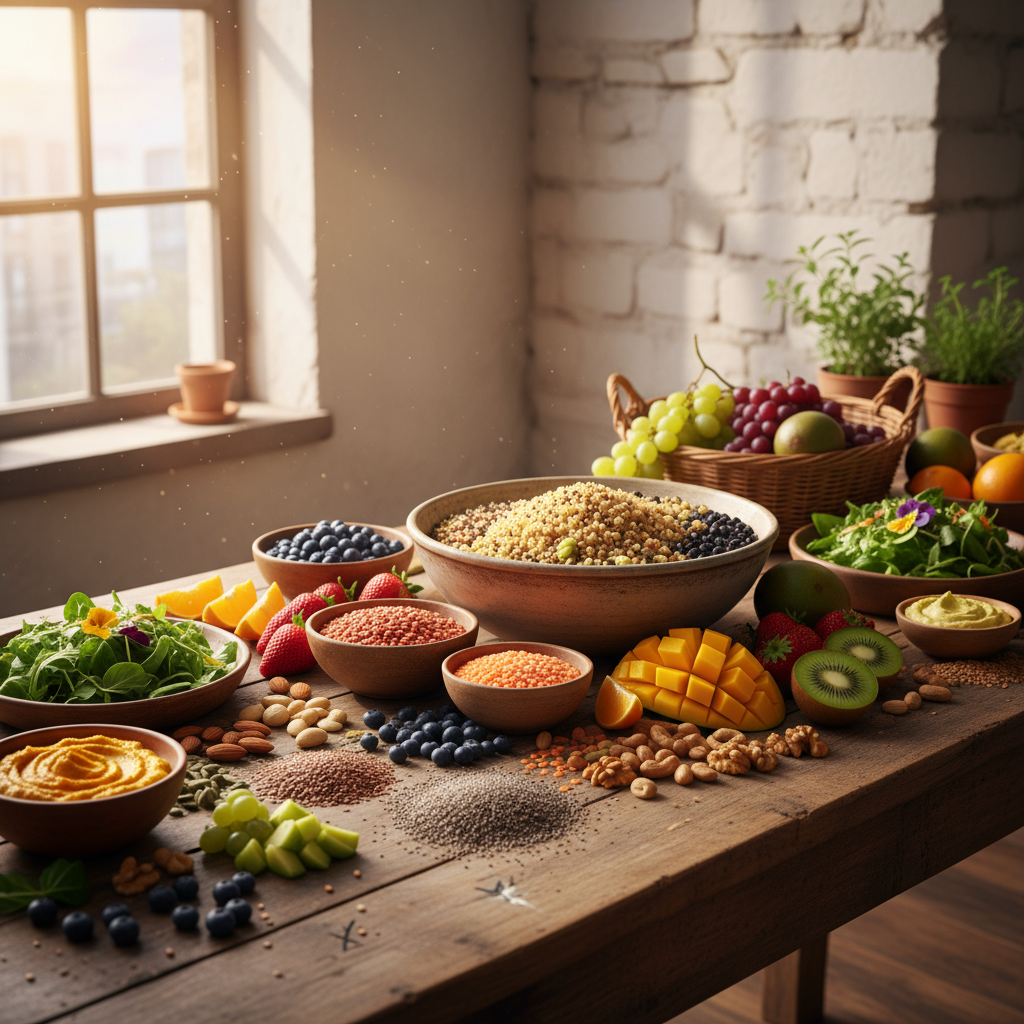
Building balanced meals isn’t rocket science, but it does require some thought. Think of it like this: you want a rainbow on your plate. Whole grains for sustained energy. Legumes for protein power. Nuts and seeds for healthy fats. Fruits and vegetables for vitamins and minerals. Plus dairy or fortified plant alternatives to fill any gaps. Here’s a pro tip that many athletes miss—pair your iron-rich foods (like spinach or lentils) with vitamin C sources (think bell peppers or citrus). This simple trick can double your iron absorption. Pretty neat, right? And if you’re wondering about getting enough protein, Plant-Based Protein Sources: A Complete Guide has everything you need to build serious muscle on plants alone.
Key Aspects of Understanding Vegetarian Diets
Let’s break down what really matters when you’re building your vegetarian game plan:
- Types of Vegetarian Diets: Whether you choose lacto-ovo, vegan, or pescatarian depends on your personal values and nutritional needs. Each has its perks, so pick the one that feels right and supports your training goals.
- Essential Nutrients: Protein builds and repairs muscle. Iron keeps oxygen flowing to your muscles. Calcium keeps your bones strong. B12 and vitamin D support your nervous system and immune function. Missing any of these? Your performance will tell you.
- Balanced Meal Planning: Variety is your best friend here. Mix up your whole foods, time your meals around workouts, and watch your energy levels soar.
- Mitigating Nutrient Gaps: Stay ahead of potential deficiencies with smart food choices and targeted supplements when needed. No guessing—just results.
With these fundamentals locked in, you’re ready to create a vegetarian approach that actually enhances your athletic performance instead of limiting it. Next up? Let’s get practical with meal planning strategies that work in the real world.
Practical Meal Planning and Overcoming Challenges on a Vegetarian Athlete Diet
Alright, let’s get real about meal planning. You need food that fuels your workouts, tastes great, and doesn’t require a nutrition degree to figure out. The secret? Build your meals around nutrient-dense powerhouses. Start with whole grains for steady energy release. Add legumes and nuts for protein and healthy fats. Load up on colorful fruits and vegetables. Include dairy or fortified plant alternatives. Simple formula, powerful results. But timing matters too—what you eat and when can make or break your training session. Need a roadmap for putting this all together? Healthy Nutrition Plan: A Guide to Eating Well breaks it down perfectly.
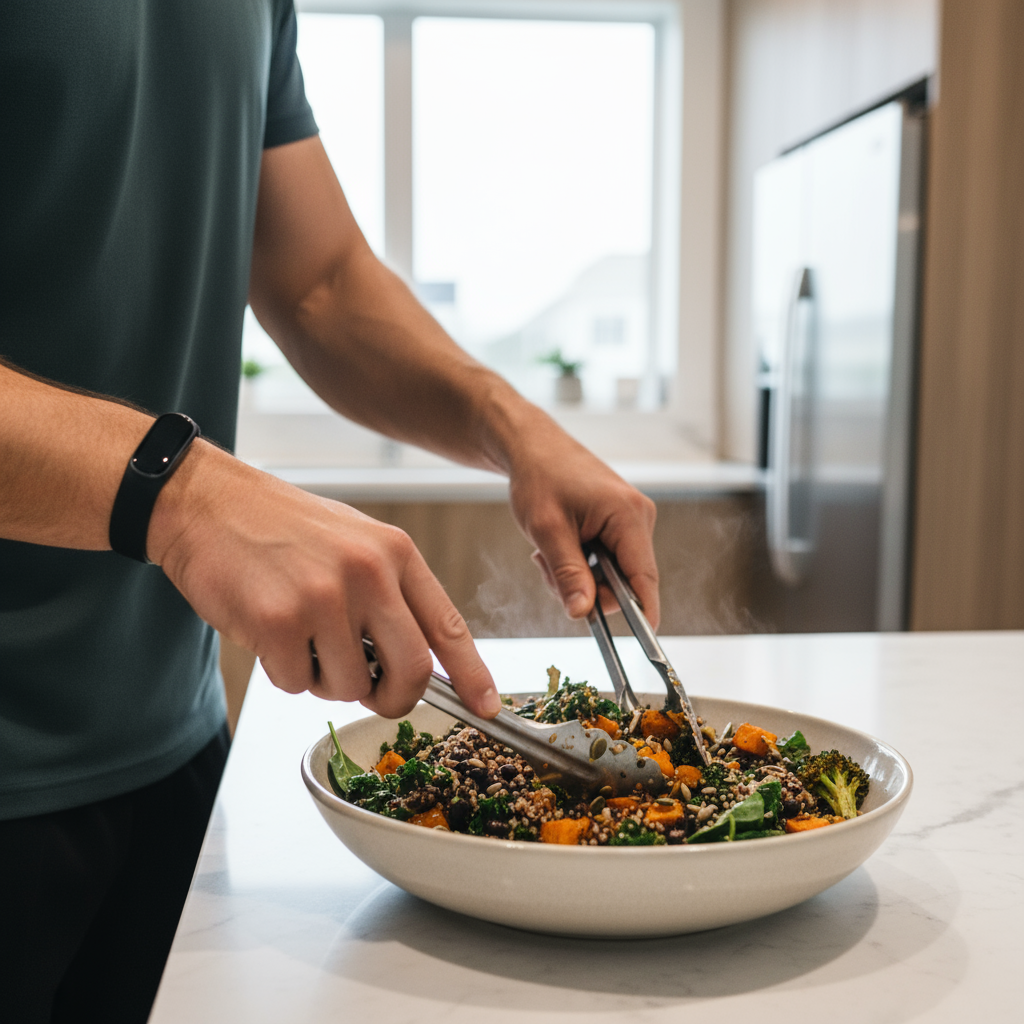
Let’s talk real meals for real athletes. Breakfast might be steel-cut oats topped with almonds and berries—carbs plus protein to start your day strong. Lunch? Try a quinoa bowl loaded with chickpeas and whatever vegetables look good at the store. Dinner could be a hearty lentil stew or a tofu stir-fry (trust me, properly seasoned tofu is delicious). Don’t forget snacks—energy bars, protein smoothies, or even just some nuts and fruit can keep your energy steady between meals. Now, let’s address the elephant in the room: nutrient deficiencies. Some nutrients like B12 and iron might need extra attention on a vegetarian diet. That’s totally normal and easily manageable. The key is knowing what to watch for and working with a healthcare pro when you need supplements. For expert guidance on when and how to supplement as a vegetarian athlete, Nutrition for Athletes covers everything you need to know.
Key Aspects of Vegetarian Athlete Meal Planning and Challenges
Here’s your action plan for meal planning success:
- Incorporating Diverse Nutrient-Dense Foods: Mix whole grains, legumes, nuts, seeds, fruits, vegetables, and dairy or fortified alternatives. This combination gives you everything your body needs to perform and recover like a champion.
- Timing Meals and Snacks: Eat strategically around your training schedule. Pre-workout fuel, post-workout recovery—get this right and feel the difference immediately.
- Addressing Nutrient Deficiencies Through Supplementation: Know when B12, iron, and vitamin D might need a boost. Work with healthcare professionals for personalized advice—your body is unique, and your supplement plan should be too.
- Practical Sample Meals and Hydration Tips: Keep it simple with easy-to-prepare, nutrient-packed meals and snacks. Consistency beats perfection every time, and sustainable habits win championships.
Here’s what we’ve learned: more and more athletes are going vegetarian, and guess what? They’re crushing it. Whether you’re thinking about going lacto-ovo, full vegan, or pescatarian, you can absolutely fuel peak performance with plants. The secret sauce? Focus on variety—whole grains, legumes, nuts, seeds, colorful fruits and veggies, plus dairy or fortified alternatives if they fit your style. Success comes down to nailing the big five nutrients: protein, iron, calcium, vitamin B12, and vitamin D. Get these right, and you’ll have the energy, muscle repair, bone strength, and immune support you need to dominate your training.
Smart meal planning changes everything. And I mean everything. When you mix up your protein sources (hello, quinoa and black bean power combo), pair iron-rich foods with vitamin C (think spinach salad with strawberries), and load up on antioxidant-packed fruits and veggies, your body responds beautifully. Recovery gets faster. Inflammation drops. Your energy stays steady thanks to those complex carbs from whole grains. Add strategic supplements when needed, time your meals around workouts, and you’ve got a recipe for maintaining muscle mass even during the most intense training blocks.
Ready to build your game plan? Start with the fundamentals by checking out nutrition for athletes—it’ll show you how nutrient timing can make or break your performance. Then dive deep into plant based protein sources because trust me, there are way more options than you think. For the big picture approach to eating well, our healthy nutrition plan will keep you energized for the long haul. And if you’re serious about recovery (which you should be), learning about foods rich in antioxidants will be a total game changer.
Don’t stop at nutrition though. Your bones and immune system will thank you for exploring vitamin D rich foods—especially if you train indoors a lot. And here’s something cool: the fitness benefits of cycling show how cross-training can boost your endurance and overall wellness. When you combine smart plant-based nutrition with diverse training, you’re not just performing better—you’re building sustainable athletic success.
Look, thriving as a vegetarian athlete isn’t about perfection—it’s about being smart and adaptable. Keep checking in with your body. Notice how different foods make you feel during training. And honestly? Don’t hesitate to work with a sports nutritionist or registered dietitian who gets plant-based performance. They can help you fine-tune everything to match your specific goals and training demands. With the right approach, your vegetarian diet becomes your secret weapon—not just for athletic success, but for long-term health and vitality. So go ahead, fuel up with confidence, and show the world what plant-powered performance looks like.
Frequently Asked Questions
-
Can vegetarian athletes get enough protein?
- Absolutely! Mix it up with legumes, nuts, seeds, quinoa, and other plant proteins. Your muscles will get everything they need for repair and growth—you just need to be a bit more creative with your sources.
-
Is iron absorption a concern on a vegetarian diet?
- It can be trickier since plant iron isn’t absorbed as easily as the kind from meat. But here’s the hack: pair iron-rich foods with vitamin C. Think lentils with bell peppers or spinach with citrus—it really works.
-
Do vegetarian diets support muscle recovery?
- They sure do! When you balance your proteins and load up on antioxidants from colorful fruits and veggies, your muscles recover well and inflammation stays in check. Sometimes even better than traditional diets.
-
What supplements might vegetarian athletes need?
- The big ones are usually B12, iron, and vitamin D—especially if you’re training hard or not getting enough from food. It’s worth getting your levels checked to see what you actually need.
-
Can a vegetarian diet meet the energy demands of intense training?
- 100%. With smart meal planning, good timing, and plenty of variety, plant-based diets can absolutely fuel high-intensity training and endurance work. You might even find your energy is more stable.