Table of Contents
Introduction
Here’s something that might surprise you: there’s a tiny seed that packs more nutritional punch than most entire meals. Meet quinoa—and no, it’s not just another health food trend. This little powerhouse has been fueling people for thousands of years, and once you understand what it brings to the table, you’ll see why it’s earned its spot in kitchens worldwide. Whether you’re already on the healthy eating train or just starting to think about what goes on your plate, quinoa deserves your attention.
Now, I know what you’re thinking—another “superfood” that promises the world, right? But here’s the thing about quinoa: it actually delivers. This ancient seed (technically not a grain, but we’ll get to that) brings complete proteins, essential vitamins, minerals, and antioxidants all in one package. If you’re working on a healthy nutrition plan, quinoa becomes that reliable ingredient that makes eating well so much easier. It’s like having a nutritional Swiss Army knife in your pantry.
But quinoa isn’t just about physical health—and this is where things get really interesting. Your brain and your gut are constantly talking to each other, and what you eat plays a huge role in that conversation. Studies keep showing us how diet affects everything from your mood to your mental clarity, and quinoa’s nutrient profile fits beautifully into this picture. If you want to dig deeper into how food impacts your mind, check out this fascinating look at nutrition and mental health. When you’re nourishing both body and brain with every meal, that’s when the magic happens.
Let’s talk about what makes quinoa special on a nutritional level. Those omega-3 fatty acids? They’re doing serious work for your heart and fighting inflammation throughout your body. The science behind omega-3 benefits is pretty compelling stuff. Then there’s the fiber content—and trust me, your digestive system will thank you. Understanding why dietary fiber matters helps you appreciate just how much quinoa brings to every meal. Plus, quinoa’s loaded with antioxidants, putting it in the same league as other antioxidant champions like green tea (you can read about green tea’s impressive benefits here). It’s like getting multiple health boosters in one simple ingredient.
What You’ll Learn in This Guide
We’re going to walk through everything you need to know about quinoa nutrition and how it can transform your health. Here’s what’s coming up:
- Nutritional Breakdown: We’ll dig into quinoa’s macronutrients—including that famous complete protein—and micronutrients like magnesium and iron that keep your body running smoothly.
- Health Benefits: Discover how quinoa supports your heart, helps with weight management, and keeps your digestive system happy through its fiber and antioxidant content.
- Comparison with Other Grains: See how quinoa stacks up against rice, wheat, and oats—you might be surprised by what makes it stand out.
- Incorporation Tips: Get practical advice on cooking quinoa, creative meal ideas, and storage tips to keep it fresh and delicious.
You’ll walk away with both the science and the practical know-how, no matter where you are in your cooking journey. We’ll also cover the stuff you should know about—like potential allergies and those anti-nutrients you might have heard about. Because the best nutrition advice gives you the full picture, not just the highlights.
First up, we’re breaking down exactly what’s inside every serving of quinoa. You’ll see why nutritionists get excited about this seed and how it fits perfectly into various eating styles—especially if you’re exploring plant-based protein sources or building a more balanced approach to nutrition. This foundation will help you understand why quinoa isn’t just another trendy ingredient—it’s a genuinely smart choice for long-term health.
After that, we’ll get into the fun part: actually eating it. I’ll share practical tips for incorporating quinoa into meals that work with your lifestyle and taste preferences. Whether you’re dealing with gluten sensitivity or just want to expand your grain game, you’ll have everything you need to make quinoa a delicious, regular part of your routine. Ready to discover why this ancient seed has captured the attention of modern food lovers everywhere? Let’s get started.

So we’ve covered the basics—now let’s get into what makes quinoa such a nutritional rockstar. You’ll discover exactly why this tiny seed packs such a powerful punch, and more importantly, how those nutrients can actually benefit your health. We’re going to break down the macros, the micros, and everything in between. Then? We’ll talk about the real-world stuff—how to actually use quinoa in your kitchen and what you should keep in mind for safe, delicious meals.
Nutritional Components of Quinoa
Here’s where quinoa gets really interesting. Not only is it one of the few plant foods that gives you a complete protein (yes, all nine essential amino acids), but it’s also loaded with nutrients that actually work together to support your health. Think about it—most plant foods make you play nutritional Tetris to get complete proteins. Quinoa? It’s already solved that puzzle for you.
The carbs in quinoa aren’t the simple, blood-sugar-spiking kind either. We’re talking complex carbohydrates that give you steady energy and plenty of fiber to keep your digestive system happy. And those healthy fats? Quinoa delivers omega-3 and omega-6 fatty acids that your heart will thank you for. (Your brain and skin will too, by the way.) If you want to understand how these complex carbs fit into the bigger picture, check out this guide on whole grain benefits—it’ll give you the full context on why fiber and complex carbohydrates matter so much.
But wait—there’s more. Beyond the macronutrients, quinoa is practically a multivitamin in seed form. B vitamins for energy metabolism? Check. Vitamin E for antioxidant protection? Got it. A mineral lineup that includes magnesium, iron, potassium, calcium, and zinc? Absolutely. These aren’t just fancy names on a nutrition label—they’re the building blocks your body uses for bone health, oxygen transport, muscle function, and immune support. Plus, quinoa is naturally gluten-free with a low glycemic index, making it friendly for people with dietary restrictions or blood sugar concerns. Want to dive deeper into how fiber specifically impacts your health? This piece on the importance of dietary fiber connects perfectly with quinoa’s digestive benefits.
Key Aspects of Nutritional Components
Let’s break down what makes quinoa’s nutrition so impressive:
- Complete Protein Source: All essential amino acids in one food—that’s rare in the plant world. This means your muscles, enzymes, and cells get everything they need for repair and function. Especially valuable if you’re eating more plant-based meals.
- Complex Carbohydrates and Fiber: The fiber keeps you full, helps control blood sugar, and feeds the good bacteria in your gut. It’s the kind of carb that works with your body, not against it.
- Healthy Fats: Those omega fatty acids aren’t just good for your heart—they help reduce inflammation and support brain function. Think of them as your body’s natural maintenance crew.
- Vitamins and Minerals: From energy production to antioxidant defense, quinoa’s vitamin and mineral profile covers a lot of ground. It’s like getting multiple supplements in one delicious package.
Now that you know what’s inside quinoa, let’s talk about what all these nutrients can actually do for you. Because knowing the facts is one thing—understanding how they translate to real health benefits? That’s where it gets exciting.
Health Benefits of Quinoa and Incorporating it into Your Diet
Here’s where quinoa really shines in your daily life. That nutrient profile we just talked about? It translates into some pretty impressive health benefits. Your heart gets protection from the fiber and healthy fats working together to keep cholesterol and blood pressure in check. Your waistline gets help too—the combination of protein and fiber creates that satisfying feeling that keeps you from reaching for snacks an hour later. If you’re working on weight goals, you might want to pair quinoa’s benefits with some practical strategies from these fitness tips for weight loss.
Your digestive system absolutely loves quinoa’s fiber content. It keeps things moving (if you know what I mean) and feeds the beneficial bacteria that live in your gut. Happy gut bacteria mean better immune function and less inflammation throughout your body—it’s all connected. And here’s something that makes quinoa special: it’s naturally gluten-free. So if you’re dealing with gluten sensitivities or celiac disease, quinoa opens up a world of grain-like possibilities without the worry. For more context on how antioxidant-rich foods like quinoa fit into a healthy eating pattern, this guide to foods rich in antioxidants shows you the bigger picture.
Key Aspects of Health Benefits and Dietary Incorporation
When you’re thinking about adding quinoa to your routine, here’s what you’re really getting:
- Supports Heart Health: The fiber and healthy fats team up to help manage cholesterol and blood pressure. Your cardiovascular system gets ongoing protection with every bowl.
- Promotes Weight Management: High protein and fiber naturally help you feel satisfied with smaller portions. No willpower required—your body just feels full and content.
- Enhances Digestive Wellness: The fiber feeds good gut bacteria and keeps your digestive system running smoothly. Better gut health often means better immune function too.
- Versatile Dietary Inclusion: Whether you’re gluten-free, vegan, or just trying to eat better, quinoa adapts to your needs. It’s like the Swiss Army knife of healthy grains.

Here’s the thing about quinoa—it’s basically a nutritional superhero disguised as a tiny seed. You’re getting all nine essential amino acids in one package, which is pretty rare for plant foods. That makes it a game-changer for vegetarians and vegans, but honestly? Even if you eat meat, quinoa brings something special to the table. We’re talking complex carbs that actually fuel you properly, fiber that keeps your digestive system happy, and those heart-healthy omega-3 and omega-6 fats your body craves. Plus, it’s loaded with B vitamins, vitamin E, magnesium, iron, potassium, calcium, and zinc. Your cardiovascular system, immune system, and energy levels will all thank you.
And here’s what I love most—quinoa doesn’t come with the baggage. No gluten means no worries for people with sensitivities. The antioxidants help fight inflammation (who doesn’t need that?). When you compare it to rice, wheat, or oats, quinoa wins hands down. Better protein, lower glycemic index, and it keeps you full longer. You can cook it a dozen different ways, toss it in salads, make breakfast bowls, use it as a side dish—the possibilities are endless. Just remember to rinse it well before cooking. Trust me on this—those natural saponins can make things taste a bit soapy if you skip this step.
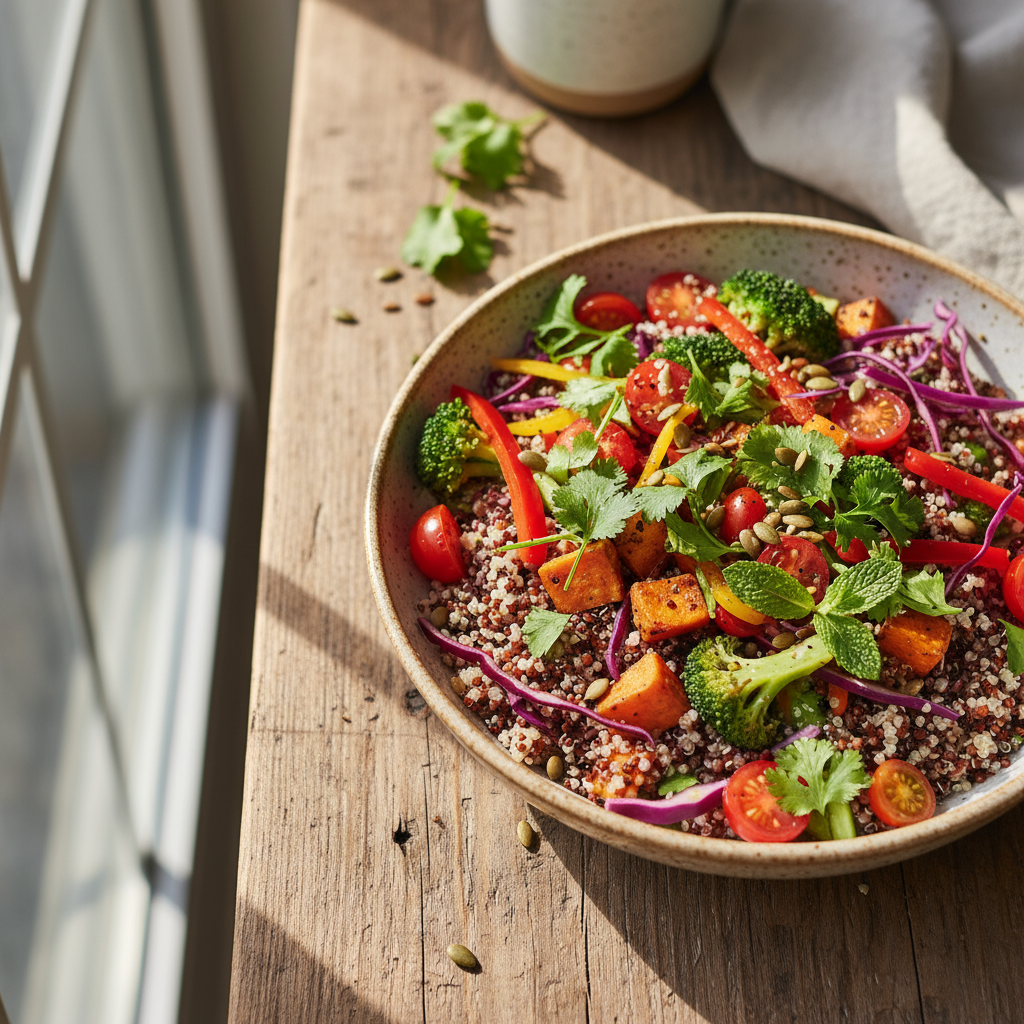
Look, adding quinoa to your meals isn’t rocket science. It tastes mild and nutty, which means it plays well with pretty much everything. Whether you’re making a quick lunch salad or a hearty dinner bowl, quinoa just works. And the best part? You’re not sacrificing taste for nutrition—you’re getting both.
If you’re ready to get serious about your nutrition game, consider putting together a healthy nutrition plan that makes quinoa a regular player. Understanding the importance of dietary fiber will help you appreciate why quinoa’s fiber content is such a big deal for your gut health and appetite control. And once you dig into the benefits of omega 3 fatty acids, you’ll see how quinoa’s healthy fats support both your heart and brain. If you’re also working on fitness goals, pairing quinoa’s nutritional power with solid fitness tips for weight loss gives you a complete approach to feeling your best.
So where does this leave you? With everything you need to make quinoa a kitchen staple. Don’t overthink it—start small. Swap it for rice in your next stir-fry, or add it to tomorrow’s salad. Your body will notice the difference, and your taste buds won’t complain. Sometimes the simplest changes make the biggest impact on how you feel.
Frequently Asked Questions
-
Is quinoa a good source of protein?
- Yes, quinoa is a complete protein containing all nine essential amino acids, making it an excellent choice for plant-based diets.
-
Can people with gluten intolerance eat quinoa?
- Absolutely. Quinoa is naturally gluten-free and safe for those with gluten intolerance or celiac disease.
-
How many calories are in a serving of quinoa?
- One cup of cooked quinoa contains approximately 222 calories, offering a nutrient-dense, satisfying portion.
-
Does quinoa help with weight loss?
- Its high protein and fiber content promote feelings of fullness, supporting weight management efforts effectively.
-
Are there any side effects of eating quinoa?
- Some individuals may experience allergies or digestive discomfort. Proper rinsing reduces anti-nutrients like saponins, minimizing potential issues.