Table of Contents
Introduction
Here’s something every vegan needs to know: vitamin B12 isn’t just another nutrient on the list—it’s absolutely essential for keeping your nerves healthy, your red blood cells functioning, and your DNA doing its thing. But here’s the catch (and you probably saw this coming)—B12 loves to hang out in animal products. So if you’re living the vegan life, you might be wondering: how exactly do I get enough of this vital vitamin without compromising my values?
Look, planning your nutrition as a vegan takes a bit more thought—I won’t sugarcoat that. But when you nail a healthy nutrition plan that covers all your bases? Game changer. Your energy soars, your mind feels sharper, and you know you’re treating your body right. Yes, B12 presents a unique puzzle since plants don’t naturally produce much of it. But that doesn’t mean you’re stuck—it just means you need to be a little strategic about it.
The thing about B12 deficiency is that it’s sneaky. You might start feeling tired more often, notice your thinking feels foggy, or experience some weird neurological symptoms. What’s fascinating is how closely nutrition and mental health are connected—B12 plays a starring role in keeping your brain happy and your mood stable. When you’re planning your vegan diet, think bigger picture. Pair your B12 strategy with other powerhouse nutrients like dietary fiber and omega 3 fatty acids. Your body will thank you for the complete package.
And hey, while we’re talking about feeling your best—don’t forget the basics that support everything else. Getting quality sleep (seriously, check out these healthy sleep habits) helps your body actually use all those nutrients you’re carefully consuming. Plus, little things like sipping some herbal tea can work wonders—the benefits of drinking herbal tea include reducing stress and supporting digestion. It all works together, you know?
What You’ll Learn in This Guide
Ready to become a B12 pro? This guide will give you everything you need to confidently maintain your health on a plant-based diet. Here’s what we’re covering:
- Understanding Vitamin B12’s Role: Learn why vitamin B12 is essential for your body, especially if you’re following a vegan diet. Understand how it supports nerve function, energy production, and red blood cell health.
- Identifying the Best Vegan B12 Sources: Discover a wide range of B12-rich vegan options, including fortified foods and supplements. Understand the evidence behind emerging sources like algae and B12-producing bacteria.
- Practical Diet Integration: Gain actionable tips on how to incorporate B12 sources seamlessly into your daily meals and dietary habits to reliably meet your nutritional needs.
- Monitoring and Medical Guidance: Understand signs of B12 deficiency and learn when to seek professional healthcare advice. Get tips on monitoring your B12 levels to stay proactive about your health.
Coming up, we’re going to explore all the different ways you can get B12 as a vegan, share some practical meal-planning strategies, and break down the science behind supplements and monitoring. Think of it as your roadmap to making smart, health-focused choices that fit perfectly with your vegan lifestyle. If you’re an athlete or just someone who loves pushing their physical limits, understanding nutrition for athletes becomes even more important—B12 plays a key role in energy and recovery.
We’ll also touch on plant based protein sources because, let’s face it, the more you know about getting complete nutrition from plants, the better off you’ll be. When you put all these pieces together—B12, protein, healthy fats, fiber—you’ve got yourself a pretty amazing foundation for thriving on plants.
Your journey to mastering vegan B12 starts right here, right now. Let’s do this together—with confidence, clarity, and all the tools you need to feel incredible every single day.
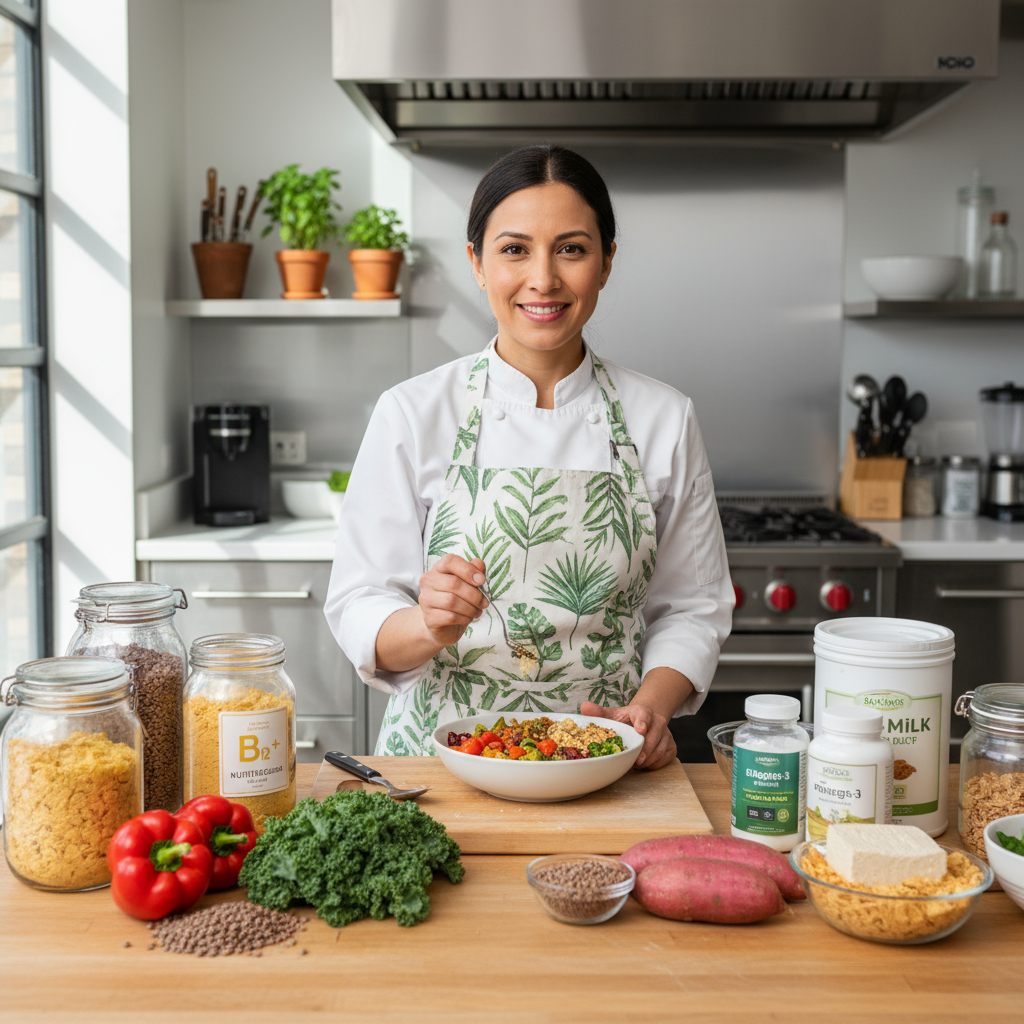
So we’ve talked about why vitamin B12 matters—now let’s get real about what this means for your vegan journey. Here’s the thing: B12 is almost exclusively found in animal products, which puts us plant-based folks in a bit of a pickle. But don’t worry—this isn’t an insurmountable challenge. It just means we need to be smart about where we get our B12 and make sure we’re actually getting enough. Because when it comes to B12 deficiency? Trust me, it’s not something you want to mess around with.
Why Vitamin B12 is Essential for Vegans
Think of vitamin B12 as your body’s multitasking superhero. It’s busy making DNA, creating red blood cells, and keeping your nervous system running smoothly. Pretty important stuff, right? Now here’s where it gets tricky for us vegans—this vitamin is primarily produced by bacteria living in animal guts, which is why animal products are loaded with it. We’ve cut out those sources (for all the right reasons), but that means we need to find alternatives.
And let’s be honest—most plant foods just don’t cut it when it comes to B12. Sure, you might have heard about certain algae or fermented foods containing B12, but many of these contain inactive forms that your body can’t actually use. It’s like having a key that looks right but won’t open the lock. That’s why understanding your options—fortified foods and supplements—isn’t just helpful, it’s absolutely crucial for staying healthy on a vegan diet.
Health Implications of B12 Deficiency
Now, let’s talk about what happens when you don’t get enough B12. The early signs are sneaky—you might feel tired, weak, or notice your appetite isn’t what it used to be. Maybe you’re getting constipated more often or losing weight without trying. These symptoms are easy to brush off as stress or being busy, but they could be your body’s way of asking for help.
But here’s where it gets serious. If B12 deficiency continues, things can get pretty scary. We’re talking numbness in your hands and feet, balance problems, depression, memory issues—even permanent nerve damage. I’ve seen people go through this, and it’s heartbreaking because it’s so preventable. The good news? Catching it early and addressing it properly can reverse most of these symptoms. The key is not waiting until you feel terrible.
Challenges of Getting B12 on a Vegan Diet
Let’s face reality for a moment. Getting B12 as a vegan isn’t as simple as eating more spinach or quinoa. Those foods are amazing for lots of nutrients, but B12? Not so much. And some plant foods actually contain B12 imposters—compounds that look like B12 but don’t work in your body. It’s like your body ordered a pizza and got a picture of pizza instead.
This is why most of us end up relying on fortified foods or supplements. And that’s totally okay! But it does mean you need to be intentional about it. You can’t just wing it and hope for the best. Some people need higher doses than others, some absorb it better in certain forms—there’s definitely a learning curve involved.
Best Vegan Sources of Vitamin B12
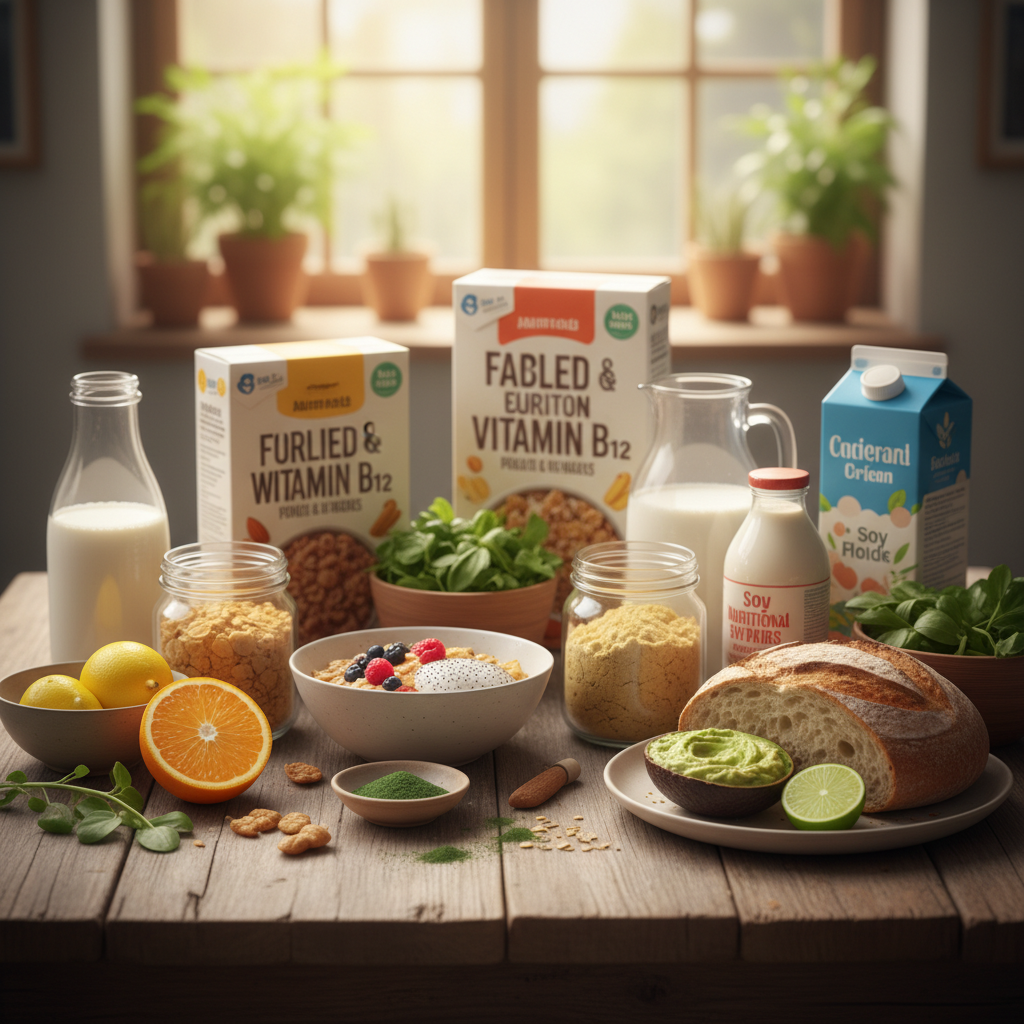
Alright, enough about the challenges—let’s talk solutions. The good news is that we’ve got some excellent options these days. Fortified plant milks, breakfast cereals, and nutritional yeast have become game-changers for vegans. These aren’t just backup options; they’re reliable, convenient ways to get your B12 without having to think about it too much.
Then there are supplements, which come in more varieties than you might expect. You’ve got your basic tablets, sublingual drops, sprays, and even injections for those who need them. The key is finding what works for your lifestyle and your body. Some people love the convenience of a daily pill, while others prefer a weekly higher dose. There’s no one-size-fits-all approach here.
Fortified Foods
Fortified foods are honestly a lifesaver for busy vegans. Your morning soy latte? Probably fortified with B12. That bowl of cereal you grab when you’re running late? Often packed with it too. And nutritional yeast—or “nooch” as we affectionately call it—adds a cheesy flavor to everything while sneaking in your B12. It’s like having your cake and eating it too.
The trick is reading labels and choosing brands that clearly state their B12 content. Not all plant milks are fortified, and the amounts can vary significantly between brands. Once you find products you like that are reliably fortified, you can build them into your routine pretty easily. Just remember—fortified doesn’t mean unlimited. You still need to pay attention to how much you’re getting.
Supplements
When it comes to supplements, you’ve got choices. Cyanocobalamin is the most common and well-studied form—think of it as the reliable friend who’s always there for you. Your body converts it to the active form it needs. Then there’s methylcobalamin, which is already in the active form and might be better for some people, especially those with certain genetic variations.
How much should you take? That depends on your individual needs, but many vegans do well with either a daily low dose or a weekly higher dose. Some folks, particularly those with absorption issues, might need sublingual supplements that dissolve under your tongue, or even B12 injections prescribed by their doctor. The best approach? Talk to a healthcare provider who understands vegan nutrition.
Emerging Vegan Sources
Here’s something exciting—researchers are working on new vegan B12 sources all the time. Some types of algae show promise, and there are bacterial cultures being developed specifically for B12 production. It’s like the future of vegan nutrition is being written right now.
But here’s the catch (there’s always a catch, right?). Not all of these emerging sources are ready for prime time. Some algae contain those tricky B12 analogs we talked about—the ones that look real but don’t work. So while it’s exciting to see innovation in this space, stick with proven sources for now. The last thing you want is to think you’re covered when you’re actually not.
How to Incorporate B12 into a Vegan Diet
Okay, so you know what B12 is, why you need it, and where to get it. Now comes the practical part—actually making it happen in your daily life. The secret isn’t complicated: consistency and planning. You want to create a system that works even when life gets crazy (because it will).
Think of B12 like brushing your teeth—it needs to become such a habit that you don’t even think about it. Whether that’s through your morning fortified cereal, your daily supplement with breakfast, or that nutritional yeast you sprinkle on everything, find what works and stick with it.
Meal Planning
Meal planning for B12 doesn’t have to be rocket science. Start by identifying which fortified foods you actually enjoy eating. Love oat milk in your coffee? Make sure it’s B12-fortified. Can’t live without your morning cereal? Check that box for B12 content. From there, you can build a rotation that keeps things interesting while ensuring you’re covered.
And don’t forget about backup plans. Life happens—you run out of your usual fortified milk, or you’re traveling and your routine gets disrupted. Having a reliable supplement as your safety net means you won’t stress about missing days here and there. The goal is making B12 intake so automatic that it requires zero mental energy.
Monitoring B12 Levels
Here’s something many vegans overlook: actually checking whether their B12 strategy is working. Getting your levels tested isn’t just a good idea—it’s essential. Most doctors recommend testing every year or two for vegans, but if you’re experiencing any symptoms that could be B12-related, don’t wait.
The tests aren’t just about B12 levels either. Your doctor might also check methylmalonic acid or homocysteine levels, which can give a clearer picture of whether your body is actually using the B12 you’re taking in. Think of it as a report card for your B12 strategy. And if your levels aren’t where they should be? No judgment—just adjust your approach and test again later. This is all about fine-tuning what works for your unique body.

Here’s the truth about B12 and vegan life—it’s one of those nutrients you absolutely can’t ignore. Your body needs this vitamin for nerve function, making red blood cells, and DNA synthesis. Pretty important stuff, right? The challenge? B12 hangs out almost exclusively in animal products, which leaves us plant-based folks needing to get a bit creative.
Let’s be honest about the risks here. B12 deficiency isn’t something to mess around with. We’re talking fatigue that won’t quit, neurological symptoms that can sneak up on you, and some seriously scary long-term complications if you let it slide. But here’s the good news—once you know what you’re dealing with, staying on top of your B12 game becomes totally manageable.
You’ve got some solid options for getting your B12 fix. Fortified plant milks, breakfast cereals, and nutritional yeast (the vegan’s secret weapon!) are all reliable sources. Supplements give you that extra flexibility—and honestly, they’re often the easiest way to make sure you’re covered. There’s even some promising research on certain algae and B12-producing bacteria, though we’re still figuring out how well our bodies actually absorb these newer sources.
The key is consistency. Make B12 part of your daily routine, and don’t skip those blood tests. Getting checked every year or two helps you catch any issues early and adjust your approach before problems develop. Think of it as routine maintenance for your health—just like you’d service your car.
When it comes to thriving as a vegan, B12 is just one piece of the puzzle. You want a nutrition strategy that covers all your bases—vitamins, minerals, the whole works. Getting your nutrition dialed in doesn’t just keep your body running smoothly; it supports your mental health and cognitive function too. (Your brain will thank you for this!)
Ready to take action? Start by developing or fine-tuning your healthy nutrition plan to include those fortified foods and supplements we talked about. And since we’re on the topic of feeling your best, you might want to explore how nutrition and mental health connect—it’s fascinating stuff that can help you optimize both your body and mind. If you’re working on balancing your protein intake alongside B12, checking out these plant based protein sources will round out your nutritional toolkit beautifully. And here’s a bonus tip: incorporating the benefits of drinking herbal tea into your routine can add antioxidants while supporting digestion and helping you unwind.
The bottom line? Staying consistent with these strategies, keeping tabs on your levels, and tweaking things as needed is your investment in feeling amazing long-term. You’ve got the knowledge now—use it. With the right B12 sources and a well-rounded approach to nutrition, you’re not just maintaining your health on a vegan diet. You’re setting yourself up to absolutely thrive.
Frequently Asked Questions
-
Is vitamin B12 found naturally in any plant foods?
- Most natural B12 sources are animal-based; some algae and fermented foods have limited, often inactive, B12 forms that are not reliably absorbed by the body.
-
Are supplements necessary on a vegan diet?
- Supplements or fortified foods are typically required for vegans to maintain adequate B12 levels since natural plant sources are insufficient.
-
Can I rely on nutritional yeast for B12?
- Yes, if it is fortified, nutritional yeast provides a reliable and convenient B12 source for vegans.
-
How often should vegans have their B12 levels checked?
- Regular blood tests every one to two years are recommended to detect deficiency early and adjust intake accordingly.