
Table of Contents
Introduction
Let’s talk about something that happens every single day, multiple times a day, yet most of us barely think about it: digestion. Picture this—you sit down to your favorite meal, and within hours, your body transforms that food into energy, building blocks for your cells, and fuel for your brain. Pretty amazing, right? But here’s the thing: when your digestive system isn’t working smoothly, you feel it everywhere. Low energy, brain fog, that uncomfortable bloated feeling after meals. Sound familiar?
Most people think digestive issues are just something to “deal with.” Bloating after lunch? Normal. Feeling sluggish after dinner? Just part of life. But what if I told you it doesn’t have to be this way? When your digestion works the way it’s supposed to, you’ll notice the difference immediately—more energy, clearer thinking, and that general sense of feeling good in your own skin. The secret often lies in getting back to basics with a healthy nutrition plan that supports your body’s natural processes rather than fighting against them.
Now, let’s talk about fiber—your digestive system’s best friend. You’ve probably heard you need more of it, but do you know why? Fiber acts like a gentle broom for your intestines, keeping things moving while feeding the good bacteria that live in your gut. (Yes, you have trillions of helpful bacteria in there, and they’re doing amazing work for you!) Understanding the importance of dietary fiber isn’t just about preventing constipation—it’s about creating an environment where your whole digestive system can thrive. And here’s something fascinating: your gut and brain are constantly chatting with each other. Ever had “butterflies” before a big presentation? That’s your gut-brain connection in action. Learning about nutrition and mental health reveals just how much your food choices influence not just your digestion, but your mood and mental clarity too.
But good digestion isn’t just about what you eat—it’s about how you live. Ever notice how a warm cup of tea can settle your stomach after a stressful day? There’s real science behind that comfort. Exploring the benefits of drinking herbal tea shows how simple rituals can support your digestive wellness. And movement? Your digestive organs love it when you move your body. Not hardcore workouts necessarily—even gentle exercises that strengthen core muscles can give your digestive system the support it needs to function better. Think of it as giving your internal organs a gentle massage from the outside.
What You’ll Learn in This Guide
We’re going to walk through everything you need to know about digestion—the good, the not-so-good, and the surprisingly simple fixes that can make a real difference in how you feel every day.
- Understanding Digestion Basics: Learn how digestion works, why it’s crucial for health, and what common digestive problems look like so you can identify signs early.
- Nutrition and Dietary Habits: Discover the role of fiber, hydration, and specific foods that support digestion and improve gut flora balance.
- Lifestyle and Exercise Tips: Find out how physical activity, stress management, and daily routines influence your digestive system’s efficiency.
- Troubleshooting and Treatment Options: Understand natural remedies and when to seek professional help for persistent digestive issues for lasting relief.
Throughout this guide, you’ll discover practical strategies that actually work in real life—not just in theory. We’ll cover everything from why certain foods make you feel amazing (while others leave you feeling blah) to simple daily habits that can transform how your body processes food. If you’re curious about making the switch to gentler protein sources, learning about plant-based protein sources might be exactly what your digestive system has been asking for.
Here’s what I’ve learned after years of helping people with digestive issues: small changes can create big results. Something as simple as improving your blood circulation through gentle movement can enhance how efficiently your digestive organs function. It’s all connected—your circulation, your stress levels, your sleep, your food choices. When you start treating your digestive health as part of your overall wellness picture, rather than something separate, that’s when the magic happens.
Ready to feel better? You don’t need to overhaul your entire life overnight. Sometimes the most powerful changes are the ones that feel almost too simple to work. By the end of this guide, you’ll have a toolkit of practical strategies you can start using today. Because feeling good in your body shouldn’t be a luxury—it should be your everyday reality.
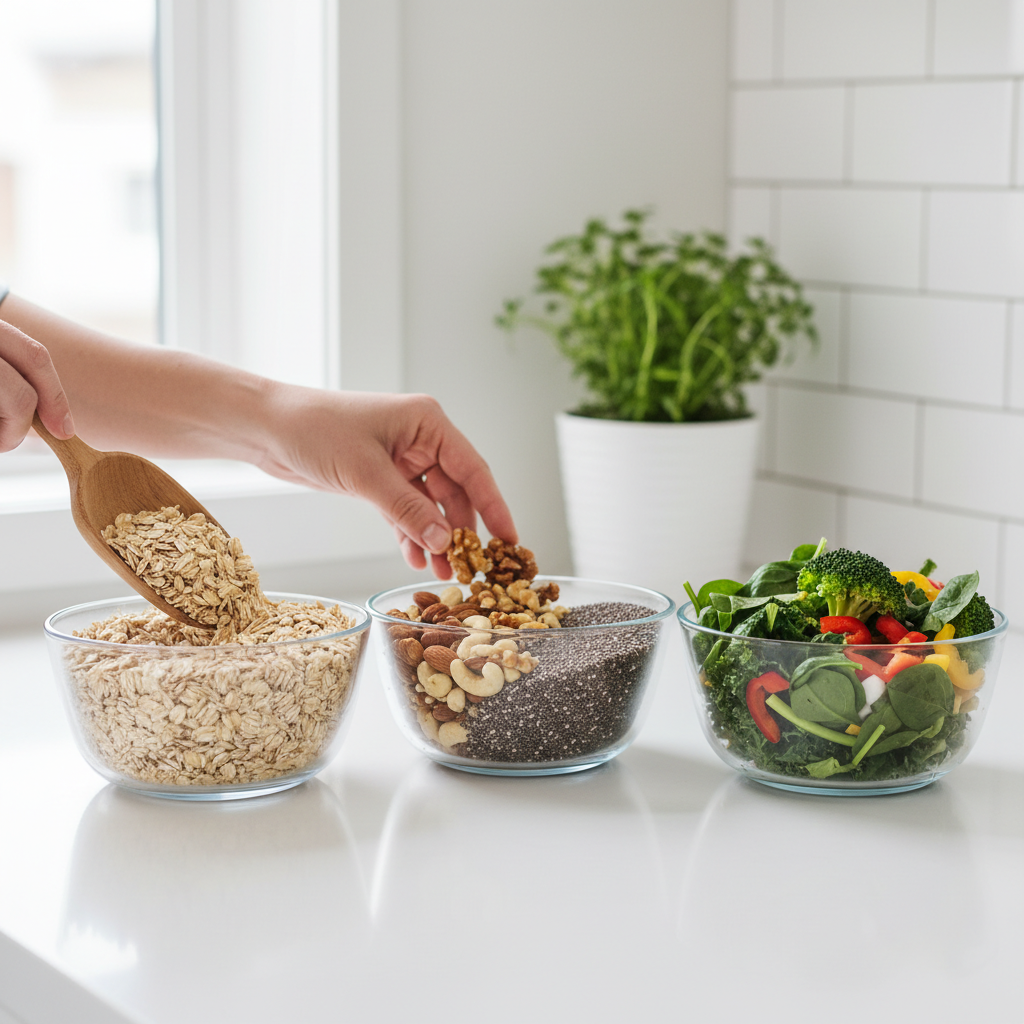
Your gut health affects way more than you might think. Sure, it’s about how comfortable you feel after meals, but it’s also running the show when it comes to absorbing nutrients and keeping your immune system strong. If you’ve been dealing with digestive issues—or just want to avoid them—you’re probably wondering what signs to watch for and what you can actually do about it. Let’s walk through the red flags that suggest your digestion might need some attention, plus the practical changes that can make a real difference. We’ll also cover when it’s time to get serious about treatment and how to keep your gut happy for the long haul.
Common Signs of Poor Digestion and Their Implications
Here’s the thing about digestive symptoms—most of us brush them off as “just one of those things.” That bloating after lunch? The occasional heartburn? The unpredictable bathroom schedule? We tend to normalize these issues, but your body is actually trying to tell you something important. Spotting these warning signs early can save you from bigger problems down the road, and honestly, life’s too short to spend it uncomfortable. If you want to understand how what you eat affects everything else, our guide on the importance of dietary fiber for your health breaks down one of the biggest game-changers for digestion.
When your digestion isn’t working right, you’re not just dealing with discomfort—you’re potentially missing out on the nutrients your body needs to function. Low energy, frequent illness, and organs that can’t do their job properly? Yeah, that can all trace back to poor nutrient absorption. If you’re dealing with ongoing digestive drama, it might be time to explore treatment options and figure out when to call in the professionals. And while you’re at it, learning about foods rich in antioxidants can give your digestive tract some extra support by fighting inflammation and helping with cellular repair.
Symptoms to Watch For
Let’s get specific about what poor digestion actually looks like. These are the symptoms worth paying attention to:
- Bloating and Gas: If you’re feeling like a balloon after meals or dealing with embarrassing gas, your gut might be struggling with food movement or certain ingredients. The good news? This is usually fixable with some dietary detective work.
- Constipation or Diarrhea: When your bathroom habits become unpredictable, it’s often your body’s way of saying something’s off balance. Could be your diet, stress levels, or something more serious that needs checking out.
- Stomach Pain or Cramps: Occasional tummy trouble happens to everyone, but persistent or severe pain isn’t normal. It could signal inflammation, infection, or conditions like ulcers that need professional attention.
- Heartburn or Acid Reflux: That burning sensation creeping up your throat? It’s not just uncomfortable—repeated acid reflux can actually damage your esophagus over time. This one definitely warrants some lifestyle changes or medical intervention.
Catching these symptoms early puts you in the driver’s seat. Once you know what to look for, you can start making changes before small problems become big ones. Now, let’s talk about what you can actually do to get your digestion back on track.
Lifestyle Changes to Support Healthy Digestion
Good news: you don’t need a complete life overhaul to see real improvements in your digestive health. Some relatively simple tweaks to how you eat, move, and structure your day can make a world of difference. Your gut loves consistency and balance, which is exactly what our healthy nutrition plan delivers with practical meal ideas packed with fiber, vitamins, and antioxidants that your digestive system craves.
And here’s something interesting—getting your body moving doesn’t just help your heart and muscles. Regular exercise actually gets your intestines moving too, which can solve a lot of digestive complaints. Plus, it’s a fantastic stress-buster, and trust me, your gut feels stress just as much as your mind does. Timing matters too—eating at regular intervals and avoiding those late-night snack sessions can help your digestive system get into a healthy rhythm. If you’re curious about how plant-based eating can boost your overall health (including digestion), check out our insights on the benefits of plant-based eating.
Dietary Tips
What you put on your plate matters more than you might realize. Here’s how to eat in a way that supports your gut:
- Eat High-Fiber Foods: Think of fiber as your gut’s best friend. It keeps things moving, feeds the good bacteria in your digestive tract, and prevents that backed-up feeling. Load up on whole grains, fruits, vegetables, and legumes.
- Stay Hydrated: Water isn’t just for quenching thirst—it’s actually crucial for breaking down food and keeping everything flowing smoothly through your system. Your gut’s lining needs it too.
- Limit Processed and Fatty Foods: These are like speed bumps for your digestion. They slow everything down and can trigger inflammation. Stick with real, minimally processed foods whenever possible.
Exercise and Daily Habits
Beyond what’s on your plate, these daily practices can transform how your digestive system functions:
- Engage in Regular Physical Activity: You don’t need to become a gym warrior—even a daily walk, some swimming, or gentle yoga can get your digestive system moving and reduce uncomfortable symptoms like bloating.
- Maintain Consistent Meal Times: Your body loves routine, especially your digestive system. When you eat at roughly the same times each day, your gut gets better at producing the right enzymes at the right times.
- Avoid Eating Late at Night: That late-night snack might be tempting, but lying down soon after eating is a recipe for heartburn and poor digestion. Try to wrap up eating at least 2-3 hours before hitting the pillow.
The beautiful thing about these changes is that they build on each other. Start with one or two that feel manageable, and gradually add more as they become second nature. Your digestive system will thank you, and you’ll likely notice improvements in energy, mood, and overall well-being too. Combined with smart treatment approaches when needed and solid preventive habits, you’ll have everything you need to keep your gut healthy for years to come.

Here’s the thing about digestion—when it’s working well, you barely think about it. But when it’s not? Everything feels off. Your energy tanks, your stomach rebels, and suddenly that afternoon slump hits harder than ever. The truth is, how well you digest food affects pretty much everything: nutrient absorption, energy levels, even your immune system. Those telltale signs—bloating that makes your jeans tight, gas at the worst possible moments, bowel movements that follow no schedule, stomach pain, acid reflux—they’re all your gut’s way of waving a red flag. And recognizing them early? That’s your ticket to turning things around.
Your digestive system is surprisingly simple in what it wants: consistency, balance, and a little TLC. Picture those trillions of gut bacteria as tiny roommates who thrive when you treat them right. Feed them fiber from whole grains, fruits, and vegetables, and they’ll keep things moving smoothly while crowding out the troublemakers. Stay hydrated (your gut loves this), and cut back on processed junk that sparks inflammation. Here’s something interesting—eating at regular times and avoiding late-night snacking helps your digestive system find its rhythm. It’s like setting a sleep schedule for your gut. And that daily walk you keep meaning to take? Think of it as a gentle internal massage that gets everything flowing better.
Ready to take charge of your digestive health? Start with what’s on your plate. A solid healthy nutrition plan doesn’t have to be complicated—just balanced and sustainable. Want one game-changer? Boost your fiber intake. Seriously, understanding the importance of dietary fiber might be the best thing you do for your gut this year. If you’re curious about mixing things up, our guide to plant-based protein sources shows you how to add variety while supporting digestion. And here’s a cozy bonus—herbal teas aren’t just comforting; they can actually help your digestive system relax and reset. Check out the benefits of drinking herbal tea to see which ones might become your new evening ritual.
Building a strong digestive system isn’t about perfection—it’s about progress. Small, consistent changes beat dramatic overhauls every time. Stay hydrated. Load up on fiber and antioxidants. Move your body regularly (even a 10-minute walk counts). Most importantly, listen to what your gut is telling you and adjust accordingly. When your digestion is humming along nicely, you’ll notice the difference everywhere: clearer thinking, steady energy, better mood. Your gut health truly is the foundation of feeling great, and with the right approach, you can get there and stay there.
Frequently Asked Questions
-
What foods help improve digestion?
- High-fiber foods like fruits, vegetables, legumes, and whole grains support digestion by promoting regular bowel movements and feeding beneficial gut bacteria.
-
Can stress affect digestion?
- Yes, stress can disrupt digestive function by impacting gut motility, increasing inflammation, and altering the balance of gut bacteria, which can worsen symptoms.
-
When should I see a doctor for digestive issues?
- If you experience persistent symptoms like severe pain, bleeding, unexplained weight loss, or symptoms lasting more than a few weeks, consult a healthcare professional promptly.