Table of Contents
Introduction
Ever notice how nutritionists get genuinely excited when they talk about nuts and seeds? There’s a good reason for that enthusiasm. These tiny nutritional powerhouses pack an incredible punch—we’re talking essential nutrients that can seriously level up your health game. And here’s the best part: adding the right mix to your meals isn’t just beneficial, it’s actually pretty enjoyable. Whether you’re already crushing your wellness goals or just starting to figure out this whole healthy eating thing, understanding what makes these natural gems so special might just change how you think about food.
Here’s what makes nuts and seeds so remarkable—they’re basically nature’s multivitamins with a crunch. You get healthy fats (including those omega-3s everyone talks about), quality protein for muscle repair, and a whole lineup of vitamins and minerals your body actually craves. Athletes especially love this stuff—and if you’re curious about nutrition for athletes, you’ll see why nuts and seeds are total game-changers for energy and recovery. Plus, they’re loaded with antioxidants that fight off oxidative stress. (Think of antioxidants as your body’s cleanup crew.) You can learn more about this in our deep dive on foods rich in antioxidants.
Now, if you’re wondering how to actually make this work in real life, crafting a healthy nutrition plan that includes nuts and seeds can actually simplify your eating routine while maximizing what you get out of every bite. It’s not just about physical health either—your brain loves this stuff too. There’s fascinating research on nutrition and mental health that shows just how connected your food choices are to how you feel mentally. And when you combine this with the broader benefits of a balanced diet and maybe some relaxing herbal tea, you’ve got yourself a pretty solid wellness routine.
The science is pretty convincing here. Regular nut and seed consumption does some amazing things: it supports heart health by tackling cholesterol and inflammation, helps with weight management (they keep you satisfied longer), and gives your brain and skin the nutrients they need to thrive. These aren’t just nice-to-have benefits—they’re compelling reasons to get creative with how you eat these foods. From grabbing a handful as a snack to blending them into smoothies, there are endless ways to enjoy what they offer. And if you’re into meal planning (which, honestly, makes everything easier), you can strategically include nuts and seeds in meals that work for your taste buds and dietary needs.
What You’ll Learn in This Guide
Ready to become a nuts and seeds expert? Here’s exactly what we’re going to cover:
- Understanding the Basics: We’ll break down why nuts and seeds deserve a spot in your kitchen, exploring the essential nutrients that make them such effective fuel for your body and mind.
- Health Benefits Explained: You’ll discover how these foods support your heart, help with weight management, boost brain function, and keep your skin looking great—all backed by solid research.
- Practical Incorporation Tips: Get ready for creative, simple ways to work nuts and seeds into your daily routine, making healthy eating both delicious and doable.
- Risks and Considerations: We’ll cover the important stuff like allergies, portion sizes, and digestive considerations so you can enjoy these nutrient powerhouses safely and smartly.
Coming up, we’re going to get specific about the nutritional breakdown of different nuts and seeds—think healthy fats, proteins, vitamins, and minerals that actually matter. We’ll also explore particular health benefits, like how they work to reduce cholesterol and keep your appetite in check. If you love getting creative in the kitchen, you’re going to enjoy our practical advice for incorporating these ingredients into everything from breakfast to dinner (and snacks in between). Before we jump into all that detail, you might want to check out our guide on plant-based protein sources—nuts and seeds pair beautifully with other plant proteins for well-rounded nutrition.
By the time you finish reading this, you’ll have the knowledge to make smart choices about adding these nourishing foods to your life and actually enjoy all the benefits they offer. You’ll walk away feeling inspired and equipped to take real steps toward better nutrition using the natural goodness of nuts and seeds. Your future self (and your taste buds) will thank you. Let’s dive in and discover what these remarkable foods can do for you!
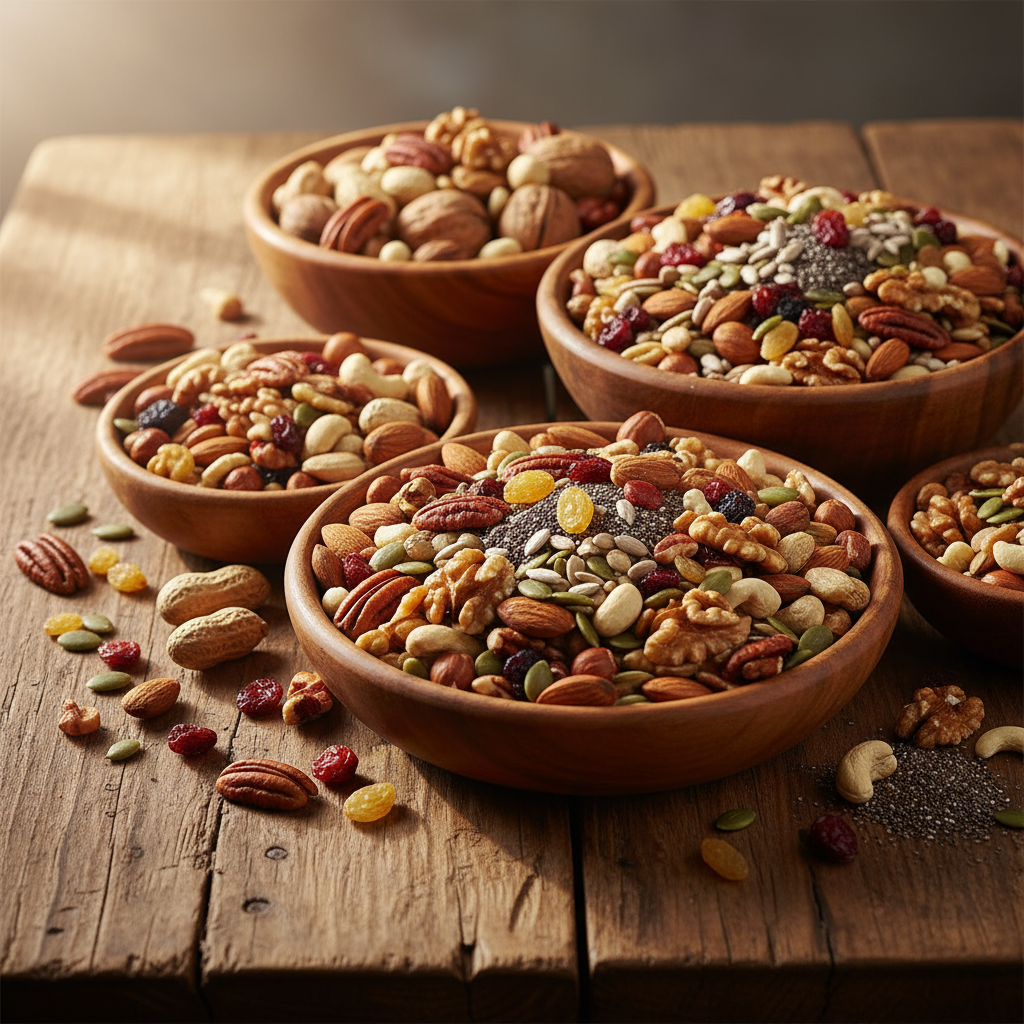
Here’s something you probably already know: nuts and seeds are good for you. But here’s what might surprise you—they’re actually nutritional superstars that can transform your health in ways you might not expect. Think about it: these small but mighty foods pack more nutrients per bite than most other snacks you’ll find. They’re loaded with heart-healthy fats, brain-boosting vitamins, and minerals your body craves. And the best part? They actually taste great and keep you satisfied. We’re going to dig into what makes nuts and seeds so special, explore the real health benefits (backed by solid science), and share some practical tips on how to work them into your daily routine without overthinking it.
Nutritional Value of Nuts and Seeds
Let’s talk about why nutrition experts get so excited about nuts and seeds. These foods are basically nature’s multivitamins—packed with everything your body needs to thrive. Take the fats, for example. We’re talking about the good stuff here: omega-3 fatty acids and monounsaturated fats that actually help fight inflammation and keep your heart happy. The protein? Perfect for building and repairing muscle, whether you’re hitting the gym or just trying to stay strong as you age.
But wait—there’s more. (I know, I know, sounds like an infomercial, but stick with me.) You’re also getting vitamin E, which acts like a bodyguard for your cells, plus B vitamins that keep your energy levels steady throughout the day. Then there are the minerals: magnesium for your muscles and nerves, zinc for your immune system, and selenium for your thyroid. It’s pretty amazing when you think about it. All these nutrients working together? That’s what makes nuts and seeds so much more than just a snack. If you want to learn more about another important nutrient that many nuts and seeds provide, check out the importance of dietary fiber for your digestive health.
Key Nutrients in Nuts and Seeds
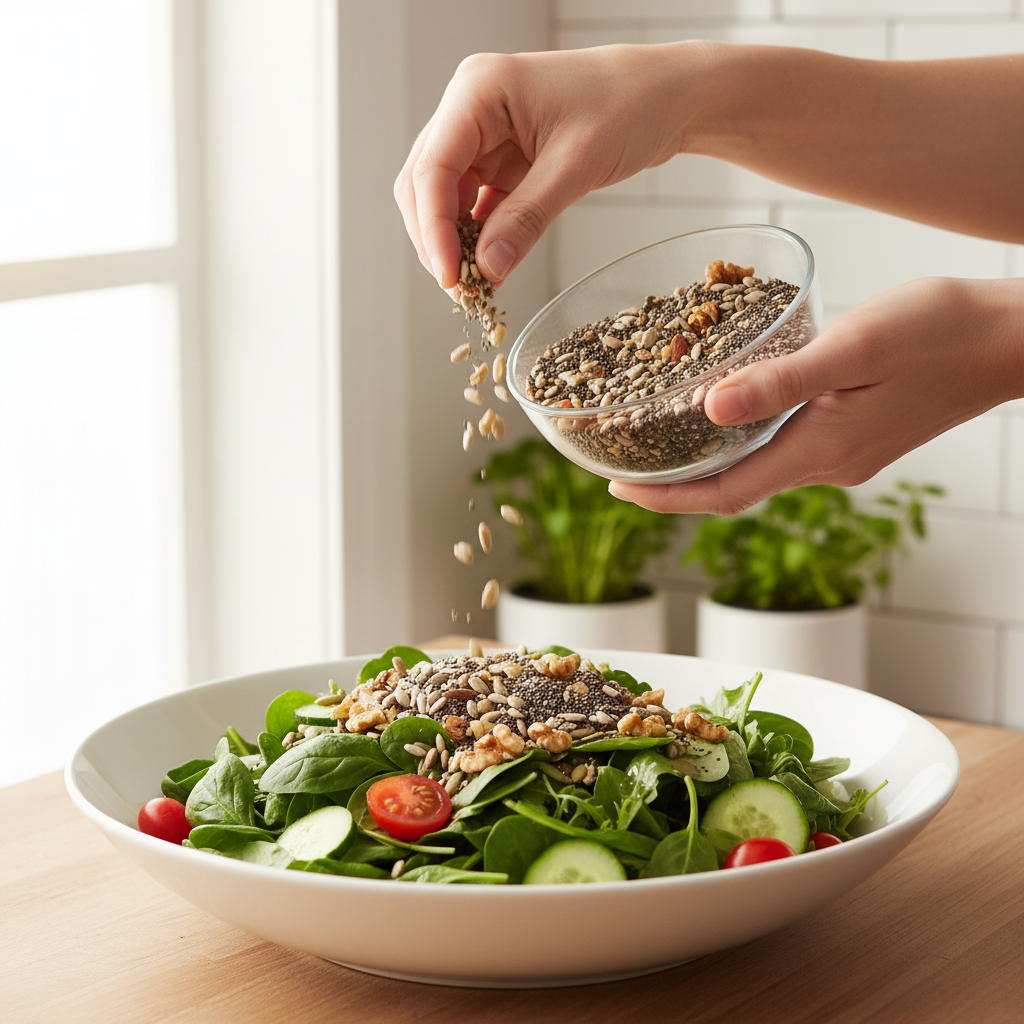
So what exactly are you getting when you grab a handful of nuts or sprinkle some seeds on your salad? Let’s break down the nutritional powerhouses:
- Healthy Fats (Omega-3 and Monounsaturated Fats): These are the fats your heart loves. They help lower the bad cholesterol, calm inflammation, and keep your brain sharp. Walnuts and flaxseeds are especially rich in omega-3s—think of them as brain food.
- Protein Content for Muscle Health and Repair: Whether you’re recovering from a workout or just maintaining muscle as you get older, the plant-based protein in nuts and seeds has your back. It’s complete, it’s clean, and it works.
- Vitamins Like E and B-Complex: Vitamin E is like a shield for your cells, protecting them from damage. The B vitamins? They’re your energy crew, helping convert food into fuel and keeping your nervous system running smoothly.
- Minerals Such as Magnesium, Zinc, and Selenium: These might sound boring, but they’re crucial. Magnesium keeps your muscles and nerves functioning, zinc boosts your immune system, and selenium acts as an antioxidant superhero.
Now that you know what’s inside these nutritional packages, let’s explore how all these nutrients actually benefit your health in the real world.
Health Benefits
Here’s where things get really interesting. Eating nuts and seeds regularly isn’t just about checking off a nutrition box—it’s about making a real difference in how you feel and function. Research shows that people who include these foods in their diet tend to have better heart health, easier weight management, and sharper minds. The science is pretty convincing too.
Now, you might be thinking: “But aren’t nuts high in calories?” Fair question. Yes, they are calorie-dense, but here’s the thing—they’re so satisfying that you actually end up eating less overall. The combination of protein, fiber, and healthy fats keeps you full longer and helps curb those between-meal cravings. Plus, the benefits go way beyond just weight management. We’re talking about better brain function, healthier skin and hair, and overall vitality. Speaking of brain benefits, you might want to explore more about foods that boost brain function to see how nutrition affects your mental sharpness.
Heart Health
Your heart will thank you for eating more nuts and seeds. These foods tackle heart disease from multiple angles—they help balance your cholesterol levels and fight the inflammation that can damage your blood vessels. Almonds and chia seeds, for instance, have been studied extensively for their cardiovascular benefits.
- Reduction in Cholesterol Levels: Regular nut and seed consumption can lower your LDL (the “bad” cholesterol) while boosting HDL (the “good” kind). It’s like giving your cardiovascular system a tune-up.
- Anti-inflammatory Properties: The omega-3s and antioxidants in these foods help calm chronic inflammation—which is often a silent contributor to heart disease and other health problems.
Weight Management
This might seem counterintuitive, but despite being calorie-rich, nuts and seeds can actually help you maintain a healthy weight. It all comes down to satisfaction and smart nutrition.
- Satiety and Appetite Control: That winning combination of protein, fiber, and healthy fats keeps you feeling full and satisfied. You’re less likely to reach for those empty-calorie snacks when you’re genuinely satisfied.
- Energy-Dense but Nutritious: Yes, they pack calories, but they also pack nutrition. You’re getting essential nutrients that support your metabolism and muscle maintenance—not just empty calories.
Other Benefits
The benefits don’t stop at your heart and waistline. Nuts and seeds support your brain and even help you look better too.
- Improved Brain Function: Those omega-3s, vitamin E, and B vitamins don’t just support your heart—they’re also feeding your brain. Better memory, sharper focus, and protection against age-related cognitive decline? Yes, please.
- Skin and Hair Health Support: The antioxidants and essential fatty acids work from the inside out, nourishing your skin cells and strengthening your hair. It’s like a beauty treatment you can eat.

Here’s the thing about nuts and seeds—they’re basically nature’s multivitamins. Packed with heart-healthy fats like omega-3s and monounsaturated fats, plus quality plant-based protein, they do so much more than just satisfy your snack cravings. They’re actually working behind the scenes to repair your muscles and keep your brain sharp. The vitamin E and B-complex vitamins? They’re protecting your cells and keeping your energy levels steady. Meanwhile, minerals like magnesium, zinc, and selenium are busy supporting your immune system and fighting off free radicals. And here’s a bonus: eating them regularly can actually help lower your bad cholesterol and reduce inflammation—two major players in heart disease prevention.
But wait, there’s more. (I know, I sound like an infomercial, but stick with me.) Nuts and seeds are actually your secret weapon for weight management. Their perfect combo of protein, healthy fats, and fiber keeps you feeling full longer, so you’re not constantly reaching for snacks. Plus, they support brain function—helping with memory and focus—and even give your skin and hair a healthy glow thanks to all those antioxidants. Just remember: allergies are real, and portion control matters. A little goes a long way when it comes to calories.
The best part? Adding nuts and seeds to your daily routine is ridiculously easy. Toss them on salads, blend them into smoothies, or just grab a handful as a snack—roasted or raw, they’re always delicious. Want to take your nutrition game to the next level? Check out our guide on a healthy nutrition plan for practical strategies to build meals that actually nourish your body. If you’re into fitness, our article on nutrition for athletes dives into how food can boost your performance and recovery. Don’t sleep on fiber either—our piece on the importance of dietary fiber explains why your gut health matters more than you think. And if you’ve ever wondered how what you eat affects your mood and mental clarity, our guide on nutrition and mental health is eye-opening. For the big picture, explore what makes a truly balanced diet and how all the pieces fit together.
Look, adding more nuts and seeds to your meals isn’t just smart—it’s delicious and surprisingly simple. These little nutritional powerhouses give you sustained energy, better heart health, and sharper mental focus. Whether you’re a health enthusiast, an athlete, or just someone who wants to feel better day-to-day, nuts and seeds have your back. So go ahead—experiment with different varieties, practice mindful eating, and enjoy discovering new ways to work them into your favorite dishes. Your body (and your taste buds) will definitely thank you.
Frequently Asked Questions
-
Are nuts or seeds better for health?
- Both nuts and seeds offer unique health benefits. Combining them provides a balanced mix of essential nutrients, making them a powerful duo for overall wellness.
-
How many nuts and seeds should I eat daily?
- A small handful, about one ounce, is generally recommended to enjoy their benefits without excess calorie intake. Portion control is key to balance intake effectively.
-
Can eating nuts and seeds help with heart disease?
- Yes, the healthy fats and antioxidants in nuts and seeds help reduce inflammation and lower bad cholesterol, supporting heart health and reducing disease risk.
-
Are there any risks to eating nuts and seeds?
- Allergies to nuts and seeds are common, so it’s important to be cautious. Overconsumption can also lead to excess calorie intake, so moderation is essential.