
Table of Contents
Introduction
Fat gets a bad rap these days. But here’s something that might surprise you: certain fats can actually be your health’s best friend. Omega 9 fatty acids are one of those good guys—and they’re probably already hiding in your kitchen right now. Think olive oil, avocados, those almonds you snack on. These aren’t just tasty additions to your meals; they’re nutritional powerhouses that your body actually craves.
So what makes omega 9s special? They’re monounsaturated fats that show up naturally in some pretty delicious foods. Scientists have been studying these fats for years, and the results keep getting better. We’re talking improved heart health, less inflammation, better metabolism—the whole package. And here’s the thing: learning about benefits of nuts and seeds gives you a great starting point since they’re packed with omega 9s. For anyone worried about heart disease or dealing with inflammation (and let’s face it, who isn’t these days?), omega 9 fats offer real hope.
Now, you’ve probably heard about omega 3 and omega 6 fatty acids—they get most of the attention. But omega 9s? They’re like the reliable middle child that deserves way more credit. When you balance all three types, amazing things happen to your brain and skin health. Want the full picture? Check out the benefits of omega-3 fatty acids too. It’s all connected—your body works best when you feed it a variety of these healthy fats, not just one type.
The practical side matters just as much as the science. You need to know which foods to reach for and how much to eat. That’s where understanding nutrition facts about avocados becomes really helpful—they’re one of nature’s best omega 9 sources, and they taste incredible. But (and this is important) you should know about potential side effects and when to check with your doctor, especially if you’re thinking about supplements. Smart nutrition means being informed, not just enthusiastic.
What You’ll Learn in This Guide
Ready to become an omega 9 expert? Here’s exactly what we’re going to cover together:
- Understanding the Basics: We’ll break down what omega 9s actually are, where to find them (spoiler: your grocery store has tons), and why your body loves them so much. No chemistry degree required—just straight talk about these beneficial fats.
- Health Benefits: This is where it gets exciting. We’ll explore the real research on how omega 9s protect your heart, fight inflammation, and keep your metabolism humming. Plus, you’ll learn how they tackle bad cholesterol and help regulate blood sugar.
- Incorporation Tips: Theory is great, but you need practical advice. We’ll show you simple ways to get more omega 9s into your daily routine—from cooking techniques to smart snacking choices that actually taste good.
- Safety and Considerations: Knowledge is power, especially when it comes to potential side effects and drug interactions. We’ll cover when to be cautious and why chatting with your healthcare provider is always a smart move.
By the time you finish reading, omega 9 fatty acids will feel like old friends rather than mysterious nutrients. We’ll also point you toward related topics like the importance of dietary fiber—because great nutrition is about how everything works together, not isolated nutrients fighting solo battles.
You’re going to walk away with actual, actionable knowledge. No fluff, no overwhelming science jargon—just clear information that helps you make better food choices. Whether you’re completely new to fatty acids or you’re ready to level up your nutrition game, we’ve got you covered.
Your heart will thank you. Your inflammation levels will improve. Your metabolism will work more efficiently. We’re talking about food sources, supplement options, and everything in between. Most importantly, you’ll know how to add these powerful fats to your diet safely and deliciously. Let’s get started.
Here’s something you might not know: while everyone talks about omega-3s and omega-6s, there’s another fatty acid that deserves your attention. Meet omega 9 fatty acids—the unsung heroes of heart health. These monounsaturated fats work differently than their more famous cousins, but they’re just as powerful when it comes to keeping your cardiovascular system running smoothly. They’re particularly good at managing cholesterol levels and fighting inflammation (two things your body definitely appreciates). Let’s talk about why omega 9s matter and how you can easily work them into your daily routine.
The Health Benefits of Omega 9 Fatty Acids
So what exactly can omega 9s do for you? Well, quite a lot actually. Your heart will thank you first—these fatty acids are remarkably effective at lowering LDL cholesterol, the kind that likes to build up in your arteries and cause problems. But they don’t stop there. Omega 9s also help your blood vessels function better, which means better circulation and less strain on your heart. Think of them as your cardiovascular system’s personal maintenance crew. If you’re looking to build a heart-healthy eating plan, checking out healthy nutrition plans can give you the bigger picture.
Now here’s where things get interesting. Omega 9s don’t just help your heart—they’re also inflammation fighters. And that matters more than you might think. Chronic inflammation is like having a low-grade fire burning in your body, contributing to everything from autoimmune issues to metabolic problems. Omega 9s help put out that fire. They also play a role in keeping your blood sugar stable, which is great news if you’re dealing with diabetes or just trying to avoid those afternoon energy crashes. Plus, they support healthy weight management by helping your body process fats more efficiently. It’s like getting multiple health benefits rolled into one nutrient.
Key Aspects of Omega 9 Fatty Acid Benefits
Let’s break down the main ways omega 9s can boost your health. Here’s what the research shows:
- Cardiovascular Protection: Omega 9s help lower LDL cholesterol and raise HDL cholesterol, improving lipid profiles which prevent plaque formation and support vascular health. This effect leads to a reduced incidence of heart attacks and strokes, contributing to sustained heart function.
- Anti-inflammatory Properties: These fatty acids suppress inflammatory markers in the body, helping to minimize chronic inflammation. This is vital in reducing the risk and severity of inflammatory diseases and boosting immune system resilience.
- Metabolic Balance: By assisting in regulating blood sugar and insulin sensitivity, omega 9s support energy balance and weight control. This is beneficial for people with metabolic syndrome or those seeking to maintain healthy body composition.
- Improved Vascular Function: Omega 9 fatty acids enhance endothelial function, leading to better blood flow and reduced blood pressure. Enhanced circulation promotes tissue health and reduces the burden on the heart.
Sounds pretty good, right? But here’s the practical question: how do you actually get more omega 9s into your life? The good news is it’s easier than you might think, and a lot more delicious than taking another pill.
Incorporating Omega 9 Into Your Diet
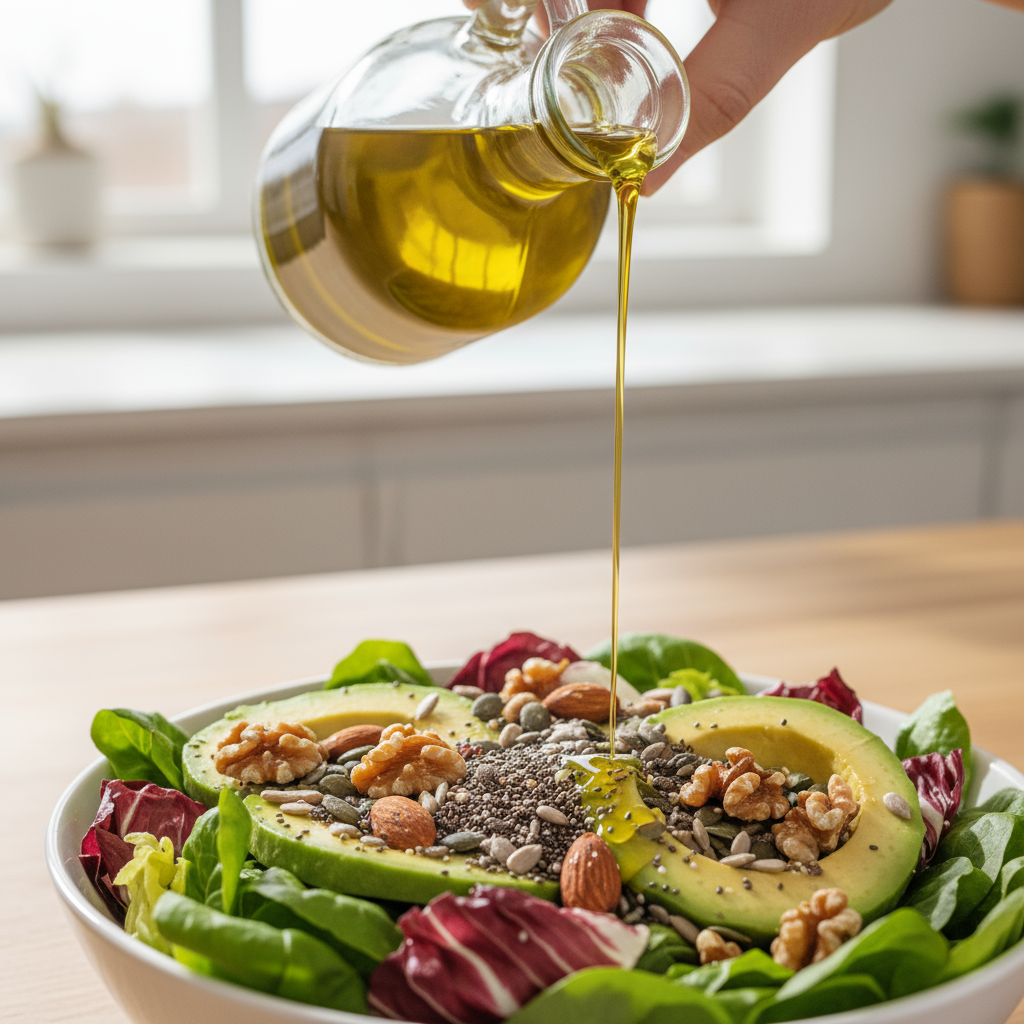
Ready for some good news? Getting omega 9s into your diet doesn’t require a complete lifestyle overhaul. Some of the best sources are foods you probably already enjoy—or could easily learn to love. Olive oil tops the list (hello, Mediterranean diet), along with avocados and various nuts and seeds. These aren’t just healthy; they’re genuinely tasty and versatile. You can drizzle olive oil on salads, mash avocados into guacamole, or grab a handful of nuts for an afternoon snack. For the full scoop on maximizing these foods, diving into topics like nutrition facts about avocados and the benefits of nuts and seeds can really open your eyes to what you’re getting.
Now, what about supplements? They’re definitely an option, especially if you have dietary restrictions or your doctor recommends higher doses for specific health reasons. Omega 9 capsules are widely available and can be helpful for maintaining optimal fatty acid balance. But here’s the thing—always check with your healthcare provider before starting any new supplement. They can help you figure out what makes sense for your situation and make sure there won’t be any issues with medications you’re already taking. It’s just smart medicine.
Key Aspects of Incorporating Omega 9
Want to make omega 9s a regular part of your routine? Here are some practical strategies that actually work:
- Use Olive Oil in Cooking: Olive oil is a rich, flavorful source of omega 9 and can replace less healthy fats in cooking and salad dressings. Its high smoke point makes it suitable for various cooking methods, ensuring you enjoy its benefits safely.
- Add Avocados to Meals: Incorporate avocados in salads, sandwiches, or as spreads. Their creamy texture and nutrient profile add richness and essential fatty acids without saturated fat overload.
- Snack on Nuts and Seeds: A handful of walnuts, almonds, or sunflower seeds makes an excellent snack that supplies omega 9 while providing protein, fiber, and antioxidants for a balanced diet.
- Consider Omega 9 Supplements: If dietary intake is insufficient, omega 9 capsules provide a concentrated source. Always consult healthcare professionals to tailor supplementation safely based on your health status.

Here’s what makes omega 9 fatty acids so remarkable—they’re like a Swiss Army knife for your health. These monounsaturated fats are absolute champions when it comes to supporting your cardiovascular system. They work hard to lower that pesky LDL cholesterol (you know, the “bad” stuff) while giving your blood vessels the support they need to function at their best. Think of it this way: your heart gets to work smarter, not harder, which naturally cuts down your risk of heart disease and all the complications that come with it.
But wait—there’s so much more to the story. Omega 9s are also inflammation fighters, and trust me, that’s huge. Chronic inflammation is like that annoying background noise you don’t notice until it’s gone—it quietly contributes to everything from autoimmune issues to metabolic problems. When omega 9s help calm that inflammation down, your immune system finds its balance again, and your whole body just feels more resilient. Plus, they’re fantastic for metabolic support. We’re talking better blood sugar regulation and genuine help with weight management. Stable blood sugar means steady energy, better appetite control, and a much lower risk of developing diabetes.
The best part? Getting more omega 9s into your life is actually delicious. Olive oil, avocados, nuts, seeds—these aren’t just omega 9 powerhouses, they’re also packed with fiber, vitamins, and antioxidants that boost your health even further. If you’re thinking about supplements (and some people do need that extra support), just make sure you chat with your healthcare provider first. They’ll help you figure out what’s right for your specific situation and make sure everything stays safe and effective.
Now, let’s be real about potential downsides. Some folks might experience allergic reactions or digestive upset—it happens. And if you’re pregnant, breastfeeding, or taking blood-thinning medications, definitely touch base with your doctor before making big changes to your omega 9 intake. This isn’t about being overly cautious; it’s about being smart with your health choices.
Ready to put this knowledge into action? (I hope so, because this is where the magic happens.) Start by checking out our healthy nutrition plan—it’s packed with balanced meal ideas that make incorporating omega 9-rich foods feel effortless. Want to become an avocado expert? Our detailed guide on nutrition facts about avocados will show you just how versatile and beneficial this green superfood really is. And don’t sleep on nuts and seeds—they make perfect snacks and meal additions. Learn all about their benefits in our article on the benefits of nuts and seeds. For the bigger picture on metabolic health, you’ll love our guide on how to improve insulin sensitivity—it pairs perfectly with omega 9 intake for balanced blood sugar and steady energy.
You’ve got the knowledge, you’ve got the tools, and now you’re ready to make omega 9 fatty acids work for you. The benefits are real—heart protection, inflammation reduction, metabolic harmony—and they’re all within reach. Remember, good nutrition isn’t about perfection; it’s about making consistent choices that move you toward better health. Listen to your body, trust the process, and don’t hesitate to get professional guidance when you need it (especially around supplements). By making omega 9s part of your daily routine, you’re not just eating well—you’re investing in a healthier, more vibrant future. Why not start today?
Frequently Asked Questions
-
What foods are high in omega 9 fatty acids?
- Olive oil, avocados, nuts, and seeds are rich sources.
-
Can omega 9 fatty acids help with heart health?
- Yes, they can lower bad cholesterol and improve cardiovascular function.
-
Are omega 9 supplements safe?
- Generally safe, but consult a healthcare provider especially if pregnant or on medication.
-
Do omega 9 fatty acids reduce inflammation?
- They have anti-inflammatory properties that support immune health.
-
How can I add more omega 9 to my diet?
- Incorporate foods like olive oil and avocados or consider supplements.