Table of Contents
Introduction
Here’s something that might surprise you: even if you’re eating all the right foods, your body might not be getting the nutrients it needs. Crazy, right? The culprit is often something we don’t think much about—nutrient absorption. It’s basically how well your digestive system can actually grab those vitamins and minerals from your food and put them to work. When this process works like it should, you’ll notice the difference in your energy levels, immune system, and just how good you feel overall.
Think of nutrient absorption as your body’s way of unlocking the good stuff from your meals. Your digestive system breaks everything down and pulls those essential vitamins, minerals, and other beneficial compounds into your bloodstream where they can actually do their job. But here’s the thing—lots of people struggle with this process without even realizing it. Poor absorption can happen for all sorts of reasons, many of which aren’t obvious at first glance. If you’ve been dealing with constant fatigue, digestive problems, or mysterious nutrient deficiencies (even though you eat well), absorption issues might be the hidden piece of the puzzle. For a solid foundation on building better eating habits that work with your body’s absorption process, checking out a healthy nutrition plan can give you practical insights into balanced meals and mindful eating.
Your gut health is absolutely crucial here. The lining of your digestive tract, your enzymes, and the bacteria living in your gut—they all work together to determine how much nutrition you actually get from your food. When any part of this system gets thrown off (maybe from poor diet choices, illness, or certain medications), your nutrient absorption takes a hit. What’s really interesting is how research keeps showing us the connection between good nutrition and mental health. When your body absorbs nutrients properly, it doesn’t just help your physical health—it supports your brain function and emotional well-being too. Understanding nutrition and mental health can give you a more complete picture of why absorption matters so much.
Now, here’s where it gets practical—what you eat together and when you eat it can make a huge difference. Take iron, for example. Pair it with vitamin C (think spinach with some orange slices), and your body absorbs way more iron. But eat it with coffee or tea? Those tannins will block a good chunk of that iron from getting through. Small changes like this can have a surprisingly big impact on how much nutrition you’re actually getting. And don’t forget about staying hydrated—water isn’t just for quenching thirst. It helps transport nutrients and keeps those digestive enzymes working properly. If you want to dive deeper into how hydration supports your overall health, learning about the benefits of drinking water offers some eye-opening insights.
Beyond what’s on your plate, your lifestyle plays a bigger role than you might expect. Stress is a real absorption killer—it messes with how your gut functions and can actually reduce enzyme production or throw off your gut bacteria balance. Regular exercise, on the other hand, gives your metabolism a boost and helps things move through your digestive system more efficiently. Even something as simple as managing stress better can make a noticeable difference in how well your body processes nutrients. Speaking of stress management, exploring the benefits of drinking herbal tea can be a gentle way to support both digestive wellness and stress reduction.
What You’ll Learn in This Guide
We’re going to walk through everything you need to know about nutrient absorption and share practical strategies to help your body make the most of every meal. These aren’t complicated changes—just smart adjustments that can make a real difference in how you feel.
- Understanding Nutrient Absorption: We’ll break down what absorption actually is and why it’s so important for your energy and overall health. You’ll learn about the digestive processes and common roadblocks that might be getting in your way.
- Factors Affecting Absorption: We’ll explore everything that can either help or hurt your nutrient uptake—from biological factors to environmental influences, dietary choices, and lifestyle habits.
- Dietary Habits to Boost Absorption: You’ll get practical tips for meal planning, smart food combinations, and choosing nutrient-dense options that your body can actually use effectively.
- Lifestyle Changes for Support: We’ll cover the lifestyle tweaks—better hydration, stress management, and exercise—that naturally improve your digestive health and nutrient utilization.
As we go deeper into each topic, we’ll give you actionable advice backed by solid science and expert recommendations. Many people also find it helpful to learn about foods rich in antioxidants, which support both digestion and cellular health—another piece of the nutrient utilization puzzle.
By the time you finish reading, you’ll have a clear roadmap for improving your nutrient absorption and getting more out of every bite. Whether you’re trying to address specific deficiencies or just want to optimize how you feel day-to-day, these strategies are practical and sustainable. Before you start making bigger dietary changes, though, it’s worth getting your meal planning basics down. These meal planning tips can help you put everything into practice more effectively.
Ready to finally get the most out of your healthy eating efforts? Let’s dig into how your body actually processes nutrients and the simple strategies that can transform how you feel every day. With the right approach, you can nourish your body more effectively and actually feel the difference—and that’s what makes all of this worth it.
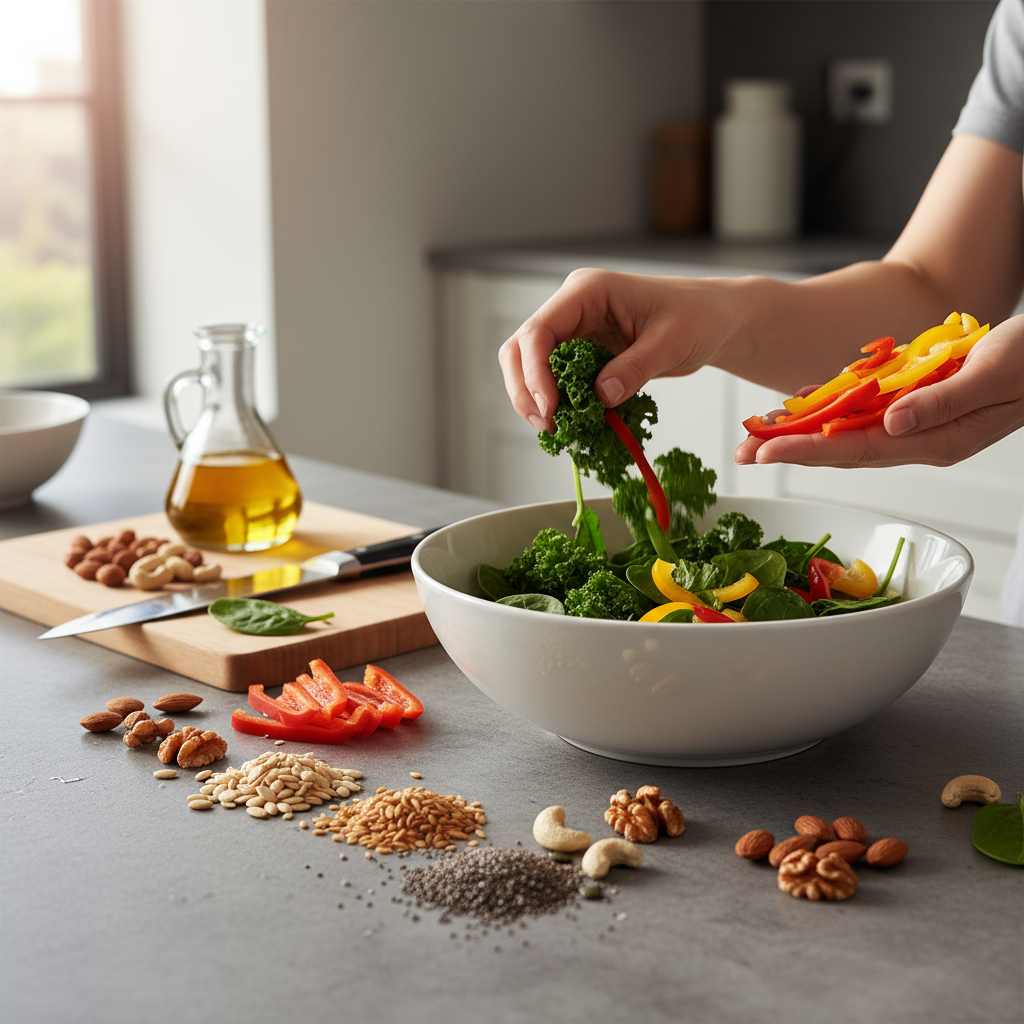
So we’ve covered why nutrient absorption matters for your health. Now let’s dig into the real stuff—what actually affects how well your body soaks up those nutrients, and more importantly, what you can do about it. Because here’s the thing: you could be eating the healthiest foods on the planet, but if your body isn’t absorbing them properly, you’re missing out big time. Let’s break down the main players that influence nutrient uptake and explore some practical strategies that actually work for better digestion and nutrient use.
Key Factors Affecting Nutrient Absorption
Your body’s ability to absorb nutrients? It’s more complicated than you might think. Think of your digestive system like a high-performance machine—it needs to break down food, pump out the right enzymes, and keep your gut bacteria happy. All at the same time. When any part of this system gets thrown off, your nutrient absorption takes a hit. And that can lead to deficiencies that mess with your energy, mood, and overall health. Want to really understand how this works? Check out digestive health and improving digestion for some eye-opening insights.
But wait—there’s more to the story. The foods you eat together can either help or hurt each other’s absorption. It’s like having teammates that either support each other or compete for the same resources. Plus, if you’re taking medications or dealing with certain health issues, they might be throwing a wrench in your absorption process without you even knowing it. Once you understand these pieces of the puzzle, you can start making smarter choices to support your body’s nutrient absorption.
Digestive Health, Food Interactions, and Medical Influences
Here’s what you need to know about the major factors at play:
- Digestive Health Essentials: Your gut needs three things working smoothly: a healthy gut lining, enough digestive enzymes, and a balanced mix of gut bacteria. When chronic inflammation or bacterial imbalances mess with any of these, nutrient absorption suffers. The good news? You can support gut health through your diet and lifestyle choices.
- Impact of Food Combinations: Some nutrients are natural teammates—like vitamin C helping your body absorb iron better. Others? Not so much. Compounds like phytates in grains can actually block mineral absorption. Being smart about what you eat together can make a huge difference in how much nutrition you actually get from your meals.
- Medications and Health Conditions: This one’s important. Common medications like antacids and antibiotics can interfere with absorption. Same goes for conditions like celiac disease or Crohn’s disease—they can damage your intestinal lining or change your gut environment. If you’re dealing with either, definitely talk to your healthcare provider about managing these effects.
- Age and Genetic Factors: As we get older, our bodies naturally produce fewer digestive enzymes and our intestines become less efficient at absorption. Your genes also play a role in how well you absorb certain nutrients. This means what works for your friend might not work exactly the same way for you.
Understanding these factors puts you in the driver’s seat. You can start tailoring your approach to your specific situation and needs. Now let’s talk about what you can actually do with your diet to boost absorption and get the most from your food.
Practical Dietary Habits to Enhance Nutrient Absorption
Ready for some actionable strategies? Smart dietary choices can dramatically improve how your body absorbs and uses nutrients. We’re talking about choosing nutrient-packed foods, being strategic about meal composition, and avoiding things that block absorption. If you want to dive deeper into building an eating routine that supports both absorption and overall wellness, a healthy nutrition plan can give you the complete roadmap.
Think of it this way: nutrient-dense foods give your body the raw materials it needs to function and repair itself. When you combine these foods strategically, you maximize their availability and usefulness. On the flip side, limiting foods and compounds that interfere with absorption (like certain phytates and tannins) ensures you’re getting the most bang for your nutritional buck. Get this balance right, and you’ll notice improvements in your nutrient status and energy levels.
Benefits of Nutrient-Dense Foods and Meal Optimization
Here’s how to put this into practice:
- Include Nutrient-Dense Foods: Load up on foods that pack a nutritional punch—leafy greens, nuts, seeds, lean proteins, and fermented foods. These don’t just provide essential vitamins and minerals; they also create a gut environment that supports better absorption and overall health.
- Optimize Meal Composition: Be strategic about what you eat together. Pair vitamin C-rich foods (like bell peppers or citrus) with iron-rich plant foods to boost iron absorption. Include healthy fats with your vegetables to help absorb fat-soluble vitamins A, D, E, and K. It’s like creating the perfect team lineup.
- Limit Absorption Blockers: Reduce compounds that interfere with mineral absorption. Soak, ferment, or cook raw legumes and whole grains to reduce their phytate content. And maybe don’t drink that cup of tea or coffee right with your iron-rich meal—the tannins can block mineral absorption.
- Hydration and Digestive Aids: Don’t underestimate water—it supports enzyme activity and helps transport nutrients throughout your body. Natural digestive aids like ginger or fermented foods can also boost enzyme efficiency and support gut health. Small additions that make a big difference.
Building these habits creates a solid nutritional foundation while giving your body the best chance to absorb and use vital nutrients effectively. Up next, we’ll explore lifestyle changes that work hand-in-hand with these dietary strategies to support optimal nutrient absorption and your overall wellness journey.

Here’s something that might surprise you: it’s not just about what you eat—it’s about how well your body actually uses what you eat. Think of nutrient absorption as your digestive system’s superpower. Your gut health, the enzymes working behind the scenes, and that amazing ecosystem of bacteria in your microbiome? They’re all part of this intricate dance. And here’s where it gets interesting—the foods you pair together, when you eat them, even certain medications can either boost or block how well your body soaks up those nutrients. Once you understand this, you’ll start making choices that actually fuel your vitality instead of just filling your stomach.
When your body absorbs nutrients properly, everything just works better. Your energy levels stay steady throughout the day. Your immune system becomes a fortress. Even your brain gets sharper—there’s actually a fascinating connection between nutrition and mental health that shows how much your mood depends on getting those nutrients where they need to go. But when absorption goes wrong? That’s when you start feeling tired for no reason, catching every bug that goes around, or dealing with that annoying brain fog that makes you forget where you put your keys (again).
So how do you actually put this knowledge to work? Start with nutrient-dense foods—they’re like premium fuel for your body. But here’s a pro tip most people miss: it’s all about the combinations. Squeeze some lemon on your spinach (that vitamin C helps your body grab the iron). Add avocado to your salad (those healthy fats help you absorb vitamins A, D, E, and K). And watch out for the sneaky absorption blockers—like the tannins in your afternoon tea that can interfere with iron, or the phytates in some grains. Don’t stress about it, just be smart about timing.
Want to dive deeper into the practical stuff? Our healthy nutrition plan breaks down exactly how to build meals that work with your body, not against it. And if you’re curious about foods that do double duty—protecting your cells while supporting digestion—check out our guide to foods rich in antioxidants. Don’t forget the basics either: staying hydrated is huge for nutrient absorption, and our piece on the benefits of drinking water explains exactly why. It all works together.
Look, improving how your body absorbs nutrients isn’t about perfection—it’s about progress. Small, consistent changes add up to big results over time. Start with one or two strategies that feel doable, then build from there. Your body will thank you with better energy, clearer thinking, and that overall sense of feeling good in your own skin. And remember, this is a journey worth taking. Every meal is a chance to nourish yourself better than the last.
Frequently Asked Questions
-
What foods help improve nutrient absorption?
- Nutrient-dense foods like leafy greens, lean proteins, and fermented foods enhance absorption by supporting gut health and providing essential vitamins and minerals.
-
Can stress affect nutrient absorption?
- Yes, chronic stress can impair digestion and enzyme production, reducing the body’s ability to absorb nutrients effectively.
-
How does hydration impact nutrient absorption?
- Proper hydration aids digestion by supporting enzyme activity and transporting nutrients throughout the body efficiently.
-
When should I see a doctor about absorption issues?
- If you experience persistent digestive problems or unexplained nutrient deficiencies despite a healthy diet, consulting a healthcare professional is recommended.
-
Are supplements necessary to improve nutrient absorption?
- Supplements can be helpful but should be used under healthcare guidance to address specific deficiencies and ensure safe, effective use.