Table of Contents
Introduction
Have you noticed how organic foods seem to be everywhere these days? Walk into any grocery store, and you’ll see those little green labels popping up on everything from apples to yogurt. This isn’t just some marketing gimmick—there’s real substance behind the organic movement. People are making a conscious shift toward healthier choices and environmental responsibility, and honestly? It’s about time.
When you choose organic, you’re saying no to synthetic pesticides, fertilizers, and genetically modified organisms. Simple as that. The numbers don’t lie either—organic food sales keep climbing year after year as more of us wake up to what we’re actually putting in our bodies. Here’s what’s interesting: studies show that organic produce typically has fewer pesticide residues and often packs more nutrients than conventional options. That’s not just good news for your health—it’s peace of mind for your family. And once you understand what that organic certification actually means (spoiler: it’s more rigorous than you might think), you’ll feel confident about every organic purchase, whether it’s fresh strawberries or grass-fed beef.
But here’s where it gets really exciting—organic foods aren’t just about what you avoid. They’re about supporting something bigger. Organic farming focuses on keeping soil healthy, cutting down pollution, and conserving water. The result? Thriving ecosystems and wildlife habitats that conventional farming often destroys. When you buy organic, you’re essentially voting for a healthier planet with every grocery trip. Pretty powerful stuff, right? Understanding these sustainable farming practices makes you realize just how connected our food choices are to the world around us.
Now, let’s be real for a moment. Organic foods do come with some challenges. Yes, they often cost more. Sometimes they’re harder to find. And you’ve probably heard some confusing (or flat-out wrong) information about them. But here’s the thing—knowing why organic products are priced higher and learning some smart shopping strategies can help you enjoy organic benefits without breaking the bank. Plus, understanding seasonal availability and having backup options means you never have to compromise on your values, even when your favorite organic items aren’t available.
The benefits go way beyond avoiding chemicals, though. Organic foods can boost your nutrient intake, deliver incredible flavor (seriously, try an organic tomato versus a conventional one), and transform your entire approach to eating. It’s not just about health—it’s about rediscovering what food is supposed to taste like. Whether you’re motivated by wanting to feel better, protect your family, or help the environment, learning about organic foods gives you the knowledge to make choices that actually matter. For more insights on creating a nutrition plan that works with organic eating, check out this healthy nutrition plan guide.
What You’ll Learn in This Guide
We’re going to walk through everything you need to know about organic foods—the real facts, the practical stuff, and how to make it work for your life. Here’s what we’ll cover:
- Understanding Organic Foods: What actually makes food “organic,” how the certification process works, and what standards producers have to meet (it’s stricter than you think).
- Health Advantages: How organic foods can reduce pesticide exposure, potentially boost nutrition, and why they often taste so much better than conventional options.
- Environmental Impact: The farming practices that make organic agriculture sustainable and how they support biodiversity, soil health, and water conservation.
- Practical Considerations: The real talk about cost and availability, plus smart strategies for incorporating organic foods without stressing your budget.
We’ll also show you practical ways to bring organic foods into your everyday meals—because knowing the benefits is one thing, but actually making it happen is what counts. This guide will give you the confidence to make food choices that align with your health goals and values. Before we go deeper, you might want to explore foods rich in antioxidants, which pair perfectly with organic eating to protect your body from oxidative stress.
In the sections ahead, we’ll break down the certification process, highlight the best organic produce to prioritize, explore the nutritional and taste advantages, and examine how organic farming creates a healthier planet. We’ll also tackle common concerns and misconceptions—because you deserve the full picture, not just the marketing hype. Whether you’re completely new to organic foods or looking to deepen your knowledge, this guide delivers clear, practical, science-based information that empowers better food choices.
By the time you finish reading, you’ll have everything you need to make informed decisions about organic foods. You’ll understand how to decode those labels, maximize health benefits for your family, and contribute to environmental sustainability through your food choices. Ready to discover what organic eating can do for you? Let’s dive in.
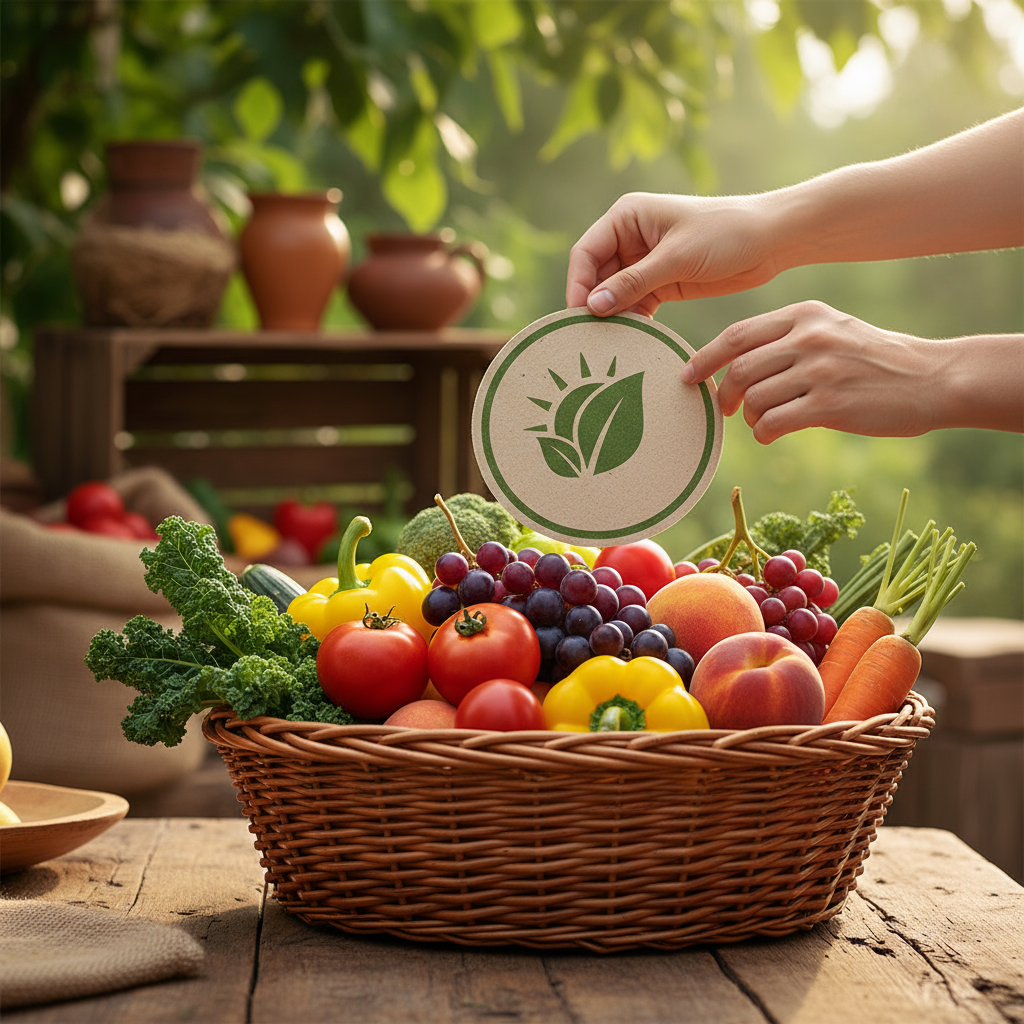
You’ve probably noticed organic foods everywhere these days—from your local grocery store to that trendy farmer’s market downtown. But here’s the thing: there’s way more to organic eating than just those little green stickers and higher price tags. Sure, we all know organic means “no nasty chemicals,” but the real story? It’s actually pretty fascinating when you dig into what this choice means for your health and our planet.
Health Benefits of Eating Organic
Let’s start with the obvious question: is organic food actually better for you? The short answer is yes, and here’s why. When you choose organic, you’re basically saying “no thanks” to synthetic pesticides, herbicides, and chemical fertilizers. Think about it—these substances weren’t meant to be part of your dinner, right? Research shows that people who eat organic foods typically have lower levels of pesticide residues in their bodies. And if you’re pregnant or have kids? This becomes even more important.
But wait—there’s more to it than just avoiding the bad stuff. Organic farming actually creates healthier soil (bear with me, this matters for your plate). When soil is healthier, it produces more nutrient-dense food. We’re talking higher levels of antioxidants, vitamins, and minerals. Plus, have you ever noticed that organic tomatoes actually taste like… well, tomatoes? That’s not your imagination. Many people swear organic produce has better flavor and freshness—probably because it’s not pumped full of preservatives and is often picked closer to peak ripeness. For a deeper look at how your food choices affect your mental well-being, check out our piece on nutrition and mental health.
Key Aspects of Health Benefits
So what exactly makes organic foods a smart choice for your health? Let’s break it down:
- Reduced Chemical Exposure: Think of it as a simple trade-off—less synthetic stuff going into your body means your immune system can focus on more important things. Long-term chemical exposure isn’t something you want to mess around with.
- Higher Nutrient Density: Here’s something cool: when farmers work with nature instead of against it, the soil gets richer. Richer soil equals more nutritious food. It’s like getting a bonus with every bite.
- Better Taste and Freshness: I’m not being dramatic when I say organic food often tastes better. Without artificial preservatives, produce is typically harvested at peak ripeness, which means maximum flavor hits your taste buds.
- Support for Specific Health Goals: Whether you’re trying to reduce toxins, boost your immune system, or manage food sensitivities, organic eating fits naturally into most health-focused lifestyles.
Now that we’ve covered what organic does for you personally, let’s talk about the bigger picture. Because choosing organic isn’t just about your health—it’s about the health of our entire planet.
Environmental Benefits of Organic Farming
Here’s where things get really interesting. Organic farming isn’t just a trendy farming method—it’s actually a game-changer for our environment. While conventional agriculture often treats the land like a factory (pump it full of chemicals, get maximum output), organic farming works with nature’s systems. We’re talking natural fertilizers, crop rotation, and letting beneficial insects do their job instead of nuking everything with pesticides.
The result? Healthier soil that can actually sustain itself long-term. And here’s something you might not have thought about: organic farms are like wildlife sanctuaries. By skipping the harsh chemicals that kill off pollinators and other beneficial creatures, these farms become home to birds, bees, and all sorts of helpful insects. It’s basically creating little pockets of biodiversity in our agricultural landscape. When you consider climate change and resource conservation, supporting organic farming starts to feel like a pretty smart long-term investment. Want to learn more about farming practices that work with nature? This resource on sustainable agriculture techniques dives deeper into the topic.
Key Aspects of Environmental Benefits
The environmental perks of organic farming touch on several crucial areas:
- Soil Health Improvement: Instead of depleting the land, organic practices like composting and cover cropping actually make soil richer over time. It’s like investing in a retirement account—the benefits compound year after year.
- Pollution Reduction: No synthetic pesticides and fertilizers means cleaner water sources and less environmental contamination. Your local streams and groundwater will thank you.
- Water Conservation: Healthy organic soil acts like a sponge, holding moisture better and reducing the need for constant irrigation. In a world where water is becoming increasingly precious, this matters.
- Biodiversity Conservation: Organic farms become havens for wildlife—from the tiniest beneficial insects to birds and small mammals. This creates a balanced ecosystem where nature does much of the pest control work naturally.

Here’s the thing about organic foods—they’re not just a trend that’ll fade away next year. More people are choosing organic because they’ve figured out something important: what we eat directly impacts both our health and the planet we call home. When you buy organic, you’re getting food grown without synthetic pesticides and fertilizers. Translation? Fewer questionable chemicals on your plate and in your body.
But wait—there’s more to love about organic produce. Those fruits and vegetables often pack more nutritional punch, loaded with antioxidants, vitamins, and minerals that your body craves. Think of it as getting more bang for your nutritional buck. Your immune system will thank you, and you’ll feel better knowing you’re reducing your exposure to chemicals that frankly, we’re still learning about.
Now let’s talk about the bigger picture. Organic farming isn’t just good for you—it’s actually healing the earth. These farmers use techniques that would make your grandmother proud: crop rotation, composting, working with nature instead of against it. The result? Healthier soil that can actually hold water better, cleaner air and water systems, and thriving habitats for wildlife. Every time you choose organic, you’re voting for farming methods that think long-term.
I won’t sugarcoat it though—organic can hit your wallet harder. Those labor-intensive farming methods and certification processes cost money, and that gets passed on to you. Sometimes finding organic options feels like a treasure hunt, especially if you live somewhere with limited access or you’re shopping off-season. But here’s a secret: shop seasonally and look for local organic producers. Your budget (and taste buds) will appreciate it.
Ready to put this into action? Start by checking out a healthy nutrition plan that weaves organic choices into your daily routine without breaking the bank. You’ll want to focus on antioxidant-rich foods—they pair beautifully with organic produce to maximize those nutritional benefits. Don’t forget about omega 3 fatty acids either; they’re crucial for keeping your cells happy and healthy.
If you’re curious about taking things further, explore plant based eating benefits. There’s something powerful about centering your meals around plants—especially organic ones. And if you really want to geek out (in the best way), learn about sustainable agriculture techniques. Understanding how your food grows makes every bite more meaningful.
Here’s what I love most about choosing organic: every purchase is like casting a vote. You’re saying yes to farmers who care about soil health, yes to cleaner water systems, yes to a future where food production works with nature instead of depleting it. That’s pretty powerful stuff for something as simple as grocery shopping.
Look, switching to organic doesn’t have to happen overnight. Nobody’s expecting you to overhaul your entire pantry this weekend. Start small—maybe organic apples this week, organic spinach next week. Pay attention to what’s in season and what’s grown locally. The journey matters more than perfection, and every small choice adds up to something bigger.
Your health and the planet’s health are more connected than you might think. When you choose organic, you’re nurturing both. And honestly? Once you start tasting the difference—that burst of flavor from a truly ripe organic tomato or the satisfying crunch of fresh organic carrots—you’ll understand why so many people are making this switch.
Frequently Asked Questions
-
Are organic foods healthier than non-organic?
- Organic foods generally contain fewer pesticides and have been shown to have higher nutrient levels, which may support better health outcomes, though a balanced diet overall is most important.
-
Is organic food more expensive?
- Organic foods often cost more due to labor-intensive practices and certification costs, but shopping seasonally and locally can help manage expenses effectively.
-
Can eating organic help the environment?
- Yes, organic farming promotes sustainable methods that improve soil health, conserve water, reduce pollution, and protect biodiversity, contributing positively to the environment.