Table of Contents
Introduction
Think calcium, and you probably picture a glass of milk, right? Here’s the thing—calcium is absolutely crucial for your health, but dairy isn’t your only ticket to strong bones. If you’re curious about plant-based eating (whether for health reasons, environmental concerns, or just because you want to feel better), you might be wondering: can I really get enough calcium from plants alone? The answer is a resounding yes, and I’m here to show you exactly how.
Let’s talk about why calcium matters so much. Sure, it keeps your bones and teeth strong—that’s the obvious part. But calcium is also working behind the scenes in ways you might not realize. Every time your heart beats, your muscles contract, or your nerves send signals throughout your body, calcium is there making it happen. It even helps your blood clot when you get a cut. When you don’t get enough? Your body starts pulling calcium from your bones to keep these vital functions running. Not exactly what you want happening as you age. That’s why figuring out your calcium needs is so important—and thankfully, getting expert guidance is easier than ever. Check out this helpful resource on daily calcium intake recommendations to understand exactly how much you need.
Now, here’s where it gets exciting. Plant-based calcium sources aren’t just adequate—they’re downright impressive. We’re talking leafy greens, legumes, nuts, seeds, and fortified foods that can easily meet your daily needs. Take kale, for example. This nutritional powerhouse actually provides more absorbable calcium than spinach (who knew?). If you want to dive deeper into kale’s incredible nutrient profile, the nutrition facts about kale will blow your mind. And when you pair these calcium-rich foods with quality plant proteins, you’re not just building strong bones—you’re creating a foundation for overall health. Speaking of plant proteins, this plant-based protein sources guide is a perfect companion to what we’re discussing here.
But wait—there’s a catch (isn’t there always?). Not all calcium is created equal when it comes to absorption. Some plants contain compounds like oxalates and phytates that can interfere with how much calcium your body actually uses. Before you panic, though, know this: simple cooking methods and smart food combinations can dramatically improve absorption. It’s all about knowing the tricks. For a deep dive into maximizing nutrient absorption, how to improve nutrient absorption is packed with practical strategies you can use starting today. And here’s something interesting—the connection between what you eat and how you feel mentally is stronger than most people realize. The insights in nutrition and mental health show how your food choices ripple out to affect everything from your mood to your brain function.
What You’ll Learn in This Guide
Ready to become a plant-based calcium pro? This guide covers everything you need to know, from the science behind calcium to practical meal ideas that’ll make your taste buds (and bones) happy:
- Importance of Calcium: Understand why calcium is vital for bone health, muscle function, nerve signaling, and cardiovascular wellness, and how plant-based diets can meet these needs effectively.
- Top Plant-Based Sources: Explore nutrient-rich leafy greens, legumes, nuts, seeds, fortified plant milks, and other excellent non-dairy calcium foods to diversify and strengthen your diet.
- Optimizing Absorption: Learn about factors influencing calcium bioavailability, including the role of vitamin D, inhibitors like oxalates, and cooking techniques to improve calcium uptake.
- Practical Dietary Tips: Gain meal ideas, daily intake strategies, and sustainable choices to seamlessly integrate plant-based calcium sources into your lifestyle for long-term health.
Plant-based eating is having a moment—and for good reason. Beyond the personal health benefits, choosing plants over animal products is one of the most impactful things you can do for the environment. If you’re curious about the bigger picture, plant-based eating benefits explores why this way of eating is gaining so much attention from health experts and environmentalists alike.
Picture this: starting your day with a calcium-packed green smoothie made from leafy greens, fortified plant milk, and a handful of almonds. Sounds pretty good, doesn’t it? These kinds of meals aren’t just nutritious—they’re genuinely delicious when you know what you’re doing. Plus, you’re getting a bonus hit of vitamins and antioxidants that work synergistically with calcium for better absorption. If green smoothies aren’t already part of your routine, benefits of green smoothies might just convince you to give them a try.
Making the switch to plant-based calcium isn’t just about following the latest health trend—it’s about taking control of your nutrition in a way that feels sustainable and enjoyable. Throughout this guide, you’ll find evidence-based information presented in a way that actually makes sense, along with practical tips you can start using immediately. Let’s explore how plants can power your health and discover just how satisfying (and delicious) meeting your calcium needs can be.
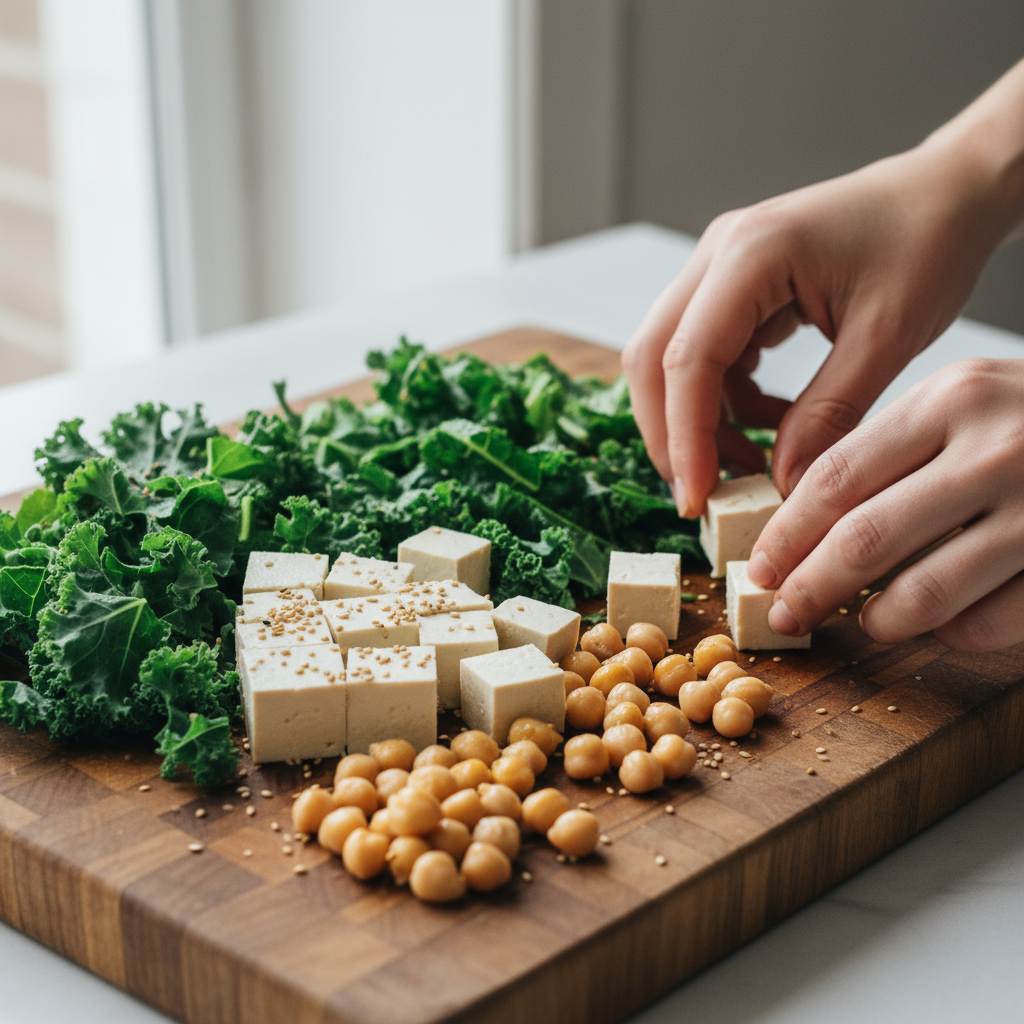
Think calcium, and what comes to mind? Milk, right? But here’s something that might surprise you—there’s a whole world of plant-based foods packed with this crucial mineral. If you’re plant-based (or just curious about cutting back on dairy), you don’t have to worry about missing out on calcium. Not even close. Plants have got you covered in ways that might actually blow your mind.
Understanding the Importance of Calcium
Let’s start with the obvious: calcium builds strong bones and teeth. You’ve heard this since you were a kid, and it’s absolutely true. But calcium does so much more than that. Your muscles? They need calcium to contract properly—every single movement you make depends on it. Your heart beating steadily? That’s calcium at work too.
And your nervous system? Calcium helps your brain send messages throughout your body. Without enough calcium, these signals get fuzzy. It’s like having a bad phone connection, but in your body. Plus, when you get a cut, calcium jumps into action to help your blood clot and start the healing process.
Now, timing matters with calcium. Growing kids need it for obvious reasons. Teens going through growth spurts? They’re calcium-hungry. Pregnant women are literally building another person’s skeleton. And as we age (especially women going through menopause), our bones start losing calcium faster than we can replace it. That’s when things like osteoporosis become real concerns. Want to know exactly how much you need? Check out these daily calcium intake recommendations—they break it down by age and life stage.
Key Aspects of Calcium’s Role
Here’s what makes calcium so essential:
- Strong Bones and Teeth: Calcium creates the framework that keeps your skeleton strong and resilient. Get enough during your peak bone-building years, and you’re setting yourself up for healthier aging. Skimp on it? You might pay the price later with fractures and bone loss.
- Muscle Contractions and Nerve Function: Every muscle movement—from blinking to running—depends on calcium ions. They’re also crucial for your nerves to communicate properly. Think of calcium as the messenger that keeps everything connected.
- Heart Health and Blood Clotting: Your heart’s electrical system relies on calcium to maintain a steady rhythm. And when you get injured, calcium activates the clotting factors that stop bleeding and kick-start healing.
- Importance of Balanced Nutrition: Here’s the thing—calcium doesn’t work alone. It teams up with vitamin D, magnesium, and phosphorus for maximum effectiveness. It’s like a nutritional buddy system that works best when everyone shows up.
Understanding all this makes one thing crystal clear: calcium isn’t optional. But the good news? A well-planned plant-based diet can absolutely meet your calcium needs. You just need to know where to look.
Ready to discover some surprisingly calcium-rich plant foods? Let’s dive in.
Top Plant-Based Calcium Sources
Here’s where things get exciting. Plant-based calcium sources aren’t just nutritious—they’re delicious, versatile, and come with bonus nutrients you won’t find in dairy. Fiber, antioxidants, vitamins—it’s like getting a nutritional upgrade. Take kale, for example. This leafy green powerhouse is absolutely loaded with calcium, and if you want the full scoop on how to maximize its benefits, these nutrition facts about kale will show you exactly how to prepare it for optimal absorption.
But leafy greens are just the beginning. Legumes and nuts bring calcium plus protein to the table—talk about multitasking! For a complete picture of how these foods can power your plant-based lifestyle, check out this guide to plant-based protein sources. You’ll see how foods like soybeans, chickpeas, and almonds work double duty for both calcium and muscle health.
Varied Plant-Based Calcium Contributors
Let’s break down your best plant-based calcium options:
- Leafy Greens: Kale, collard greens, bok choy, and spinach are calcium champions. Pro tip: light cooking actually helps your body absorb more calcium by reducing compounds called oxalates. Want the full story on kale’s nutritional profile? It’s pretty impressive.
- Legumes and Nuts: Soybeans, white beans, chickpeas, and almonds pack calcium along with protein and fiber. They’re like nutritional multitaskers that support your bones while keeping you satisfied.
- Fortified Plant Milks and Alternatives: Many plant milks (almond, soy, oat, rice) are fortified with calcium to match or even exceed dairy milk levels. Just shake the carton first—calcium likes to settle at the bottom!
- Other Notable Sources: Don’t overlook tofu, sesame seeds, figs, and seaweed. These foods add variety and often bring unique flavors and textures to your meals.
What’s really cool about choosing plant-based calcium sources is the ripple effect. You’re not just supporting your bone health—you’re also reducing your environmental footprint. If you’re curious about the bigger picture of plant-based eating, explore the comprehensive benefits of plant-based eating beyond just calcium.
Here’s a practical tip: pair your calcium-rich foods with vitamin C sources (think citrus fruits, bell peppers, or strawberries) to boost absorption. And if you’re dealing with high-oxalate foods like spinach, cooking or soaking can help reduce those compounds that might interfere with calcium uptake.
The bottom line? Plant foods offer an incredible variety of calcium sources that support not just your bones, but your overall health and the planet too. It’s nutrition that makes sense on every level.

Here’s the bottom line: getting enough calcium doesn’t have to mean chugging glass after glass of milk. Your bones, muscles, heart, and nerves all need calcium to function properly—that’s not negotiable. But what might surprise you? Plants can deliver all the calcium your body craves. We’re talking leafy greens, legumes, nuts, fortified plant milks, tofu, sesame seeds, figs, and even seaweed. These foods don’t just meet your calcium needs—they exceed them, often with better absorption rates than you’d expect.
Now, getting the most out of plant-based calcium takes a bit of strategy. (Think of it as unlocking your food’s hidden potential.) You’ll want to pay attention to vitamin D levels, watch out for calcium blockers like oxalates, and use simple tricks like boiling or soaking to boost bioavailability. Pair your calcium-rich foods with vitamin C sources, and you’ve got a winning combination that supports both bone and heart health. It’s not complicated—just smart eating.
Ready to put this into practice? Start by checking out daily calcium intake recommendations so you know exactly what you’re aiming for based on your age and lifestyle. Want to dive deeper into one of nature’s calcium powerhouses? The guide on nutrition facts about kale will show you why this leafy green deserves a starring role in your meals. For the nitty-gritty on making your nutrients work harder, how to improve nutrient absorption covers the cooking tips and food pairings that make all the difference. Don’t forget about protein—the plant-based protein sources guide shows you how to build complete meals that complement your calcium goals. And if you’re a smoothie fan? The benefits of green smoothies will give you delicious ways to pack calcium, antioxidants, and mental clarity into one glass.
Here’s something that feels pretty good: choosing plant-based calcium isn’t just smart for your health—it’s a win for the planet too. You’re cutting your carbon footprint and conserving water with every meal. That’s the kind of eating that makes sense for both your body and the world we’re leaving behind.
You’ve got everything you need to make this work. The knowledge, the practical steps, the resources—it’s all here. Start small if you want. Add some kale to your smoothie tomorrow. Try tahini on your toast. Experiment with fortified plant milk in your coffee. Your bones will thank you, your taste buds might surprise you, and you’ll be doing something meaningful for the environment. That’s what I call a triple win.
Frequently Asked Questions
-
What are the best plant-based foods high in calcium?
- Kale, fortified plant milks, tofu, almonds, and sesame seeds rank among the top plant-based calcium sources offering ample amounts for daily needs.
-
Can plant-based calcium meet daily requirements?
- Yes, with thoughtful meal planning and attention to absorption factors, plant-based diets can fully satisfy daily calcium requirements for most individuals.
-
How can I improve calcium absorption from plants?
- Maximize absorption by balancing vitamin D intake, reducing consumption of calcium blockers like oxalates and phytates, and using cooking methods that enhance bioavailability.
-
Are calcium supplements necessary for vegans?
- Supplements might be beneficial if dietary intake is low or absorption difficulties exist; otherwise, most can meet needs through varied plant-based foods.
-
Is plant-based calcium better for the environment?
- Yes, plant-based calcium sources generally have a lower environmental impact than dairy, supporting sustainability and reduced resource use.