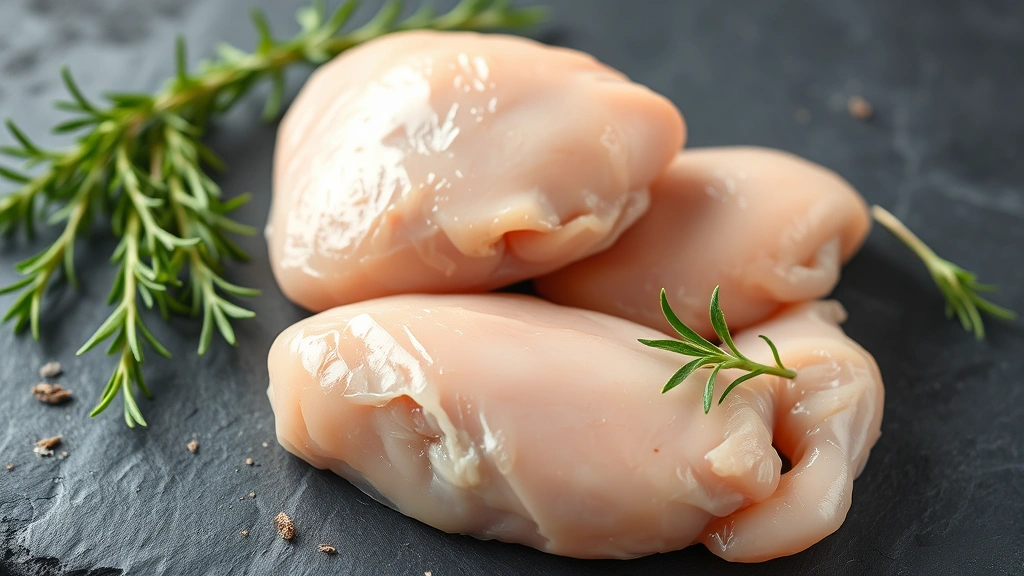
Chicken Thigh Nutrition Facts: Dietitian’s Insight
Chicken thighs have long been overshadowed by their leaner counterpart, the chicken breast, yet they represent one of the most nutrient-dense and versatile protein sources available to modern consumers. While fitness enthusiasts and calorie-conscious dieters have traditionally gravitated toward white meat, registered dietitians increasingly recognize that dark meat poultry offers a compelling nutritional profile that deserves serious consideration. The perception that chicken thighs are inherently unhealthy stems largely from outdated dietary guidelines that demonized fat, but contemporary nutritional science tells a more nuanced and favorable story.
Understanding the complete nutritional composition of chicken thighs—including their protein content, micronutrient density, and the quality of fats they provide—empowers consumers to make informed dietary choices aligned with their individual health goals. Whether you’re an athlete seeking optimal recovery, someone following a nutrition plan for athletic performance, or simply interested in incorporating more nutrient-rich foods into your diet, chicken thighs deserve a prominent place on your plate. This comprehensive guide explores the science behind chicken thigh nutrition, examining how they compare to other protein sources and why dietitians recommend them as part of a balanced approach to healthy eating for life.
Nutritional Breakdown of Chicken Thighs
A 100-gram serving of cooked, skinless chicken thigh contains approximately 209 calories, making it a calorie-dense but nutrient-rich protein source. This serving provides roughly 26 grams of protein, 11 grams of fat (including both saturated and unsaturated varieties), and zero carbohydrates. When the skin remains intact—which is common in many culinary preparations—the calorie count increases to approximately 290 calories per 100 grams, with fat content rising to about 17 grams. These figures demonstrate that chicken thighs, while higher in calories than skinless breast meat, remain reasonable within the context of a balanced diet, particularly when considering their superior micronutrient density.
The USDA Nutrient Database provides detailed information confirming that a single medium-sized chicken thigh (approximately 52 grams raw, 44 grams cooked without skin) delivers meaningful quantities of essential nutrients beyond simple protein. The fat-soluble vitamins present in chicken thighs require dietary fat for proper absorption, which makes the fat content of this meat particularly advantageous from a bioavailability perspective. Furthermore, the cholesterol content—approximately 81 milligrams per 100-gram serving—represents less than 30% of the recommended daily intake for most adults, contradicting the misconception that chicken thighs should be avoided by those monitoring cholesterol levels.
According to USDA FoodData Central, the complete macronutrient profile reveals that chicken thighs contain all nine essential amino acids in optimal ratios for human utilization. This complete protein status makes chicken thighs particularly valuable for individuals seeking to support muscle maintenance, recovery, and growth through dietary means. The specific arrangement of amino acids in poultry aligns exceptionally well with human protein requirements, contributing to the high biological value and digestibility of chicken as a protein source.
Protein Content and Amino Acid Profile
Protein represents the most celebrated macronutrient in chicken thighs, and rightfully so. The 26 grams of protein per 100-gram serving positions chicken thighs as a premium protein source, comparable to chicken breast on a per-gram basis despite the slightly higher fat content. What distinguishes chicken thigh protein, however, is the exceptional amino acid profile and the enhanced absorption facilitated by the presence of fat-soluble vitamins and minerals that work synergistically with protein for optimal utilization. For individuals focused on athletic performance through strategic nutrition, this protein quality becomes particularly significant.
The amino acid composition of chicken thighs includes substantial quantities of leucine, isoleucine, and valine—the branched-chain amino acids (BCAAs) that play crucial roles in muscle protein synthesis and recovery. Research published in the Journal of the International Society of Sports Nutrition demonstrates that complete proteins containing optimal BCAA ratios, such as those found in poultry, stimulate muscle protein synthesis more effectively than isolated amino acid supplements. Additionally, chicken thighs provide significant amounts of methionine and cysteine, sulfur-containing amino acids essential for glutathione production, a master antioxidant that supports cellular health and immune function.
The digestibility of chicken protein remains exceptionally high, with studies indicating that 93-98% of the protein in cooked chicken is available for absorption and utilization by the human body. This superior digestibility contrasts favorably with plant-based proteins, many of which feature lower bioavailability due to antinutrient factors and incomplete amino acid profiles. For individuals implementing strategic meal planning, chicken thighs represent a reliable protein delivery system that consistently supports physiological needs across diverse dietary approaches.
Fat Composition and Heart Health
The fat content of chicken thighs has historically generated controversy, yet modern nutritional science increasingly validates the benefits of the specific fatty acid profile present in this meat. Approximately 50% of the fat in chicken thighs consists of monounsaturated fatty acids (MUFAs), the same heart-healthy fats predominant in olive oil and avocados. An additional 25-30% comprises polyunsaturated fatty acids (PUFAs), including omega-3 and omega-6 fatty acids, while saturated fat accounts for the remaining 20-25%. This composition positions chicken thigh fat as substantially more favorable than the saturated fat profiles of red meat and considerably more nutritionally valuable than industrially processed protein sources.
Research from Harvard School of Public Health’s Nutrition Source confirms that moderate consumption of poultry fat, particularly from sources like chicken thighs, does not adversely affect cardiovascular health markers in individuals following otherwise balanced diets. The presence of monounsaturated and polyunsaturated fats actually supports healthy cholesterol ratios, with studies indicating that diets incorporating chicken thighs demonstrate favorable LDL and HDL cholesterol patterns. Furthermore, the fat in chicken facilitates the absorption of fat-soluble vitamins including vitamins A, D, E, and K, which play essential roles in bone health, immune function, and antioxidant protection.
The omega-3 to omega-6 ratio in chicken thighs approaches 1:10-12, which, while not as favorable as fatty fish, remains reasonable and supports anti-inflammatory processes when consumed as part of a diet that includes adequate omega-3 sources. The presence of oleic acid—the predominant monounsaturated fat in chicken—demonstrates protective cardiovascular effects in multiple epidemiological studies. For individuals concerned about heart health, chicken thighs represent a superior choice to processed meats while offering greater nutrient density than ultra-lean proteins stripped of all fat through processing.

Micronutrients: Vitamins and Minerals
Beyond macronutrients, chicken thighs deliver an impressive array of vitamins and minerals that often go unrecognized in standard nutritional discussions. A 100-gram serving provides approximately 0.7 milligrams of iron, representing 9% of the recommended daily intake for adult males and 4% for adult females. Critically, this iron exists in the highly bioavailable heme form, which the body absorbs at rates of 15-35%, compared to 2-20% absorption rates for non-heme iron from plant sources. For individuals seeking to optimize nutrient absorption, chicken thighs represent an intelligent dietary choice that enhances iron status without requiring supplementation.
Selenium content in chicken thighs reaches approximately 27 micrograms per 100-gram serving, representing 49% of the recommended daily intake. This powerful antioxidant mineral plays essential roles in thyroid hormone metabolism, immune function, and protection against oxidative stress. Phosphorus levels in chicken thighs exceed 200 milligrams per 100 grams, supporting bone mineralization and energy metabolism. Additionally, chicken thighs provide meaningful quantities of B vitamins, including niacin (B3), pantothenic acid (B5), and vitamin B12, all essential for energy production and neurological function.
The mineral profile of chicken thighs includes zinc (approximately 2.4 milligrams per 100 grams), a micronutrient critical for immune function, wound healing, and protein synthesis. Potassium content reaches approximately 220 milligrams per 100-gram serving, supporting cardiovascular function and electrolyte balance. This comprehensive micronutrient density explains why registered dietitians increasingly recommend chicken thighs as a superior choice to processed protein sources, which often undergo nutrient-depleting manufacturing processes. The synergistic interaction of multiple micronutrients in whole-food chicken thighs supports complex physiological processes more effectively than isolated nutrient supplementation.
Chicken Thighs vs. Chicken Breast Comparison
The nutritional comparison between chicken thighs and chicken breast reveals a more nuanced picture than popular fitness culture suggests. While chicken breast contains approximately 31 grams of protein per 100-gram serving compared to 26 grams in chicken thighs, this 16% difference proves negligible when considering the superior micronutrient density of thighs. Chicken breast contains approximately 165 calories per 100 grams (skinless), compared to 209 in chicken thighs, yet this caloric difference merely reflects the presence of beneficial fats rather than representing nutritional inferiority.
The micronutrient advantage of chicken thighs becomes pronounced when examining specific nutrients. Chicken thighs contain approximately 5 times more selenium, 3 times more zinc, and substantially higher iron levels than equivalent servings of chicken breast. The B vitamin content—particularly B5 and B12—exceeds that of breast meat, supporting energy metabolism and neurological health. Additionally, chicken thighs provide conjugated linoleic acid (CLA) and other bioactive lipids that emerging research suggests may support metabolic health and body composition when consumed as part of a balanced diet.
From a culinary perspective, chicken thighs offer superior flavor and moisture retention during cooking, making them less susceptible to dryness that often plagues breast meat. This practical advantage translates to better adherence to dietary recommendations, as individuals are more likely to consistently consume foods they genuinely enjoy. Furthermore, chicken thighs remain more affordable than breast meat in most markets, making them a practical choice for individuals implementing sustainable, long-term dietary changes. For those seeking to balance nutritional density with practical considerations, chicken thighs emerge as the superior choice compared to breast meat in most contexts.
Cooking Methods and Nutrient Preservation
The preparation method significantly influences both the nutritional profile and bioavailability of nutrients in chicken thighs. Grilling, baking, and poaching represent optimal cooking methods that preserve micronutrient content while maintaining protein integrity. These dry-heat cooking methods achieve internal temperatures necessary for food safety (165°F or 74°C) without exposing the meat to prolonged high temperatures that degrade heat-sensitive vitamins. Boiling, while effective for food safety, causes leaching of water-soluble B vitamins and minerals into the cooking liquid, reducing the nutritional value of the final product.
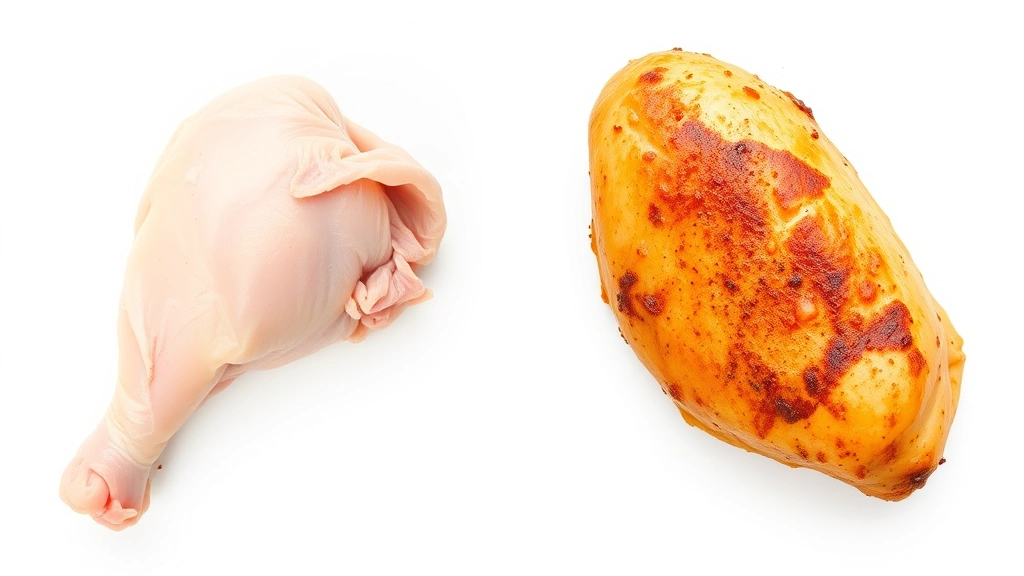
Roasting chicken thighs at 425°F for 25-30 minutes preserves approximately 85-95% of the B vitamin content while developing complex flavors through the Maillard reaction. This cooking method also allows the skin to render partially, providing an opportunity to remove excess fat if desired while retaining the nutrient-dense lean meat. Conversely, slow-cooking methods like braising and stewing, while producing tender, flavorful results, result in greater nutrient loss, particularly for heat-sensitive vitamins. For individuals prioritizing nutritional retention, combination approaches—such as searing thighs briefly at high temperature to develop flavor, then finishing in moderate heat—optimize both sensory and nutritional outcomes.
The presence of fat in chicken thighs actually protects heat-sensitive nutrients during cooking, with the lipid layer providing insulation against excessive heat damage. This represents another advantage of chicken thighs over breast meat, which, lacking this protective fat layer, experiences greater vitamin degradation during typical cooking procedures. Storage methods also influence nutrient preservation, with frozen chicken thighs maintaining nutritional integrity for 4-6 months when stored properly, making them practical for meal planning strategies that emphasize convenience without sacrificing nutritional quality.
Incorporating Chicken Thighs Into Your Diet
Integrating chicken thighs into a comprehensive healthy nutrition plan requires understanding optimal serving sizes and preparation contexts. A typical serving consists of 3-4 ounces of cooked chicken thigh (approximately 85-115 grams), providing 22-30 grams of protein with appropriate micronutrient contributions. For individuals following high-protein dietary approaches, consuming 2-3 servings daily remains compatible with balanced nutrition, particularly when combined with adequate vegetables, whole grains, and healthy fats from diverse sources.
Meal planning incorporating chicken thighs offers practical advantages that enhance dietary adherence. Unlike chicken breast, which requires careful monitoring to prevent dryness, chicken thighs tolerate extended cooking times and diverse preparation methods without quality degradation. Sheet pan preparations combining chicken thighs with roasted vegetables create complete meals containing protein, carbohydrates, fiber, and micronutrients in single dishes. Slow cooker preparations allow convenient batch cooking, enabling individuals to prepare multiple servings simultaneously, supporting consistent dietary adherence throughout busy weeks.
For those implementing nutrition strategies that support cognitive health and mental wellness, chicken thighs offer particular advantages through their selenium and B vitamin content, both essential for neurological function and mood regulation. Cultural cuisines worldwide celebrate chicken thighs in preparations ranging from French coq au vin to Thai curries to Spanish paella, demonstrating the versatility that encourages regular consumption. Incorporating chicken thighs into diverse cultural preparations prevents dietary monotony while exposing the body to complementary nutrients from accompanying ingredients.
Budget-conscious individuals benefit substantially from chicken thigh economics, as these cuts typically cost 30-50% less than breast meat while delivering superior nutritional density per dollar spent. Purchasing whole chickens and butchering them at home provides even greater cost savings while allowing customization of portion sizes and fat trimming based on individual preferences. For individuals seeking to establish sustainable, long-term dietary patterns, chicken thighs represent an economically rational choice that eliminates the financial barriers often preventing adherence to protein-rich dietary recommendations.
FAQ
How many calories are in a chicken thigh?
A medium-sized cooked chicken thigh (approximately 44 grams without skin) contains roughly 92 calories, while a 100-gram serving provides 209 calories. With skin intact, these figures increase to approximately 150 calories per medium thigh and 290 calories per 100 grams. The specific calorie content depends on the size of the individual thigh and whether skin remains attached.
Are chicken thighs healthy despite higher fat content?
Yes, chicken thighs are considered healthy by contemporary nutritional standards. Approximately 50% of the fat consists of monounsaturated fatty acids similar to those in olive oil, while the presence of fat actually enhances absorption of fat-soluble vitamins. The fat content contributes to superior micronutrient density compared to breast meat, making thighs a nutritionally sound choice when prepared using healthy cooking methods.
Should I remove the skin from chicken thighs?
Skin removal reduces fat and calorie content by approximately 30-40%, though it also removes some fat-soluble vitamins and flavor. The decision depends on individual dietary goals and preferences. For those prioritizing micronutrient density and satiety, keeping skin provides advantages, while those with specific caloric or fat restrictions may prefer skinless preparations.
How do chicken thighs compare nutritionally to chicken breast?
While chicken breast contains slightly more protein (31g vs. 26g per 100g), chicken thighs provide 3-5 times more micronutrients including selenium, zinc, and iron. Chicken thighs also offer superior cooking properties, better flavor, and lower cost, making them nutritionally comparable or superior depending on individual health priorities.
How often can I eat chicken thighs?
Chicken thighs can be consumed daily as part of a balanced diet. A typical serving of 3-4 ounces (85-115g) provides appropriate protein and micronutrients without exceeding recommended fat or cholesterol intake when prepared using healthy cooking methods and consumed alongside vegetables and whole grains.
What’s the best way to cook chicken thighs to preserve nutrients?
Grilling, baking, and roasting at moderate temperatures (350-425°F) preserve 85-95% of heat-sensitive nutrients. These dry-heat methods optimize micronutrient retention compared to boiling or prolonged slow cooking, which cause greater nutrient leaching. Cooking to an internal temperature of 165°F ensures food safety while minimizing nutrient degradation.


