
Are Chicken Thighs Healthy? Nutritionist Explains
Chicken thighs often get overshadowed by their leaner cousin, the chicken breast, in conversations about healthy eating. However, this darker poultry cut deserves a closer look. Many people assume that fat content automatically disqualifies a food from being nutritious, but the nutritional profile of chicken thighs tells a more nuanced story. Understanding what makes chicken thighs worth including in your diet requires examining their specific nutrient composition, comparing them to other protein sources, and considering how they fit within a healthy nutrition plan.
The debate surrounding chicken thighs centers largely on fat content, but modern nutritional science reveals that not all fats are created equal. Chicken thighs contain predominantly unsaturated fats, which play crucial roles in hormone production, vitamin absorption, and inflammation management. Additionally, the nutrient density of chicken thighs—their concentration of essential vitamins and minerals per calorie—often surpasses that of chicken breast. This article explores the comprehensive nutritional information chicken thighs offer and why they deserve a place on your plate.
Nutritional Profile of Chicken Thighs
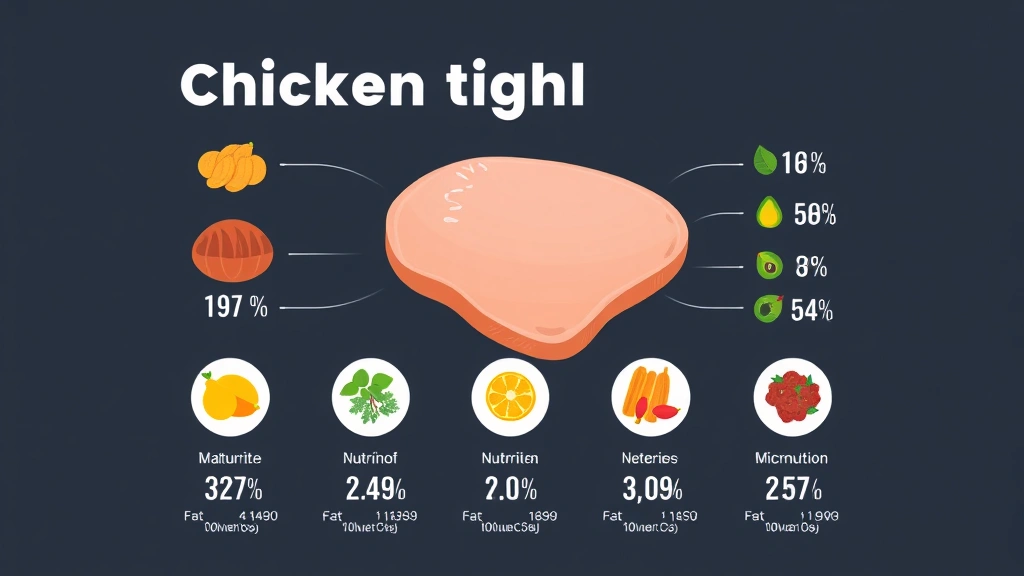
A 3.5-ounce (100-gram) serving of raw, skinless chicken thigh contains approximately 209 calories, with macronutrient distribution that reflects its composition as a muscle protein source enriched with fat stores. The breakdown includes roughly 26 grams of protein, 11 grams of fat, and zero carbohydrates. When skin is included, calorie and fat content increase to approximately 270 calories and 17 grams of fat per 100 grams, though this also increases certain fat-soluble vitamin concentrations.
The caloric density of chicken thighs makes them particularly valuable for individuals engaged in strength training or muscle building, as they provide substantial protein with accompanying nutrients that support recovery and adaptation. According to USDA nutritional databases, chicken thighs consistently rank among the most nutrient-dense protein sources available. The presence of intramuscular fat—marbling within the muscle tissue—contributes to both flavor and nutrient bioavailability, meaning your body can more efficiently absorb and utilize the vitamins and minerals present.
Compared to other common protein sources like beef, pork, or fish, chicken thighs occupy a middle ground in terms of fat content and caloric density. This positioning makes them suitable for various dietary approaches, from Mediterranean-style eating patterns to ketogenic protocols. The nutrient density becomes particularly apparent when examining the micronutrient content alongside macronutrients.
Protein and Amino Acid Content
Protein quality depends not just on quantity but on amino acid composition and digestibility. Chicken thighs provide all nine essential amino acids in proportions that closely match human requirements, classifying them as a complete protein source. The protein content per gram of chicken thigh is slightly lower than chicken breast due to higher fat content, but the absolute protein amount remains substantial at approximately 26 grams per 100-gram serving.
The amino acid profile of chicken thighs includes particularly high concentrations of leucine, an amino acid critical for muscle protein synthesis and metabolic regulation. Research published in the Journal of the International Society of Sports Nutrition demonstrates that leucine-rich protein sources like poultry trigger more robust muscle-building responses compared to leucine-poor sources. This makes chicken thighs an excellent choice for anyone prioritizing muscle maintenance or development as part of their comprehensive nutrition strategy.
Beyond muscle building, the complete amino acid profile supports immune function, hormone synthesis, and neurotransmitter production. Individuals following plant-based diets often combine multiple protein sources to achieve complete amino acid profiles; chicken thigh consumers receive this benefit in a single food item. The protein digestibility-corrected amino acid score (PDCAAS) for chicken is near perfect, indicating exceptional bioavailability and utilization efficiency.
Fat Composition and Heart Health
The fat content in chicken thighs deserves detailed examination because it fundamentally shapes the health conversation around this food. Contrary to oversimplified messaging that equates all fat with unhealthiness, chicken thigh fat contains a beneficial mix of saturated, monounsaturated, and polyunsaturated fats. Approximately 50% of the fat in chicken thighs is monounsaturated—the same type predominant in olive oil and associated with cardiovascular benefits.
Monounsaturated fats support healthy cholesterol profiles, reduce inflammation markers, and enhance the absorption of fat-soluble vitamins including A, D, E, and K. A position statement from the American Heart Association acknowledges that moderate fat intake from whole food sources like poultry supports cardiovascular health when part of a balanced dietary pattern. The saturated fat in chicken thighs comprises only about 30% of total fat content—considerably lower than fatty beef cuts—and research increasingly demonstrates that saturated fat from whole foods affects cardiovascular health differently than saturated fat from processed sources.
The polyunsaturated fat content includes omega-6 fatty acids essential for brain function and cell membrane integrity. While some debate exists regarding omega-6 to omega-3 ratios in modern diets, obtaining omega-6 from whole food sources like chicken represents a fundamentally different physiological situation than obtaining it from processed seed oils. When incorporated into nutrition patterns supporting mental health, chicken thighs contribute to optimal neurological function through multiple mechanisms.

Micronutrients and Vitamins
The micronutrient density of chicken thighs distinguishes them from leaner cuts and many alternative protein sources. A single serving provides substantial quantities of several B vitamins critical for energy metabolism and nervous system function. Specifically, chicken thighs contain significant amounts of niacin (vitamin B3), which supports DNA repair and energy production; vitamin B6, essential for amino acid metabolism and immune function; and vitamin B12, crucial for neurological health and red blood cell formation.
The selenium content in chicken thighs warrants particular attention. This trace mineral functions as a cofactor for selenoproteins, which serve critical roles in thyroid hormone metabolism, antioxidant defense, and immune regulation. A single 100-gram serving of chicken thigh provides approximately 22% of the daily value for selenium, making poultry an excellent dietary source. Selenium deficiency, though uncommon in developed nations, impairs immune function and thyroid health, making selenium-rich foods valuable for preventive nutrition.
Chicken thighs also provide phosphorus, which works synergistically with calcium for bone health; zinc, essential for immune function and protein synthesis; and iron, particularly important for individuals at risk of deficiency. The iron in poultry is heme iron, the form derived from animal sources that exhibits superior bioavailability compared to non-heme iron from plant sources. This becomes especially relevant for individuals managing iron-related health concerns or those seeking to optimize nutrient absorption across their dietary pattern.
The choline content in chicken thighs represents another significant micronutrient contribution. Choline supports cognitive function, liver health, and fetal development, yet remains underconsumed in typical Western diets. Chicken thighs provide approximately 80 milligrams of choline per 100-gram serving, contributing meaningfully to daily adequacy.
Chicken Thighs vs. Chicken Breast
Direct comparison between chicken thighs and chicken breast illuminates the trade-offs between these cuts and clarifies why both deserve inclusion in diverse dietary approaches. Chicken breast contains approximately 165 calories, 31 grams of protein, and 3.6 grams of fat per 100-gram serving when skinless. This leaner profile makes chicken breast advantageous for individuals prioritizing protein intake while minimizing caloric consumption—a common goal in weight loss or physique-focused nutrition.
However, the lower fat content in chicken breast corresponds with reduced concentrations of fat-soluble vitamins and certain micronutrients. Chicken breast contains approximately 40% less selenium than chicken thighs and significantly lower quantities of B vitamins and other minerals. For satiety, flavor satisfaction, and nutrient density per calorie, chicken thighs often provide superior value, particularly for individuals not specifically restricting calories.
The cooking properties differ meaningfully between these cuts. The higher fat content in chicken thighs makes them more forgiving during cooking, remaining juicy and flavorful with various preparation methods. Chicken breast, conversely, requires more careful attention to avoid drying out. From a practical standpoint, chicken thighs support easier meal preparation and more consistent results, potentially supporting dietary adherence for individuals developing sustainable eating patterns.
Research examining satiety—the feeling of fullness after eating—indicates that meals containing chicken thighs produce greater satiety signals compared to equivalent-protein meals with chicken breast. This occurs partly due to fat content’s effects on hormone signaling and partly due to the sensory experience of consuming fattier, more flavorful food. For individuals struggling with hunger management, chicken thighs may provide practical advantages supporting long-term dietary success.
How Cooking Methods Affect Healthiness
The healthfulness of chicken thighs varies substantially based on cooking methodology, with preparation choices potentially enhancing or diminishing nutritional value. Roasting, grilling, or baking chicken thighs without added fat preserves the nutrient profile while allowing excess fat to drain away if desired. These dry-heat cooking methods avoid introducing oxidized fats or excess calories from cooking oils.
Deep frying chicken thighs fundamentally alters their health profile. The high temperatures involved in frying create oxidized lipids and potentially harmful compounds like advanced glycation end products (AGEs). Additionally, deep frying adds substantial quantities of calories and fat from the cooking medium. Conversely, shallow pan-frying with minimal added oil represents a middle ground, providing browning and flavor development through the Maillard reaction while limiting excess fat absorption.
Preparation methods involving marinades or sauces significantly impact the overall nutritional context. Marinades based on acidic ingredients like lemon juice or vinegar can enhance mineral bioavailability and add negligible calories. In contrast, sugary glazes or cream-based sauces substantially increase caloric content and refined carbohydrate intake. For optimal healthfulness, preparation should emphasize the inherent qualities of chicken thighs rather than masking them with calorie-dense additions.
The inclusion of skin affects both nutrition and cooking outcomes. Skin removal reduces fat and calorie content by approximately 25-30% while also removing a significant portion of fat-soluble vitamin content. Some individuals prefer removing skin post-cooking, capturing flavor benefits during preparation while reducing final fat intake. Others leave skin intact throughout cooking then remove it before eating, achieving a middle ground between flavor and nutrition goals.
Incorporating into Your Diet
Successfully incorporating chicken thighs into a health-promoting diet requires thoughtful portion sizing and complementary food choices. A typical serving size of 3-4 ounces (85-113 grams) of cooked chicken thigh provides approximately 200-250 calories and 25-30 grams of protein, fitting comfortably within most dietary frameworks. Pairing chicken thighs with non-starchy vegetables and healthy carbohydrate sources creates nutritionally balanced meals supporting sustained energy and satiety.
Meal planning incorporating chicken thighs becomes easier when considering their versatility across cuisines and cooking methods. Mediterranean preparations featuring chicken thighs with olive oil, herbs, and vegetables align with research-supported dietary patterns associated with longevity and disease prevention. Asian-inspired preparations using ginger, garlic, and soy sauce provide flavor complexity without excessive calories. See meal planning guidance for strategic approaches to dietary consistency.
Budget considerations often favor chicken thighs, as they typically cost considerably less than chicken breast or premium cuts of other proteins. This affordability removes a barrier to consistent consumption of high-quality protein, making chicken thighs particularly valuable for individuals managing food budgets while prioritizing nutrition. The cost-to-nutrition ratio of chicken thighs often exceeds that of many alternative protein sources.
For individuals managing specific health conditions, chicken thighs require consideration within the broader dietary context. Those managing cholesterol levels should focus on portion control and cooking methods minimizing added fat. Individuals with gout may need to moderate poultry consumption, though chicken thighs present no greater concern than other poultry cuts. Those prioritizing cardiovascular health can confidently include chicken thighs as part of a pattern emphasizing plant foods, whole grains, and healthy fats.
Sustainability and Quality Considerations
The health value of chicken thighs extends beyond individual nutrition to encompass food system sustainability and animal welfare considerations. Utilizing chicken thighs—often considered secondary cuts—supports more efficient use of whole animals, reducing waste and supporting more sustainable food production. This systems-level efficiency contributes to environmental health, which ultimately supports human health through reduced resource depletion and climate impact.
Quality variations in chicken thighs significantly affect nutritional value and food safety. Chickens raised on pasture with access to diverse forage develop different nutrient profiles compared to conventionally confined birds, including higher concentrations of omega-3 fatty acids and certain antioxidants. While pasture-raised chicken typically costs more, the nutritional enhancement and animal welfare benefits may justify the investment for those with budget flexibility. Conventional chicken remains nutritious and affordable, making it accessible for broader populations.
Antibiotic usage in conventional poultry production represents a legitimate concern, as antibiotic resistance poses significant public health risks. Seeking chicken from producers minimizing unnecessary antibiotic use supports individual health and broader public health goals. Certifications indicating antibiotic-free or minimal-use practices provide guidance for consumers prioritizing this consideration.
Processing and storage methods affect chicken thigh quality and safety. Fresh chicken thighs offer superior nutritional value compared to extensively processed products like chicken nuggets or pre-breaded preparations, which often contain added sodium, preservatives, and refined carbohydrates. Freezing chicken thighs preserves nutritional value effectively, making bulk purchasing and batch cooking practical strategies for dietary consistency. Proper thawing and food safety practices ensure that the health benefits of chicken thighs translate to actual consumption without foodborne illness concerns.
FAQ
Are chicken thighs high in cholesterol?
Chicken thighs contain approximately 80-85 milligrams of cholesterol per 100-gram serving, placing them in the moderate range compared to other animal proteins. Research demonstrates that dietary cholesterol from whole food sources like poultry affects blood cholesterol levels far less dramatically than previously believed. Individual cholesterol response varies based on genetics and overall dietary pattern. For most individuals, moderate consumption of chicken thighs poses no cholesterol-related concern.
Should I remove the skin from chicken thighs?
Skin removal reduces fat and calorie content by approximately 25-30% while also reducing fat-soluble vitamin content. The decision depends on individual health goals and preferences. For weight loss or cardiovascular management, removing skin after cooking provides flavor benefits while reducing final fat intake. For nutrient density prioritization, keeping skin intact maximizes micronutrient absorption. Both approaches support health within appropriate contexts.
How often can I eat chicken thighs?
Chicken thighs can be incorporated into daily dietary patterns as part of varied protein source consumption. Most nutrition guidelines recommend 5-6.5 ounces of protein daily for adults, with variety across protein sources supporting diverse nutrient intake. Chicken thighs can constitute a portion of this daily allowance several times weekly without concern, provided overall dietary pattern balances protein with adequate plant foods and other nutrient sources.
Do chicken thighs fit into specific diets like keto or paleo?
Chicken thighs align exceptionally well with ketogenic, paleo, and carnivore dietary approaches due to their protein and fat content with zero carbohydrates. For Mediterranean or DASH diets emphasizing plant foods with moderate animal protein, chicken thighs fit comfortably when paired with abundant vegetables and healthy fats. The macronutrient flexibility of chicken thighs supports integration into diverse dietary frameworks.
What’s the best way to cook chicken thighs for maximum nutrition?
Roasting, grilling, or baking chicken thighs without added fat preserves nutritional value while allowing excess fat drainage. These dry-heat methods avoid oxidized lipids created during deep frying. Shallow pan-frying with minimal oil provides flavor development while limiting excess fat absorption. Avoid prolonged cooking at extremely high temperatures, which can degrade heat-sensitive nutrients. Marinades using acidic ingredients enhance mineral bioavailability without adding significant calories.
Are there significant nutrient differences between organic and conventional chicken thighs?
Research indicates that organic and conventional chicken thighs contain similar macronutrient profiles and most micronutrients. Pasture-raised or organic chickens may show slightly elevated omega-3 fatty acids and certain antioxidants compared to conventionally confined birds. However, both organic and conventional chicken thighs remain nutritious choices. Individual budget constraints and values regarding antibiotic use and animal welfare may guide purchasing decisions beyond strict nutritional considerations.


