In-N-Out Nutrition: Dietitian’s Healthy Picks
In-N-Out Burger has maintained a cult-like following since 1948, but navigating their menu through a nutritional lens requires strategic knowledge. While fast food often gets dismissed as nutritionally bankrupt, this iconic West Coast chain offers surprising flexibility for health-conscious diners. Registered dietitians recognize that occasional fast-food meals can fit within balanced eating patterns when you understand menu composition, portion strategies, and modification options.
The challenge with In-N-Out lies not in the absence of nutritious choices, but in the prevalence of high-calorie, sodium-heavy items that dominate their offerings. However, with informed decision-making and customization, you can construct meals that align with fitness goals, dietary preferences, and nutritional guidelines. This guide deconstructs In-N-Out’s menu through a professional nutritionist’s perspective, identifying optimal selections and practical strategies for maximizing nutritional value.
Understanding In-N-Out’s Nutritional Framework
In-N-Out’s operational simplicity—limited menu, fresh ingredients, no freezers—creates a distinctive nutritional profile compared to competitors. The chain uses 100% beef patties with no filler, fresh-never-frozen potatoes, and tomatoes sliced daily. This transparency provides a foundation for nutritional assessment, though calorie density remains significant across most offerings.
A Double-Double, their signature item, contains approximately 670 calories, 41 grams of fat, and 39 grams of protein. While protein content aligns favorably with protein intake for muscle building guidelines, the saturated fat and sodium content (1,100mg) exceeds ideal parameters for single meals. Understanding these baselines enables informed modifications that preserve satisfying portions while reducing problematic macronutrients.
The menu’s transparency extends to customization options uncommon in fast-casual dining. Dietitians appreciate In-N-Out’s willingness to accommodate requests like protein-style wrapping (lettuce instead of buns), animal-style modifications, and ingredient omissions. This flexibility transforms the menu from restrictive to adaptable, enabling personalization based on individual nutritional objectives.
According to Pew Research Center studies on American eating habits, fast-food consumption remains prevalent, making strategic menu navigation essential for public health. In-N-Out’s relatively transparent nutritional approach positions it favorably within the quick-service restaurant landscape.
Protein-Rich Menu Options for Muscle Building
For individuals focused on nutrition for building muscle mass, In-N-Out’s beef-centric menu offers substantial protein opportunities. The Single burger provides 16 grams of protein with 400 calories, offering superior protein-to-calorie ratios compared to many alternatives. The Double delivers 39 grams of protein, making it viable for post-workout scenarios when caloric intake supports training recovery.
Protein-style burgers eliminate unnecessary carbohydrate calories from buns while preserving protein content. A Double-Double protein-style contains 39 grams of protein, 520 calories, and significantly reduced carbohydrate load. For athletes pursuing nutrition optimization for athletic performance, this modification creates a legitimate meal component within structured eating plans.
The understated Flying Dutchman (two patties, two slices of cheese, no bun) delivers 25 grams of protein and 380 calories, though sodium reaches 1,000mg. Combined with a side salad (available upon request), this becomes a legitimate protein source for between-meal consumption or supplementary nutrition. Many athletes utilize this option strategically rather than as a primary meal.
Customization possibilities expand protein options further. Requesting extra patties maintains proportional protein scaling—adding a third patty increases protein to approximately 59 grams while keeping the meal within reasonable parameters for substantial eaters or post-workout windows. This flexibility enables personalization that chain competitors rarely accommodate.
For individuals prioritizing maintaining muscle mass through consistent protein intake, In-N-Out’s offerings provide accessible convenience. The protein content across their beef selections, when combined with strategic modifications, supports muscle protein synthesis requirements without excessive caloric surplus.
Lower-Calorie Selections and Modifications
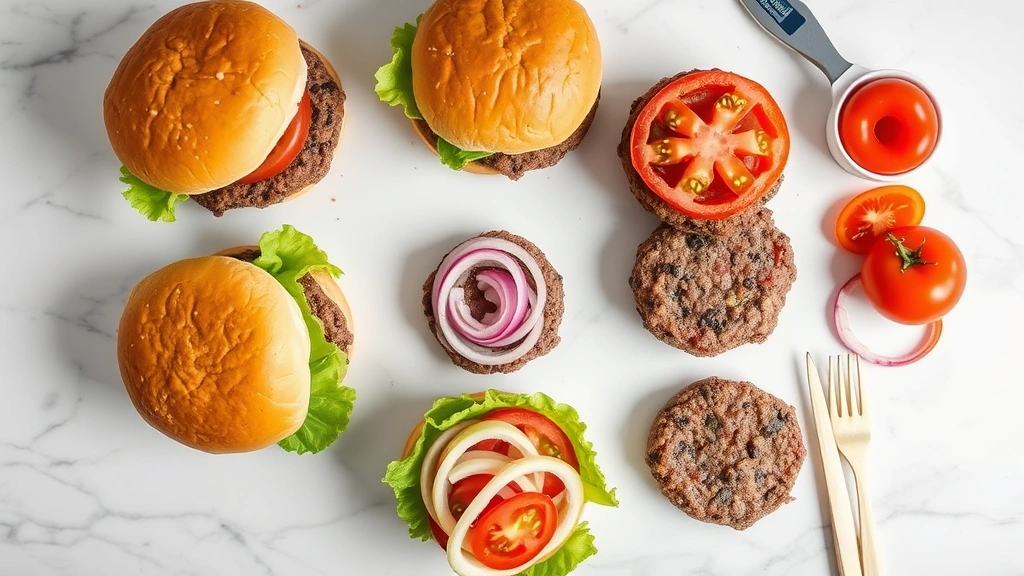
Dietitians frequently recommend the Protein-Style Single as the optimal entry-level choice for calorie-conscious consumers. At 240 calories with 16 grams of protein, this modification provides substantial satiation with minimal caloric investment. The lettuce wrapping preserves structural integrity while eliminating approximately 150 bun calories, demonstrating how strategic modifications dramatically alter nutritional profiles.
The Fresh Cooked Fries present a paradox—while not inherently unhealthy, their caloric density (395 calories for a medium) consumes significant daily allocation. However, ordering a small fries (250 calories) or sharing larger portions reduces individual consumption. Requesting fries cooked light (less oil absorption) further reduces caloric impact, though this modification remains relatively unknown among casual diners.
Many dietitians recommend entirely replacing fries with water, unsweetened beverages, or requesting additional lettuce and tomato. The customization flexibility enables building satisfying meals without obligatory fried sides. A Single protein-style with extra tomato, lettuce, and onion provides textural variety and satiation cues that offset the absence of calorie-dense accompaniments.
The Grilled Cheese represents an underutilized option for lower-calorie consumption. At approximately 480 calories with minimal protein (18 grams), it serves niche purposes—vegetarian preferences or individuals specifically avoiding beef while maintaining In-N-Out patronage. Combined with fries and beverage, it creates a complete meal under 1,000 calories, feasible within many nutritional frameworks.
Beverage selection dramatically impacts overall meal calories. Substituting regular soda (220 calories per medium) with unsweetened iced tea, water, or diet beverages eliminates unnecessary caloric intake. This single modification reduces a typical meal from 1,100+ calories to approximately 850, fundamentally altering nutritional feasibility for calorie-restricted individuals.
Strategic Customization Techniques
In-N-Out’s customization culture enables modifications that transform standard menu items into personalized nutrition solutions. The “animal-style” preparation—adding grilled onions, pickles, and special sauce—increases flavor intensity while adding minimal calories (approximately 50-80 additional). For individuals finding plain burgers unappetizing, this modification maintains adherence to healthier choices by enhancing satisfaction without problematic nutrient additions.
Requesting “light” or “no” sauce reduces sodium and fat intake substantially. Standard In-N-Out spread contributes approximately 90 calories and significant sodium per burger. Eliminating this modification and requesting mustard instead (virtually calorie-free) preserves flavor while dramatically improving nutritional metrics. This simple request requires no menu knowledge and yields immediate benefits.
The “protein-style” modification deserves emphasis as perhaps the single most impactful customization available. This request, famously popularized by social media, eliminates the bun entirely in favor of fresh lettuce wrapping. The structural integrity remains intact while carbohydrate calories decrease from 150+ to negligible amounts. For individuals managing blood sugar, following ketogenic approaches, or simply minimizing caloric intake, this modification proves transformative.
Adding extra vegetables—requesting additional tomato, lettuce, onion, and pickles—increases volume and satiation without substantial caloric increase. These modifications improve micronutrient density (vitamins, minerals, fiber) while maintaining macronutrient targets. The psychological benefit of larger portion sizes cannot be understated; many individuals report superior satiation with modified meals despite identical caloric content.
Requesting items “light” on cheese reduces saturated fat and sodium while maintaining structural integrity. A Single with light cheese reduces fat content by approximately 7 grams while preserving protein and burger experience. For individuals with specific saturated fat targets or sodium restrictions, this modification proves particularly valuable.
Temperature and preparation requests matter nutritionally. Requesting burgers cooked well-done marginally increases browning (potentially beneficial compounds) while reducing internal fat retention. While differences remain minimal, strategic accumulation of modifications compounds into meaningful nutritional improvements.
Beverage and Side Considerations
Beverage selection represents the highest-impact discretionary choice at In-N-Out. A medium Coca-Cola contributes 220 calories and 60 grams of sugar, equivalent to adding a protein bar’s caloric content without nutritional benefit. Substituting with unsweetened iced tea, water, or diet beverages eliminates this caloric burden while maintaining thirst satisfaction.
In-N-Out’s limited beverage menu lacks healthy options beyond water and unsweetened tea. This constraint, while limiting, actually benefits nutritionally conscious consumers by removing temptation toward sugary options. The simplicity forces intentional selection rather than defaulting to calorie-dense choices.
Fresh lemonade (available upon request) contains approximately 170 calories per medium with natural sugar. While superior to regular soda nutritionally, this option remains calorie-significant and high in simple carbohydrates. For individuals timing carbohydrate intake around workouts, fresh lemonade serves legitimate purposes; for casual consumption, water remains optimal.
The side options prove limited compared to competitors. Fries represent the only standard side, making strategic consumption essential. Requesting no fries or sharing portions reduces individual intake substantially. Some locations accommodate requests for side salads or additional vegetables, though consistency varies by franchise.
For post-workout nutrition specifically, a burger with fries and milk shake creates legitimate macronutrient composition—protein for muscle repair, carbohydrates for glycogen replenishment, and fat for satiation. However, this combination approaches 1,500 calories, appropriate only for substantial training sessions or specific dietary protocols. Most casual consumption warrants reduced portions.
Meal Timing and Post-Workout Nutrition
In-N-Out’s menu composition aligns surprisingly well with post-workout recovery nutrition principles. The combination of protein (muscle repair), carbohydrates (glycogen replenishment), and fat (satiation and hormone support) creates a legitimate recovery meal when portions align with training demands.
A Double burger (670 calories, 39g protein, 41g carbohydrates) with small fries (250 calories, 33g carbohydrates) and water provides approximately 920 calories with 39 grams of protein and 74 grams of carbohydrates. For individuals completing intense training sessions, this composition supports recovery without excessive surplus. The 1:2 protein-to-carbohydrate ratio aligns with sports nutrition recommendations for post-workout windows.
Timing considerations matter nutritionally. Consuming In-N-Out immediately post-workout maximizes nutrient uptake when muscle cells demonstrate elevated glucose sensitivity and protein synthesis activation. Consuming identical meals during non-training days creates caloric surplus without corresponding training stimulus, potentially contributing to fat gain rather than muscle development.
For pre-workout nutrition, In-N-Out proves less optimal. The fat content slows digestion, potentially causing gastrointestinal distress during intense exercise. A small burger protein-style or grilled cheese consumed 2-3 hours pre-workout provides manageable carbohydrates and protein without digestive burden. Consuming immediately pre-workout risks discomfort and performance impairment.
The consistency of In-N-Out’s offerings enables reliable macronutrient calculation, supporting structured training nutrition. Athletes can predictably consume specific meals knowing precise protein, carbohydrate, and fat content, facilitating periodized nutrition planning. This reliability exceeds many competitors lacking detailed nutritional transparency.

Comparative Analysis: In-N-Out vs. Competitors
Compared to McDonald’s, In-N-Out’s beef quality, fresher ingredients, and customization flexibility provide nutritional advantages. McDonald’s double cheeseburger contains identical calories (440) but utilizes lower-quality beef and processed ingredients. In-N-Out’s Single delivers superior protein density and ingredient transparency at comparable calories.
Versus Burger King, In-N-Out maintains advantages in ingredient freshness and customization options. Burger King’s flame-grilled preparation, while flavorful, often results in higher fat retention. In-N-Out’s fresh never-frozen beef provides superior nutritional profile for muscle building compared to Burger King’s offerings, supporting muscle development nutrition more effectively.
Five Guys, while offering premium beef, presents significantly higher calorie density. A basic cheeseburger exceeds 700 calories before fries or beverage, compared to In-N-Out’s Double at 670. Five Guys’ calorie escalation occurs through excessive toppings and preparation methods, whereas In-N-Out maintains relative moderation through streamlined menu design.
Chipotle and similar fast-casual options offer superior customization and macronutrient control. However, In-N-Out’s price point (approximately 60% lower) and speed of service provide practical advantages for budget-conscious or time-limited consumers. The nutritional trade-off between convenience and optimization varies individually.
Compared to traditional fast-food chains, In-N-Out’s limited menu paradoxically benefits nutritional decision-making. Fewer options reduce decision fatigue and temptation toward calorie-dense items. The simplicity forces conscious selection rather than defaulting to maximalist choices common at competitors offering 50+ menu items.
According to QSR Magazine, In-N-Out consistently ranks highest in customer satisfaction and ingredient transparency among major burger chains. This reputation reflects genuine operational practices supporting nutritional integrity, distinguishing them within the fast-food landscape.
FAQ
What’s the healthiest In-N-Out burger option?
The Protein-Style Single represents the optimal choice for most health-conscious consumers—240 calories, 16 grams protein, minimal carbohydrates. For post-workout scenarios, the Double-Double protein-style (520 calories, 39g protein) provides superior muscle-building support. Individual optimization depends on specific nutritional goals and training status.
How can I reduce sodium at In-N-Out?
Request burgers without salt on the patty, eliminate or reduce sauce, and avoid fries (primary sodium source). These modifications reduce sodium from typical 1,100-1,500mg to approximately 600-800mg per meal. For individuals with hypertension or sodium sensitivity, these adjustments prove essential.
Does In-N-Out offer vegetarian options?
Limited vegetarian options exist beyond the Grilled Cheese (480 calories, 18g protein). Requesting a burger with no meat provides primarily bread and toppings, offering minimal nutritional value. Vegetarians typically find superior options at competitors offering plant-based protein sources.
Can In-N-Out meals support weight loss?
Yes, strategic customization enables weight-loss-compatible meals. A Protein-Style Single (240 calories) with water fits within most calorie targets. The key involves portion control, beverage selection, and eliminating fries. In-N-Out’s customization flexibility enables weight loss better than competitors with inflexible menus.
What about In-N-Out’s animal-style preparation nutritionally?
Animal-style adds approximately 50-80 calories through grilled onions and special sauce but enhances flavor satisfaction substantially. For individuals finding plain burgers unappetizing, animal-style modifications improve adherence to otherwise healthy choices by increasing palatability without excessive caloric impact.
How does In-N-Out compare nutritionally to Chick-fil-A?
Chick-fil-A’s chicken sandwiches (440 calories) offer similar caloric profiles to In-N-Out’s Singles, though protein content varies. In-N-Out provides superior customization options and ingredient transparency. Chick-fil-A excels in beverage and side alternatives (salads), offering more flexibility for varied dietary approaches.
Is In-N-Out suitable for ketogenic diets?
Absolutely. The Protein-Style Double-Double (39g protein, minimal carbohydrates) aligns perfectly with ketogenic macronutrient targets. Eliminating fries and beverages (except water or unsweetened tea) creates genuinely keto-compatible meals. In-N-Out’s customization culture makes them particularly accommodating for specialized dietary protocols.