ADM Feed Recall: Expert Insight on Animal Safety and Industry Response
Archer Daniels Midland (ADM), one of the world’s largest agricultural processors, has faced significant scrutiny following recent feed recalls that raised critical questions about animal nutrition safety and quality control protocols. These incidents underscore the complex relationship between industrial feed production, regulatory oversight, and the health outcomes of livestock across North America. As consumers increasingly demand transparency in animal agriculture, understanding the mechanics of feed recalls—their causes, consequences, and preventive measures—becomes essential for farmers, nutritionists, and industry stakeholders alike.
The ADM feed recall represents more than a single corporate incident; it reflects broader systemic challenges within the animal nutrition sector. From contamination risks to supply chain vulnerabilities, the recall illuminates how modern agricultural operations balance efficiency with safety. This comprehensive analysis examines the recall’s origins, expert perspectives on animal safety protocols, and the implications for future industry standards.
Understanding the ADM Feed Recall
Archer Daniels Midland’s feed recall emerged from detected safety concerns in specific product batches distributed to livestock operations across multiple states. The recall affected various feed formulations designed for different animal populations, including poultry, swine, and cattle operations. Industry analysts and veterinary professionals emphasized that such recalls, while disruptive, serve as crucial mechanisms for preventing widespread animal health crises.
The recall process itself involves coordinated efforts between ADM, regulatory agencies, and affected farms. USDA’s Food Safety and Inspection Service and the FDA’s Center for Veterinary Medicine work in tandem to assess contamination severity, establish recall classifications, and ensure proper product removal from circulation. Understanding this bureaucratic framework helps farmers appreciate the systematic nature of safety interventions in animal agriculture.
Feed recalls carry substantial economic implications. Affected producers must source alternative nutrition solutions, manage potential animal health complications, and navigate reimbursement processes. The broader livestock industry watches such recalls carefully, as they influence purchasing decisions, supplier relationships, and long-term contract negotiations. Trust in feed manufacturers directly correlates with operational stability for farms dependent on consistent, safe nutrition products.
Root Causes and Contamination Risks
Contamination in animal feeds can originate from multiple sources, each presenting distinct safety challenges. Understanding these pathways helps farmers and nutritionists implement preventive measures within their own operations. The most common contamination vectors include:
- Mycotoxins: Fungal metabolites produced by molds in grain during storage or transport. Aflatoxin, deoxynivalenol (DON), and vomitoxin represent particularly dangerous mycotoxins affecting animal performance and health.
- Bacterial pathogens: Salmonella, E. coli, and Listeria can colonize feed ingredients, particularly protein sources and by-products. These organisms pose risks to both animal and human health through the food chain.
- Chemical residues: Pesticides, herbicides, and industrial contaminants may accumulate in commodity ingredients sourced from diverse geographic regions with varying regulatory standards.
- Physical hazards: Metal fragments, stones, and other foreign materials can damage animal digestive systems and equipment.
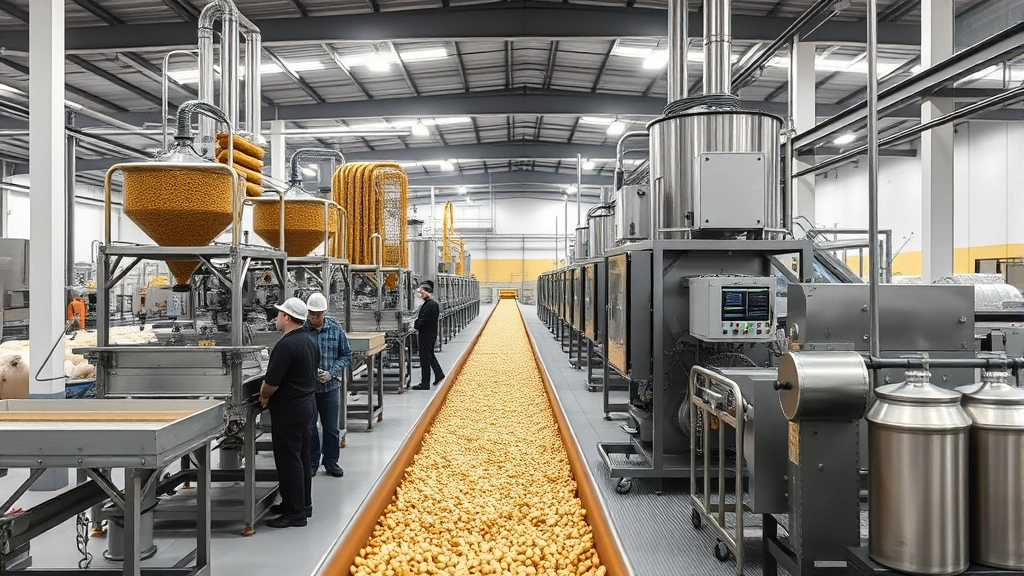
ADM’s supply chain spans global commodity markets, creating inherent complexity in contamination prevention. Raw materials sourced from various suppliers undergo processing at multiple facilities before final product formulation. Each transition point introduces potential contamination risks, requiring rigorous monitoring protocols. Research from industry analysis firms indicates that approximately 60% of feed-related incidents trace to ingredient sourcing rather than final manufacturing processes.
The interaction between storage conditions and contamination risk deserves particular attention. Temperature fluctuations, moisture accumulation, and inadequate pest control create environments where mycotoxin-producing organisms thrive. Modern feed facilities employ sophisticated environmental monitoring systems, yet challenges persist in ingredient storage warehouses operated by suppliers and distributors beyond direct corporate oversight.
Regulatory Framework and Compliance
Animal feed regulation in the United States operates through a complex federal and state structure. The FDA maintains primary authority over feed safety through the Federal Food, Drug, and Cosmetic Act, establishing standards for ingredient safety, labeling accuracy, and manufacturing practices. State feed control officials implement complementary regulations, creating a two-tier enforcement system.
The FDA’s Current Good Manufacturing Practice (CGMP) regulations require feed manufacturers to implement preventive controls addressing biological, chemical, and physical hazards. These regulations mandate hazard analysis, preventive measures documentation, monitoring procedures, and corrective action protocols. ADM, as a major manufacturer, maintains extensive compliance infrastructure, yet recalls can still occur when hazards escape detection systems.
The Association of American Feed Control Officials (AAFCO) establishes model regulations adopted by most states, ensuring consistency in feed ingredient definitions, nutrient standards, and labeling requirements. This framework theoretically creates uniform safety baselines across the industry. However, enforcement disparities and resource limitations among state agencies sometimes result in inconsistent oversight.
Third-party certification programs, such as those administered by the National Feed and Fertilizer Association, add another compliance layer. These voluntary programs subject manufacturers to audits by independent assessors, verifying adherence to safety protocols beyond minimum regulatory requirements. Industry leaders increasingly pursue such certifications to differentiate products and demonstrate commitment to safety.
Impact on Animal Health and Livestock Operations
The health consequences of contaminated feed vary depending on the contaminant type, concentration, and exposed animal population. Mycotoxin exposure typically manifests through reduced feed intake, impaired nutrient absorption, immune system suppression, and reproductive issues. Dairy cattle exposed to mycotoxin-contaminated feed frequently experience reduced milk production and quality, directly affecting farm profitability.
Bacterial contamination presents acute health risks. Salmonella infection in poultry operations can trigger severe enteritis, increased mortality, and potential zoonotic transmission to human consumers. Swine operations face comparable risks, with bacterial contamination potentially spreading rapidly through confined housing systems. The interconnected nature of modern livestock production means localized contamination incidents can cascade across regional supply chains.
Beyond immediate health effects, contaminated feed creates production inefficiencies and economic losses. Animals consuming compromised nutrition exhibit poor growth rates, extended time-to-market, and increased medical expenses. Reproductive animals may experience conception failures and offspring health complications. These effects compound over production cycles, creating substantial financial pressure on farming operations already operating with narrow profit margins.
The psychological impact on farmers following a feed recall deserves acknowledgment. Trust relationships with feed suppliers, built over years or decades, suffer damage when contamination occurs. Farmers face difficult decisions regarding alternative suppliers, potential product switching costs, and uncertainty about future safety. This trust erosion extends beyond individual operations, affecting industry confidence and potentially influencing purchasing behaviors across entire regions.
Implementing a comprehensive nutrition plan for livestock requires consistent, safe feed sources. When recalls disrupt supply chains, farmers must rapidly identify alternative formulations meeting their animals’ specific nutritional requirements—a challenge particularly acute for specialized operations with unique dietary needs.
Expert Recommendations for Feed Safety
Veterinary nutritionists and animal health specialists recommend multi-layered approaches to mitigating feed contamination risks. These expert recommendations emphasize both supplier selection and on-farm management practices:
- Supplier Due Diligence: Farmers should conduct thorough evaluations of feed manufacturers, examining facility audits, quality certifications, and historical safety records. Regular communication with suppliers regarding testing protocols and hazard management practices strengthens accountability.
- Ingredient Traceability: Understanding ingredient sourcing enables rapid response when contamination concerns emerge. Suppliers maintaining detailed records of ingredient origins facilitate targeted recalls and prevent unnecessary product destruction.
- On-Farm Storage Management: Proper feed storage prevents secondary contamination and mycotoxin development. Maintaining appropriate temperature, humidity, and pest control measures preserves feed quality from delivery through consumption.
- Regular Testing: Proactive mycotoxin and bacterial testing of feed and raw ingredients identifies contamination before animal consumption. While testing costs represent additional expenses, they prove economically justified compared to potential health crises.
- Nutritional Monitoring: Observing animal performance metrics—feed conversion ratios, growth rates, health indicators—provides early warning signals of nutritional or contamination issues. Deviations from expected performance should prompt investigation.
The American Association of Veterinary Nutritionists emphasizes that nutritional expertise extends beyond feed selection to encompass comprehensive herd health management. Nutritionists working closely with veterinarians and farm managers can identify contamination-related issues before they escalate into serious health events.
Industry experts also recommend establishing relationships with multiple feed suppliers to reduce dependency on single sources. Diversified sourcing provides operational flexibility when recalls occur and reduces vulnerability to supply chain disruptions. This approach requires additional management complexity but offers substantial risk mitigation benefits.
Industry Response and Quality Assurance
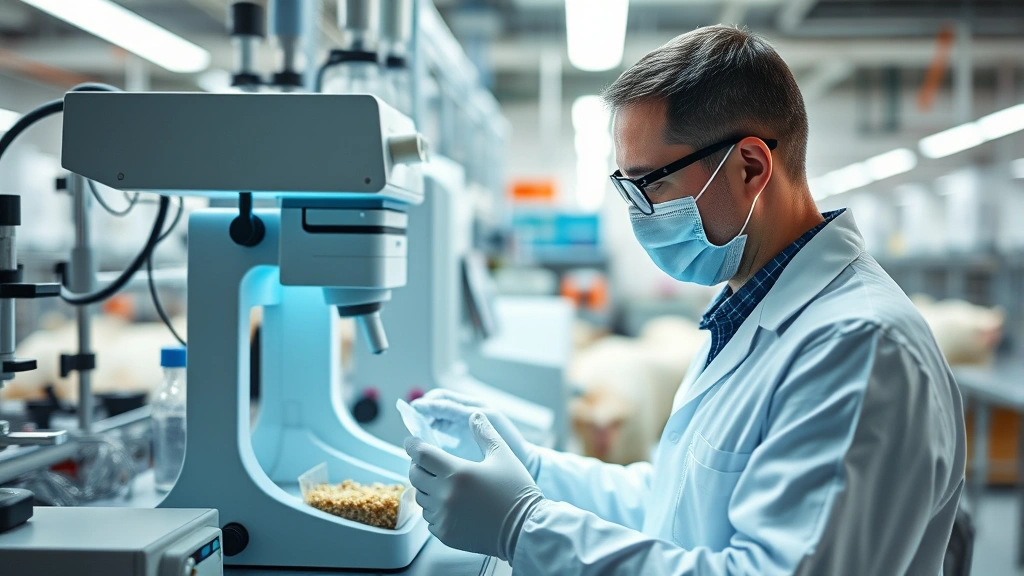
ADM and comparable major feed manufacturers have responded to safety concerns through enhanced quality assurance programs. These initiatives include upgraded testing equipment, expanded microbial analysis protocols, and real-time monitoring systems tracking ingredient quality throughout processing.
The industry has increasingly adopted risk-based preventive approaches aligned with the FDA’s Food Safety Modernization Act (FSMA) principles. These frameworks identify critical control points where contamination risks concentrate, implementing targeted monitoring and intervention strategies. Advanced analytics and artificial intelligence applications now enable predictive modeling of contamination risks based on ingredient sourcing patterns and environmental conditions.
Transparency initiatives represent another industry response dimension. Major manufacturers now publish detailed safety reports, recall information, and testing methodologies, recognizing that stakeholders demand accountability. This openness contrasts with historical industry practices characterized by limited public disclosure.
Collaboration within the feed industry has strengthened following high-profile recalls. Industry associations facilitate information sharing regarding emerging hazards, best practices, and regulatory developments. This collaborative approach accelerates industry-wide adoption of safety improvements rather than relying on individual manufacturer initiatives.
Understanding nutritional science and ingredient quality remains central to quality assurance efforts. Feed formulations must balance nutritional optimization with safety considerations, requiring continuous evaluation of ingredient performance and contamination risks.
Future Trends in Animal Nutrition Safety
The animal feed industry faces evolving safety challenges requiring adaptive strategies. Several emerging trends will likely shape future safety protocols:
Climate Change Impacts: Changing weather patterns increase mycotoxin risks in certain grain-producing regions. Warmer, wetter conditions favor mold growth, potentially increasing contamination frequency. The industry must develop climate-resilient sourcing strategies and expanded testing protocols for regions experiencing favorable conditions for mycotoxin development.
Blockchain Technology: Distributed ledger systems enable transparent ingredient tracking from production through final feed formulation. Blockchain implementation facilitates rapid identification of contaminated ingredient sources during recall situations, reducing the scope of product removal necessary.
Advanced Microbiology: Molecular techniques enable rapid pathogen identification, replacing time-consuming traditional culture methods. Real-time detection systems could identify contamination within hours rather than days, enabling faster corrective responses.
Alternative Proteins: As the industry incorporates novel protein sources including insect-based ingredients and cellular agriculture products, safety protocols must evolve to address unfamiliar contamination risks associated with emerging ingredient categories.
Regulatory Evolution: Regulatory agencies continue refining oversight frameworks, potentially implementing more stringent testing requirements and traceability mandates. Manufacturers must anticipate regulatory changes and implement proactive compliance measures.
The intersection of strategic nutrition planning and safety considerations will increasingly define competitive advantages in the feed industry. Manufacturers demonstrating superior safety performance and nutritional consistency will capture market share from competitors perceived as higher-risk.
FAQ
What triggers a feed recall?
Feed recalls occur when contamination is detected or suspected, posing potential health risks to animals. Triggers include mycotoxin detection, bacterial pathogen identification, chemical residue discovery, or physical hazard presence. Either manufacturers or regulatory agencies can initiate recalls.
How long does a feed recall typically last?
Recall duration varies based on contamination scope and product distribution. Simple recalls affecting limited batches might resolve within weeks, while widespread recalls can persist for months. The recall concludes once contaminated product is removed from circulation and root causes are addressed.
Can contaminated feed cause permanent animal health damage?
Depending on contaminant type and exposure duration, some health effects prove permanent. Reproductive damage, neurological effects from certain mycotoxins, and immune system impairment can have lasting consequences. However, many acute contamination effects resolve once clean feed is restored.
How should farmers respond to a feed recall?
Farmers should immediately cease feeding recalled products, isolate affected feed, contact suppliers for guidance, and consult veterinarians regarding animal health monitoring. Documentation of feed consumption and animal health observations proves valuable for liability and insurance purposes.
Are all feed manufacturers equally susceptible to recalls?
While all manufacturers face contamination risks, those implementing robust quality assurance programs, comprehensive testing protocols, and stringent supplier controls experience fewer recalls. Manufacturer size and resources influence preventive capability, though recalls occur across the industry spectrum.