
Fay Nutrition Tips for Busy Moms: Expert Advice for Balancing Health and Hectic Schedules
Motherhood demands extraordinary time management skills, yet nutrition often becomes the first casualty of a packed schedule. Between school runs, work commitments, and household responsibilities, busy moms frequently sacrifice their own dietary needs, reaching for convenience foods that leave them depleted and sluggish. However, expert nutritionists agree that prioritizing fay nutrition—a balanced approach to eating that emphasizes whole foods, sustainable habits, and realistic meal strategies—doesn’t require hours in the kitchen or complicated meal plans. This comprehensive guide reveals how busy mothers can implement professional nutrition strategies that fit seamlessly into their chaotic lives while maintaining energy, mental clarity, and long-term health.
The intersection of motherhood and nutrition represents a unique challenge in modern wellness. Recent studies from the Pew Research Center indicate that working mothers average only 2.5 hours daily for personal wellness activities, making efficient nutrition strategies essential. By understanding evidence-based nutrition principles and adopting streamlined approaches, busy moms can transform their relationship with food without adding stress to their already overwhelming schedules.
Understanding Fay Nutrition for Modern Mothers
Fay nutrition represents a practical, evidence-based approach to eating that prioritizes nutrient density without demanding perfection or excessive time investment. Unlike restrictive diet philosophies that promise dramatic transformations, fay nutrition acknowledges the reality of busy lifestyles while maintaining commitment to genuine health outcomes. This methodology combines principles from healthy nutrition planning with the flexibility that modern mothers desperately need.
The foundation of fay nutrition rests on three core pillars: simplicity, consistency, and adaptation. Rather than overcomplicating nutritional science, fay nutrition distills complex dietary information into actionable strategies that busy moms can implement immediately. Research published in the Journal of the Academy of Nutrition and Dietetics confirms that sustainable nutrition habits stem from realistic, personally tailored approaches rather than extreme dietary interventions. Mothers who adopt fay nutrition principles report improved energy levels, better stress management, and enhanced ability to meet family nutritional needs.
The psychological dimension of fay nutrition proves equally important as its nutritional components. Many busy mothers experience guilt about not preparing elaborate meals or maintaining perfect diets. Fay nutrition reframes nutrition as a self-care practice rather than another source of maternal guilt. By establishing achievable nutrition goals aligned with individual schedules and preferences, mothers create sustainable habits that endure beyond initial motivation.
Time-Saving Meal Preparation Strategies
Strategic meal preparation transforms nutrition from a daily stressor into a manageable system requiring minimal ongoing effort. Rather than traditional meal prepping—which demands several hours of intensive kitchen work—fay nutrition advocates for component-based preparation. This approach involves cooking versatile ingredients that combine into multiple meals throughout the week, reducing repetition while maintaining variety.
Batch cooking proteins represents the most impactful time-saving strategy. Dedicating one hour to cooking ground turkey, chicken breasts, and legumes simultaneously creates the nutritional foundation for numerous meals. These proteins combine with pre-cut vegetables, grains, and sauces to generate diverse options without requiring daily cooking. Busy moms should invest in quality storage containers, as proper food organization directly impacts meal-preparation sustainability.
The meal planning process accelerates when mothers select 3-4 simple dinner templates and rotate them weekly. For example, “sheet pan dinners” combining protein, vegetables, and healthy fats require minimal active cooking time. Slow cooker meals, prepared each morning in ten minutes, provide complete dinners ready upon evening arrival. Breakfast burritos assembled in batches offer grab-and-go nutrition for rushed mornings. This templated approach eliminates decision fatigue while ensuring nutritional balance.
Digital tools and services amplify meal-preparation efficiency. Grocery delivery services, meal-kit subscriptions, and pre-cut vegetable services represent worthwhile investments for time-constrained mothers. While these services cost more than traditional shopping, the time savings often justify expenses when compared to convenience foods or restaurant meals that busy moms might otherwise purchase.
Nutrient-Dense Foods That Require Minimal Prep
Busy moms achieve optimal nutrition by prioritizing foods that deliver maximum nutritional value with minimal preparation demands. These foods provide the micronutrients, macronutrients, and phytonutrients essential for sustained energy and cognitive function without requiring cooking expertise or extensive time investment.
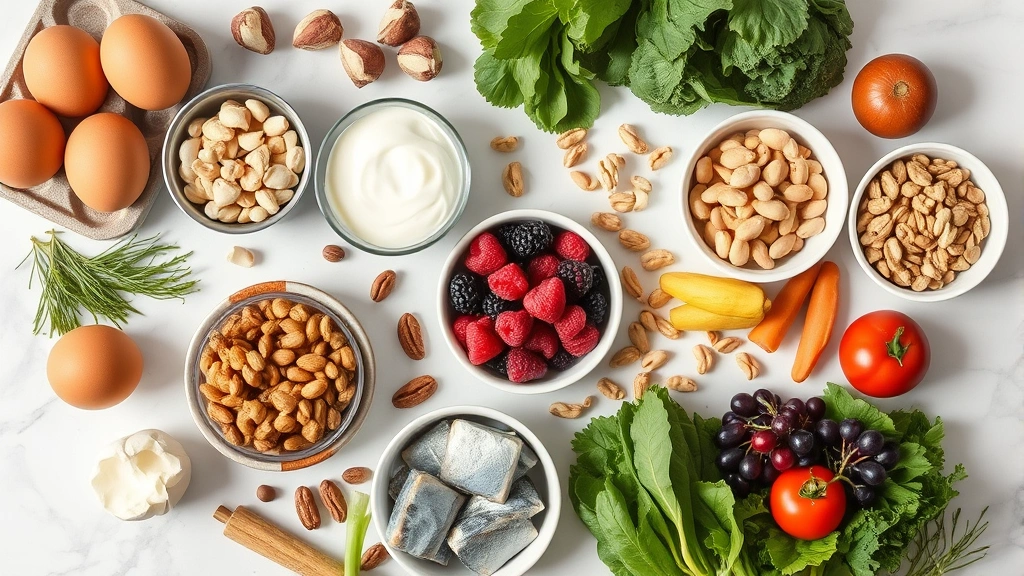
Eggs represent perhaps the most versatile, nutrient-dense food available to busy mothers. Boiled in bulk, eggs provide complete protein, choline for cognitive function, and lutein for eye health. They require no special preparation beyond boiling and refrigerating. Scrambled, fried, or added to grain bowls, eggs adapt to any meal while delivering exceptional nutritional density.
Greek yogurt offers similar convenience with exceptional protein content—approximately 15-20 grams per serving. Combined with granola, berries, or nuts, yogurt provides substantial breakfast nutrition requiring zero cooking. The nutrient absorption benefits of fermented dairy products support digestive health while providing probiotics essential for immune function.
Canned fish—particularly sardines, salmon, and mackerel—delivers omega-3 fatty acids crucial for brain health without requiring cooking. These foods contain bones that provide bioavailable calcium, making them exceptional choices for busy mothers concerned about bone health. Consumed directly from the can or combined with crackers and vegetables, canned fish addresses multiple nutritional needs simultaneously.
Frozen vegetables and fruits maintain nutritional integrity while offering unmatched convenience. Frozen berries retain anthocyanins and vitamin C through flash-freezing processes that occur within hours of harvesting. Frozen broccoli, spinach, and mixed vegetables eliminate chopping requirements while providing consistent portions. Research from the USDA National Agricultural Library confirms that frozen produce often exceeds fresh produce in micronutrient content due to minimal time between harvest and preservation.
Nuts and seeds provide calorie-dense nutrition supporting sustained energy and hormonal health. Almonds, walnuts, chia seeds, and flax seeds require no preparation while delivering healthy fats, fiber, and micronutrients. Pre-portioned nut butter packets eliminate measurement requirements for busy mothers seeking quick protein sources.
Legumes—whether canned or dried—provide exceptional plant-based protein and fiber supporting digestive health and satiety. Canned beans require only draining and rinsing before incorporation into meals, while dried legumes, when prepared in bulk, create affordable protein sources lasting throughout the week.
Building a Sustainable Weekly Nutrition Framework
Successful nutrition for busy mothers emerges from consistent systems rather than sporadic efforts. A sustainable weekly nutrition framework establishes predictable rhythms that reduce daily decision-making while ensuring nutritional adequacy across all macronutrient and micronutrient categories.
The framework begins with identifying anchor meals—nutritionally complete meals requiring minimal preparation that the family enjoys eating. These anchor meals repeat weekly, providing familiar structure while freeing mental energy for other responsibilities. For example, Tuesday might always feature grain bowls with pre-cooked protein and roasted vegetables. Thursday might consistently include slow-cooker chili with side salads. This predictability paradoxically increases family satisfaction while reducing meal-planning burden.
Incorporating dietary fiber strategies within this framework ensures digestive health and sustained energy. Each meal should include vegetables, whole grains, or legumes providing 5-8 grams of fiber. Fiber-rich foods promote satiety, stabilize blood sugar, and support cognitive function—particularly important for busy mothers managing stress and fatigue.
The framework incorporates flexible category nights rather than rigid meal plans. “Breakfast for dinner” nights, “build-your-own taco” nights, and “pasta night” nights provide structure while accommodating family preferences and available ingredients. This approach maintains nutritional consistency while preventing meal-plan monotony that derails long-term adherence.
Snack strategy significantly impacts overall nutrition for busy moms. Rather than reactive snacking driven by hunger and convenience, intentional snack planning ensures sustained energy throughout demanding days. Prepared snack combinations—nuts with dried fruit, cheese with whole grain crackers, vegetable sticks with hummus—reduce impulsive choices toward less nutritious options.
Weekly shopping aligned with this framework streamlines grocery procurement and reduces food waste. Shopping from a consistent list organized by store layout minimizes time spent navigating supermarkets while ensuring essential nutrients remain available throughout the week.
Hydration and Energy Management
Dehydration represents one of the most overlooked factors undermining maternal energy and cognitive function. Busy mothers frequently prioritize others’ hydration while neglecting their own water intake, creating a cascade of fatigue, headaches, and reduced mental clarity. Establishing consistent hydration practices requires minimal effort while delivering substantial health benefits.
The traditional “eight glasses daily” recommendation represents a starting point rather than absolute requirement—individual needs vary based on activity level, climate, and body composition. However, most busy mothers significantly underconsume water relative to their actual requirements. A practical strategy involves consuming one full glass of water upon waking, before each meal, and with each snack. This approach typically meets hydration requirements without requiring active monitoring.
Strategic caffeine consumption amplifies energy management for sleep-deprived mothers. Rather than consuming caffeine haphazardly throughout the day, timing caffeine intake to align with natural circadian rhythms maximizes effectiveness. Morning and early afternoon caffeine consumption supports alertness during peak responsibility hours without disrupting evening sleep quality.
Electrolyte balance deserves attention for mothers engaging in regular exercise or living in hot climates. While commercial sports drinks often contain excessive sugar, natural electrolyte sources—coconut water, salted nuts, fermented vegetables—provide minerals supporting hydration and preventing fatigue. Nutritional support for mental health includes adequate mineral intake supporting neurotransmitter production and stress resilience.
Blood sugar stability directly impacts energy consistency throughout demanding days. Combining protein, healthy fats, and complex carbohydrates in each meal prevents the energy crashes that plague busy mothers relying on quick carbohydrate sources. This macronutrient balance sustains glucose levels, supporting sustained energy and emotional regulation.
Overcoming Common Nutrition Obstacles
Busy mothers encounter predictable obstacles undermining nutrition intentions. Recognizing these challenges and implementing strategic responses prevents temporary setbacks from derailing long-term nutrition goals.
Decision fatigue represents perhaps the most significant obstacle. After making hundreds of daily decisions, mothers lack mental resources for complex meal planning. Addressing this obstacle requires reducing choices through established routines and templates rather than expanding options. Limiting breakfast choices to 3-4 consistent options eliminates morning decision-making while ensuring nutritional adequacy.
Social and family pressure frequently conflicts with personal nutrition goals. Extended family members or partners may resist dietary changes or suggest mothers lack time for nutrition priorities. Communicating nutrition changes as family health initiatives rather than personal restrictions builds support. Involving family members in meal preparation creates investment in new eating patterns while reducing maternal burden.
Financial constraints limit nutrition options for many mothers. However, evidence-based nutrition guidance consistently demonstrates that whole foods—eggs, legumes, frozen vegetables, canned fish—cost significantly less than processed alternatives. Strategic shopping, bulk purchasing, and seasonal eating maximize nutritional value within limited budgets. Prioritizing nutrient density over food quantity ensures maximum health benefits per dollar spent.
Perfectionism sabotages nutrition sustainability. Mothers who view occasional convenience foods or restaurant meals as “failures” experience guilt-driven cycling between restriction and abandonment. Reframing nutrition as a flexible system accommodating real life prevents all-or-nothing thinking that undermines long-term adherence. A single restaurant meal or processed food doesn’t negate weeks of consistent nutrition choices.
Competing priorities frequently displace nutrition planning. When busy mothers face illness, work crises, or family emergencies, nutrition intentions collapse. Establishing minimum viable nutrition—the absolute minimum effort maintaining basic nutritional adequacy during crisis periods—prevents complete dietary abandonment. This might involve relying on rotisserie chicken, pre-cooked rice, and frozen vegetables rather than elaborate meal preparation.
Teaching Children Healthy Eating Habits
Busy mothers often prioritize their children’s nutrition while neglecting their own, creating unsustainable patterns where maternal nutrition suffers. However, children learn eating habits through observation and participation rather than lectures. By modeling healthy nutrition choices and involving children in meal preparation, mothers simultaneously address family nutrition and their own dietary needs.
Children respond positively to involvement in food selection and preparation. Even young children can wash vegetables, tear lettuce, or mix ingredients under supervision. This participation increases likelihood of consuming prepared foods while teaching valuable life skills. Older children benefit from learning basic cooking skills, creating independence and reducing maternal workload as they mature.
Establishing consistent family meal times—even brief 15-minute dinners—creates nutritional and emotional benefits exceeding the minimal time investment. Research from the American Psychological Association demonstrates that family meals improve children’s academic performance, emotional regulation, and eating habits while strengthening family relationships. These benefits extend to maternal mental health through increased connection and stress reduction.
Modeling realistic, balanced eating patterns teaches children more effectively than restrictive food rules. Mothers who eat vegetables, whole grains, and protein-rich foods while occasionally enjoying treats demonstrate that all foods fit within healthy eating patterns. This approach prevents the disordered eating patterns that emerge from rigid food restriction.
Reducing pressure around food consumption paradoxically improves children’s nutritional intake and relationship with eating. Forcing children to finish plates or restricting preferred foods typically backfires, creating power struggles and disordered eating patterns. Instead, offering diverse nutritious options and allowing children autonomy in portion selection respects their internal hunger cues while maintaining parental responsibility for food quality.

FAQ
What does “fay nutrition” specifically mean for busy mothers?
Fay nutrition represents a practical, flexible approach to eating emphasizing nutrient-dense whole foods without demanding perfection or excessive time investment. For busy mothers, it prioritizes consistency and simplicity over complexity, offering sustainable strategies that integrate into hectic schedules rather than adding stress.
How much time should busy moms dedicate to meal preparation weekly?
Strategic meal preparation requires 2-3 hours weekly for component-based preparation, significantly less than traditional daily cooking. This time investment yields substantial returns through reduced daily decision-making, faster meal assembly, and decreased reliance on convenience foods.
Can busy moms maintain adequate nutrition with minimal cooking skills?
Absolutely. Many nutrient-dense foods require no cooking—eggs, Greek yogurt, canned fish, nuts, and frozen vegetables provide exceptional nutrition with minimal preparation. Simple cooking techniques like sheet pan dinners and slow cooker meals deliver complete nutrition without requiring culinary expertise.
How can busy moms address nutritional needs during particularly demanding periods?
Establishing “minimum viable nutrition” strategies prevents complete dietary abandonment during crisis periods. This might involve relying on rotisserie chicken, pre-cooked rice, frozen vegetables, and simple combinations requiring minimal active preparation while maintaining basic nutritional adequacy.
What role does hydration play in busy moms’ energy and cognitive function?
Hydration significantly impacts energy, mental clarity, and stress resilience. A practical approach involves consuming one glass of water upon waking, before each meal, and with each snack, typically meeting hydration requirements without active monitoring.
How can busy moms prevent nutrition changes from creating family conflict?
Framing nutrition changes as family health initiatives rather than personal restrictions builds support. Involving family members in meal preparation and maintaining familiar anchor meals prevents resistance while creating investment in new eating patterns.


