
Fairlife Nutrition Plan: Expert Insights Revealed
The Fairlife Nutrition Plan has emerged as a significant player in the functional beverage and nutritional supplement space, capturing consumer attention through its science-backed formulations and dairy-focused innovation. As health-conscious consumers increasingly scrutinize their dietary choices, understanding what experts say about this brand becomes essential for making informed decisions. This comprehensive analysis explores the evidence, expert perspectives, and practical applications of Fairlife’s nutritional offerings.
Fairlife, owned by Coca-Cola, distinguishes itself through ultra-filtration technology that concentrates milk’s natural nutrients while reducing lactose content. The brand’s commitment to transparency and third-party testing has resonated with fitness enthusiasts, athletes, and individuals following structured nutrition plans. However, expert opinions vary regarding its positioning within broader wellness strategies, and critical examination reveals both strengths and considerations worth exploring.
Fairlife’s Nutritional Technology and Innovation
Fairlife’s ultra-filtration process represents a meaningful advancement in dairy processing, separating milk into its constituent components through mechanical means rather than chemical additives. Registered Dietitian Nutritionists point to this approach as fundamentally different from conventional fortification, which relies on synthetic nutrient addition. The technology naturally concentrates protein, calcium, and micronutrients while removing approximately 30% more lactose than standard milk.
This innovation addresses a real market need. According to Pew Research Center data on consumer health trends, approximately 65% of the global population experiences reduced lactose tolerance after infancy. Fairlife’s response through technological innovation rather than elimination has positioned the brand as serving both lactose-sensitive consumers and those seeking nutrient-dense alternatives. Experts note that this maintains the nutritional profile of traditional dairy while improving accessibility.
The brand’s flagship products contain 13 grams of protein per 8-ounce serving, with minimal added sugars in their core line. Nutritionists appreciate that this high protein-to-calorie ratio supports muscle protein synthesis, a critical consideration for anyone following a structured nutrition plan. However, expert analysis also emphasizes that technological innovation alone doesn’t guarantee superiority—context, individual needs, and overall dietary patterns matter considerably.
Expert Analysis of Protein Content and Quality
Fairlife’s protein offering deserves detailed examination through a nutritional science lens. The 13-gram protein content comes from milk protein concentrate, comprising both casein and whey in approximately the ratio found in whole milk. Sports nutritionists and strength and conditioning professionals recognize this complete amino acid profile as advantageous for muscle recovery and adaptation.
Research published in the Journal of the International Society of Sports Nutrition supports milk protein’s efficacy for post-exercise recovery, particularly when consumed within two hours of training. Fairlife’s formulation aligns with these evidence-based recommendations. Additionally, the protein quality metrics—measured through PDCAAS (Protein Digestibility Corrected Amino Acid Score) and DIAAS (Digestible Indispensable Amino Acid Score)—rank milk proteins at the highest tier, equal to whey protein isolate.
Experts do note important distinctions regarding protein source. While plant-based alternatives have expanded significantly, dairy proteins offer superior leucine content and bioavailability metrics. For individuals specifically seeking to improve nutrient absorption, dairy’s naturally-occurring compounds like lactoferrin and immunoglobulins provide additional functional benefits. Fairlife preserves these compounds better than ultra-high-temperature processed conventional milk.
The added micronutrients deserve attention as well. Fairlife fortifies its products with vitamin A, vitamin D, and calcium—nutrients frequently under-consumed in Western diets. Nutrition epidemiologists point to vitamin D deficiency as particularly prevalent, affecting approximately 40% of Americans. The 120 IU of vitamin D per serving contributes meaningfully to daily requirements, though experts emphasize this shouldn’t replace sun exposure or comprehensive supplementation strategies for deficient individuals.
Lactose Reduction and Digestive Benefits
The lactose reduction represents perhaps Fairlife’s most clinically significant innovation. By filtering out approximately 30% more lactose than standard milk, the brand creates a product suitable for individuals with lactose malabsorption—distinct from lactose intolerance, though the terms are often conflated. This distinction matters for dietary planning and understanding individual responses.
Gastroenterologists recognize that lactose malabsorption affects varying percentages of populations depending on ethnicity and geography, ranging from 5% in Northern European populations to 90% in East Asian populations. For affected individuals, conventional dairy consumption triggers osmotic diarrhea, bloating, and abdominal discomfort. Fairlife’s reduced-lactose formulation allows many lactose-sensitive people to consume dairy without these adverse effects.
However, experts emphasize an important caveat: Fairlife isn’t lactose-free. Individuals with severe lactose intolerance or those following strict lactose-elimination protocols require fully lactose-free alternatives. The remaining lactose content still triggers symptoms in approximately 15-20% of people with significant malabsorption. For the broader population experiencing mild-to-moderate symptoms, however, Fairlife provides a practical bridge between conventional dairy and specialized alternatives.
Nutritional scientists also highlight the digestive microbiome implications. The reduced lactose content means less substrate for colonic bacteria fermentation, potentially reducing gas production and bloating. Simultaneously, the preserved milk oligosaccharides and other bioactive compounds support prebiotic activity, contributing to microbiome diversity. This nuanced benefit extends beyond simple lactose reduction to encompass broader digestive health considerations.
Comparative Landscape: Fairlife vs. Competitors
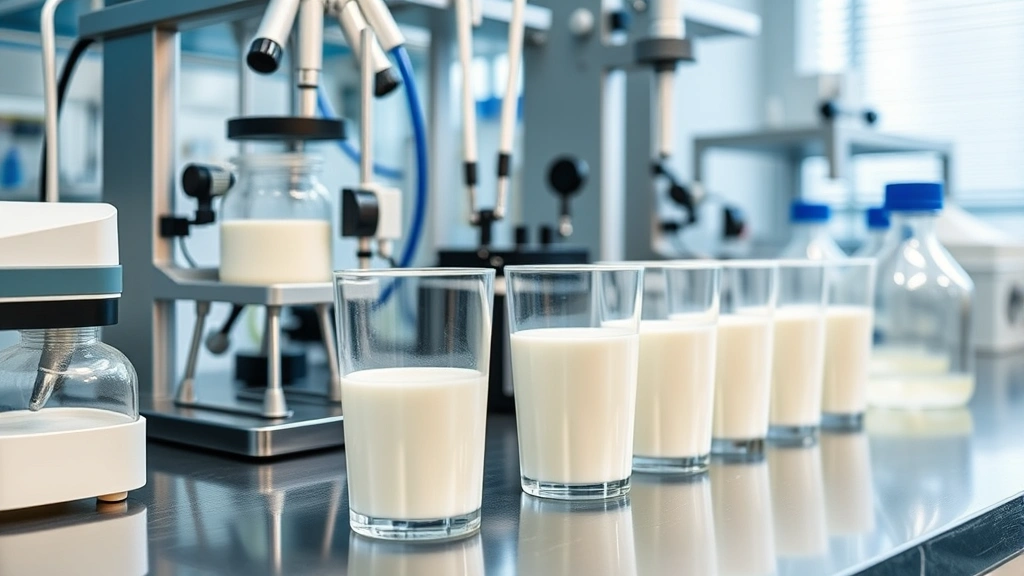
Understanding Fairlife’s position requires contextualizing it within the broader beverage market. Competitive analysis reveals several categories worth distinguishing: conventional dairy milk, plant-based alternatives, specialized sports nutrition drinks, and functional beverages. Fairlife occupies a unique space between conventional dairy and premium functional products.
Compared to conventional whole milk, Fairlife offers superior protein concentration and reduced lactose without sacrificing the complete amino acid profile that plant-based alternatives sometimes compromise. A serving of conventional milk contains approximately 8 grams of protein; Fairlife’s 13-gram offering represents a 60% increase. Experts recognize this distinction as meaningful for individuals seeking to optimize meal planning around protein targets.
Against plant-based competitors like oat milk or almond milk, Fairlife maintains nutritional advantages in protein quality and micronutrient density. However, plant-based alternatives offer environmental benefits and suitability for vegans—considerations beyond pure nutritional metrics. Registered Dietitian Nutritionists emphasize that optimal choice depends on individual values, dietary restrictions, and specific nutritional needs rather than absolute superiority.
Compared to dedicated sports nutrition beverages like whey protein shakes, Fairlife offers convenience and whole-food positioning at lower cost per serving. However, specialized sports drinks often provide additional ingredients like carbohydrates for glycogen repletion or creatine for muscle performance. For post-workout recovery specifically, Fairlife serves well but doesn’t replace targeted sports nutrition strategies in high-performance contexts.
Market research from Food Industry Advisors indicates Fairlife commands approximately 8-10% of the premium dairy segment, competing primarily against Organic Valley and Straus Family Creamery. This positioning reflects consumer recognition of quality and innovation, though volume remains concentrated in conventional dairy products. Experts attribute this partly to price premiums—Fairlife typically costs 30-40% more than conventional milk.
Sustainability and Sourcing Practices
Expert analysis increasingly incorporates sustainability metrics alongside nutritional content. Fairlife’s ultra-filtration technology produces liquid whey byproducts requiring disposal or utilization—an environmental consideration worth examining. The brand has faced scrutiny regarding animal welfare practices at sourcing facilities, with animal rights organizations raising concerns about dairy farming practices.
From a carbon footprint perspective, dairy inherently carries higher environmental impact than plant-based alternatives, producing approximately 3.2 kilograms of CO2 per kilogram of milk. However, dairy’s superior protein density and bioavailability mean lower total volume consumption may be required to meet protein targets compared to plant alternatives. Lifecycle analysis becomes context-dependent based on individual consumption patterns and comparative alternatives.
Fairlife has made commitments to sustainable sourcing, implementing regional programs supporting farmer sustainability practices. However, third-party certification verification remains limited. Consumers prioritizing sustainability should cross-reference Fairlife’s claims against independent certifications like Fair Trade or Regenerative Organic Certified, which Fairlife doesn’t currently hold across its full product line.
Nutrition scientists emphasize that sustainability considerations, while important, shouldn’t override nutritional adequacy for individuals with specific dietary needs. For someone requiring additional protein and calcium, choosing a less sustainable option may prove more health-promoting than selecting a less nutritionally complete alternative for environmental reasons. Ideally, products would excel in both dimensions—a goal Fairlife continues advancing through innovation.
Consumer Application and Real-World Results
Expert insights extend beyond laboratory metrics to real-world application. Fairlife consumption patterns reveal distinct consumer segments: fitness enthusiasts using it for post-workout recovery, individuals with lactose sensitivity seeking practical dairy solutions, and health-conscious families optimizing children’s nutrition. Each segment experiences different outcomes based on their specific context.
Fitness professionals report positive feedback from clients incorporating Fairlife into recovery protocols. The high protein content, rapid absorption profile, and complete amino acid composition support muscle protein synthesis effectively. Combined with resistance training, consumers report improved recovery and muscle development comparable to dedicated whey protein supplementation—at lower cost.
For lactose-sensitive individuals, Fairlife frequently represents a meaningful quality-of-life improvement. The ability to consume dairy without gastrointestinal distress enables broader dietary flexibility and access to dairy’s micronutrient profile. Dietitian case studies document improved dietary adherence and nutritional adequacy when lactose-sensitive clients transition to Fairlife-based nutrition plans.
However, experts also identify potential limitations. For individuals following low-sugar protocols or managing metabolic conditions, Fairlife’s 12-gram carbohydrate content (primarily lactose and added vitamins) may require accounting. While reasonable compared to many beverages, those following ketogenic or very-low-carbohydrate approaches need to factor this into macronutrient calculations.
Long-term adherence studies remain limited. Most research examining dairy consumption patterns extends over weeks to months rather than years. Experts emphasize that nutritional products’ ultimate value depends on consistent consumption as part of sustainable dietary patterns—a variable difficult to measure in clinical contexts but critical for real-world outcomes.
Fairlife’s expansion into protein shakes, yogurts, and ice cream reflects consumer demand across consumption contexts. Nutritionists note that while these products maintain the brand’s protein and nutrient density advantages, formulations vary. Some products contain added sugars or ingredients requiring individual assessment. Expert recommendation: evaluate each specific product rather than assuming category-wide consistency.

Research from Journal of Nutrition examining milk protein consumption and metabolic health indicates positive associations with weight management and glucose regulation when integrated into calorie-controlled diets. Fairlife’s elevated protein concentration may enhance these benefits by improving satiety and thermic effect of food—though the mechanism involves overall protein intake rather than Fairlife-specific advantages.
Expert consensus suggests Fairlife functions optimally as one component within comprehensive dietary strategies rather than as a standalone solution. Combined with whole foods rich in fiber, phytonutrients, and diverse nutrients, Fairlife supports nutritional goals effectively. Conversely, relying on Fairlife while neglecting whole-food consumption patterns won’t produce optimal health outcomes regardless of product quality.
FAQ
Is Fairlife safe for children?
Fairlife is generally safe for children above one year old, maintaining dairy’s essential nutrients for growth and development. However, parents should verify that specific formulations align with children’s nutritional needs and that whole foods remain the primary nutrient source. Consulting pediatricians regarding individual children ensures appropriate recommendations.
Does Fairlife taste significantly different from conventional milk?
Fairlife contains a slightly creamier mouthfeel due to protein concentration, with taste very similar to conventional milk. Some consumers note subtle differences; individual preferences vary. Tasting before committing to large purchases helps assess personal preference.
Can athletes rely solely on Fairlife for protein needs?
While Fairlife provides high-quality protein, athletes should diversify protein sources across whole foods and potentially specialized supplements based on specific sport and training phase requirements. Fairlife works well as one component within comprehensive sports nutrition strategies.
How does Fairlife compare nutritionally to Greek yogurt?
Greek yogurt typically contains 15-20 grams of protein per 7-ounce serving with added probiotics and different micronutrient profiles. Both products offer nutritional advantages; choice depends on individual preferences, digestive tolerance, and dietary context.
Is Fairlife appropriate for individuals with milk allergies?
No. Fairlife contains milk protein and isn’t suitable for individuals with true milk allergies, which involve immune responses to milk proteins. Ultra-filtration concentrates rather than removes allergens. Milk-allergic individuals require fully dairy-free alternatives.
What’s the shelf life of unopened Fairlife products?
Unopened Fairlife typically maintains quality for 7-10 days beyond printed dates when refrigerated properly. Once opened, consume within 7 days. Ultra-high-temperature processing extends shelf life compared to conventional milk.


