
The Cava nutrition calculator has emerged as a valuable tool for health-conscious diners navigating the fast-casual Mediterranean restaurant chain. As a registered dietitian reviewing this resource, I’ve found it offers transparent nutritional data that empowers customers to make informed choices aligned with their dietary goals. This comprehensive analysis examines how Cava’s calculator functions, its accuracy, limitations, and practical applications for various dietary preferences.
Cava, known for its customizable grain bowls and salads, operates in a space where nutritional transparency can significantly influence eating behaviors. The nutrition calculator integrates portion sizes, ingredient combinations, and preparation methods—critical factors that many casual dining establishments overlook. Understanding how to leverage this tool effectively can transform your dining experience from guesswork to strategic nutrition planning.
How the Cava Nutrition Calculator Works
Cava’s nutrition calculator operates as an interactive digital tool integrated into their website and mobile application. The interface allows customers to build their meal virtually, selecting base options (grains, greens, proteins), vegetables, spreads, and dressings. As you make selections, the calculator updates nutritional metrics in real-time, displaying calories, macronutrients, and key micronutrients.
The system’s architecture reflects modern nutritional transparency standards. Each ingredient has been analyzed for nutritional composition, with portion sizes standardized to match actual restaurant servings. This approach contrasts sharply with establishments that provide only generic estimates. The calculator presents information for sodium, protein, carbohydrates, dietary fiber, sugars, total fat, and saturated fat—metrics aligned with FDA labeling requirements and FDA nutrition label standards.
What distinguishes Cava’s tool is its granularity. Rather than offering predetermined bowl options only, the calculator accommodates complete customization. This flexibility appeals to individuals following healthy nutrition plans with specific macronutrient targets. Whether you’re building a high-protein bowl or minimizing sodium intake, the calculator adapts to your selections.
The mobile application integration proves particularly valuable. Rather than consulting a website before arriving at the restaurant, customers can plan their meal during the ordering process, making real-time adjustments based on nutritional feedback. This immediacy removes friction from health-conscious decision-making.
Accuracy and Data Reliability
Evaluating calculator accuracy requires examining several dimensions: ingredient composition, portion standardization, and preparation variable accounting. From a dietitian’s perspective, Cava demonstrates above-average commitment to these factors.
The chain provides standardized ingredient lists with nutritional analysis conducted by third-party laboratories. This external verification adds credibility compared to internal estimates. However, some variation remains inevitable in restaurant environments. Fresh produce nutrient density fluctuates seasonally; grain moisture content varies; protein cooking methods affect caloric density.
Research from Pew Research Center’s consumer behavior studies indicates that transparency in nutritional information correlates with improved dietary adherence. Cava’s calculator, by providing detailed data, supports this behavioral shift toward mindful eating.
Cross-referencing Cava’s reported values with USDA nutritional databases for comparable ingredients reveals generally accurate representations. The reported protein content for proteins like grilled chicken and falafel aligns with standard nutritional references. Caloric values for base grains and vegetables fall within expected ranges when accounting for preparation oils and cooking methods.
One notable accuracy consideration involves dressing calculations. Cava’s drizzle portions represent standard restaurant servings, typically two tablespoons. Customers who request extra dressing should adjust calculator values accordingly. This represents a common limitation across restaurant nutrition tools—they assume standard portioning.
Macronutrient Breakdown Analysis
The calculator’s macronutrient presentation enables sophisticated dietary planning. Cava’s standard bowls typically range from 400-800 calories, accommodating various caloric targets.
Protein Content: Cava excels in protein variety. The calculator lists multiple protein options with precise gram amounts. A standard 4-ounce portion of grilled chicken provides approximately 35 grams of protein, while the same portion of falafel delivers roughly 12 grams. This transparency allows individuals pursuing athletic nutrition optimization through dietary strategies to construct high-protein meals systematically.
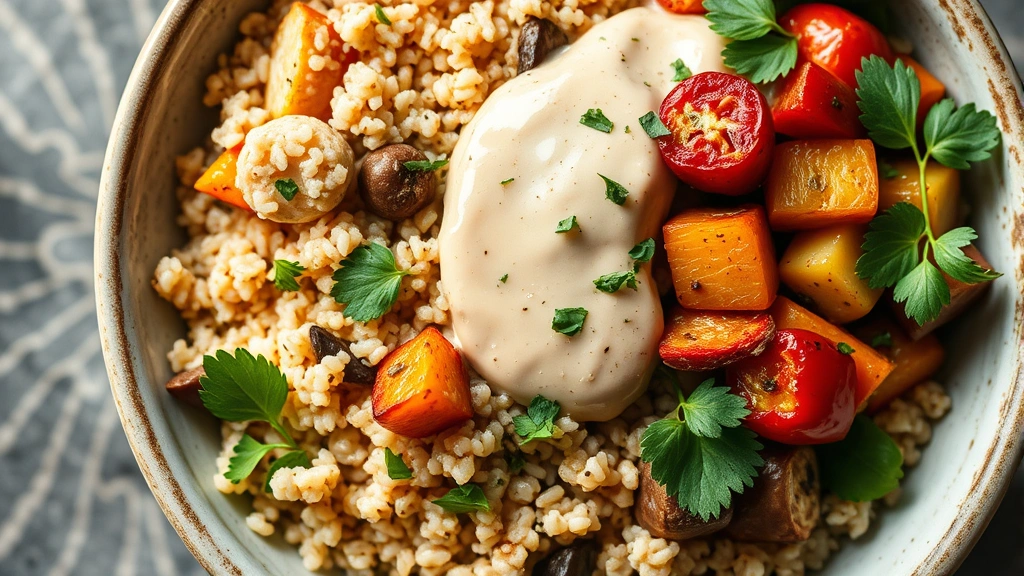
Carbohydrate Quality: The distinction between refined and complex carbohydrates appears clearly in the calculator. Selecting farro or quinoa versus white rice demonstrates immediate caloric and fiber differentials. The fiber content—often overlooked in casual dining—receives explicit attention. A bowl with farro, roasted vegetables, and legumes typically provides 8-12 grams of dietary fiber, supporting satiety and metabolic health.
Fat Composition: Perhaps the most valuable feature involves fat categorization. Rather than lumping all fats together, the calculator distinguishes between saturated and unsaturated sources. Selecting tahini-based dressings or adding nuts highlights Mediterranean dietary patterns emphasizing heart-healthy fats. The nutritional composition of avocados particularly demonstrates this tool’s value—customers see how avocado additions contribute healthy monounsaturated fats.
The macronutrient ratios available through customization support various dietary philosophies. Low-carbohydrate approaches can be accommodated through protein and vegetable prioritization. Mediterranean-style eating emphasizes the whole-grain and olive oil combinations Cava facilitates. Plant-based diets benefit from the legume and grain pairing options.
Micronutrient Considerations
While the calculator displays macronutrients prominently, micronutrient information presents both strengths and limitations. The tool reports sodium content explicitly—critical for individuals managing hypertension or cardiovascular conditions. Most Cava bowls range from 800-1200 milligrams of sodium, representing moderate levels for a single meal.
Iron content receives attention, particularly valuable for vegetarians and vegans. The combination of legumes, leafy greens, and whole grains creates synergistic iron absorption. Pairing iron-rich spinach with vitamin C-containing vegetables (tomatoes, peppers) optimizes bioavailability—a sophisticated nutritional consideration reflected in Cava’s ingredient options.
Calcium tracking proves less straightforward. While some spreads and dressings contain dairy-based ingredients, the calculator doesn’t always clearly indicate calcium contributions. Individuals requiring specific calcium intake should note that most Cava bowls provide modest amounts unless specifically selecting feta cheese or yogurt-based components.
The connection between omega-3 fatty acid benefits and Mediterranean cuisine becomes apparent through calculator exploration. While fish proteins aren’t standard Cava offerings, the emphasis on olive oil-based preparations and vegetable diversity supports anti-inflammatory dietary patterns.
Micronutrient density—the ratio of vitamins and minerals relative to calories—represents another strength. Cava’s vegetable-forward approach naturally increases micronutrient density compared to protein-heavy fast-casual alternatives. A customer prioritizing nutrient density can construct a 600-calorie bowl delivering substantial portions of vitamins A, C, K, folate, and potassium.
Using Calculator for Specific Diets
Mediterranean Diet: The calculator serves Mediterranean-style eating exceptionally well. Emphasizing whole grains, legumes, olive oil, and vegetables while moderating protein portions aligns perfectly with Cava’s structure. The tool enables customers to verify their choices match Mediterranean principles.
Ketogenic Approaches: Low-carbohydrate dieters face challenges at many restaurants, but Cava’s customization addresses this. By selecting protein-based bowls with vegetable emphasis and minimizing grains, customers can maintain ketogenic parameters. The calculator provides immediate feedback on carbohydrate totals, enabling informed decisions.
Plant-Based Eating: Vegetarian and vegan customers find particular value in the nutrition calculator. The tool clearly identifies plant-based proteins, allowing customers to combine legumes, grains, and nuts to achieve complete amino acid profiles. The calculator helps verify that plant-based meals provide adequate protein for individual requirements.
Calorie-Restricted Diets: For individuals managing weight through caloric intake, the calculator eliminates guesswork. Rather than estimating a bowl’s calories, customers see exact values for their specific combination. This precision supports adherence to caloric targets.
Sodium-Restricted Diets: Individuals managing hypertension or other sodium-sensitive conditions benefit significantly. The calculator displays sodium content, enabling selection of lower-sodium bases and dressings. Choosing grains with vegetable-forward preparations and salt-reduced dressing options brings sodium content to acceptable levels.
The relationship between nutrition and mental health through dietary choices extends to the psychological benefits of the calculator. Individuals managing eating behaviors or recovering from disordered eating patterns often benefit from transparent nutritional information, reducing anxiety around food choices.
Limitations and Gaps
Despite notable strengths, the Cava nutrition calculator presents several limitations warranting acknowledgment.
Preparation Variability: The calculator assumes standardized preparation, but restaurant execution varies. Oil quantities in roasting vegetables may fluctuate; dressing application differs between staff members; grain cooking methods affect final nutritional composition. These variations typically represent ±5-10% deviations from calculated values.
Incomplete Micronutrient Reporting: While macronutrients and select micronutrients appear, the calculator doesn’t report complete micronutrient profiles. Magnesium, zinc, B vitamins, and other minerals lack explicit reporting. Customers requiring comprehensive micronutrient tracking must supplement calculator data with external resources.
Allergen Cross-Contamination: The calculator addresses allergen presence but doesn’t account for preparation environment cross-contamination. Individuals with severe allergies requiring completely separate preparation may need direct communication with staff beyond calculator consultation.
Limited Historical Tracking: While the calculator shows current meal composition, most versions don’t provide historical tracking or cumulative nutritional data across multiple meals. Customers interested in weekly nutritional patterns must manually aggregate information.
Supplement Integration: The calculator focuses on food items without integrating nutritional supplements. Individuals supplementing with vitamins, minerals, or other compounds must track these separately.
Practical Tips for Optimization
Maximizing the calculator’s value requires strategic approach:
Plan Before Ordering: Use the calculator at home or in the car before arriving at the restaurant. This removes time pressure and enables thoughtful optimization rather than rushed decisions.
Establish Baseline Targets: Determine your daily macronutrient and caloric targets beforehand. Having these numbers ready accelerates calculator navigation toward appropriate choices.
Experiment with Combinations: The calculator’s real-time feedback enables exploration. Test different protein combinations, grain types, and dressing choices to identify favorite high-nutrition combinations that align with your preferences.
Account for Dressing Quantities: If you prefer dressing amounts beyond the standard drizzle, adjust calculator values accordingly. Two tablespoons of oil-based dressing typically adds 180-200 calories.
Prioritize Vegetable Volume: The calculator doesn’t limit vegetable selections. Maximizing vegetable portions increases micronutrient density and fiber content without substantial caloric additions.
Combine Proteins Strategically: Rather than selecting single proteins, combining options (falafel with chickpeas, for example) creates complete amino acid profiles for plant-based meals.
Review Sodium Content: Even if not sodium-restricted, reviewing sodium totals helps contextualize your daily intake. Selecting lower-sodium options at Cava enables higher sodium tolerance elsewhere if desired.
Leverage Seasonal Updates: Cava periodically introduces seasonal ingredients. Using the calculator to explore these options prevents default choices from dominating your ordering pattern.
Consulting the Nutrients Pathway Blog provides additional context for nutritional optimization strategies applicable to restaurant dining.

FAQ
Does the Cava nutrition calculator account for cooking oils used in preparation?
Yes, Cava’s calculator includes cooking oils in nutritional calculations. However, the exact quantity may vary slightly between restaurant locations. The calculator uses standardized portions, typically representing average oil usage. If you’re extremely sensitive to oil quantities, requesting specific preparation details from staff provides additional assurance.
Can I use the calculator to track multiple daily meals?
The calculator calculates individual meals effectively, but most versions don’t provide cumulative daily tracking. You can manually record multiple meal calculations in a notes app or nutritional tracking application to monitor daily totals. Some customers screenshot calculator results for personal record-keeping.
How accurate is the protein content reporting?
Protein content represents one of the calculator’s most reliable metrics. Cava uses standardized portion sizes and third-party laboratory analysis for verification. Expect ±5% variation from reported values due to normal cooking variations. For individuals requiring precise protein tracking (athletes, medical conditions), this accuracy level generally proves sufficient.
Does the calculator show complete amino acid profiles?
The calculator reports total protein content but doesn’t break down individual amino acids. For plant-based eaters concerned with complete amino acids, you’ll need to evaluate combinations manually using external resources. However, Cava’s grain and legume pairing options naturally create complete profiles.
Can I save favorite bowl combinations in the calculator?
Functionality varies between Cava’s website and mobile app. The mobile application often includes save features, enabling quick access to frequently ordered combinations. Checking your specific app version confirms whether this feature is available.
How does Cava’s nutritional transparency compare to competitors?
Cava leads many fast-casual chains in nutritional transparency. The real-time customization calculator exceeds what most competitors offer. While some chains provide nutrition information for preset bowls, Cava’s ingredient-level customization with immediate feedback represents an industry advantage for health-conscious diners.
Should I completely trust the calculator values for medical dietary management?
The calculator provides excellent guidance for most purposes, but individuals managing serious medical conditions requiring precise nutritional control should use it as a tool alongside professional medical advice. For conditions like diabetes requiring exact carbohydrate counting or renal disease requiring specific nutrient management, consulting your healthcare provider or registered dietitian about Cava’s specific ingredients and preparation methods ensures complete accuracy.
Does the calculator update when Cava changes recipes or ingredients?
Cava updates the calculator when significant recipe changes occur. However, minor ingredient adjustments from suppliers may not immediately reflect. The calculator represents accurate information based on current formulations, but extreme precision-dependent users should contact Cava directly for ingredient-specific verification.


