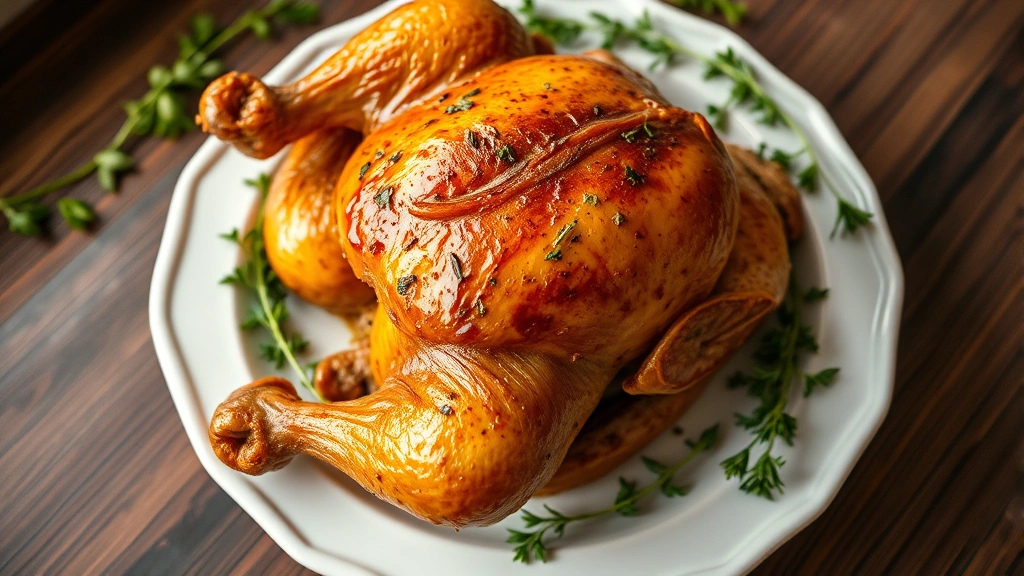
Is Costco Rotisserie Chicken Healthy? Dietitian Answers
Costco’s rotisserie chicken has become a grocery staple for busy families seeking quick, protein-rich meals. At just $4.99, this ready-to-eat convenience seems almost too good to be true. But beneath that golden, crispy skin lies a more nuanced nutritional story that deserves examination. As a registered dietitian nutritionist, I’ve analyzed countless ready-made proteins, and the Costco rotisserie chicken presents both significant benefits and important considerations for health-conscious consumers.
The appeal is undeniable: tender meat, minimal prep time, and a price point that hasn’t changed in over a decade. Yet the question remains—is this convenient protein actually supporting your health goals, or are hidden sodium levels and cooking methods undermining your nutritional intentions? Let’s dive into what the science reveals about this beloved warehouse staple.
Complete Nutrition Breakdown
One medium Costco rotisserie chicken (approximately 1.5 kg or 3.3 lbs) contains roughly 1,040 calories when you account for both white and dark meat with skin. Per 100-gram serving (approximately 3.5 oz), the nutritional profile breaks down as follows: 165 calories, 11 grams of fat, 0 grams of carbohydrates, and 17 grams of protein.
The macronutrient distribution shifts slightly depending on which part of the bird you consume. White meat without skin offers the leanest option at approximately 31 grams of protein per 100 grams with just 3.6 grams of fat. Dark meat with skin, conversely, provides 27 grams of protein but contains 10 grams of fat per 100 grams. This distinction matters significantly for those following specific nutrition for building muscle mass protocols.
Beyond macronutrients, Costco’s rotisserie chicken delivers essential micronutrients often lacking in modern diets. A single serving provides approximately 30% of your daily selenium requirement, crucial for thyroid function and antioxidant defense. B-vitamins—particularly niacin, B6, and B12—appear in substantial quantities, supporting energy metabolism and neurological function. Phosphorus and potassium contribute to bone health and cardiovascular regulation respectively.
The chicken also contains choline, a nutrient vital for cognitive function and liver health, yet frequently overlooked in nutritional discussions. Additionally, the collagen content from the skin and connective tissue provides amino acids like glycine and proline, increasingly recognized for joint and gut health benefits.
Sodium Content: The Hidden Challenge
Here’s where the nutritional story becomes complicated. A single 100-gram serving of Costco rotisserie chicken contains approximately 800-1,000 milligrams of sodium—roughly 35-43% of the recommended daily limit according to American Heart Association guidelines. An entire medium chicken delivers approximately 3,300-4,000 milligrams of sodium, exceeding the recommended daily intake for most adults in a single meal.
This sodium content stems from the brining process Costco employs before rotisserie cooking. While brining enhances moisture retention and flavor, it dramatically increases sodium levels compared to unseasoned roasted chicken prepared at home. Research from Pew Research Center on dietary patterns demonstrates that processed and ready-to-eat proteins contribute significantly to excessive sodium consumption in Western diets, particularly among individuals managing hypertension.
For individuals with blood pressure concerns, sodium sensitivity, or those following a low-sodium protocol, this represents a legitimate health consideration. However, for generally healthy adults without hypertension risk factors, the sodium content, while elevated, needn’t be prohibitive if consumption is balanced with lower-sodium meals throughout the day.
The sodium concern becomes especially relevant when considering how people typically consume this product. Few individuals eat plain rotisserie chicken; most incorporate it into meals with additional sodium sources—rice pilaf, bread, salted vegetables, or condiments. This cumulative sodium effect can quickly exceed recommended daily limits.
Protein Benefits and Muscle Building
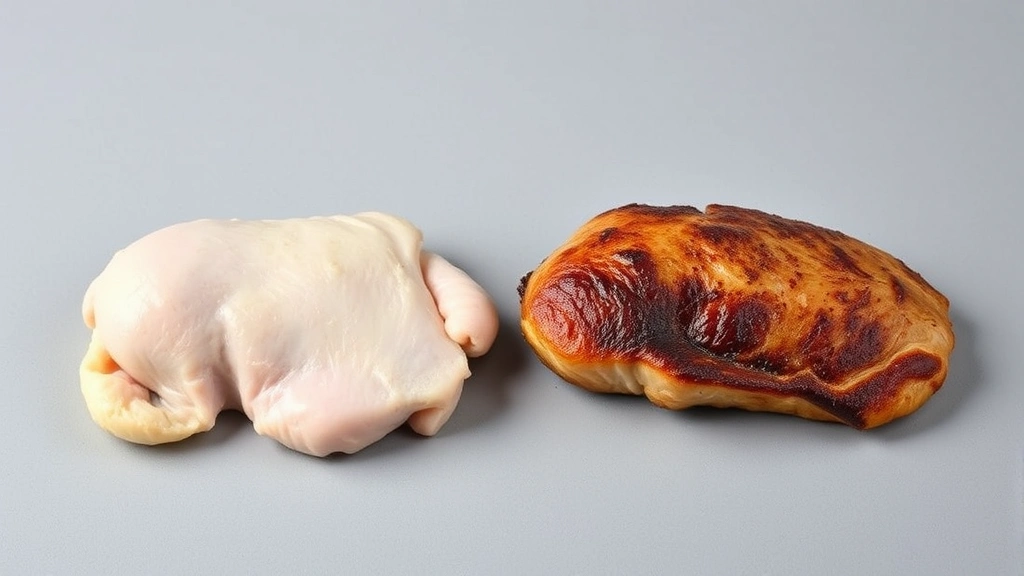
Where Costco rotisserie chicken truly excels is protein delivery. At 25-31 grams of protein per 100 grams depending on cut selection, this represents a complete protein containing all nine essential amino acids in optimal ratios for human nutrition.
The leucine content particularly stands out for muscle-building applications. Leucine, a branched-chain amino acid, triggers mTOR signaling—the cellular pathway responsible for muscle protein synthesis. Research demonstrates that approximately 2.5-3 grams of leucine per meal optimally stimulates muscle building, and a single serving of rotisserie chicken easily surpasses this threshold. For individuals pursuing muscle development through strategic nutrition, rotisserie chicken represents an efficient, convenient protein source.
The bioavailability of chicken protein deserves mention. Cooked protein demonstrates superior amino acid absorption compared to raw protein, with rotisserie cooking methods—high-heat roasting—providing optimal digestibility. This means your body efficiently utilizes the amino acids present, making Costco rotisserie chicken a genuinely effective muscle-building food.
For individuals in recovery, elderly populations, or those with increased protein requirements, the convenience factor cannot be overstated. Easy-to-consume, already-prepared protein reduces barriers to adequate intake, particularly beneficial for those with mobility limitations or cooking challenges.
Fat Profile and Heart Health
The fat content in Costco rotisserie chicken warrants nuanced discussion. Contrary to outdated dietary guidelines demonizing all dietary fat, emerging research demonstrates that chicken fat—primarily from skin—contains beneficial compounds including conjugated linoleic acid (CLA) and omega-3 fatty acids.
Approximately 50% of the fat in chicken skin comprises monounsaturated fats, the same heart-healthy fat predominant in olive oil. Another 25-30% consists of polyunsaturated fats, including omega-3 and omega-6 fatty acids in favorable ratios. Only 25-30% represents saturated fat, considerably lower than beef or pork alternatives.
The cholesterol content in rotisserie chicken, approximately 85 mg per 100-gram serving, falls within acceptable parameters for most individuals. Research published in major nutrition journals increasingly suggests that dietary cholesterol has minimal impact on blood cholesterol for most people, with saturated fat intake representing the more significant concern.
However, individuals with familial hypercholesterolemia or specific lipid metabolism disorders should limit consumption of skin and higher-fat portions. For these populations, white meat without skin provides excellent protein with minimal fat impact.
How Preparation Methods Affect Health Value
The rotisserie cooking method itself influences nutritional value in several ways. High-heat cooking can generate advanced glycation end products (AGEs)—compounds formed when proteins and sugars react at elevated temperatures. Excessive AGE consumption correlates with inflammation and accelerated aging in some research contexts.
However, rotisserie cooking also produces beneficial compounds. The Maillard reaction—the browning process that creates rotisserie chicken’s appealing crust—generates flavor compounds and potentially beneficial phytochemicals. Additionally, the rendered fat during cooking allows fat-soluble vitamins (A, D, E, K) to be more readily absorbed.
The key consideration involves how you incorporate rotisserie chicken into your overall eating pattern. Consuming it as part of a comprehensive healthy nutrition plan with abundant vegetables, whole grains, and varied protein sources mitigates any potential concerns about AGE formation. Pairing rotisserie chicken with foods rich in dietary fiber further enhances overall nutritional outcomes.
Comparison to Other Protein Sources
To contextualize whether Costco rotisserie chicken is genuinely healthy, comparison to alternative proteins proves illuminating. Versus ground beef (80/20 blend): rotisserie chicken contains 60% less saturated fat and 40% fewer calories while delivering comparable protein. Against farmed salmon: rotisserie chicken provides similar protein with lower fat but less omega-3 fatty acids. Compared to turkey breast: they’re nutritionally equivalent, though rotisserie chicken offers superior convenience.
The cost-efficiency analysis particularly favors rotisserie chicken. At approximately $3 per pound, it undercuts most alternative proteins while delivering restaurant-quality preparation. This affordability potentially increases protein consumption among lower-income populations, supporting more equitable access to adequate nutrition.
Versus plant-based proteins like legumes or tofu: rotisserie chicken provides superior amino acid completeness and bioavailability, though plant proteins offer advantages in fiber content and phytonutrient diversity. Ideally, dietary patterns include both animal and plant proteins for maximum nutritional benefit.
Smart Ways to Incorporate Into Your Diet
To maximize health benefits while minimizing concerns, strategic consumption patterns matter. First, balance sodium by pairing rotisserie chicken with low-sodium side dishes—fresh vegetables, brown rice, quinoa—rather than processed carbohydrate sources. This approach maintains sodium within acceptable daily limits while providing nutrient density.
Second, consider portion sizes. A typical serving of 100-150 grams (3.5-5 oz) provides substantial protein without excessive sodium accumulation. Many people consume twice this amount, doubling the sodium intake unnecessarily.
Third, vary your protein sources throughout the week. Rotating between rotisserie chicken, grilled fish, legumes, and other proteins prevents nutrient monotony and reduces potential concerns about any single food’s limitations. This diversity supports comprehensive micronutrient intake and prevents over-reliance on sodium-heavy products.
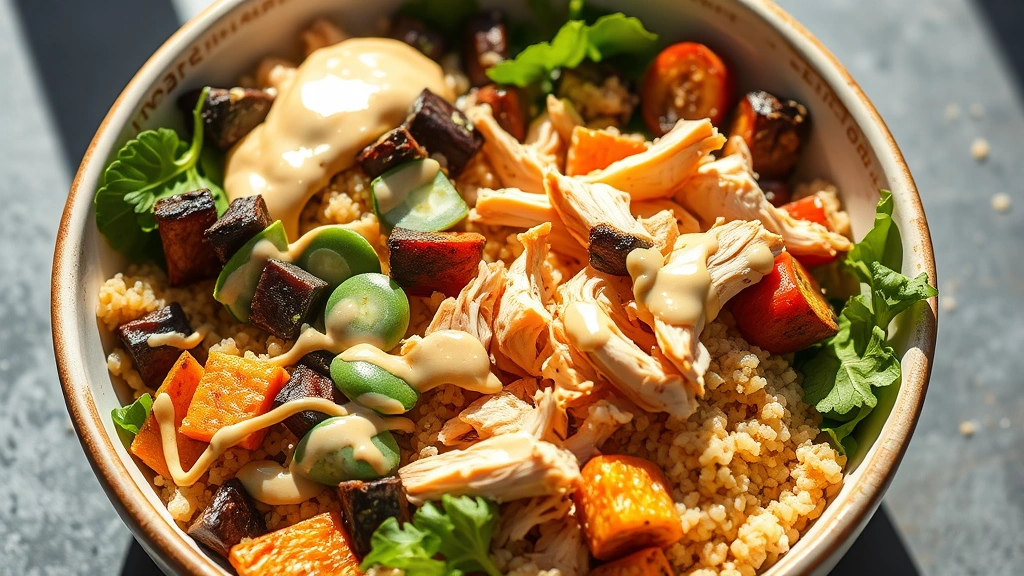
Fourth, leverage rotisserie chicken’s convenience for meal preparation. Shred it for Buddha bowls, add it to salads, incorporate into grain-based dishes, or use it as a base for nutrient-dense soups. These applications increase vegetable and fiber intake—often deficient in Western diets—while simplifying meal preparation.
Fifth, consider nutrient absorption optimization by pairing rotisserie chicken with vitamin C sources (bell peppers, citrus) and healthy fats (olive oil, avocado), enhancing mineral bioavailability.
FAQ
Is Costco rotisserie chicken better than homemade roasted chicken?
Homemade roasted chicken offers superior sodium control and customizable seasoning, while Costco rotisserie provides unmatched convenience and consistent quality. For regular consumption, rotisserie chicken’s time-saving benefits often outweigh minimal nutritional differences. Home preparation suits occasional meals or specific dietary restrictions.
Can I eat Costco rotisserie chicken daily?
Daily consumption risks excessive sodium accumulation unless carefully balanced with low-sodium meals. Most nutritionists recommend 3-4 times weekly for generally healthy adults, with more frequent consumption reserved for those with elevated protein requirements or engaging in intensive exercise training.
Which part of the rotisserie chicken is healthiest?
White meat without skin provides leanest protein at minimal fat. However, dark meat with skin offers superior micronutrient density and contains beneficial unsaturated fats. Optimal choice depends on individual health goals—muscle building favors dark meat’s higher caloric density, while weight management may prioritize white meat.
Does rotisserie chicken contain preservatives?
Costco rotisserie chicken contains minimal artificial preservatives, relying instead on salt and refrigeration for preservation. However, the brining process means substantial sodium serves as the primary preservative mechanism.
How long does rotisserie chicken stay fresh?
Properly refrigerated rotisserie chicken remains safe for 3-4 days. For extended storage, shredding and freezing extends shelf life to 2-3 months, making it convenient for meal preparation systems.
Is rotisserie chicken appropriate for specific diets?
Rotisserie chicken suits most dietary patterns—paleo, keto, Mediterranean, and high-protein diets all accommodate it. However, sodium-restricted diets require careful portion control and meal balancing. Those following low-FODMAP protocols should verify seasoning ingredients, as some spice blends may contain problematic compounds.
For individuals pursuing optimal nutrition supporting mental health, rotisserie chicken’s B-vitamin content and protein delivery support cognitive function and neurotransmitter synthesis.
Can rotisserie chicken support weight loss goals?
Yes, rotisserie chicken supports weight loss through high protein content promoting satiety and thermogenesis. White meat portions particularly suit calorie-restricted diets. Pairing with high-volume, low-calorie vegetables maximizes fullness while maintaining modest calorie totals.


