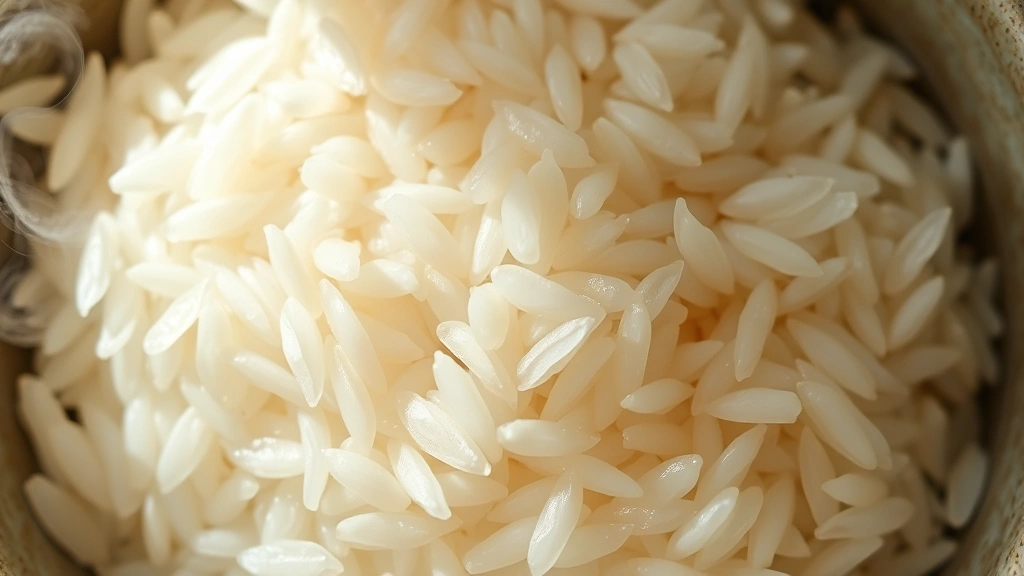
Jasmine rice stands as one of the most beloved grain staples worldwide, prized for its delicate floral aroma, tender texture, and versatility in countless cuisines. Beyond its culinary appeal, understanding the nutritional profile of jasmine rice is essential for anyone seeking to make informed dietary choices. As a dietitian-backed exploration, this comprehensive guide unveils the science behind jasmine rice nutrition, examining its macronutrient composition, micronutrient content, and how it fits within a balanced healthy nutrition plan.
Jasmine rice, scientifically known as Oryza sativa var. jasminoides, originates primarily from Thailand and other Southeast Asian regions. It belongs to the long-grain rice family and contains naturally occurring compounds that contribute to its distinctive aroma. When evaluating jasmine rice nutrition, it’s important to distinguish between white jasmine rice and brown jasmine rice varieties, as processing methods significantly impact their nutritional values. This guide draws from current nutritional science and dietary recommendations to provide actionable insights for health-conscious consumers.
Nutritional Composition of Jasmine Rice
One cup of cooked jasmine rice (approximately 175 grams) contains roughly 205 calories, making it a moderate-calorie grain option suitable for various dietary goals. The macronutrient breakdown reveals that jasmine rice is primarily composed of carbohydrates, which constitute approximately 45 grams per cooked cup. Protein content stands at approximately 4 grams per cup, while fat content is minimal at around 0.3 grams. This macronutrient profile makes jasmine rice an excellent choice for individuals seeking sustained energy without excessive fat intake.
The nutritional density of jasmine rice varies depending on whether it has been enriched during processing. White jasmine rice undergoes milling that removes the bran and germ layers, which contain most of the grain’s natural nutrients. Manufacturers often enrich white jasmine rice by adding synthetic vitamins and minerals to restore some nutritional value lost during processing. Understanding these distinctions helps consumers make informed choices aligned with their nutritional needs and health objectives.
As part of a comprehensive approach to nutrition, jasmine rice complements other whole foods beautifully. When paired with protein sources and vegetables, it creates balanced meals that support sustained energy levels. The Nutrients Pathway Blog offers additional insights into grain-based nutrition strategies for optimal health outcomes.
Carbohydrates and Glycemic Impact
Carbohydrates represent the primary macronutrient in jasmine rice, providing approximately 45 grams per cooked cup. These carbohydrates are primarily in the form of starch, which the body breaks down into glucose for energy. The glycemic index (GI) of white jasmine rice ranges from 68 to 89, depending on cooking method and grain length, classifying it as a high-glycemic food. This means jasmine rice causes a relatively rapid increase in blood glucose levels after consumption.
For individuals managing blood sugar levels or following specific dietary protocols, understanding the glycemic impact of jasmine rice is crucial. Research published by the Proceedings of the National Academy of Sciences demonstrates that rice consumption patterns vary significantly across populations, with glycemic response influenced by preparation methods and accompanying foods. Cooking jasmine rice with adequate water and allowing it to cool slightly before consumption can marginally reduce its glycemic impact through resistant starch formation.
Brown jasmine rice exhibits a lower glycemic index than its white counterpart, typically ranging from 50 to 68, due to the presence of the bran layer containing fiber and other compounds that slow glucose absorption. For individuals prioritizing blood sugar management, incorporating brown jasmine rice or mixing white jasmine rice with other grains like quinoa or wild rice can optimize the glycemic response of meals.
Protein Content and Amino Acids
Jasmine rice provides approximately 4 grams of protein per cooked cup, contributing modestly to daily protein requirements. While this amount is not substantial, jasmine rice becomes nutritionally significant when combined with complementary proteins. The protein in jasmine rice contains all nine essential amino acids, though in varying quantities. Methionine and cysteine (sulfur-containing amino acids) are present in slightly higher concentrations compared to other amino acids, while lysine is relatively lower.
To achieve a complete amino acid profile and maximize protein utilization, traditional culinary pairings prove scientifically sound. Combining jasmine rice with legumes such as lentils, chickpeas, or beans creates a complementary amino acid combination. This pairing ensures adequate quantities of all essential amino acids, a principle recognized across numerous cultures and validated by nutritional science. Such combinations are particularly valuable for vegetarians and vegans seeking plant-based protein sources.
Athletes and individuals with elevated protein requirements should view jasmine rice as a carbohydrate and energy source rather than a primary protein provider. Pairing jasmine rice with fish, poultry, eggs, dairy products, or plant-based proteins ensures adequate amino acid intake for muscle recovery and maintenance.
Vitamins and Minerals in Jasmine Rice
White jasmine rice, particularly when enriched, contains several important micronutrients essential for bodily functions. Enriched white jasmine rice typically contains added thiamine (vitamin B1), niacin (vitamin B3), and folic acid (vitamin B9). These B vitamins play crucial roles in energy metabolism, nervous system function, and DNA synthesis. One cup of enriched white jasmine rice can provide 10-15% of the daily recommended value for these vitamins.
Brown jasmine rice retains naturally occurring minerals within its bran layer, including magnesium, phosphorus, and manganese. Magnesium, present in approximately 84 milligrams per cooked cup of brown jasmine rice, supports muscle function, energy production, and bone health. Phosphorus contributes to bone mineralization and energy metabolism, while manganese functions as a cofactor for various enzymatic reactions throughout the body.
Iron content in jasmine rice varies significantly based on enrichment status and variety. White enriched jasmine rice typically contains added iron to prevent anemia-related deficiencies, while brown jasmine rice provides naturally occurring iron from the bran layer. For individuals following nutritionally balanced eating patterns, jasmine rice contributes meaningfully to micronutrient intake when incorporated into diverse meal compositions.
The mineral profile of jasmine rice supports various physiological processes. Selenium, present in trace amounts, functions as an antioxidant and supports thyroid hormone metabolism. Zinc, though in modest quantities, contributes to immune function and protein synthesis. When consumed as part of varied diets including diverse vegetables, proteins, and other grains, jasmine rice provides complementary micronutrients supporting overall health.
Fiber Content and Digestive Health
White jasmine rice contains minimal fiber, approximately 0.6 grams per cooked cup, as the milling process removes the fiber-rich bran and germ layers. This low fiber content means white jasmine rice doesn’t substantially contribute to daily fiber requirements, which range from 25-38 grams for adults depending on age and sex. However, brown jasmine rice retains its bran layer, providing approximately 3.5 grams of fiber per cooked cup, representing a more substantial contribution to daily fiber intake.
Dietary fiber plays essential roles in digestive health, supporting regular bowel movements, feeding beneficial gut bacteria, and promoting satiety. The importance of dietary fiber extends beyond digestive function to include blood sugar regulation, cholesterol management, and weight maintenance. For individuals prioritizing fiber intake, brown jasmine rice offers superior benefits compared to white varieties.
Individuals unaccustomed to higher fiber intake should increase consumption gradually to allow digestive adaptation and prevent discomfort. Combining jasmine rice with high-fiber vegetables, legumes, and fruits creates meals that substantially contribute to daily fiber requirements while maintaining palatability and enjoyment.
White vs. Brown Jasmine Rice
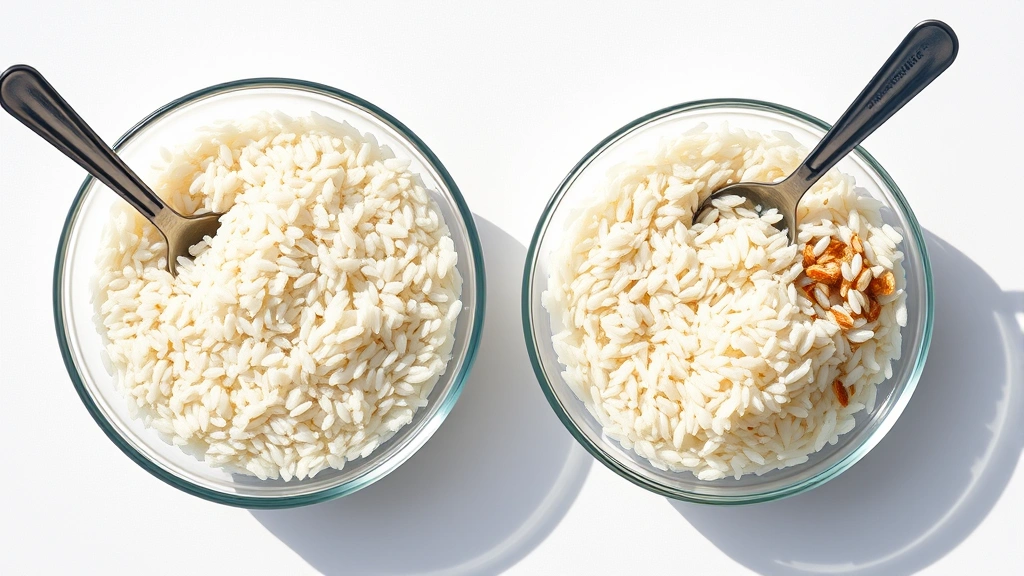
The distinction between white and brown jasmine rice extends beyond color to encompass significant nutritional differences. White jasmine rice undergoes processing that removes the bran, germ, and aleurone layers, leaving primarily the starchy endosperm. This processing extends shelf life and reduces cooking time but removes most naturally occurring vitamins, minerals, and fiber. Enrichment processes add back certain synthetic nutrients to partially restore nutritional value.
Brown jasmine rice retains all three grain layers—the bran, germ, and endosperm—preserving natural nutrients and fiber. This retention results in higher micronutrient density, increased fiber content, and a lower glycemic index. Brown jasmine rice requires longer cooking times (45-50 minutes versus 15-20 minutes for white) and has a slightly nuttier flavor and firmer texture.
Selection between white and brown jasmine rice should consider individual health goals, time constraints, and palatability preferences. Brown jasmine rice suits individuals prioritizing fiber intake, blood sugar management, and maximum micronutrient density. White jasmine rice remains appropriate for those seeking quick-cooking grains, individuals with digestive sensitivities to high fiber, and those preferring traditional texture and flavor profiles. Many nutritionists recommend incorporating both varieties strategically throughout the week to balance convenience with nutritional optimization.
Health Benefits and Considerations
Jasmine rice offers several health benefits when incorporated appropriately into balanced diets. Its easily digestible carbohydrates provide rapid energy replenishment, making it valuable for athletes and active individuals. The grain’s gluten-free nature suits individuals with celiac disease or gluten sensitivity, expanding dietary options for these populations. Additionally, jasmine rice’s mild flavor and tender texture make it accessible to diverse palates, including children and individuals with sensory sensitivities.
Research from the Harvard School of Public Health Nutrition Source indicates that whole grains, including brown rice varieties, are associated with reduced risks of cardiovascular disease, type 2 diabetes, and certain cancers. While white jasmine rice doesn’t provide identical benefits as whole grain varieties, it remains a nutritious carbohydrate source when consumed in appropriate portions and paired with complementary foods.
Important considerations include portion control, as jasmine rice is calorie-dense and easily overconsummed. Standard serving sizes of one-half to one cup of cooked rice support balanced meal composition. Individuals managing blood sugar levels should monitor glycemic response and consider pairing jasmine rice with protein and fat sources that moderate glucose absorption.
Arsenic content in rice, including jasmine varieties, warrants attention. Rice accumulates arsenic from soil and water more readily than other grains, and some research suggests potential health implications with excessive consumption. Varying rice types, rinsing rice before cooking, and cooking rice with excess water (similar to pasta cooking) and draining excess water can reduce arsenic content. The FDA provides guidance on arsenic in rice products.
Incorporating Jasmine Rice Into Your Diet
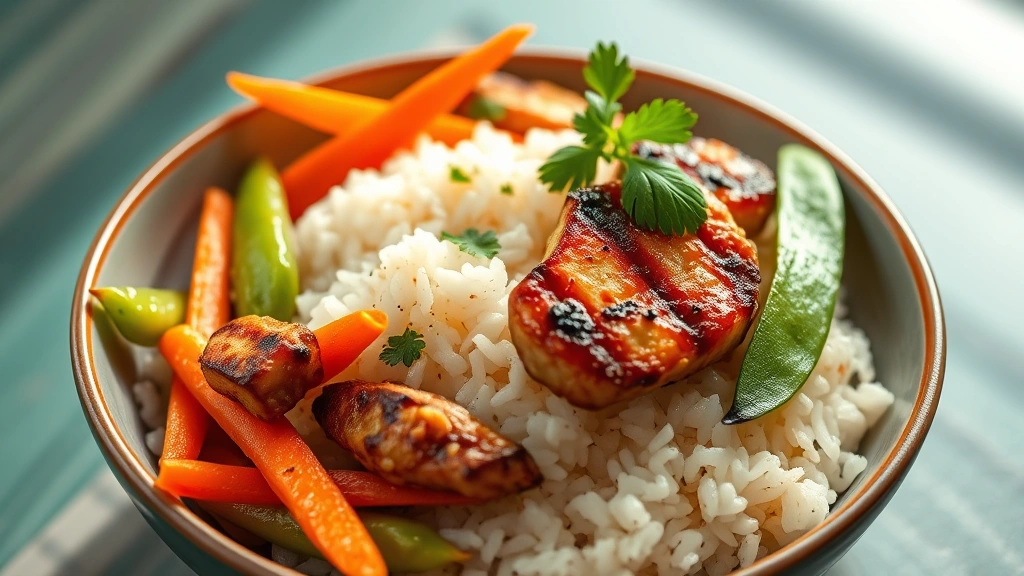
Strategic incorporation of jasmine rice into daily meals maximizes nutritional benefits while supporting health goals. Tips for meal planning emphasize creating balanced plate compositions with appropriate carbohydrate, protein, and vegetable proportions. A nutritionally optimized jasmine rice meal typically includes one-half cup cooked jasmine rice, 3-4 ounces of protein, and at least one cup of non-starchy vegetables.
Preparation methods influence nutritional outcomes. Cooking jasmine rice with vegetable or bone broth instead of water adds micronutrients and enhances flavor. Adding fats such as olive oil or coconut oil promotes absorption of fat-soluble vitamins from accompanying vegetables. Mixing white jasmine rice with brown jasmine rice or other grains like farro or wild rice increases fiber content and micronutrient density while maintaining the desired flavor profile.
Flavor-enhancing techniques support adherence and enjoyment. Incorporating aromatics such as garlic, ginger, and lemongrass during cooking creates depth of flavor without added sodium. Mixing cooked jasmine rice with fresh herbs, lime juice, and vegetables creates vibrant grain bowls. Leftover jasmine rice serves as a foundation for fried rice preparations incorporating eggs and vegetables, extending nutritional value through added protein and micronutrients.
Cultural cuisines offer proven combinations optimizing jasmine rice nutrition. Thai cuisine traditionally pairs jasmine rice with curries containing coconut milk (providing fat-soluble nutrient absorption), vegetables, and proteins. Vietnamese preparations feature jasmine rice alongside grilled proteins and fresh vegetable accompaniments. These traditional pairings reflect culinary wisdom supporting balanced nutrition and health promotion.
Frequently Asked Questions
Is jasmine rice healthier than other rice varieties?
Jasmine rice’s healthfulness depends on comparison context. Brown jasmine rice offers superior nutritional profiles compared to white jasmine rice due to retained fiber and micronutrients. However, compared to other whole grains like quinoa or farro, white jasmine rice provides fewer micronutrients and less fiber. White jasmine rice remains a nutritious carbohydrate source when incorporated into balanced meals with proteins and vegetables.
How much jasmine rice should I consume daily?
Daily jasmine rice consumption depends on individual caloric needs, activity levels, and overall dietary composition. Typically, one-half to one cup of cooked jasmine rice constitutes an appropriate serving at individual meals. For sedentary adults, limiting rice consumption to one serving daily supports weight maintenance, while active individuals or athletes may consume larger quantities to meet elevated energy requirements.
Can jasmine rice support weight loss goals?
Jasmine rice can support weight loss when consumed in controlled portions and combined with protein and fiber sources that promote satiety. The high glycemic index of white jasmine rice may not optimally support appetite regulation compared to whole grain alternatives. Substituting white jasmine rice with brown jasmine rice or combining white jasmine rice with legumes creates meals with superior satiety-promoting properties.
Is jasmine rice suitable for diabetics?
White jasmine rice’s high glycemic index makes it less ideal for individuals with type 2 diabetes or prediabetes without careful portion control and food pairing strategies. Brown jasmine rice, with its lower glycemic index, represents a more suitable option. Regardless of jasmine rice variety, consuming it with protein, healthy fats, and non-starchy vegetables moderates blood sugar response and supports glycemic management.
Does cooking method affect jasmine rice nutrition?
Cooking methods minimally affect jasmine rice’s macronutrient composition but influence certain micronutrients and resistant starch formation. Cooking jasmine rice with excess water and draining reduces arsenic content. Cooling cooked jasmine rice increases resistant starch, which functions similarly to fiber and provides metabolic benefits. Reheating cooled jasmine rice maintains resistant starch content, making it a strategic preparation method.
Can jasmine rice be part of a gluten-free diet?
Yes, jasmine rice is naturally gluten-free and suitable for individuals with celiac disease or gluten sensitivity. However, cross-contamination risks exist during commercial processing and packaging. Individuals requiring strict gluten avoidance should select jasmine rice products certified gluten-free by recognized organizations.


